
Google Files Patent for AI That Predicts Gene Editing Effects on Cell Chemistry
X Development, the Alphabet moonshot lab, is building an AI platform that can look at biological cell data and predict what happens to a cell's chemistry when you edit its genes. That's a very specific, very useful capability in the world of industrial biotech.
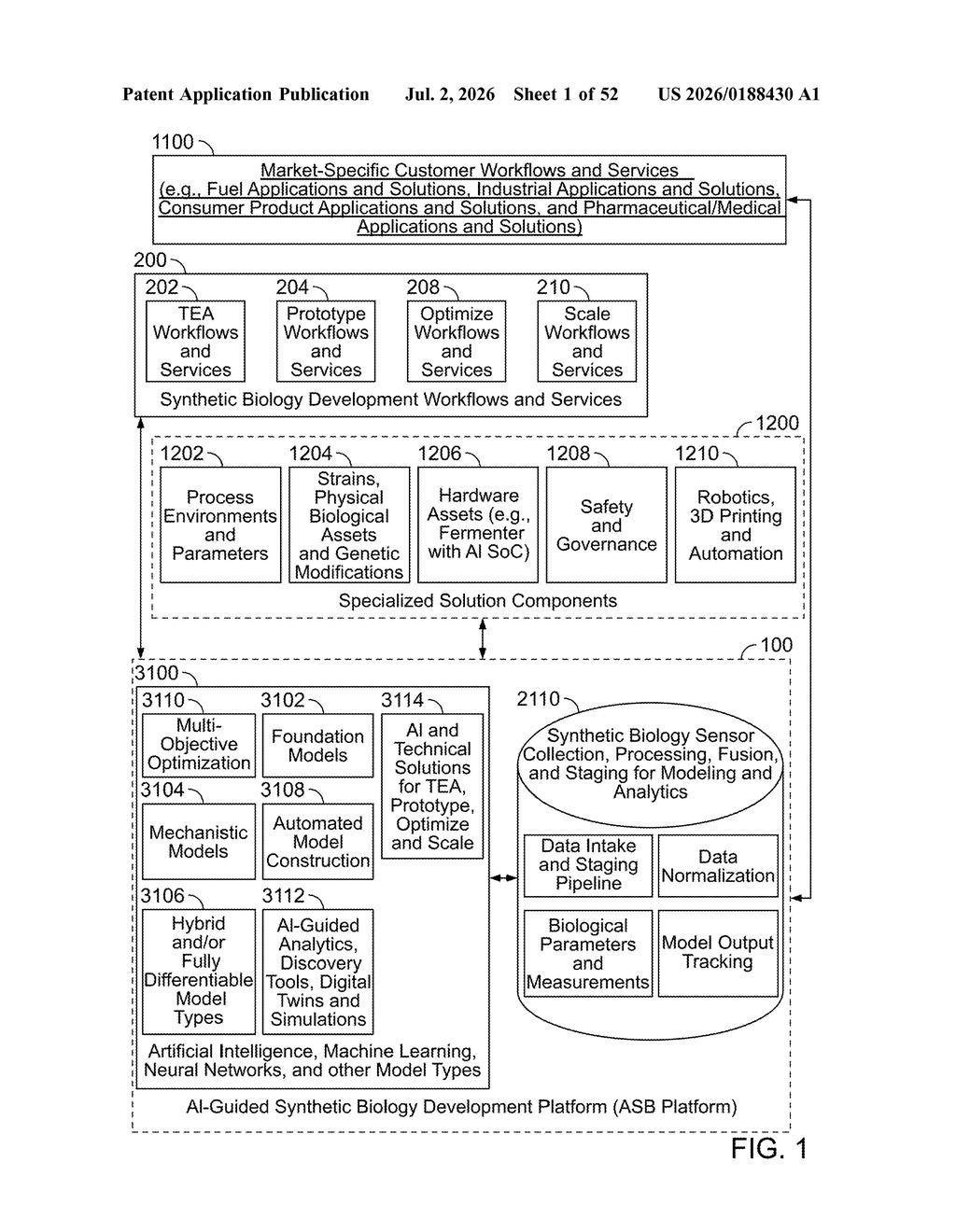
What X Development's biology AI platform actually does
Imagine a factory that produces medicine or fuel using living cells instead of chemicals. Scientists tweak the cells' genes to get them to produce more of what they want. But right now, figuring out which genetic changes actually work requires a lot of expensive, slow trial and error in the lab.
X Development is patenting an AI system designed to short-circuit that process. The system collects a wide variety of data from living cells, things like which genes are active, what chemicals are being produced, and how fast internal reactions are running. It then trains an AI model on all that biological data so the model can predict, before anyone runs a real experiment, what effect a given genetic change would have.
In short: instead of running hundreds of lab experiments to find the right genetic tweak, researchers could ask the AI first and focus only on the most promising candidates. That could dramatically speed up the development of biological processes used to make drugs, fuels, or specialty chemicals.
How the model reads cell data and makes genetic predictions
The patent describes a three-stage pipeline designed to feed biological data into an AI model in a structured, reliable way.
- Data collection: The system gathers what the patent calls "multimodal biologic data" from living biological systems. This includes gene expression levels (which genes are turned on or off), mRNA (the molecular messengers that carry genetic instructions), metabolic reaction fluxes (how fast chemical reactions are happening inside a cell), and intracellular metabolite concentrations (how much of various molecules are present inside the cell).
- Data processing: Raw biological data is messy and inconsistent across experiments. The system applies normalization and quality assurance steps to clean and standardize the data so the AI model can actually learn from it reliably.
- Prediction output: After training, the model generates predictions about what would happen to a cell's metabolite levels or reaction fluxes if a specific genetic modification were made.
The practical goal, as the patent frames it, is to support the development of biologic synthesis processes, meaning the use of engineered microorganisms or cells to manufacture useful compounds at scale. The AI acts as a prediction layer, helping researchers decide which genetic experiments are worth running in a real lab.
What this means for industrial biotech and drug production
Industrial biotechnology, making useful molecules like pharmaceuticals, biofuels, or food ingredients using engineered cells, is a fast-growing field but still heavily constrained by how slow and costly lab experimentation is. An AI that can reliably predict the outcome of genetic modifications before any wet-lab work is done could compress development timelines from years to months.
X Development (the Alphabet lab that also works on projects like Loon and Wing) has been building in the synthetic biology space. This patent signals a specific focus on the data infrastructure and model training side of that work, which is often the unglamorous bottleneck. If the platform works, it could matter a great deal to companies trying to scale up biological manufacturing.
This is a technically narrow but strategically meaningful filing. X Development is not patenting a drug or a microbe; it's patenting the AI scaffolding that could make biological engineering much faster. That kind of infrastructure patent tends to be underappreciated at filing time and very important later, assuming the underlying models actually perform.
Get our take in your Top Stories
Liked this breakdown? Add Patentlyze as a preferred source on Google, and our plain-English take shows up more often in your Top Stories the next time Google patent news breaks.
There are more where this came from
We read every patent application Big Tech publishes and send you the ones worth knowing. Plain English, free, every week.
Want this weekly breakdown for a company we don't cover? Patentlyze Pro →