
Google's New Patent Teaches Your Phone to Recognize a Knuckle Tap as Yours
Your fingerprint sensor only knows fingertips. Google wants to change that, teaching it to recognize any touch you make right after logging in, whether that's a knuckle, a palm, or even a stylus.
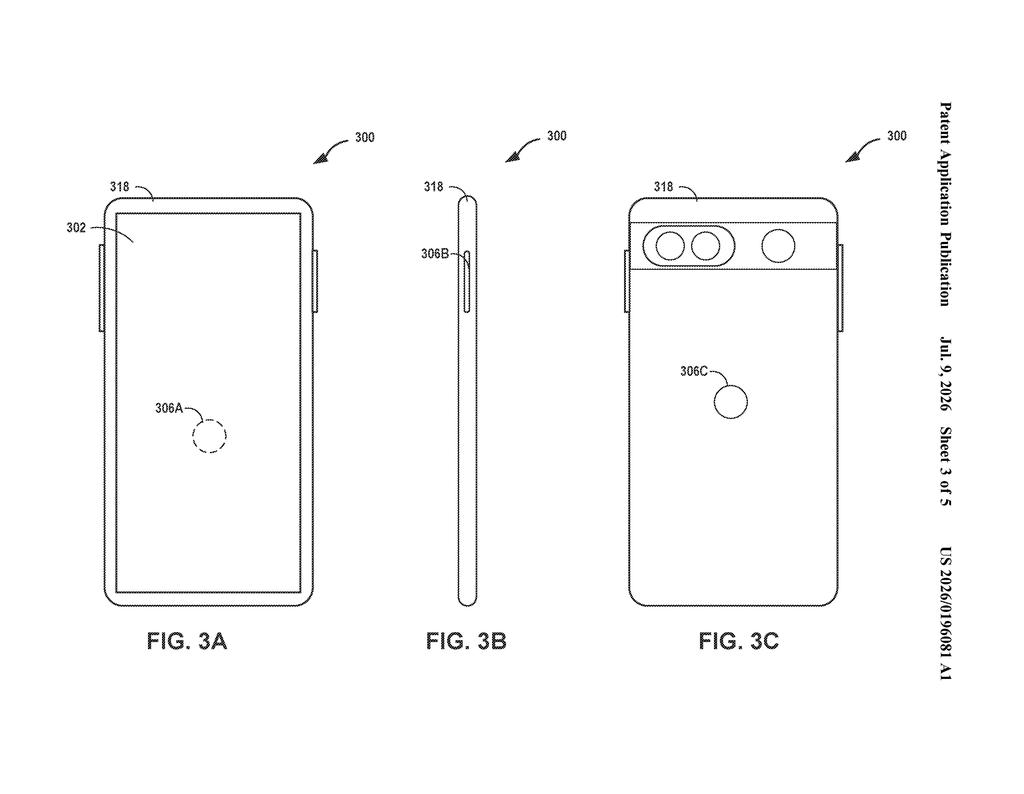
How Google's phone could learn your knuckle tap
Imagine you just unlocked your phone with your PIN, then immediately tapped the screen with your knuckle to open an app. Your phone noticed that tap, but had no idea who made it. Google's patent describes a system that would use that moment to learn the knuckle as yours.
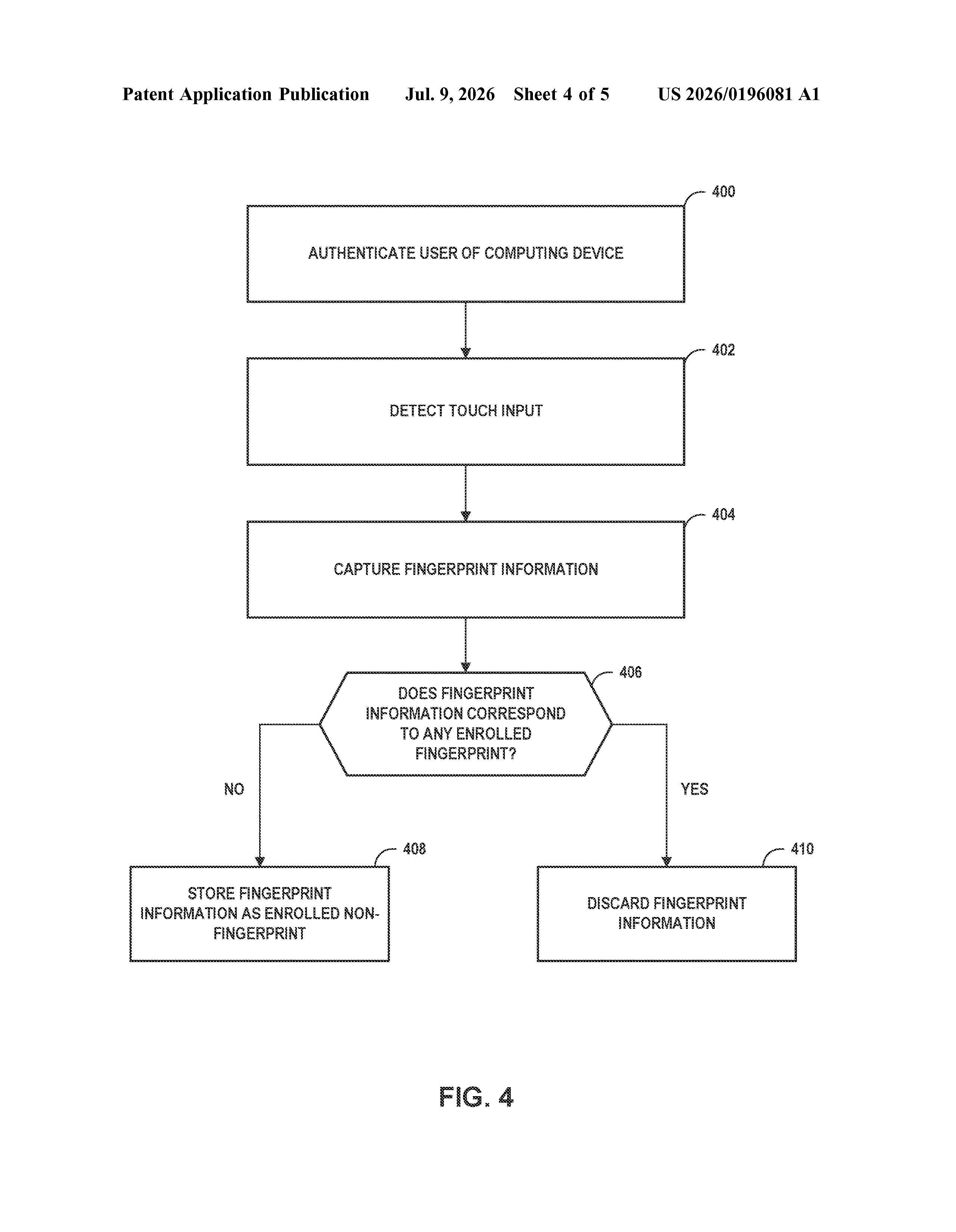
The idea is simple: right after you authenticate (by PIN, face, or fingerprint), your phone is in a brief window where it trusts you. Any touch you make during that window gets captured by the fingerprint sensor. If the sensor doesn't recognize it as one of your stored fingerprints, it saves it as a "enrolled non-fingerprint", a new kind of identity marker tied to your account.
Over time, your device could build up a library of how you interact with it, beyond just your fingertip. That could make unlocking or authenticating faster in situations where a full fingerprint scan isn't practical.
How the sensor logs a touch as a 'non-fingerprint'
The patent describes a method where a device's fingerprint sensor stays active for a short window of time immediately after a successful authentication event (a PIN entry, face unlock, or fingerprint match).
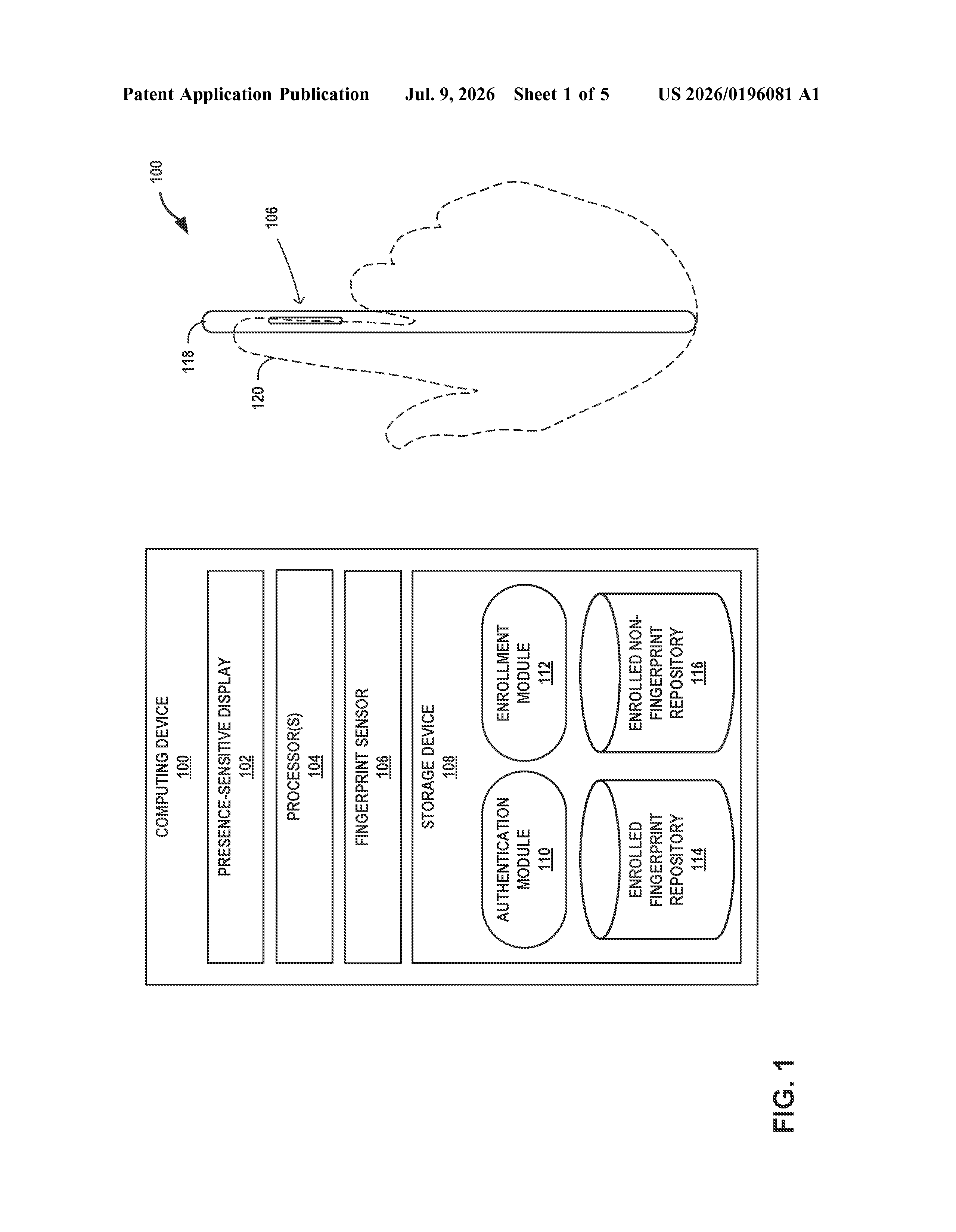
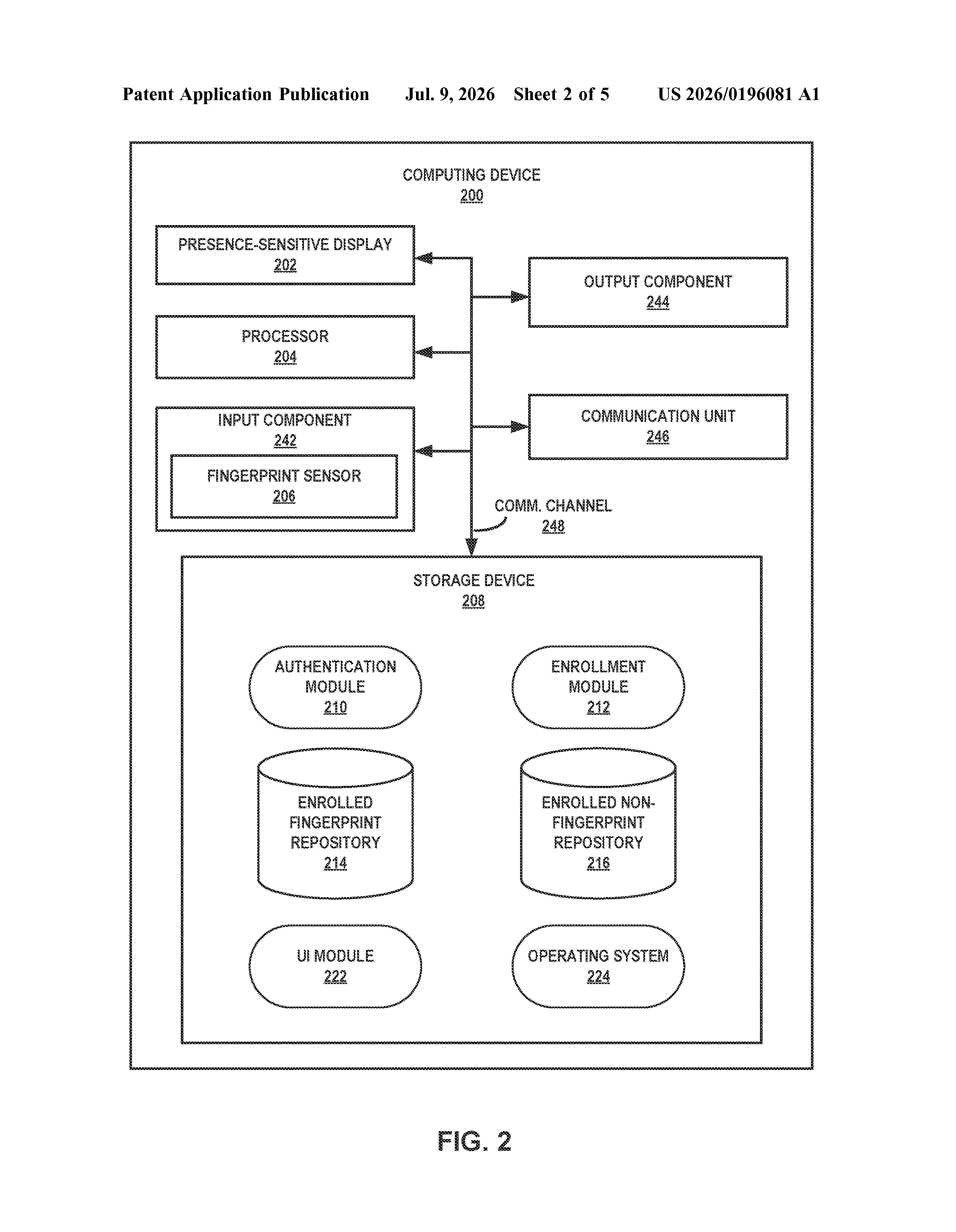
During that window, any touch detected by the sensor is captured and compared against the device's existing library of enrolled fingerprints. If it doesn't match any stored fingerprint, instead of being discarded, the touch data is saved as an "enrolled non-fingerprint" and added to the device's local storage.
Key components of the system include:
- A time gate: the enrollment only happens within a set period after authentication, so random touches later aren't accidentally saved
- A comparison check: the sensor first rules out that the touch is already a known fingerprint before logging it as something new
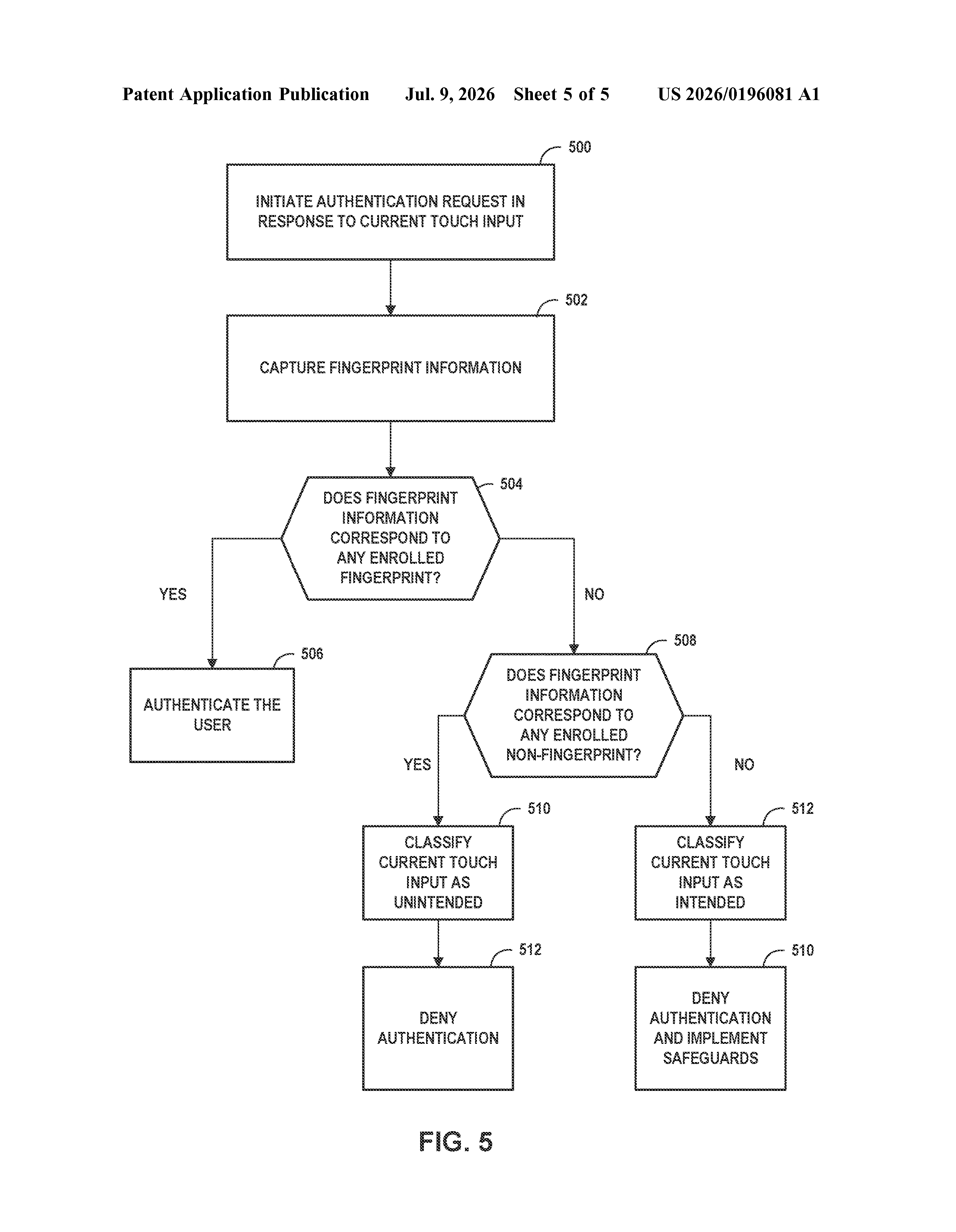
- A separate storage category: non-fingerprints are kept distinct from actual fingerprint records, presumably so the device can treat them differently during future authentication attempts
The patent doesn't specify exactly what kinds of touches qualify (knuckles, palms, styluses are all plausible), but the framing is broad enough to cover any biometric touch data that doesn't match a fingertip scan.
What this means for unlocking phones hands-free
For most people, fingerprint sensors are a one-trick tool: you enroll a few fingers, and that's it. This patent hints at Google exploring ways to make touch-based authentication more flexible, potentially letting you unlock or verify yourself with a wider range of gestures without explicitly setting them up through a menu.
The practical upside is accessibility and convenience. If you're wearing gloves, have a bandaged finger, or habitually tap your phone with your knuckle, a system like this could adapt to your habits automatically. Whether Google ever ships this as a consumer feature is another question, but the patent suggests the Pixel team is at least thinking about authentication beyond the standard fingertip.
This is a clever idea that solves a real friction point without requiring the user to do anything extra. The 'trust window' approach is an elegant way to gather enrollment data passively. Whether it ever ships, and whether users would actually trust a phone learning their knuckle taps, are fair questions, but the underlying concept is worth watching.
There are more where this came from
We read every patent application Big Tech publishes and send you the ones worth knowing. Plain English, free, every week.
The drawings
5 drawing sheets from US 2026/0196081 A1 · click any drawing to enlarge
Want this weekly breakdown for a company we don't cover? Patentlyze Pro →
Be the first to weigh in