
Google Patent Targets Noise Reduction in Privacy Sandbox Ad Attribution Reporting
Google's Privacy Sandbox was built to track ad performance without exposing individual users, but it does so by deliberately adding random noise to the data. This patent describes a system that tries to claw back accuracy by filtering out that noise before the numbers reach advertisers.
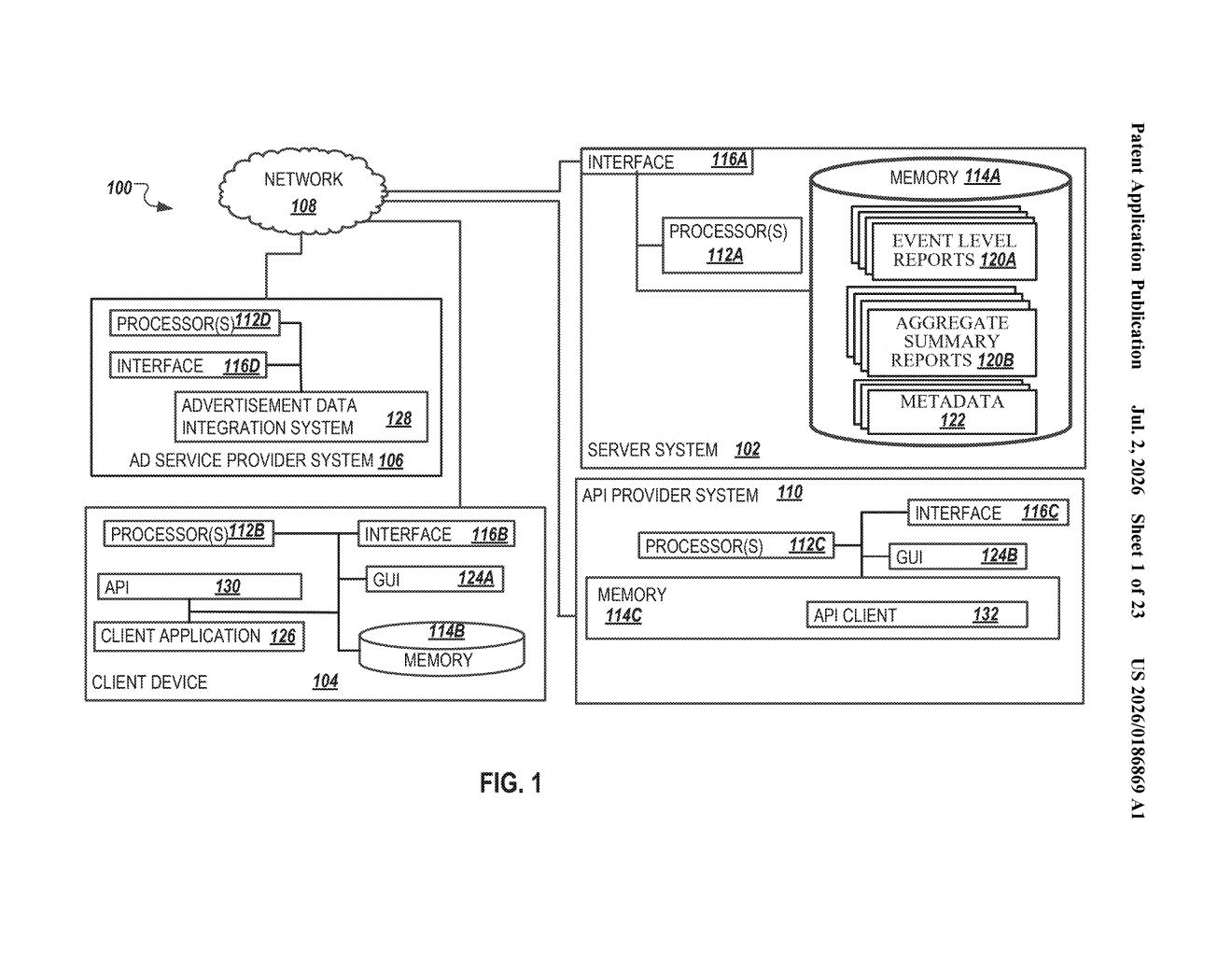
What Google's Privacy Sandbox data-cleaning system actually does
Imagine you run an online store and you want to know how many people clicked your ad and then bought something. In the old days, that was easy because websites could track you individually using cookies. Google's Privacy Sandbox is the replacement: it reports aggregated, anonymized numbers instead, but to protect privacy it intentionally mixes in fake data points before sending the report.
The problem is that advertisers end up with numbers they can't fully trust. A campaign might look like it drove 10,000 conversions when the real figure is closer to 7,000. This patent describes a system that receives those noisy reports, identifies and removes the fake signals, then applies a layer-by-layer cleaning process to get as close as possible to the true underlying numbers.
Once the data is cleaned, the system can recommend what actions an advertiser should take, like adjusting a bid or pausing a creative, and then send those instructions directly to the ad platform. It's essentially a noise-canceling filter built specifically for privacy-first ad measurement.
How Google strips noise and false signals from ad reports
The patent covers a pipeline that ingests aggregated summary reports from Google's Privacy Sandbox Attribution Reporting API. That API collects data about user interactions (clicks, page visits, purchases) but deliberately adds random noise before reporting, so no single user can be identified from the numbers.
The system first runs a false-positive removal step. In this context, a false positive is an event record that looks like a real conversion but was injected as privacy noise. The system flags and discards these so they don't skew downstream analysis.
Next comes hierarchical denoising. The aggregated data is organized in a tree-like structure by data type (for example: campaign, then ad group, then individual creative). The system reduces statistical noise at each level of that tree, working top-down so that corrections made at a higher level inform the cleaning done at lower levels. This is important because errors compound across levels if left unchecked.
Finally, the cleaned data is used to determine operations (bid changes, budget shifts, creative swaps) and the system sends actionable instructions to an asset provider, meaning an advertiser's platform or ad server, so changes can be applied automatically.
What this means for advertisers living with cookie-free measurement
For advertisers, the Privacy Sandbox transition has been a genuine headache. The deliberate noise added for privacy protection can make it look like campaigns are performing very differently from reality, which leads to bad decisions on where to spend money. A system that automatically cleans that noise before it reaches decision-making tools would partially restore the measurement confidence that disappeared when third-party cookies started going away.
For Google, this is also strategic. If advertisers trust the numbers coming out of Privacy Sandbox, they're more likely to keep buying ads through Google's platforms rather than shifting budget to channels with less privacy friction. Getting the measurement story right is as important as the privacy story itself.
This is genuinely useful plumbing work, not a flashy AI feature. The Privacy Sandbox's built-in noise is a real, documented problem that ad buyers complain about constantly, and a systematic way to denoise hierarchical reports would make a practical difference for anyone running performance campaigns. The patent is dense and narrow, but the problem it solves is concrete and the audience affected is large.
Get our take in your Top Stories
Liked this breakdown? Add Patentlyze as a preferred source on Google, and our plain-English take shows up more often in your Top Stories the next time Google patent news breaks.
There are more where this came from
We read every patent application Big Tech publishes and send you the ones worth knowing. Plain English, free, every week.
Want this weekly breakdown for a company we don't cover? Patentlyze Pro →