
Google Patents a Payment Slider That Reacts Live as You Swipe
You've seen the "slide to confirm" button in payment apps. Google wants to make every millimeter of that swipe feel alive, with the screen reacting in real time before your finger even lifts.
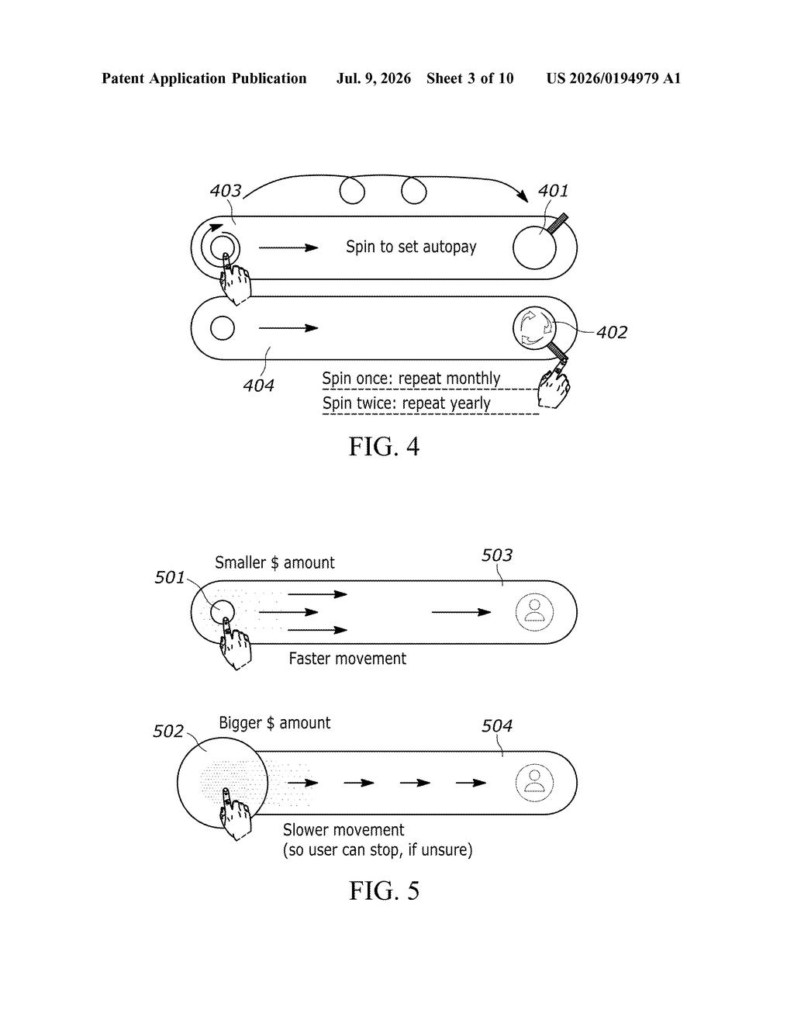
What Google's animated payment slider actually does
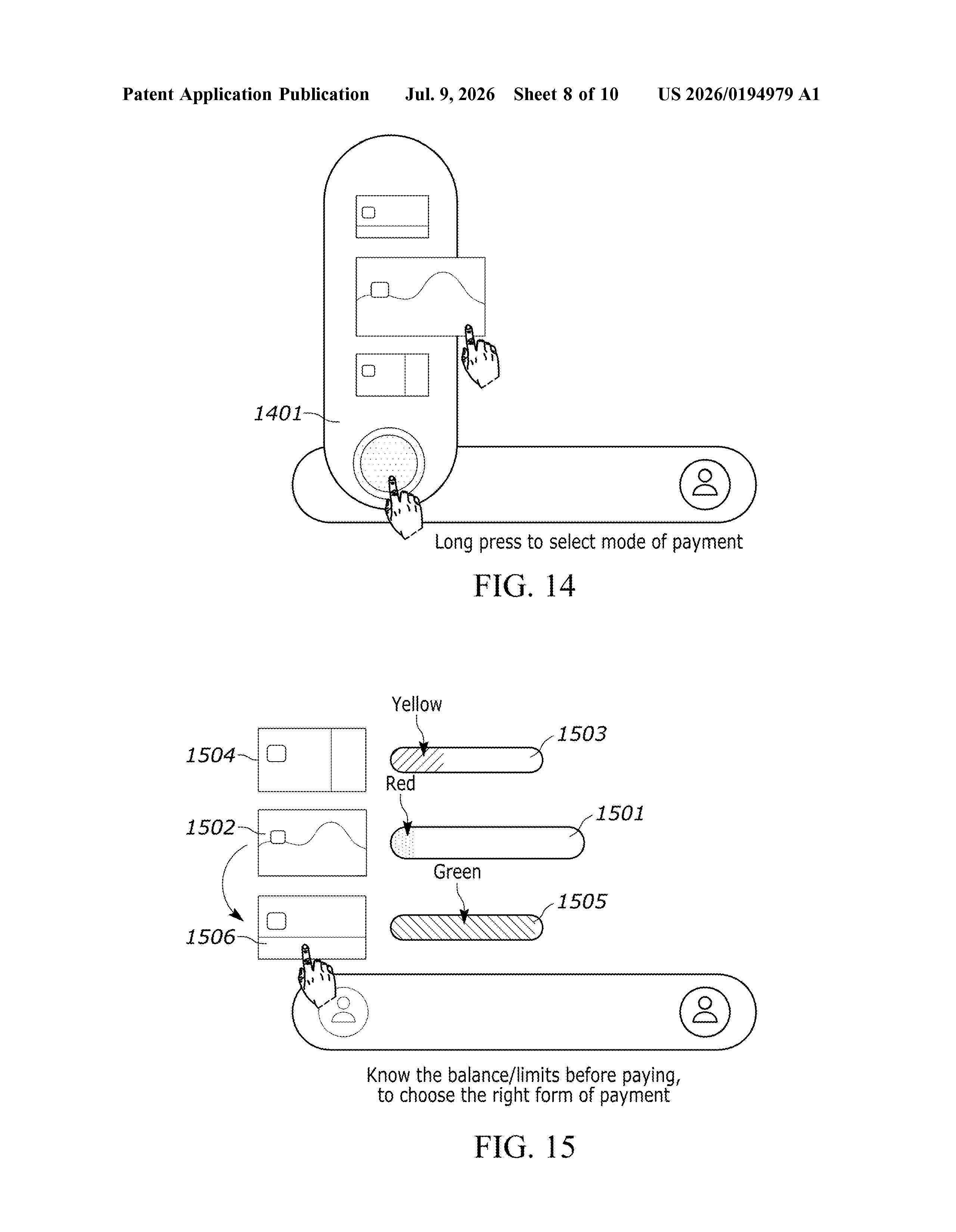
Imagine you're about to send money through Google Pay. Instead of sliding a button and waiting to see if anything happened, the screen starts responding the moment your finger starts moving. Text changes, colors shift, or animations play out as you drag, not after you let go.
That's what this patent describes: a payment confirmation screen with a slider that gives you live visual feedback at every stage of the swipe. Other elements on the screen, like labels or icons, also update in real time based on how far you've dragged.
The goal seems to be making the "confirm this payment" moment feel more deliberate and reassuring. When the screen visibly reacts to your movement, you know the app is paying attention and you're less likely to second-guess whether your tap actually registered.
How the slider triggers feedback before you finish swiping
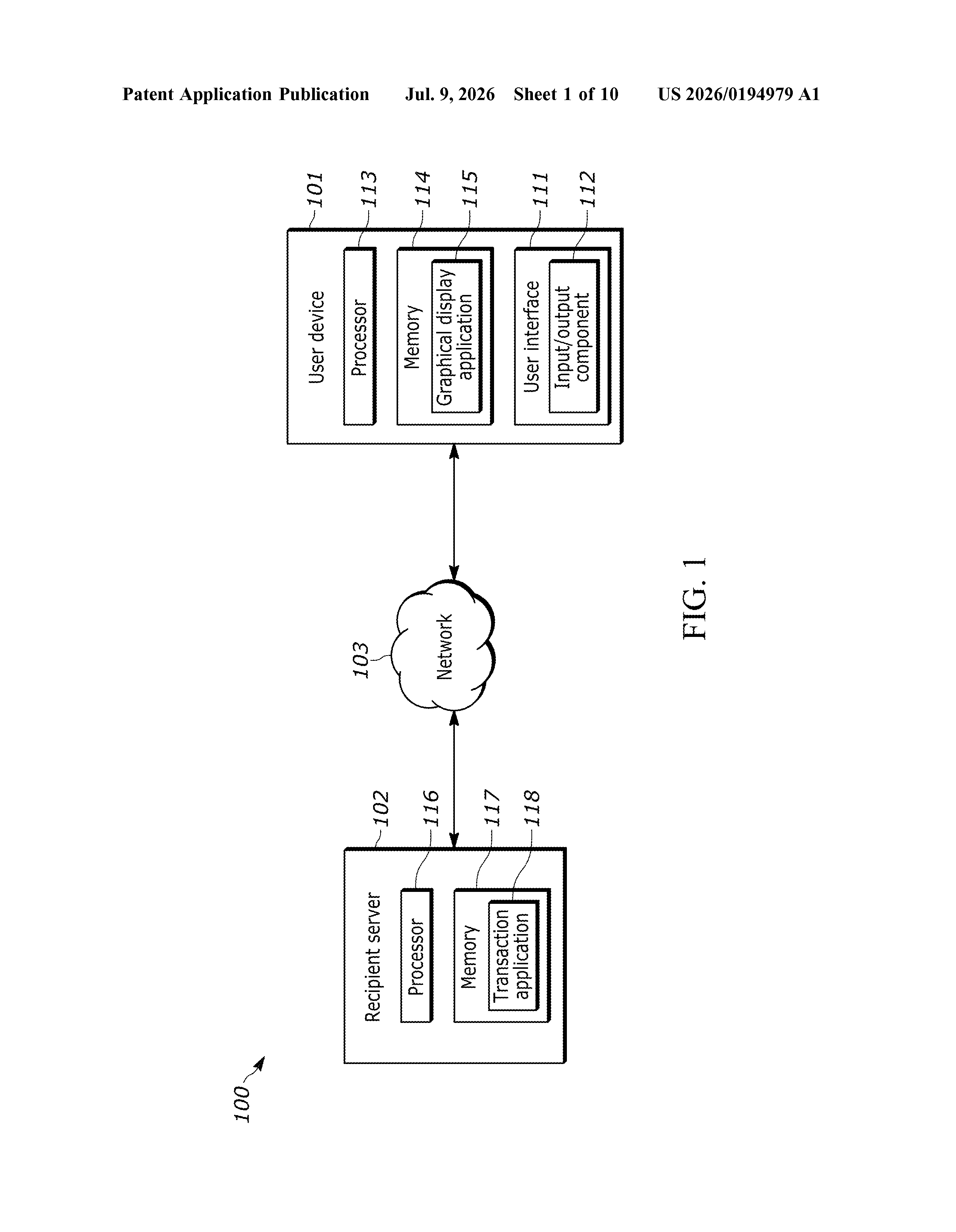
The patent describes a confirmation screen tied to a financial transaction that includes two key parts working together:
- An interactive slider element that the user drags to complete (or cancel) a transaction
- One or more additional UI elements, such as labels, icons, or background colors, that also update based on the user's interaction
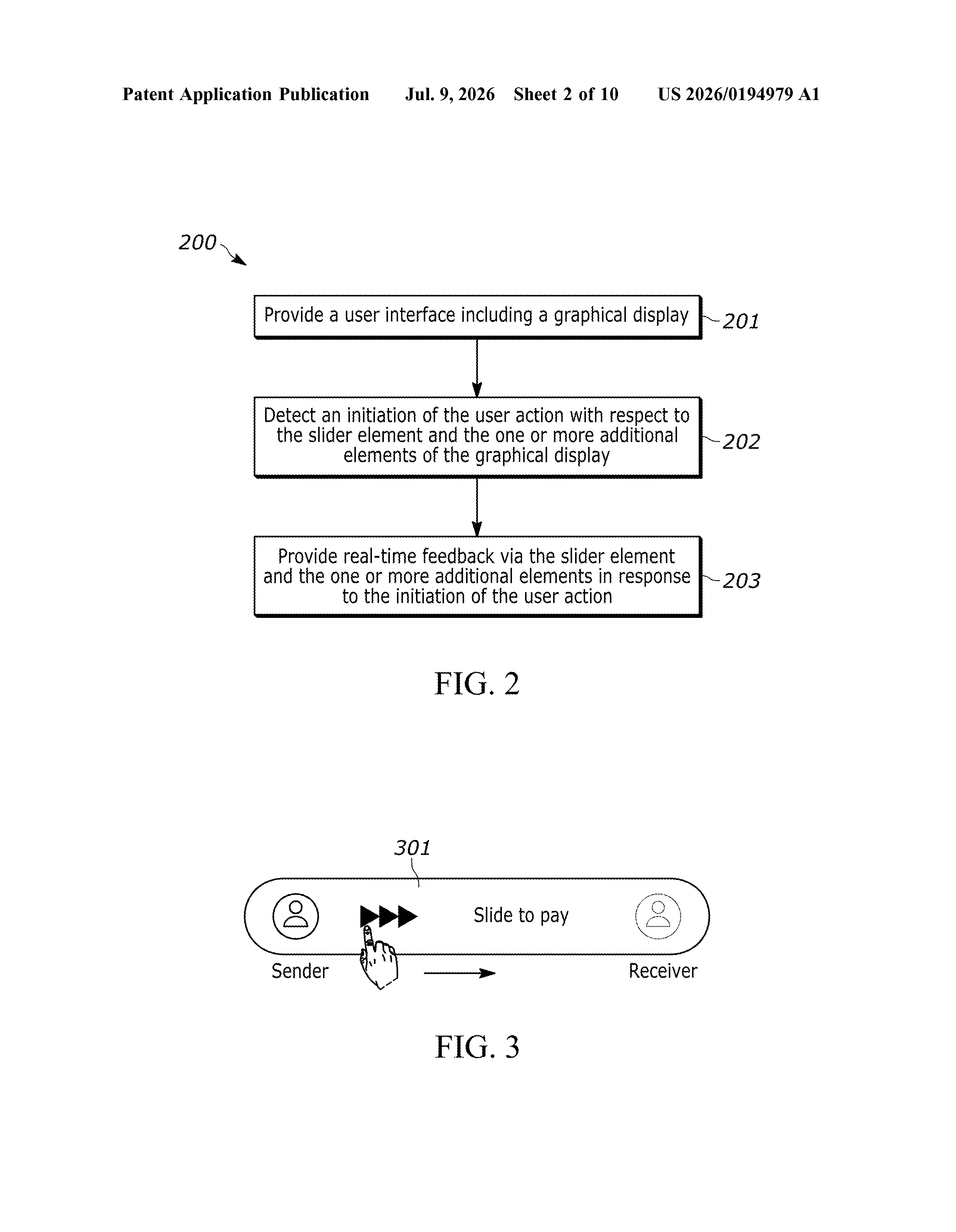
The critical detail is the timing: feedback is provided before the action is completed. As soon as the system detects that the user has started interacting with the slider (the "initiation" of the action), all the on-screen elements begin responding. You don't have to finish the swipe to see a reaction.
This is distinct from a simple animation that plays on completion. The system is continuously tracking the gesture and updating the display in real time throughout the swipe, making the slider behave more like a physical dial than a standard tap button.
What this means for Google Pay and checkout UX
Payment confirmation is one of the highest-stakes moments in any app. A clunky or unresponsive confirmation screen erodes trust, and even a slight delay between action and feedback can make users nervous about whether their payment went through. A slider that reacts fluidly to your touch removes that ambiguity in real time.
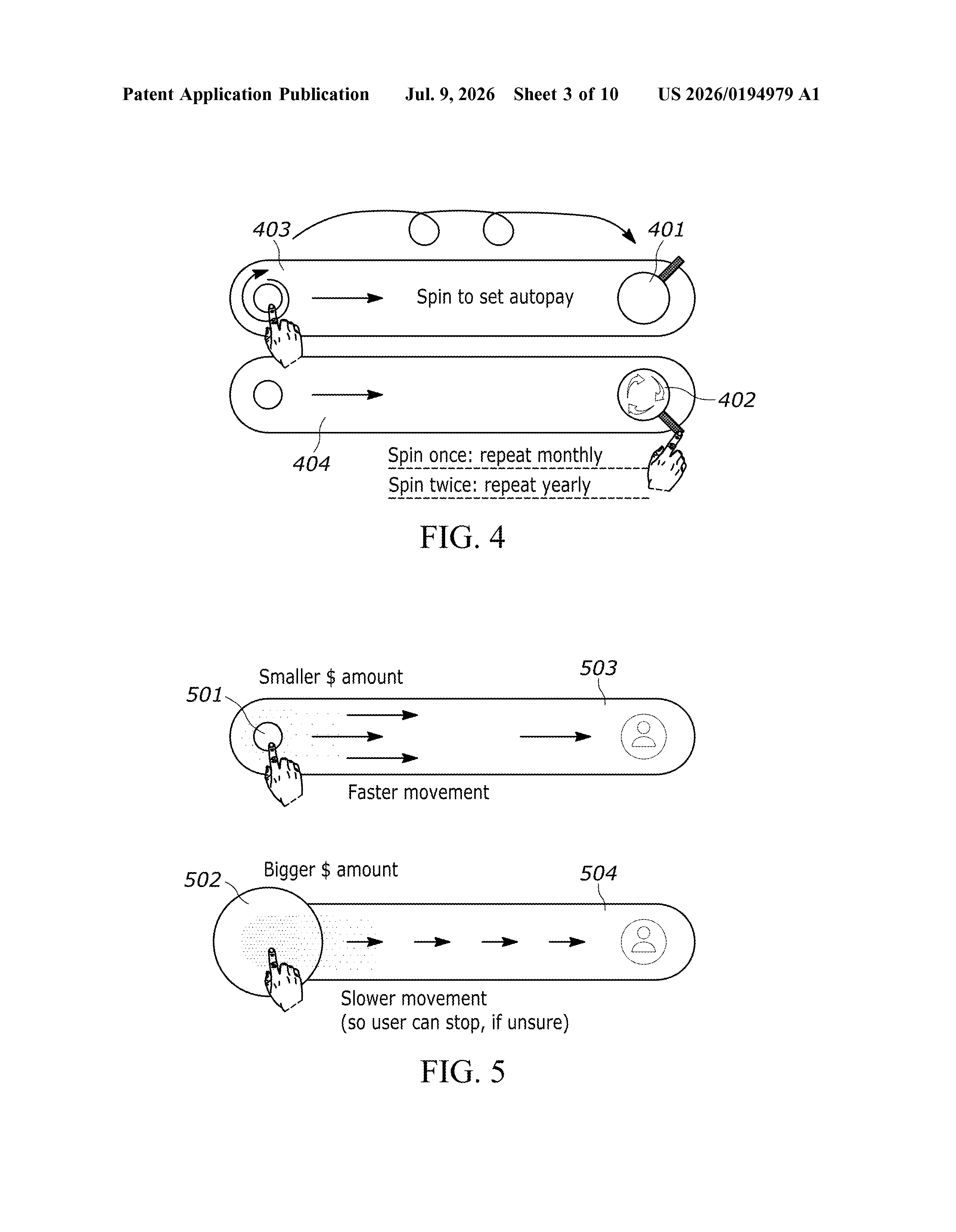
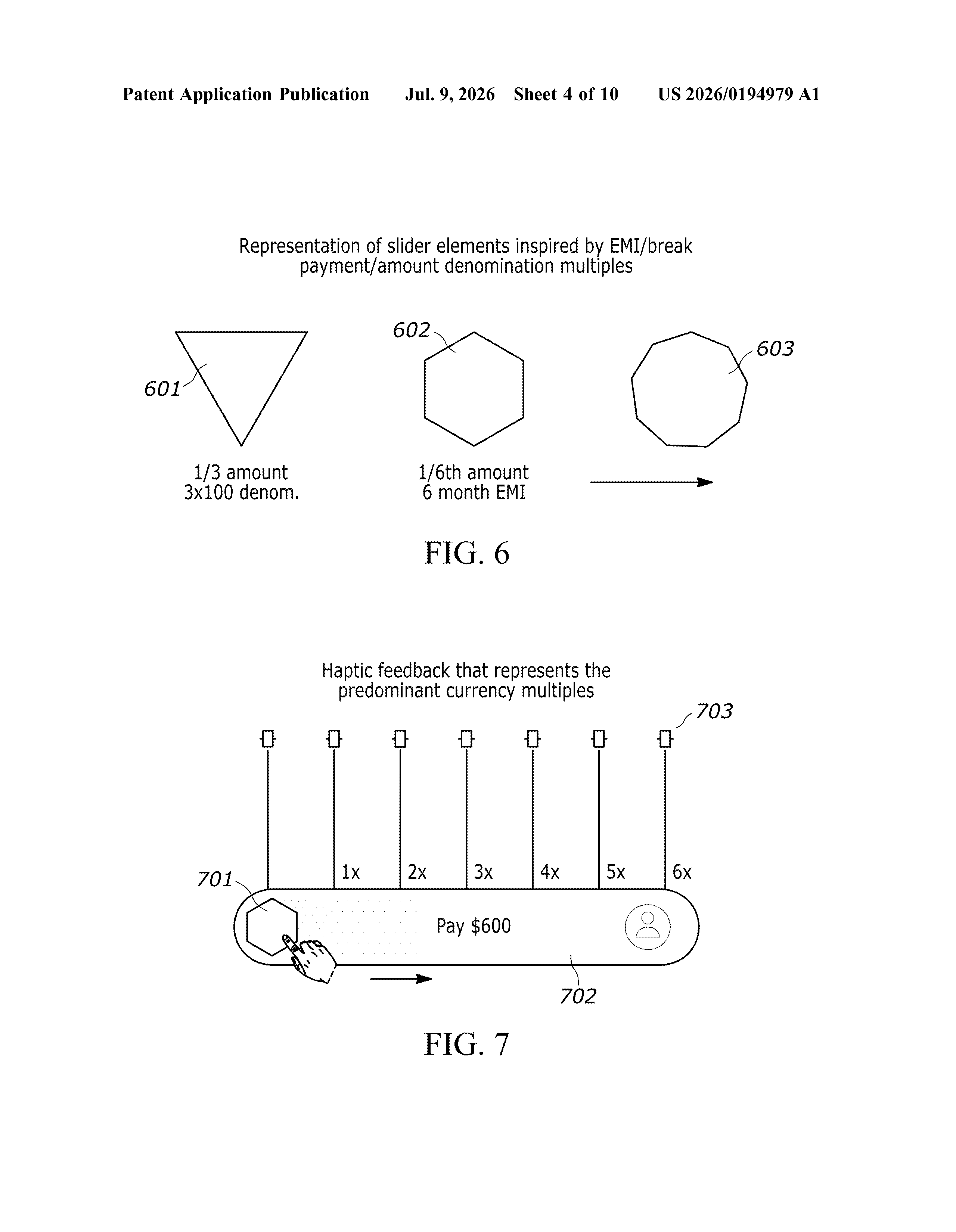
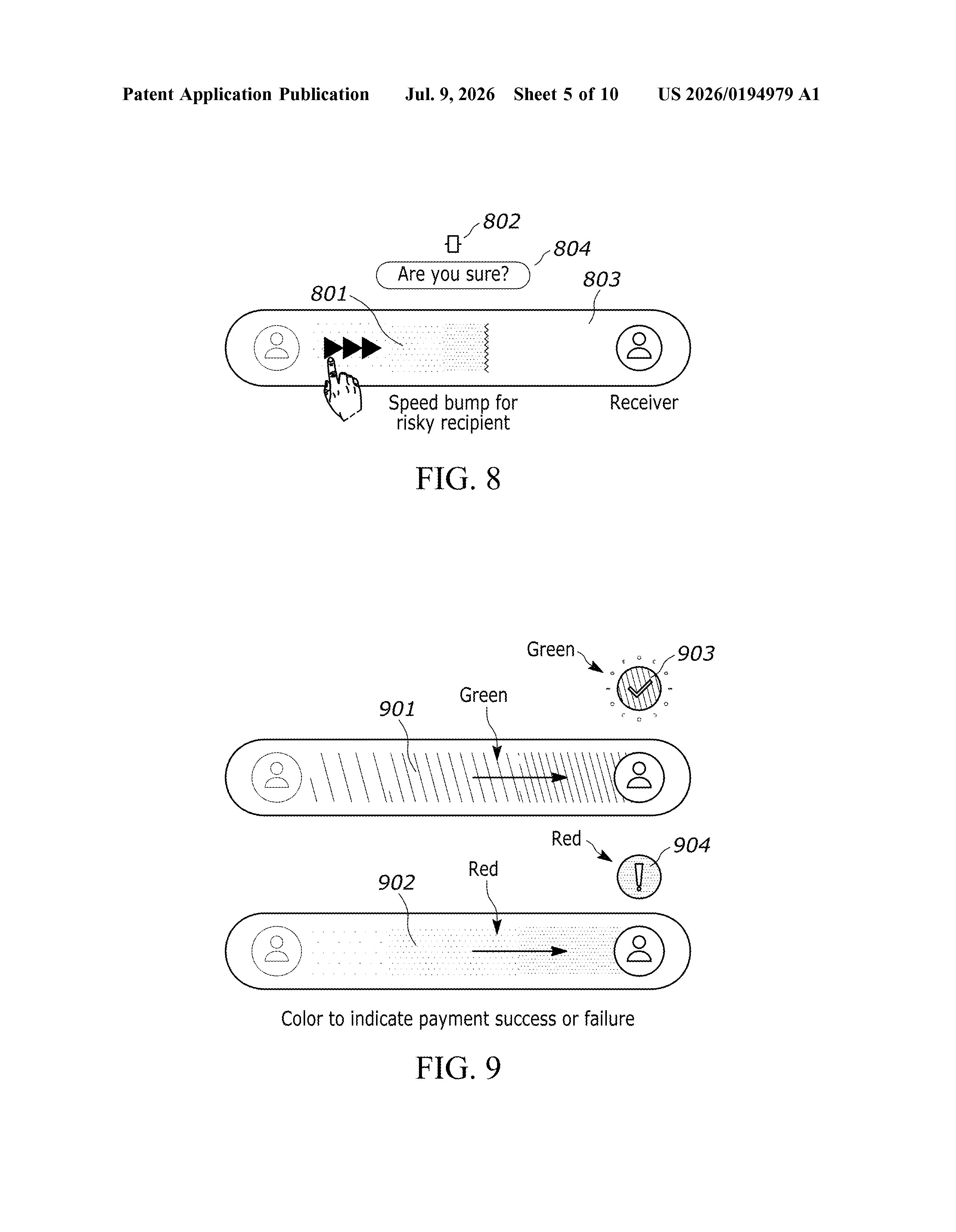
For Google Pay or any Google checkout surface, this kind of design detail could make high-value transactions feel more deliberate and less accidental. It also gives designers a tool to communicate transaction status, like progress or risk level, through the visual behavior of the slider itself as you drag it, rather than a static confirmation page after the fact.
This is a narrow, incremental UI patent covering something that any skilled mobile designer could probably implement this afternoon. It's not a technology breakthrough; it's Google staking a claim on a specific interaction pattern for payment confirmation screens. Worth a glance if you work in fintech UX, but easy to skip otherwise.
There are more where this came from
We read every patent application Big Tech publishes and send you the ones worth knowing. Plain English, free, every week.
The drawings
10 drawing sheets from US 2026/0194979 A1 · click any drawing to enlarge
Want this weekly breakdown for a company we don't cover? Patentlyze Pro →
Be the first to weigh in