
Google Patents a Physical Sound Deflector to Improve Earbud Noise Cancellation
Google is patenting a physical barrier — not software — to make active noise cancellation work better inside wearable earbuds. The idea is surprisingly mechanical for a company that usually reaches for algorithms first.
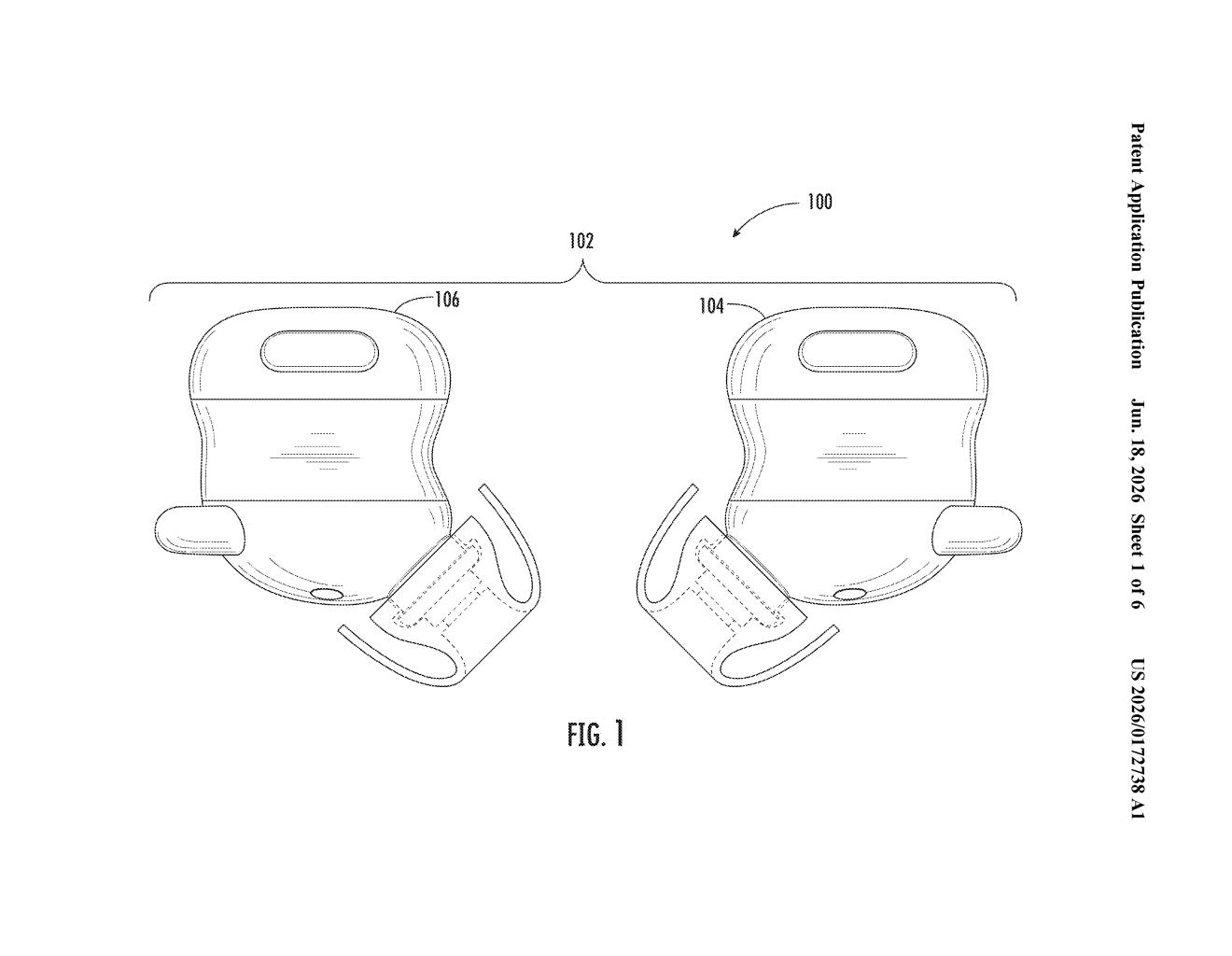
What Google's internal sound deflector actually does
Imagine your earbuds are trying to cancel outside noise, but the speaker and microphone inside the earbud keep interfering with each other. The mic picks up sound from the wrong direction, and the whole noise-canceling effect gets thrown off. That's a real engineering headache in tiny devices where everything is packed close together.
Google's patent describes a physical wedge or barrier — called an acoustic deflector — placed between the microphone and the speaker inside the earbud. Its job is to shape the path that sound travels between those two components so they work in harmony rather than against each other.
The deflector is tuned so that the distance sound travels from the mic to the speaker matches, in a useful way, the distance sound travels from the mic to a fixed reference point. Getting those two paths to line up means the noise-cancellation system can do its job more accurately — with hardware, not just software tricks.
How the acoustic deflector balances the two audio paths
Active noise cancellation (ANC) works by having a microphone pick up outside sound, then having the speaker play an inverted version of that sound to cancel it out. The tricky part: in a tiny earbud, the mic and speaker are extremely close together, and sound leaks between them in unpredictable ways.
Google's patent introduces an acoustic deflector — a physical structure placed between the microphone and speaker inside the earbud housing. The deflector shapes the first audio path, which is the route sound takes from the microphone's opening (called the port) to the speaker.
The key insight is that this first path is tuned relative to a second audio path — the distance from that same mic port to a fixed reference point (think of it as a calibration anchor). By making those two paths geometrically consistent, the system can predict and compensate for how sound behaves inside the earbud more reliably.
- The deflector is a passive, physical component — no extra processing chip needed
- It controls sound routing at the hardware level, before the ANC algorithm even runs
- The design applies to any wearable audio device with a sealed housing — earbuds, headsets, hearing aids
What this means for the next Pixel Buds
Most ANC improvements in recent years have come from better digital signal processing — faster chips, smarter algorithms. This patent takes a different angle: fix the physical sound environment first, so the software has cleaner data to work with. That's an older, more reliable engineering principle, and it can mean better noise cancellation without draining more battery on computation.
For Pixel Buds users, this could translate to ANC that holds up better in varied environments — wind, voices, machinery — rather than struggling when conditions change quickly. It also suggests Google is thinking carefully about the internal geometry of its next earbuds, not just the software stack running on them.
This is a solid, unglamorous engineering patent — the kind that quietly makes a product noticeably better without making headlines. Google's decision to use a physical deflector rather than leaning entirely on software is a pragmatic call: cleaner hardware inputs make ANC algorithms easier to tune. Worth watching if you follow the Pixel Buds line.
There are more where this came from
We read every patent application Big Tech publishes and send you the ones worth knowing. Plain English, free, every week.
Want this weekly breakdown for a company we don't cover? Patentlyze Pro →