
IBM Patent: Authorized Users Finish Running Work Before Access Gets Cut Off
When an IT team rotates a database password, it can abruptly kill whatever work is running inside that system. IBM's new patent describes a way to make that process less brutal, at least for the users who matter most.
What IBM's credential-change logout system actually does
Imagine your company's database team needs to change the master password in the middle of the workday. Right now, that kind of change can cut off anyone connected to the database instantly, including an analyst halfway through a report that took 20 minutes to start running.
IBM's patent describes a smarter logout process. When credentials change, the system checks what each connected user is doing. If you're idle, you get disconnected right away. But if you're actively running a query and you're on a list of trusted or high-priority users, the system lets you finish your work before it ends your session.
It's essentially a "finish what you're doing" grace period, but only for approved people. Everyone else gets the immediate boot. That keeps the security rotation on schedule while avoiding unnecessary disruption for the users whose work is most likely to be time-sensitive.
How IBM's system decides who gets cut off and who gets to finish
The patent covers a method for handling active database sessions when an authentication entity (think: a login credential, certificate, or access token) gets changed or rotated.
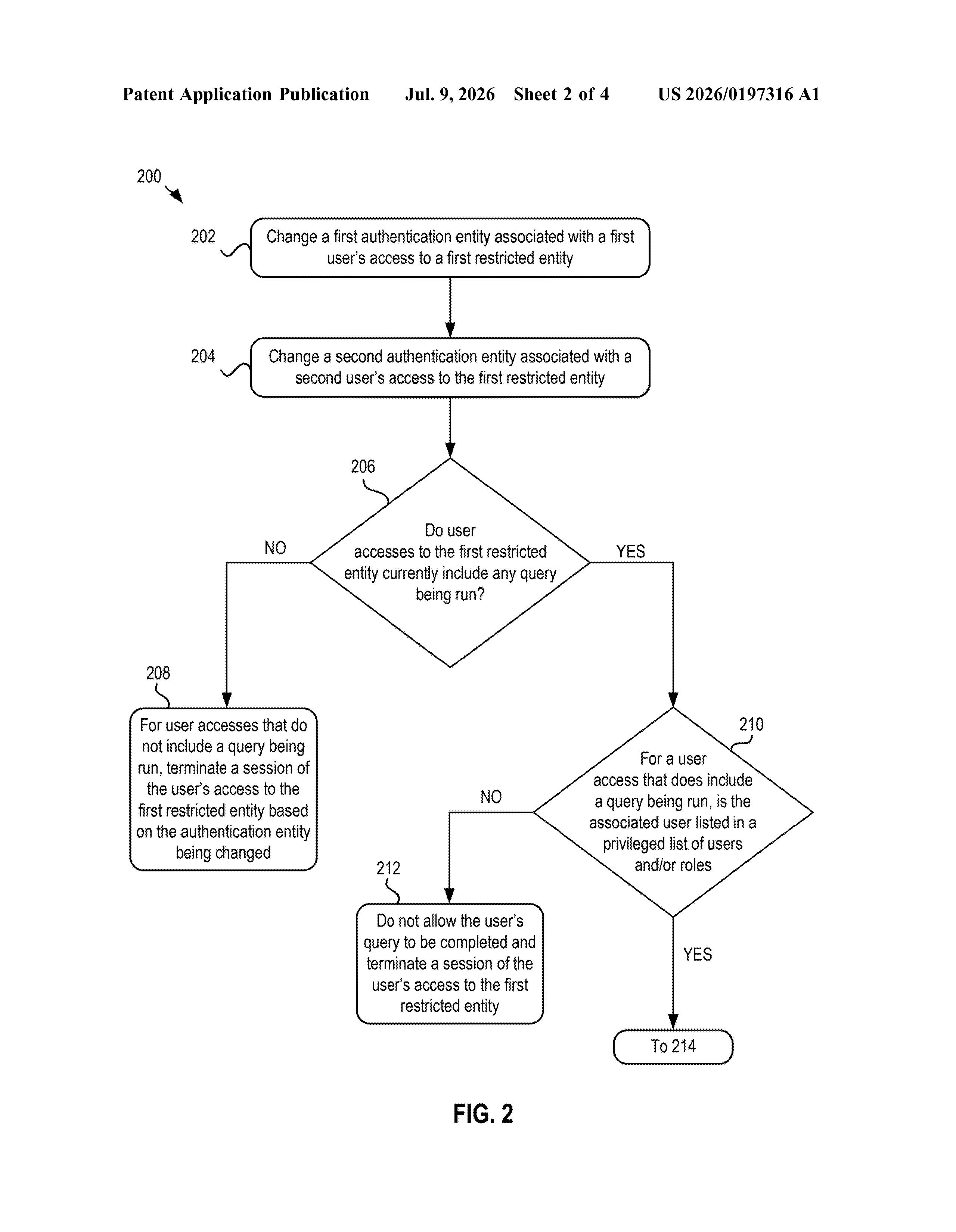
Here's how the decision tree works:
- Idle users get disconnected immediately when the credential change happens. No grace period, no exception.
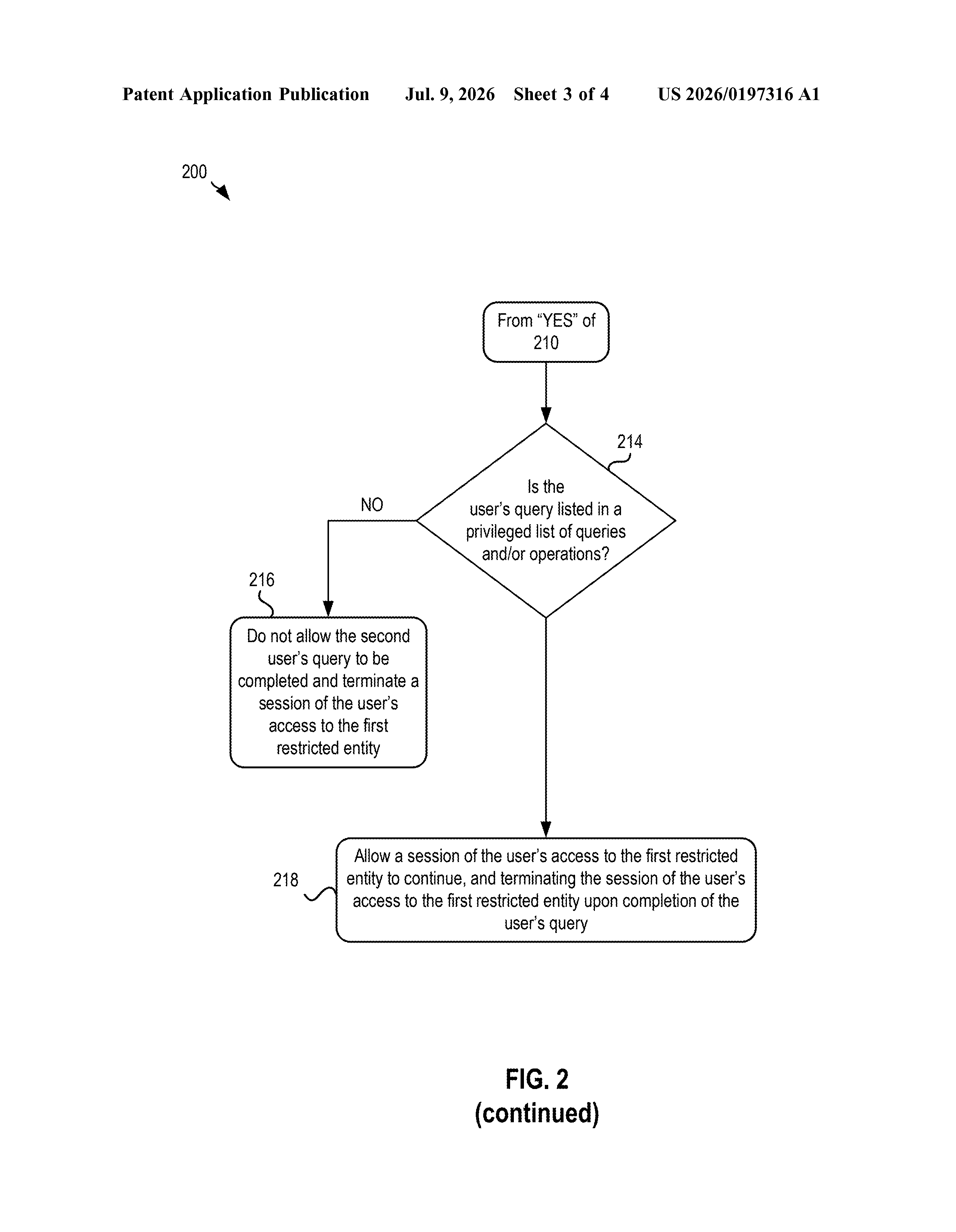
- Active users running a query trigger a second check: is this person listed in a privileged list of approved users or roles?
- If yes, their session is allowed to continue until the query completes, then it's terminated automatically.
- If no, the implication is that the session can be cut off like any other non-privileged connection.
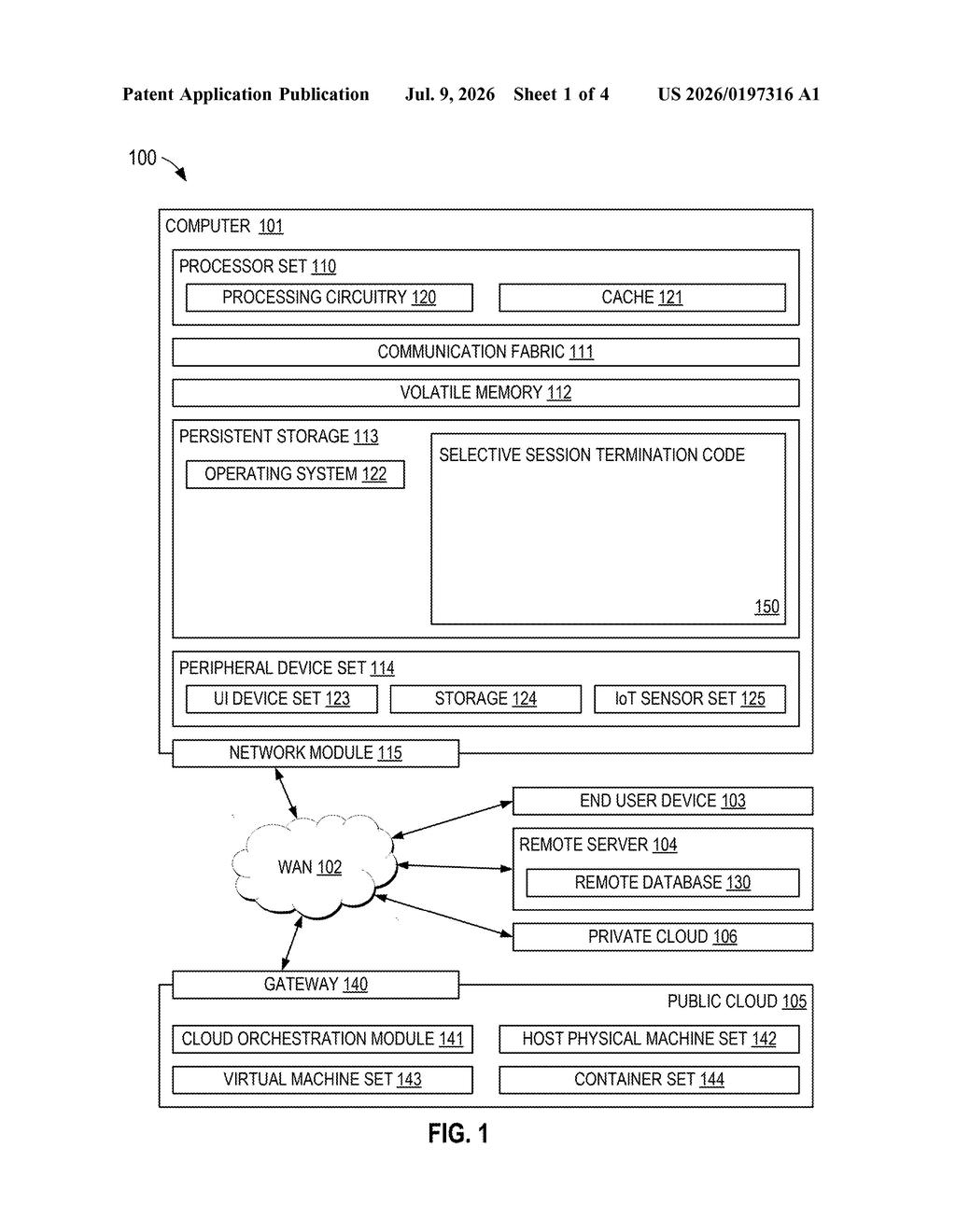
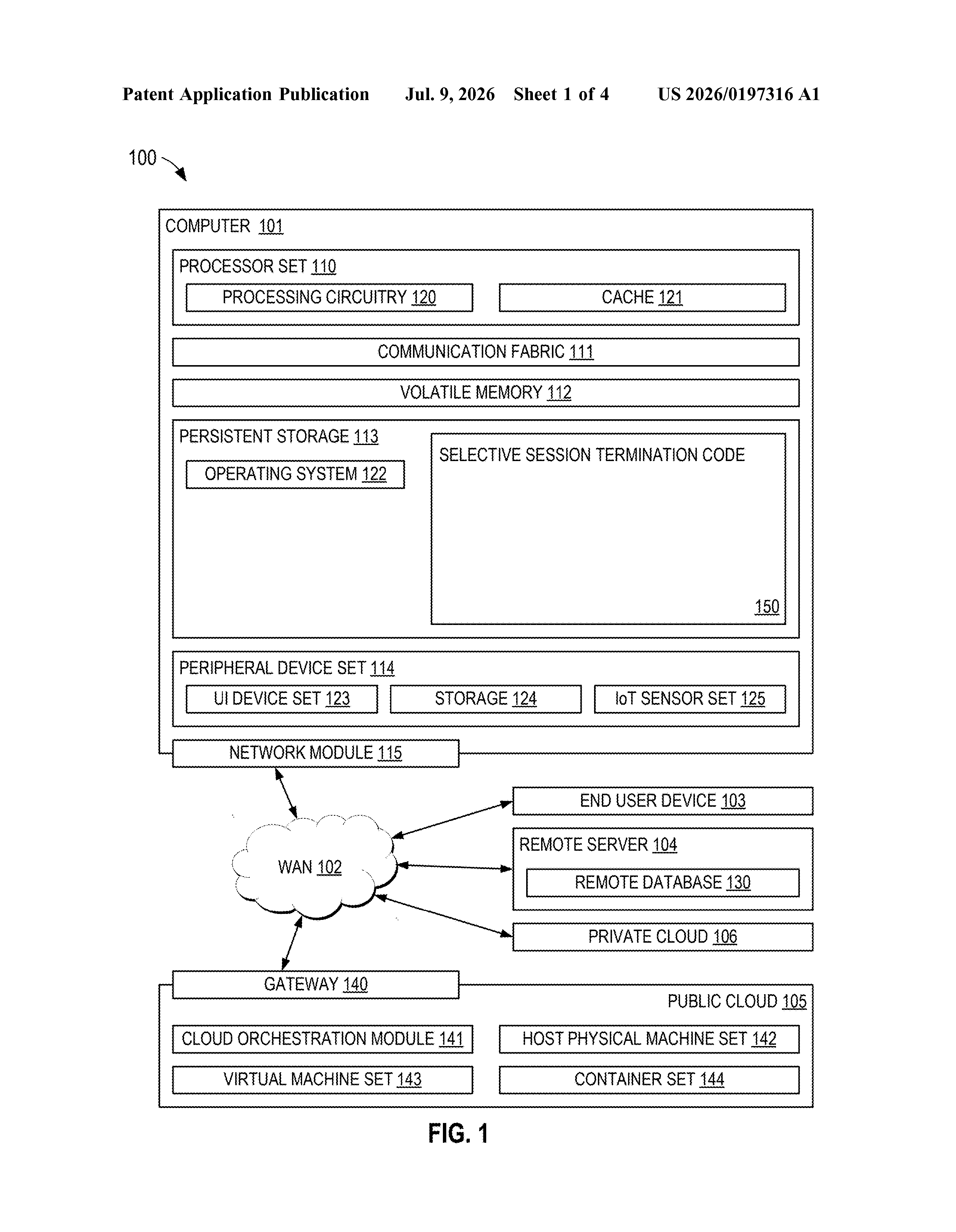
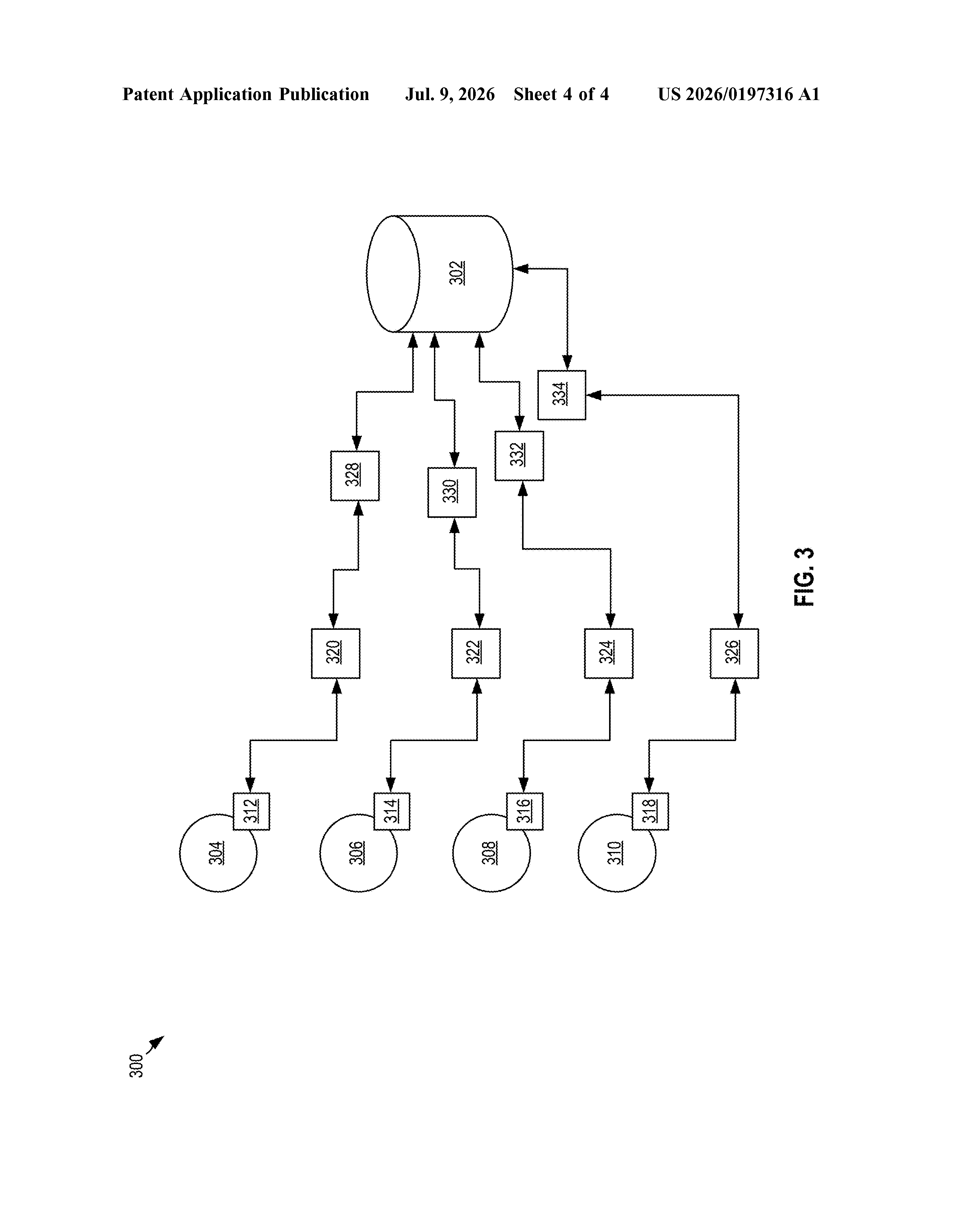
The system is designed to work across multiple users at once, each potentially in a different state (idle vs. Active) and a different permission tier. The restricted entity in the claim language is the protected resource being accessed, such as a database or data warehouse.
The key engineering idea is that credential rotation doesn't have to be all-or-nothing. The system separates the security event (changing the credential) from the user impact (ending the session), and inserts a policy check in between.
What this means for enterprise database security teams
Database credential rotation is a standard security practice, especially in regulated industries like finance and healthcare. The problem is that rotating credentials mid-operation has always required a trade-off: do it fast and risk breaking running jobs, or delay it and leave a window of exposure. IBM's approach tries to split the difference by building a user-tier-aware grace period directly into the termination logic.
For IT and database administrators, this kind of policy could reduce the need to schedule credential rotations in low-traffic windows (usually the middle of the night). For end users in privileged roles, it means less lost work. It's a narrow but genuinely useful fix for a pain point that enterprise teams deal with regularly.
This is unglamorous infrastructure work, but it solves a real and recurring headache in enterprise database management. The idea of tiering session termination by user role and activity state is simple enough that it's surprising it isn't already standard practice everywhere. IBM is likely positioning this for its Db2 and cloud data platform offerings.
There are more where this came from
We read every patent application Big Tech publishes and send you the ones worth knowing. Plain English, free, every week.
The drawings
4 drawing sheets from US 2026/0197316 A1 · click any drawing to enlarge
Want this weekly breakdown for a company we don't cover? Patentlyze Pro →