
IBM Patents a Meeting Scheduler That Handles Time Zones and Daylight Saving Automatically
Scheduling a meeting across time zones sounds simple until daylight saving time enters the picture and your 10 a.m. call lands in someone's inbox at the wrong hour. IBM has filed a patent for a scheduling system that tries to make that problem go away automatically.
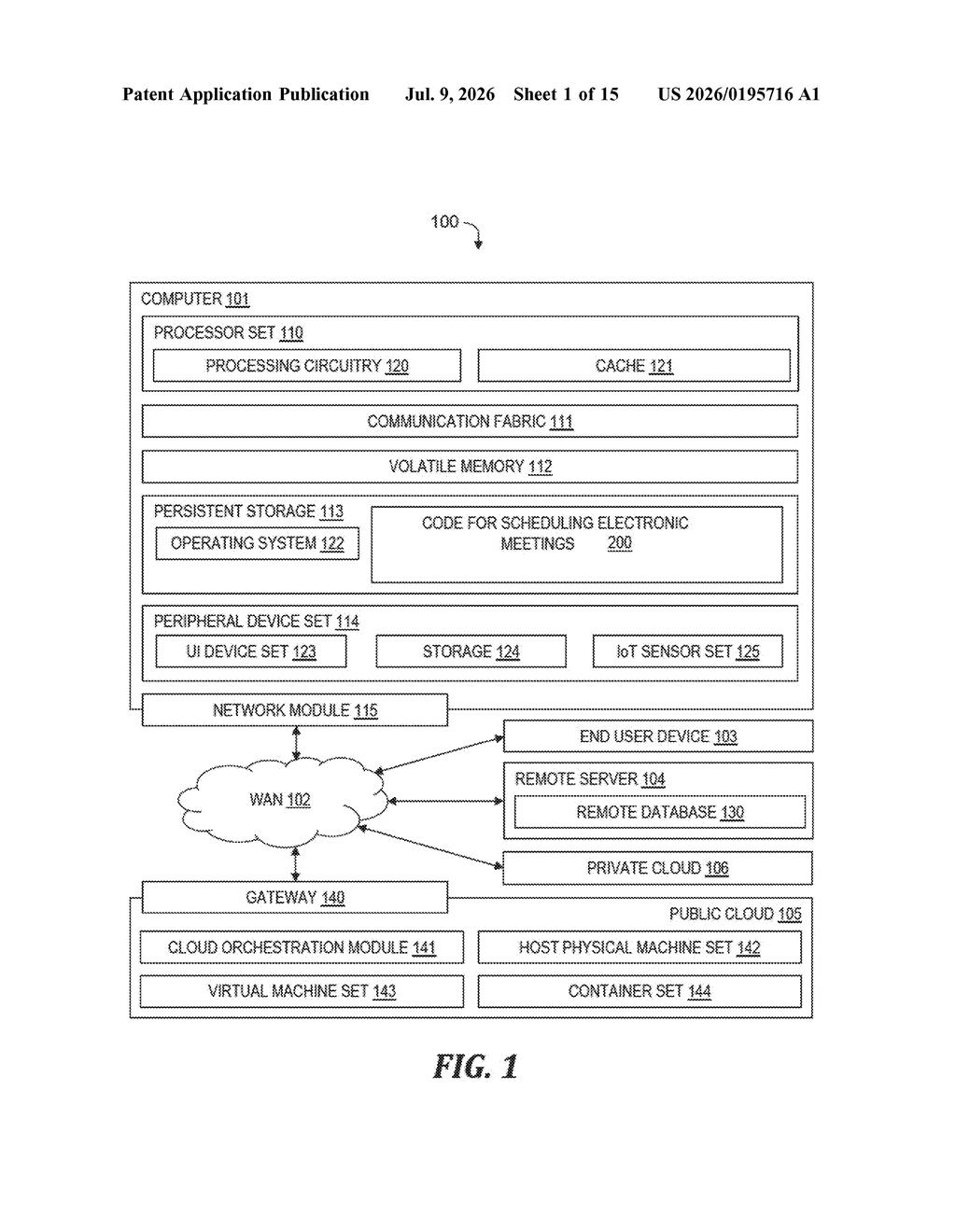
What IBM's time-zone meeting scheduler actually does
Imagine you're in Chicago trying to schedule a call with colleagues in London and Sydney. You pick a time, but then someone's calendar app gets the offset wrong because daylight saving time started last week in one country but not another. The meeting shows up at the wrong hour, and nobody notices until the call is missed.
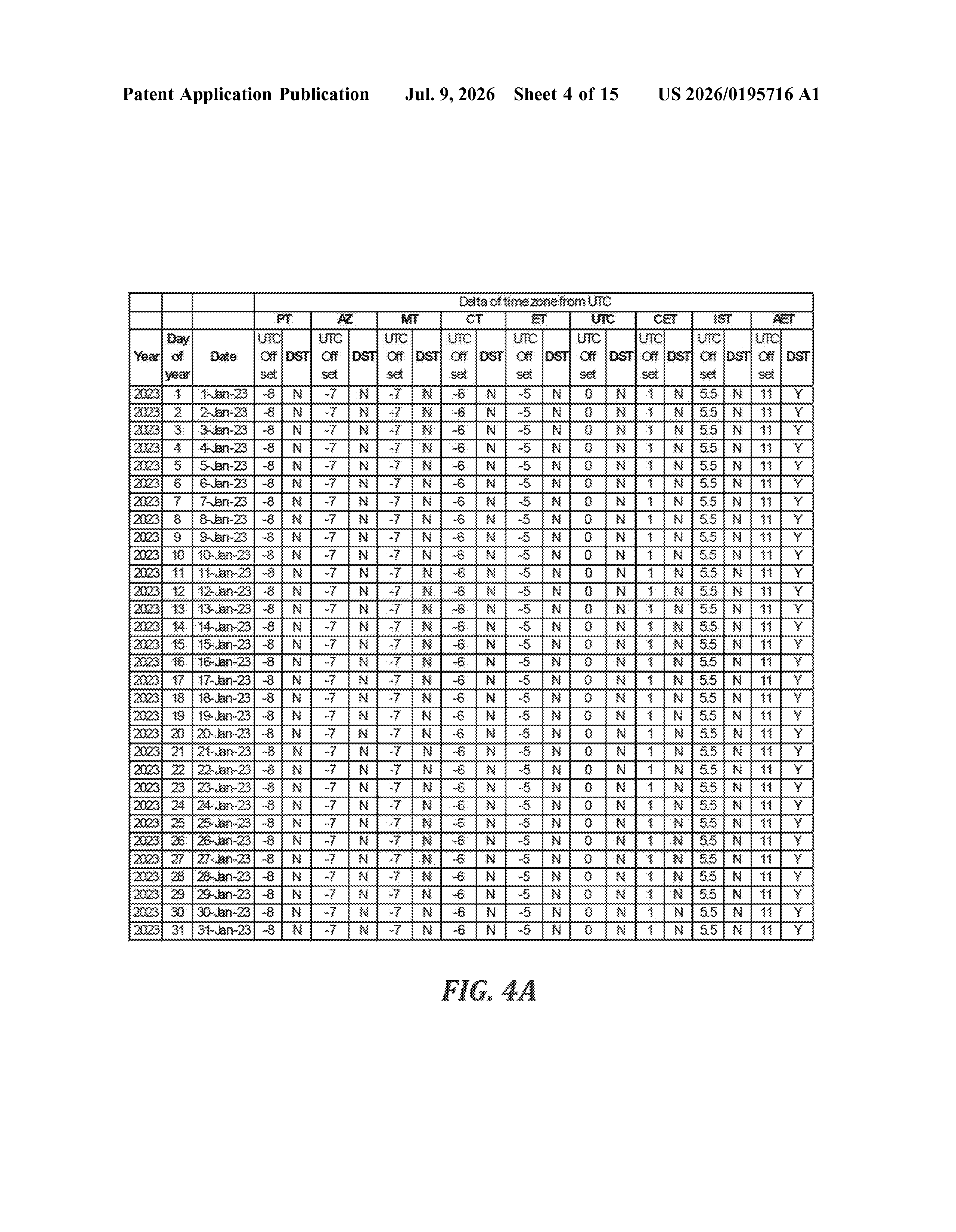
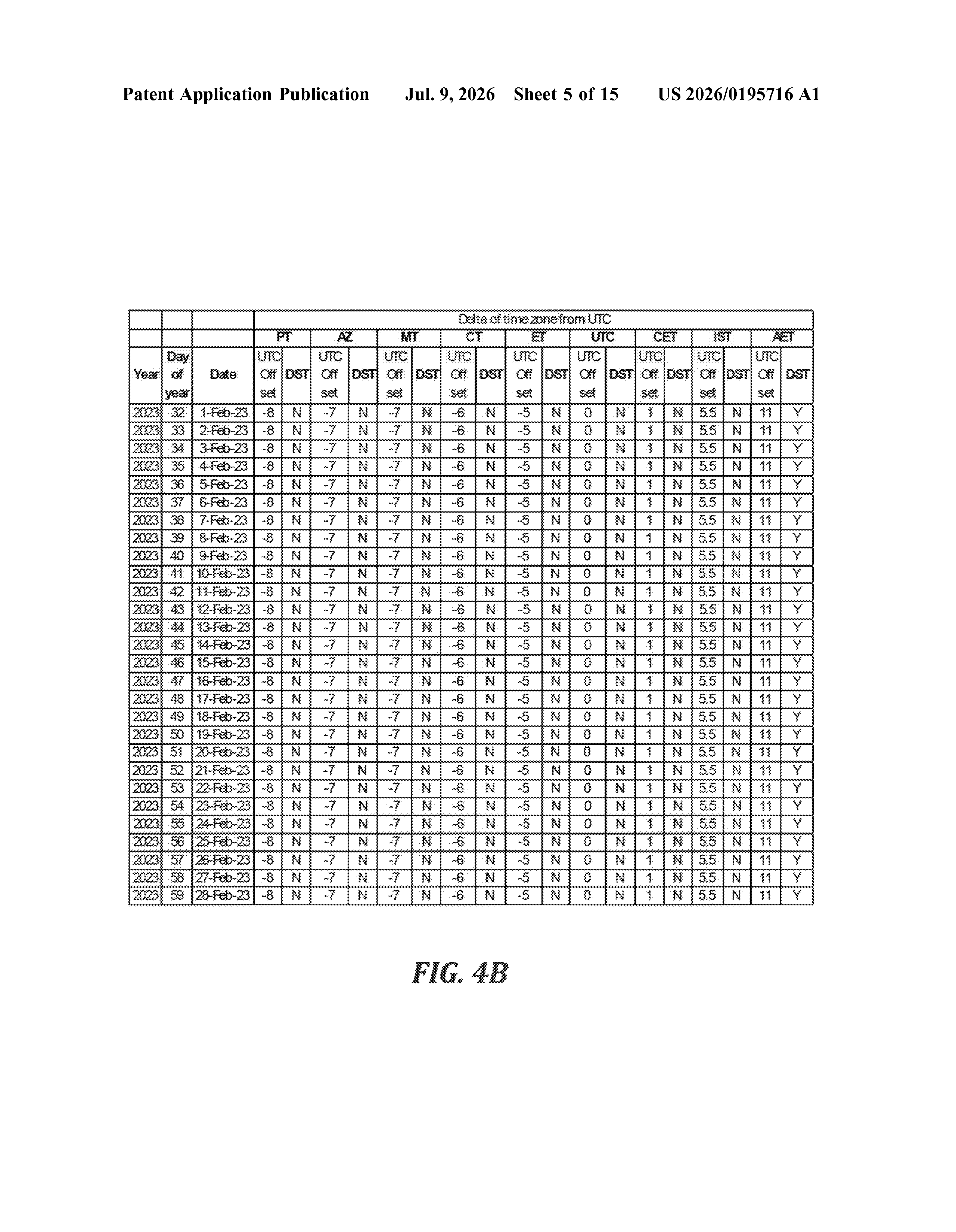
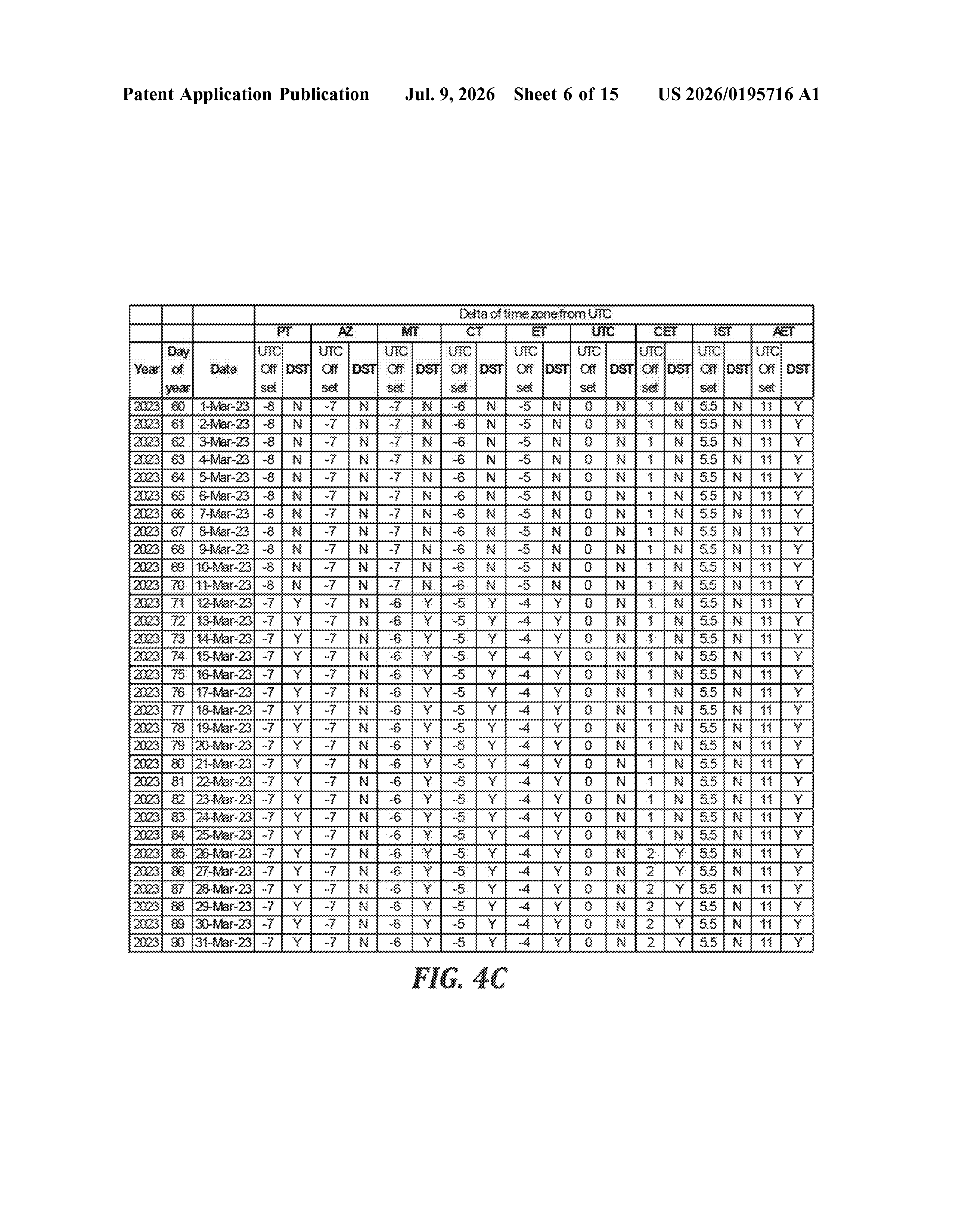
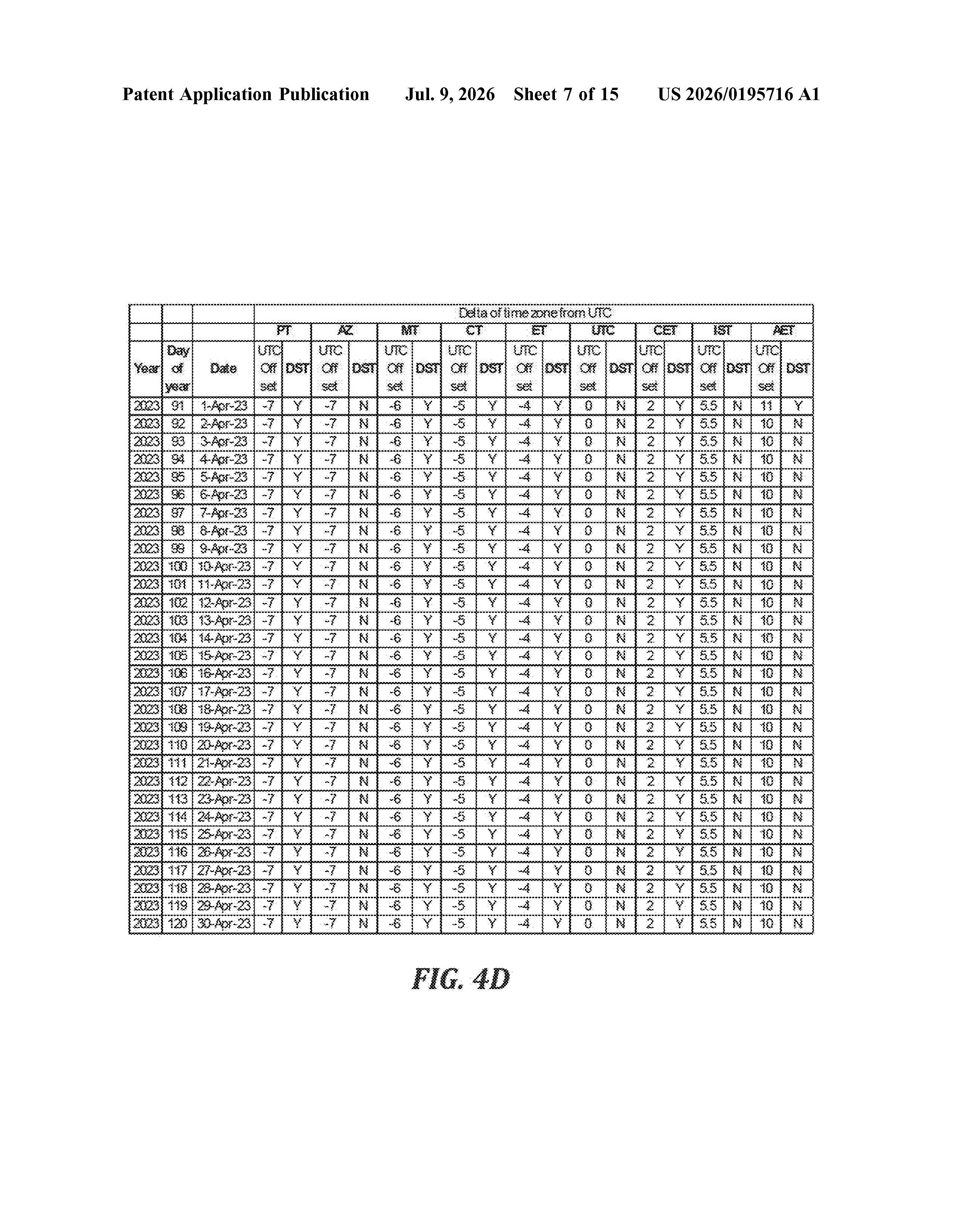
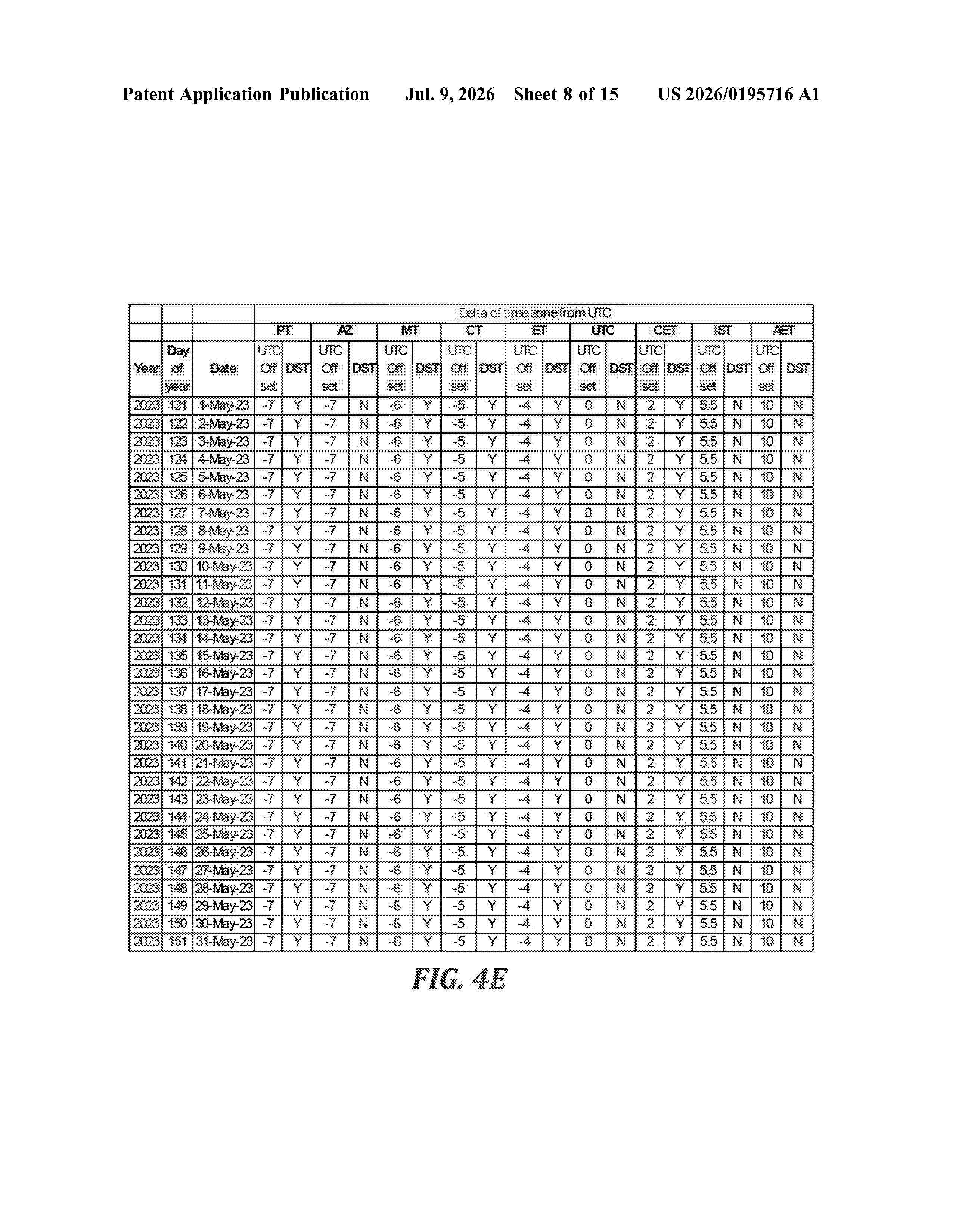
IBM's patent describes a scheduling system that keeps a table of every local time zone, with the exact offset from the global reference clock (called UTC) for every date of the year, including whether daylight saving time applies on that specific date. When you create a meeting, the system looks up both a primary and a secondary time zone and converts the start time correctly for each.
In short, the system does the math for you, accounting for the fact that daylight saving time doesn't start and end on the same date everywhere. It's a behind-the-scenes fix for a calendar problem that frustrates anyone who schedules meetings across regions regularly.
How IBM's time zone table calculates meeting start times
The patent describes a computer-implemented scheduling method built around a time zone table, a structured lookup that stores every local time zone alongside its offset from Coordinated Universal Time (UTC), which is the universal reference clock used across the internet.
What makes this table different from a simple offset list is that it is date-specific. For every date on record, the table records whether daylight saving time is in effect for each zone, meaning the offset can change from one day to the next without any manual update from the user.
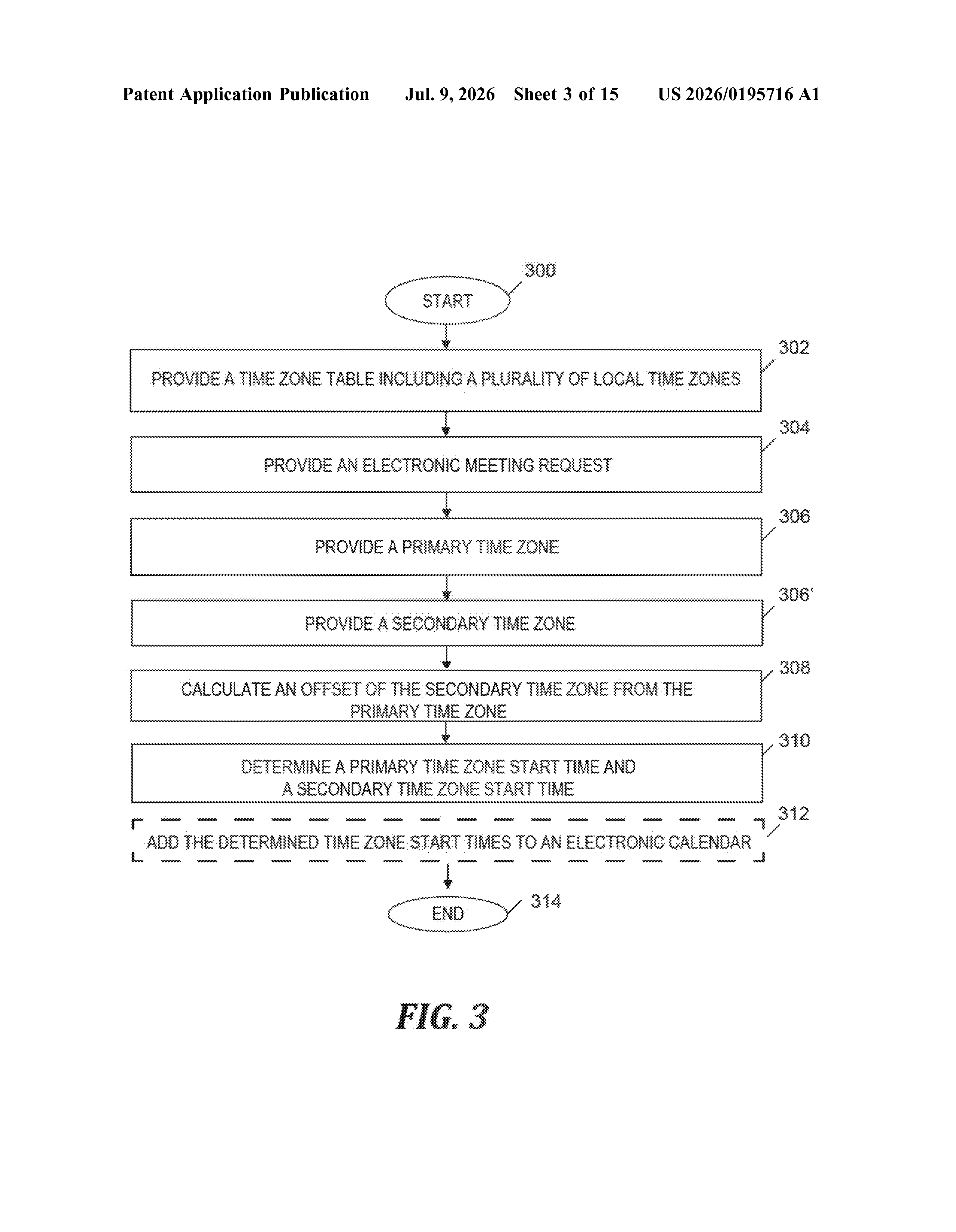
When a meeting request is created for a group of users with different calendars, the system does the following:
- Identifies a primary time zone (typically the organizer's local time)
- Identifies a secondary time zone (a different region's local time)
- Looks up the correct offset for the meeting date in the table for both zones
- Calculates and displays the correct local start time in each zone
The result is that calendar invites reflect the right local time for each participant without the organizer needing to know whether daylight saving is active in the other region on that particular date.
What this means for calendar software and remote teams
For anyone who regularly coordinates meetings across regions, a wrong time zone conversion is not a minor annoyance, it is a missed call or a derailed project. Calendar apps already attempt this kind of conversion, but edge cases around daylight saving transitions still cause errors in many enterprise systems, especially older groupware platforms.
IBM's core business includes enterprise software and IT consulting, so this patent fits squarely into their calendar and collaboration tooling portfolio. Whether it represents a genuine technical improvement over existing scheduling tools or mostly covers ground that products like Google Calendar and Microsoft Outlook already handle is an open question. The patent is narrow enough that it reads more like a defensive filing around a specific implementation than a broad claim on time zone scheduling itself.
This is a modest, narrowly scoped patent covering something most people assume their calendar app already gets right. IBM is likely filing this to protect a specific implementation inside an enterprise scheduling product rather than staking out new territory. It's not something to get excited about, but it's the kind of unglamorous infrastructure work that prevents real headaches in large organizations.
There are more where this came from
We read every patent application Big Tech publishes and send you the ones worth knowing. Plain English, free, every week.
The drawings
15 drawing sheets from US 2026/0195716 A1 · click any drawing to enlarge
Want this weekly breakdown for a company we don't cover? Patentlyze Pro →
Be the first to weigh in