
Qualcomm Patents a Fix for the Flicker That Ruins High-Contrast Phone Photos
HDR photos look great in theory — but artificial lighting can sneak in a subtle flicker that makes merged shots look patchy or wrong. Qualcomm's new patent targets that exact problem at the chip level, before the damage is done.
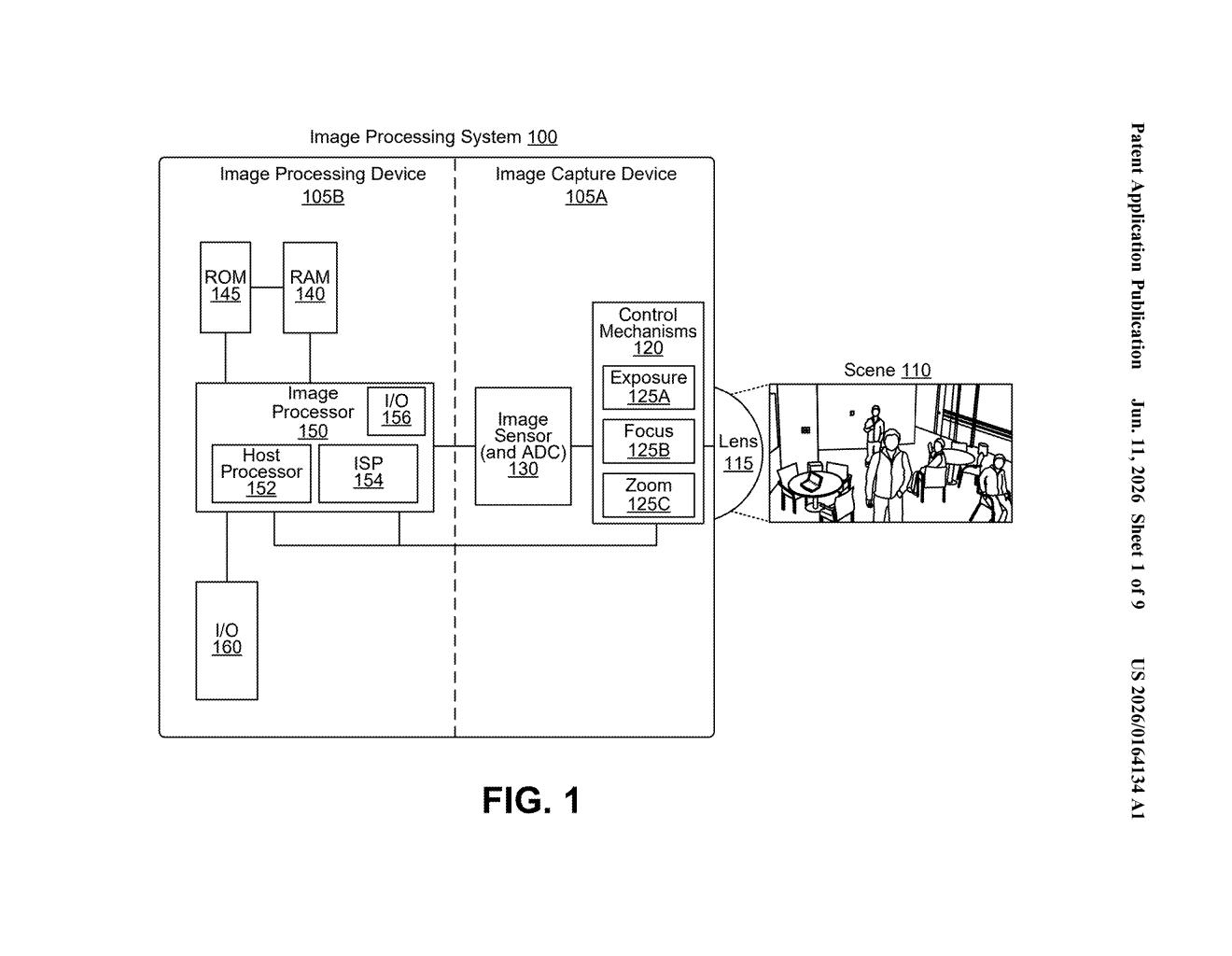
What Qualcomm's HDR flicker fix actually does
Imagine you're taking a photo under office fluorescent lights or a stadium scoreboard. Your phone's HDR mode secretly snaps two photos in quick succession — one darker, one brighter — then blends them into a single image with great detail in both shadows and highlights. The problem: artificial lights flicker faster than your eye can see, so those two shots can catch the light at different moments. The result is a blended photo with strange patches or uneven brightness that looks "off" even if you can't pinpoint why.
Qualcomm's patent describes a system that compares the two photos before blending them. It builds a map showing how the brightness of every region in the darker photo relates to the brighter one. Where the numbers don't match what you'd expect — a sign that flicker got in — the system quietly adjusts the darker photo's pixels in those spots to compensate.
The corrected photos are then merged normally. The goal is a final HDR image that looks consistent and natural, even in the tricky indoor lighting conditions where flicker has traditionally been a headache for camera systems.
How the pixel-ratio map catches mismatched frames
High Dynamic Range (HDR) imaging works by combining a short-exposure shot (which captures bright areas without blowing them out) with a long-exposure shot (which captures shadow detail). The challenge is that electric lighting — fluorescent tubes, LED panels, stadium lights — doesn't actually stay steady. It cycles on and off dozens or hundreds of times per second, in sync with the AC power grid. If the two HDR frames are captured at different points in that cycle, the lighting intensity will differ between them in ways that have nothing to do with the scene itself.
Qualcomm's patent addresses this by inserting a flicker-detection step between capture and blend. The processor generates a ratio map — essentially a per-pixel comparison of how much brighter the long-exposure frame is than the short-exposure one. In a stable, flicker-free scene, that ratio should be fairly uniform across similar regions. Where it drops below a set threshold, the system flags those pixels as flicker-affected.
Once the affected regions are identified, the patent describes modifying the short-exposure image's pixels in those zones — adjusting their values to be consistent with what the long-exposure frame recorded. The corrected short-exposure image is then passed into the normal HDR merge pipeline:
- Two frames captured at different exposures
- A ratio map generated to find flicker-corrupted zones
- Pixel values in the short-exposure frame corrected in flagged regions
- Both images blended into a final HDR output
This correction happens on-device, inside the image signal processor (ISP) — the dedicated chip that handles all camera math in real time.
What this means for HDR cameras in everyday shooting
For phone makers and chipset customers, flicker in HDR video and photos has been a persistent complaint that's hard to fully solve in software after the fact. By handling it at the pixel-comparison stage — before the two frames are merged — Qualcomm's approach targets the root cause rather than trying to smooth over the damage afterward. If this ends up in a Snapdragon ISP, it would apply to every device that uses those chips, covering a huge swath of Android flagships.
For you as a user, the practical upside is HDR shots that look right indoors — at concerts, in offices, under stadium lights — without the patchy or washed-out look that flicker can introduce. It's the kind of fix that's invisible when it works, and that's exactly the point.
This is solid, focused engineering work on a real problem that affects everyday phone photography — not a moonshot feature. Flicker artifacts in HDR are a genuine pain point, and solving it in the image pipeline rather than relying on post-processing heuristics is the right instinct. It's not the kind of patent that makes headlines at a product launch, but it's the type of foundational ISP improvement that quietly separates good cameras from great ones.
There are more where this came from
We read every patent application Big Tech publishes and send you the ones worth knowing. Plain English, free, every week.
Want this weekly breakdown for a company we don't cover? Patentlyze Pro →