
Qualcomm's New Patent Teaches Cameras to Focus Using Their Own HDR Data
Autofocus struggles most when the light in a scene is all over the place — one patch too bright, another too dark. Qualcomm's new patent wants the camera to consult its own HDR data before even deciding which exposure to trust for focus.
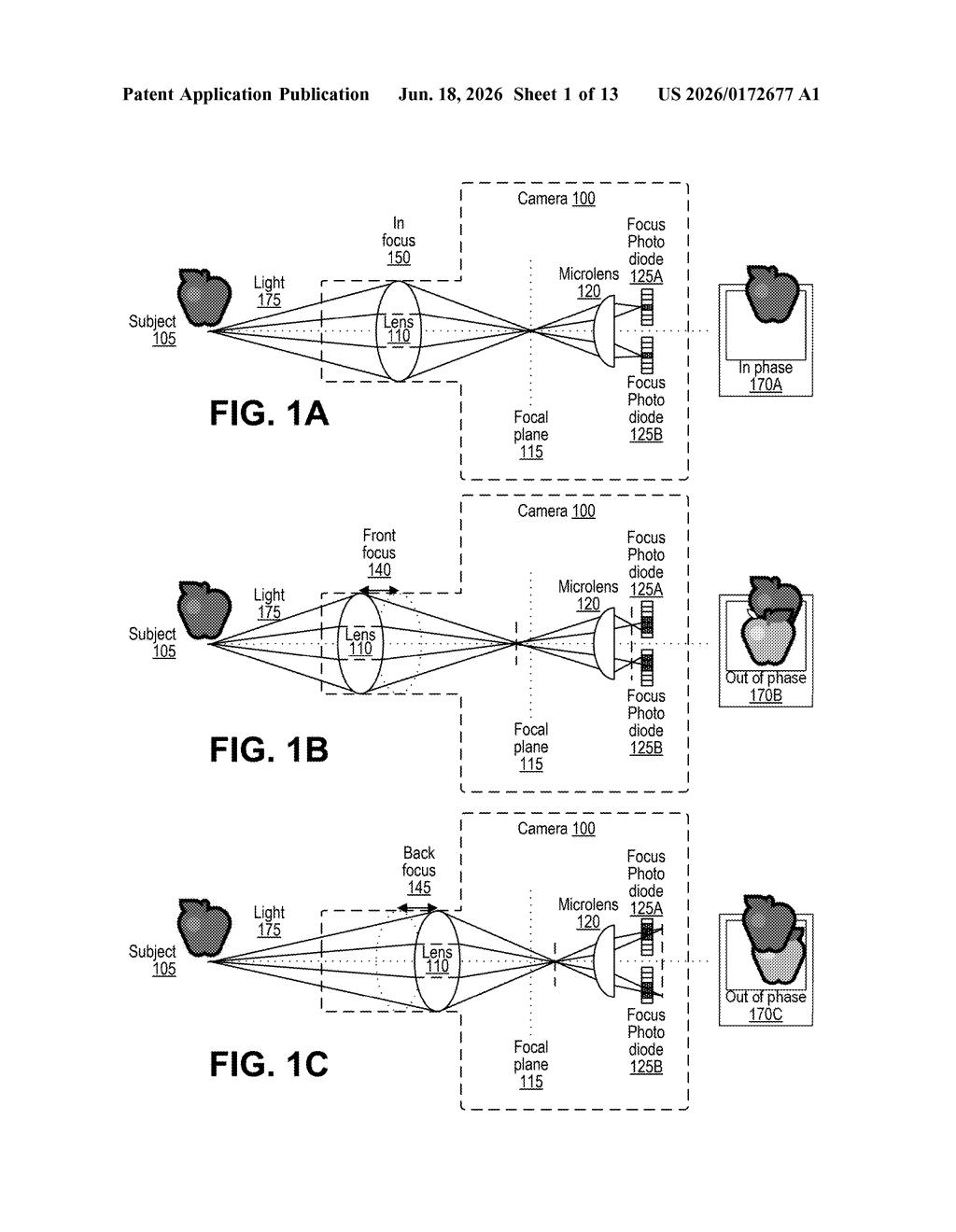
How Qualcomm's HDR autofocus trick actually works
Imagine you're photographing someone standing in front of a sunny window. The background is blown out and the person's face is in shadow — your phone's camera captures several quick shots at different brightness levels to handle that range. But when it tries to focus, it has to pick one of those shots to judge sharpness from. Pick the wrong one and the focus locks onto noise or washed-out highlights.
Qualcomm's patent describes a system that looks at the HDR map — a guide the camera already builds to blend those differently-exposed shots into one nice-looking photo — and uses it to decide which exposure gives the cleanest focus signal for each part of the frame.
Instead of guessing or defaulting to one exposure for everything, the camera can intelligently route its autofocus to the exposure that actually captured useful detail in the area you care about. The goal is sharper focus, faster, in the kinds of mixed-light situations that trip up cameras most often.
How the HDR map picks the right exposure for focus
Modern smartphone cameras routinely capture multiple exposures in quick succession — one for bright areas, one for shadows, sometimes more — and then blend them into a High Dynamic Range (HDR) image. The blending is guided by an HDR map, which is essentially a per-pixel scorecard that says how much each exposure should count toward the final image in each part of the frame.
Qualcomm's patent proposes reusing that HDR map for a second job: autofocus. Most autofocus systems rely on phase detection pixels (PD pixels) — tiny paired sensors embedded in the camera array that measure how out-of-phase two halves of an image are, which tells the lens how far and in which direction to shift. But PD pixel data is only reliable if the exposure it came from actually captured usable detail in the area being focused on.
The patented system works like this:
- The camera captures several images at different exposures.
- It generates an HDR map showing which exposure is most reliable for each part of the scene.
- It reads that map to select the PD pixel data stream — the focus signal — from the exposure best suited to the target region.
- It uses that selected data to calculate where to move the lens for the next captured frame.
The approach is about using information the camera already has, rather than adding new hardware.
What this means for phone cameras in tricky lighting
Autofocus failures in high-contrast scenes — backlit portraits, sunsets, indoor-outdoor framing — are one of the most common complaints about phone cameras. Current autofocus often uses a single exposure for its focus calculation, which means it can be working from overexposed or underexposed data right when precision matters most. Qualcomm's approach could make focus more reliable exactly where it currently falls apart.
Because Qualcomm supplies camera processing chips to a wide range of Android phone makers, an improvement at the chip level can show up across many devices without individual manufacturers having to redesign anything. This is the kind of under-the-hood fix that users never see described in a spec sheet but might notice the first time a tricky shot snaps into focus that previously wouldn't have.
This is a practical, well-scoped idea — not a moonshot. Reusing HDR map data to steer autofocus is the kind of incremental engineering that actually ships and makes a real difference in everyday photography. It won't transform cameras overnight, but it directly attacks a genuine pain point, and coming from Qualcomm it has a clear path to production hardware.
There are more where this came from
We read every patent application Big Tech publishes and send you the ones worth knowing. Plain English, free, every week.
Want this weekly breakdown for a company we don't cover? Patentlyze Pro →