
Samsung Patents a Camera Trick That Sharpens Only the Part of the Photo That Matters
Instead of wasting processing power sharpening an entire photo, Samsung's new patent describes a camera that takes a quick low-resolution look at the whole scene, finds the important part, and then renders only that region at full quality.
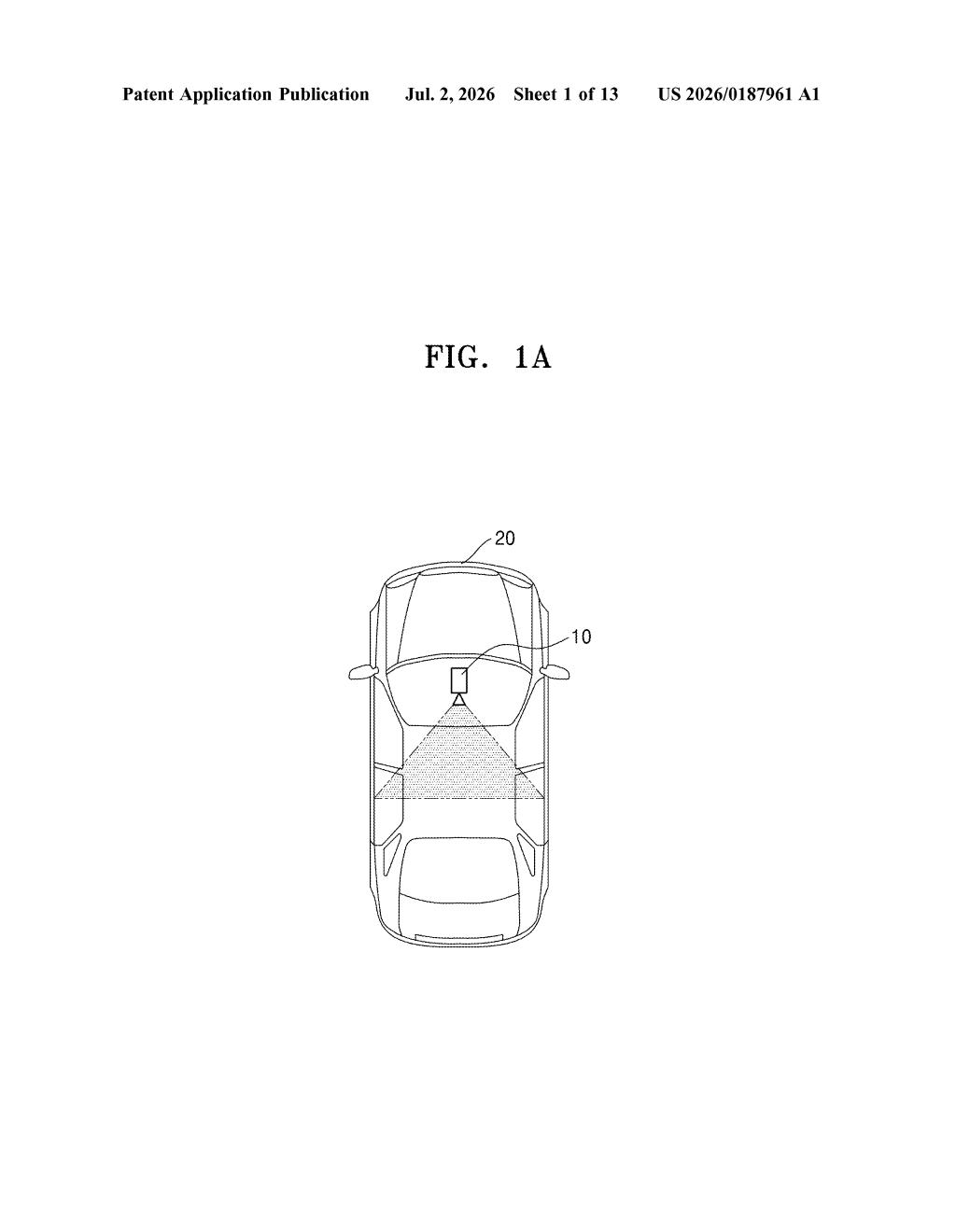
How Samsung's selective sharpening camera works
Imagine you take a portrait photo. Most of the background is just blurry sky and pavement, but your friend's face in the center is what actually matters. Your phone's camera currently has to process the entire frame at high quality, even the parts you'll never care about.
Samsung's patent describes a smarter workflow. The camera sensor first produces a quick, lower-resolution version of the whole scene. Software scans that preview to find the region of interest, basically the subject your camera should focus on. Then the sensor goes back to the raw pixel data and renders only that region at the highest possible resolution.
The sensor itself contains four types of subpixels: red, green, blue, and infrared. That infrared channel is especially useful in low-light situations, where it can help the system accurately find and isolate a subject even when visible light is dim. The result is a sharper subject without spending extra processing time on the parts of the frame that don't matter.
How the sensor spots, then re-renders, the key region
The patent describes a two-pass image pipeline built into the camera sensor and the image processing chip behind it.
Pass one (the scout pass): The sensor outputs what the patent calls first intermediate data or third intermediate data. These are lower-fidelity reads of the pixel array, used to generate a first image at a reduced resolution. This is essentially a fast preview the system uses purely for analysis, not for the final photo.
Region detection: Software analyzes that low-resolution preview to extract location information for the region of interest (the part of the scene worth sharpening). This is the step where the camera decides what matters.
Pass two (the high-res render): Armed with that location map, the system goes back to second intermediate data from the same pixel array and generates a second image at a higher resolution, targeted at just that region.
The pixel array itself includes four subpixel types:
- Red, green, and blue subpixels for standard color information
- Infrared subpixels for light outside the visible spectrum, which helps with subject detection in dark or challenging lighting
By separating the "find the subject" pass from the "render the subject" pass, the pipeline avoids processing the entire frame at maximum quality when most of it won't appear in the final output.
What this means for Samsung's next camera phones
For Samsung's Galaxy camera lineup, this kind of selective processing could mean faster shot-to-shot speeds and less heat generated per photo, since the most expensive rendering work is focused on a smaller area. That matters especially in video or burst-shooting scenarios where the processor is under sustained load.
The inclusion of infrared subpixels in the same sensor array is the more interesting detail. Most phone cameras use separate depth or infrared sensors for subject detection. Baking infrared capture directly into the main pixel grid suggests Samsung may be working toward a single, unified sensor that handles both subject isolation and color capture without additional hardware.
This is a focused, practical patent, not a moonshot. The two-pass pipeline idea is straightforward engineering, but the embedded infrared subpixels are worth paying attention to as a signal that Samsung wants to consolidate what currently requires multiple sensors into one. If it ships in a Galaxy S or Z device, you'd feel it as better low-light portraits, not as some visible new feature.
Get our take in your Top Stories
Liked this breakdown? Add Patentlyze as a preferred source on Google, and our plain-English take shows up more often in your Top Stories the next time Samsung patent news breaks.
There are more where this came from
We read every patent application Big Tech publishes and send you the ones worth knowing. Plain English, free, every week.
Want this weekly breakdown for a company we don't cover? Patentlyze Pro →