
Samsung Patents Tech That Lets Phones Find Nearby Devices on Two Separate Wireless Networks Simultaneously
Your phone already searches for nearby devices, but two popular Wi-Fi discovery methods don't naturally speak to each other. Samsung wants one scan to cover both at the same time.
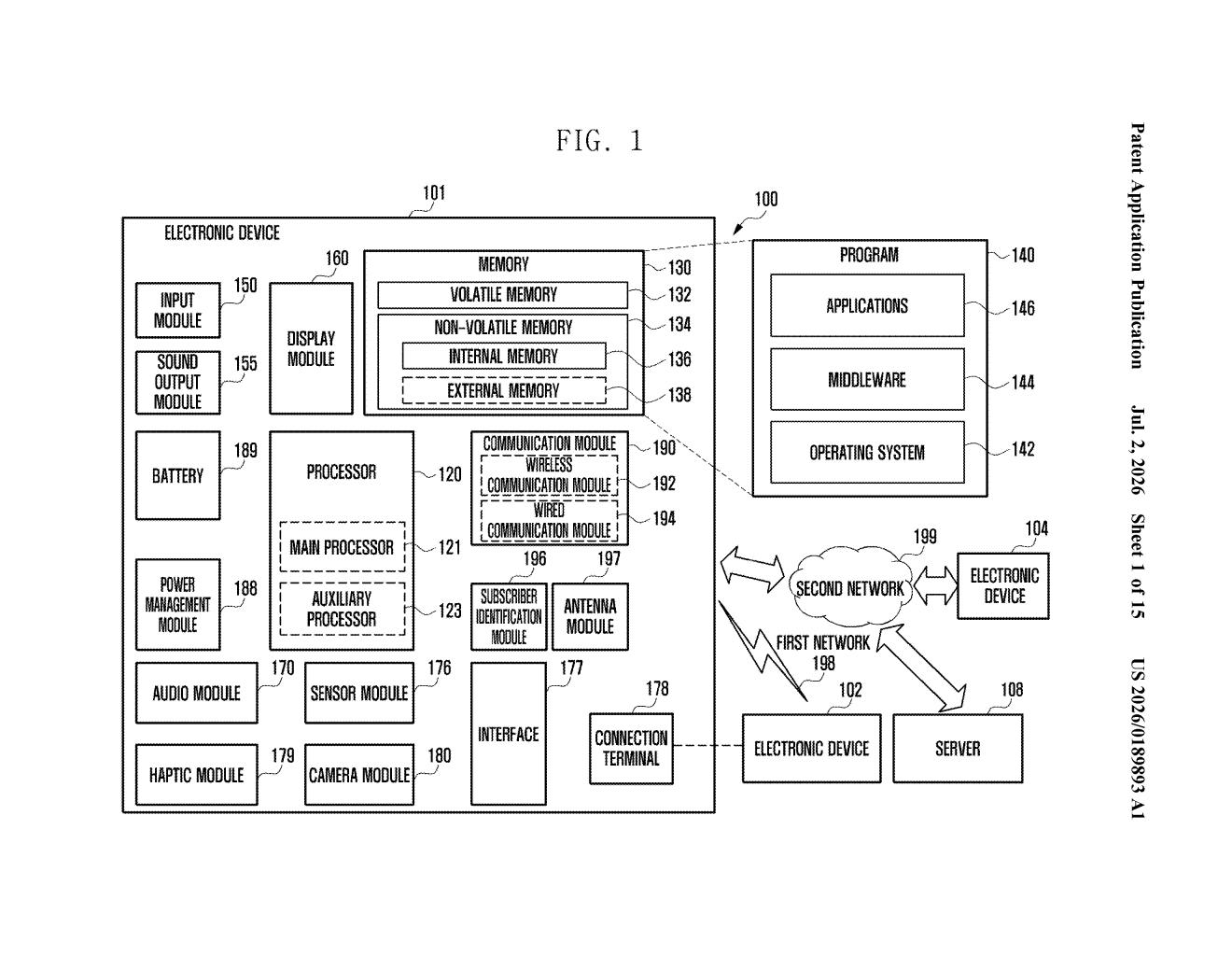
What Samsung's dual device-discovery system actually does
Imagine your phone trying to find nearby gadgets, like a speaker, a tablet, or a friend's phone, to share a file or start a connection. Right now, different devices use different "dialects" to announce themselves over Wi-Fi, and your phone may need to search for each one separately.
Samsung's patent describes a system where a single device can scan for two types of nearby gadgets at the same time, using a shared schedule so the searches don't get in each other's way. One type uses a standard called NAN (a Wi-Fi method designed specifically for device discovery), and the other uses a more common peer-to-peer Wi-Fi method.
The clever part is that the phone uses the same radio channels for both searches wherever it can, reducing the back-and-forth. The result is that your device finds compatible gadgets nearby faster, regardless of which discovery method they support.
How the schedule-based channel scanning works
The patent covers a device that runs two Wi-Fi discovery protocols in parallel: Neighbor Awareness Networking (NAN), a Wi-Fi Alliance standard that lets devices find each other without a router, and a separate peer-to-peer (P2P) Wi-Fi discovery method, such as Wi-Fi Direct.
Normally these two protocols operate independently and listen on different channels at different times, which means a device hunting for nearby gadgets has to context-switch between them, wasting time and energy. Samsung's approach introduces schedule information, a coordinated timetable that tells the device when and on which channel to listen for each protocol type.
The key optimization: some Wi-Fi channels, called social channels, are used by both NAN and P2P for their discovery broadcasts. The patent describes logic that allows the device to listen on those shared channels and catch announcements from both protocol types in one pass, rather than two.
- NAN devices broadcast on a fixed schedule the protocol defines
- P2P devices broadcast on social channels the device already monitors
- Shared channel scans let one listening window serve double duty
What this means for Samsung's device ecosystem
For Samsung, whose ecosystem spans phones, tablets, earbuds, televisions, and home appliances, fast and reliable device discovery is the foundation of features like Quick Share, SmartThings pairing, and cross-device audio handoffs. A phone that finds a nearby Galaxy device in fewer radio sweeps means faster connection times and less battery drain during discovery.
More broadly, this kind of protocol-bridging work matters as the number of Wi-Fi-capable devices in a typical home keeps growing. If your phone can discover a NAN-capable smart TV and a P2P-only speaker in the same scan window, the whole "everything just connects" promise of a device ecosystem gets a little more real.
This is unglamorous radio scheduling work, and it won't make headlines outside of Wi-Fi standards circles. But device discovery latency is a genuine friction point in Samsung's ecosystem features, and patents like this are the plumbing that makes the polished stuff work. It's worth a quick look if you follow Samsung's software stack, but skip it if you don't.
There are more where this came from
We read every patent application Big Tech publishes and send you the ones worth knowing. Plain English, free, every week.
Want this weekly breakdown for a company we don't cover? Patentlyze Pro →
Be the first to weigh in