
IBM Patents an AI That Grades Its Own Decisions and Learns From Them
Most AI systems repeat the same mistakes because they never actually learn from what happened after they gave an answer. IBM's new patent describes a loop that makes an AI check its own track record before acting, and update itself when things go wrong.
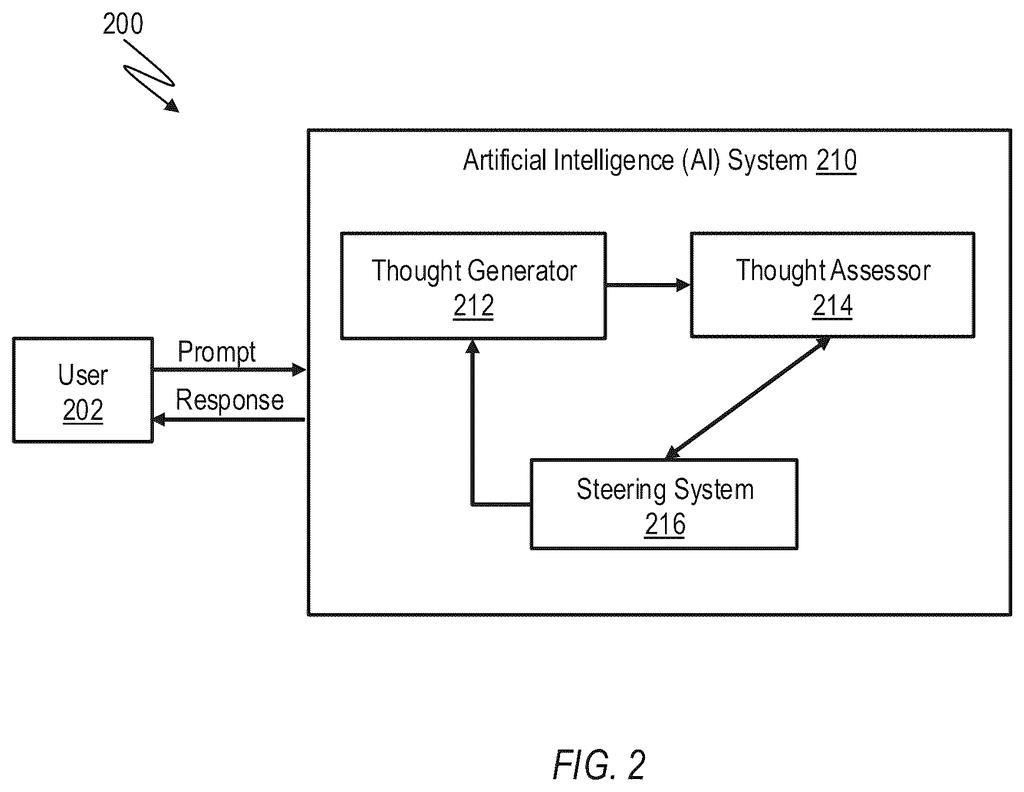
How IBM's self-grading AI loop actually works
Ever asked an AI for help and later realized it gave you confidently wrong advice, with no memory of the mistake? That's the problem IBM is trying to fix here.
The system described in this patent adds two layers on top of a standard AI. First, a "thought assessor" looks up a private diary of past decisions before acting, scoring how confident the AI should be about its next move. If the score is high enough, the AI goes ahead. If not, it holds back. Either way, it writes a new diary entry describing what happened.
Over time, that diary, called an experience knowledgebase, grows richer. The AI's core model also gets retrained based on real outcomes, not just the original training data. So the system gets a little bit better after every interaction, rather than staying frozen at whatever it knew on day one.
… calculating, by a thought assessor based at least on one or more historical self-reflection reports from an experience knowledgebase, a confidence score for an action specified in the output; …
Translation: The system uses past performance logs to calculate how trustworthy a proposed action is.
Inside IBM's thought generator and confidence scorer
The patent describes a three-part architecture layered on top of one or more large language models (the kind of AI that powers chatbots and writing assistants).
- Thought generator: Takes a user's prompt and produces a proposed action or answer, using the underlying language model.
- Thought assessor: Before anything happens, this module queries an experience knowledgebase (a structured store of historical self-reflection reports) and calculates a confidence score for the proposed action. Think of it as a second opinion drawn from institutional memory.
- Experience knowledgebase: A growing log of past prompts, the AI's outputs, and what actually happened when those outputs were acted on. Each entry is a "self-reflection report."
If the confidence score clears a defined threshold, the system acts and then records the outcome. If it falls below that threshold, the action is blocked or flagged.
After each completed action, the system fine-tunes the thought generator itself based on the observed outcome. That means the underlying model is being updated continuously in response to real-world results, closing the feedback loop that most deployed AI systems leave open.
… generating a self-reflection report based on the prompt, the output, and the outcome, and storing the self-reflection report in the experience knowledgebase.
Translation: After seeing the results of an action, the AI writes a report about what happened and saves it for the future.
What a self-correcting AI means for business tools
Most AI products used in businesses today are essentially static: they were trained once, then shipped. When they make errors in practice, those errors don't feed back into the model. A system like the one IBM is describing could cut down on costly repeat mistakes in high-stakes settings like legal research, medical documentation, or financial analysis, where one wrong answer matters.
For you as a user, the practical promise is an AI assistant that becomes more reliable the longer your organization uses it, rather than one that needs a manual overhaul every time the vendor releases a new version. IBM's long bet on enterprise AI reliability is on full display here, and this patent fits squarely into that direction.
That makes this IBM's 52nd filing we've tracked since May on AI safety guardrails, building on their earlier work on audio weakness testing and catching bad rows of data.
When AI systems make bad calls inside a company, the damage rarely shows up immediately. It accumulates in bad decisions built on flawed recommendations, employees who stop trusting the tools, and correction costs that surface months later in audits and rework.
IBM's approach treats that accountability gap as a solvable engineering problem. The system records what happened after each AI decision, scores how well the decision went, and feeds those records back into the next judgment call, creating a paper trail that most current AI deployments simply do not have.
The harder question is whether the system can keep pace with real business volume. Writing and scoring a structured assessment for every action, across thousands of decisions daily, is a significant operational burden, and the patent describes the logic of the loop more thoroughly than the mechanics of running it reliably under pressure.
There are more where this came from
We read every patent application Big Tech publishes and send you the ones worth knowing. Plain English, free, every week.
The drawings
6 drawing sheets from US 2026/0278452 A1 · click any drawing to enlarge


Want this weekly breakdown for a company we don't cover? Patentlyze Pro →
Be the first to weigh in