
Adobe Patents a Way to Stop AI From Writing Broken Database Code
When you ask an AI to write database code, it can confidently invent column names that don't exist. Adobe's new patent describes a guardrail system that physically prevents the AI from generating those kinds of mistakes.
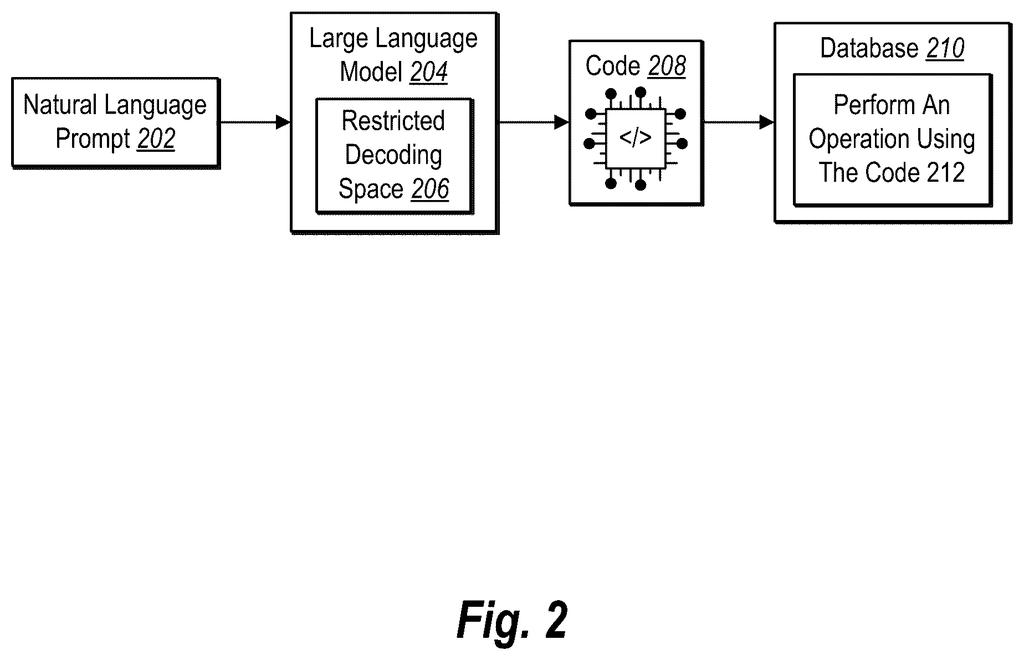
How Adobe's database-aware AI code generator works
AI coding assistants regularly hallucinate database details, making up table names or column names that sound plausible but don't actually exist in your data. The result is code that crashes at runtime, and a developer has to go back and fix it by hand.
Adobe's patent describes a system that reads your actual database structure first, then builds a kind of vocabulary list from it. When the AI generates code, it's only allowed to pick words that appear on that list. It physically cannot invent a column called user_email if your database only has email_address.
The effect is that the code the AI produces should reference real tables and real columns every time, not plausible-sounding guesses. For anyone using an AI tool to query their own data, that's the difference between code that runs and code that fails.
… restricting a decoding space of the large language model to tokens of a token tree representing elements of the database schema according to a tokenizer of the large language model …
Translation: It limits the AI's word choices so it can only pick valid database elements.
How the token tree keeps the AI on valid paths
The system starts by inspecting the database schema (the formal map of every table, column, and data type in a database) that the user's query involves. It does this at the moment a natural-language prompt arrives, so the vocabulary list is always current.
From that schema, the system builds a token tree. A token is the smallest unit an AI language model works with, roughly a word fragment. The token tree organizes every valid schema element (table names, column names, data types) into a branching structure, where each branch represents a grammatically and structurally legal next choice.
When the AI generates code, its decoding space (the full vocabulary it could theoretically pick from) is restricted to only the tokens present in that tree. The AI traverses the tree branch by branch, guided by the edges between tokens, producing only sequences that correspond to real schema elements.
Key components of the system include:
- Schema inspection triggered by the natural-language prompt
- A tokenizer-aware tree (built to match how the specific AI model breaks words into fragments, not how humans read them)
- Constrained decoding that rejects any token outside the valid tree at each generation step
… utilizing token tree-based restricted decoding in large language models to generate code for narrow AI domains …
Translation: The method helps language models write correct code by strictly limiting their output options.
What this means for AI tools that write data queries
For developers or business analysts using AI tools to query databases, the practical payoff is fewer dead-end code runs. Hallucinated column names are one of the most common failure modes in AI-assisted data work, and they tend to be annoying rather than obvious: the code looks correct, it just fails when it hits a name that doesn't exist in the actual database.
This patent sits in an active area of AI reliability work, where the goal is making model outputs structurally correct, not just plausible-sounding. Adobe's approach of constraining the output space at generation time (rather than checking errors afterward) is a meaningful architectural choice, and it's the kind of work covered among the latest Big Tech patents in AI code generation and database tooling.
Adobe's third filing we've tracked in our AI guardrails race since July follows one on filtering wrong answers and one on catching artist-named AI images.
The concrete payoff here is narrow but real: a developer using an Adobe AI tool to query their own data would stop seeing runtime crashes caused by invented column names. That's a small failure, but it's a frequent one, and fixing it after the fact wastes time. The approach, building a constrained vocabulary from the live schema before generation even starts, is a sensible engineering answer to a well-documented problem in AI coding assistants.
There are more where this came from
We read every patent application Big Tech publishes and send you the ones worth knowing. Plain English, free, every week.
The drawings
10 drawing sheets from US 2026/0244408 A1 · click any drawing to enlarge


Want this weekly breakdown for a company we don't cover? Patentlyze Pro →
Be the first to weigh in