
Intel's New Patent Keeps Humans Informed About the AI Running 6G Networks
Future 6G networks are expected to lean on AI for many jobs, yet the software asking for those predictions usually can't see how the AI was built. Intel's patent application proposes a standard fact sheet that travels with every model.
What Intel's 6G AI fact sheet actually says
Ever hired a contractor who wouldn't tell you where they trained, what jobs they'd finished, or how often they got things wrong? You'd probably call someone else. That is roughly the position of software inside a future 6G network: AI models make predictions for it, but the ones asking can't see how the AI was built.
Intel's patent application proposes a model card, a short, standardized fact sheet attached to each AI model. It lists things like what data trained the model, how accurate it is, and what it's known to get wrong. Before relying on the AI, the software asking for help reads the card and decides whether the model is trustworthy enough.
If the card doesn't pass, the asker can go find a different AI. And when a model is retrained, its card is updated and anyone following it gets a notice with the new version.
The model cards provide detailed metadata about AI/ML models, including architecture, training data, and performance metrics, in a machine-readable JSON format.
Translation: The system shares technical details about the AI models in a standard data format.
How a network checks the card before trusting AI
The patent describes giving every AI model inside a 6G network a model card: a structured record, written in JSON (a plain-text format that computers can read easily), that describes the model. The card covers the model's design type, version, training data, accuracy, intended uses, and known limitations. The claims also list ethics considerations, fairness measures, and how well the model holds up under stress.
The filing offers three places the card can live, and they can be combined:
- On the AI function itself: the network piece that runs the model (a 'network function,' one software part with one job) hands out its card on request.
- In the network's directory: the card is stored as a text field in the function's entry in the Network Repository Function (NRF), the directory where network parts register and get found.
- In a dedicated registry: a new, separate network function that stores and serves cards.
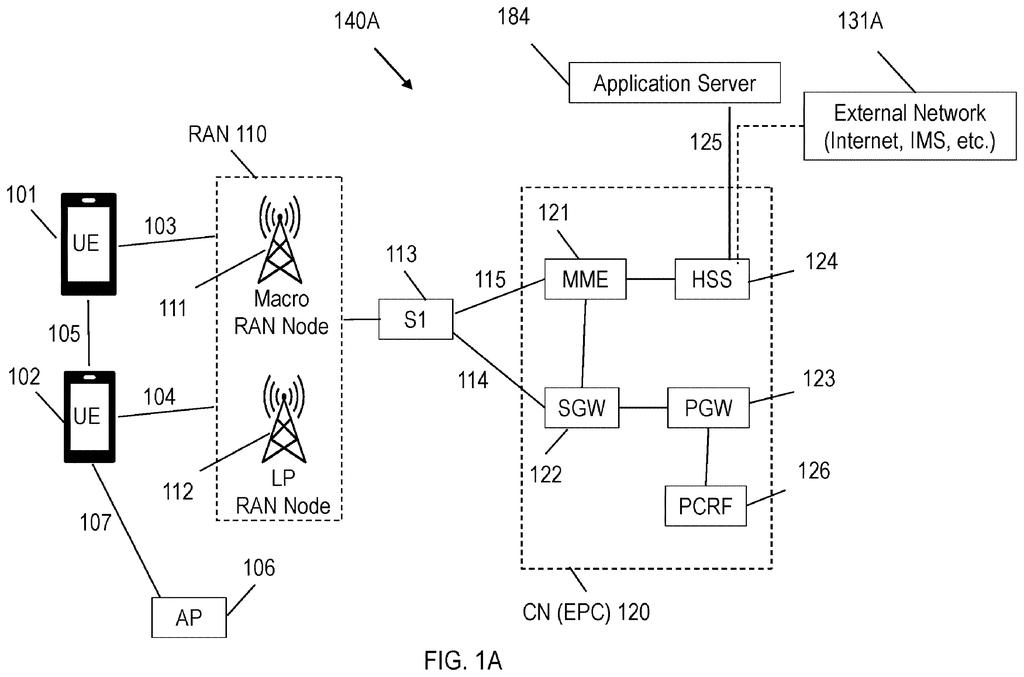
The flow works like this. A service consumer (another network function, an outside app, or a phone) finds a matching AI through the directory, fetches the card, and checks its fields. Only after it has judged the model trustworthy does it send its analytics request. The AI then generates predictions and returns a result. If the card disappoints, the consumer looks for another model.
When a model is retrained, its card is updated. Consumers who subscribed get a notice with the new card, sent to a callback address (a URI, a web-style address for receiving messages) they supplied. Claim 11 covers the directory side of this setup separately.
generate a model card containing model card data of an AI/ML model deployed in the AI/ML-driven network function, the model card data including information for evaluation of trustworthiness of the AI/ML model; …
Translation: The network creates an informational profile to help humans judge if the artificial intelligence can be trusted.
Why showing the AI's work matters in 6G
You will never see a model card, but you could feel what it does. If networks can check an AI's track record before depending on it, a carrier has a better chance of catching a poorly tested model before it affects calls, data speeds, or services built on top of the network.
The filing also targets a plain gap: today the network directory holds only limited details about an AI service, such as what it supports and a confidence level, while the model itself stays a black box. A standard card gives carriers, vendors, and outside app makers a common way to ask, 'What was this trained on, and how well does it work?' It also leaves a paper trail whenever a model changes.
Intel's 178th filing in our Intel coverage since May continues a run of Wi-Fi pairing work, following patents on device negotiation over Wi-Fi and safer direct Wi-Fi setup that we've tracked.
Nothing here needs new hardware. It is all software and message formats, and the filing's own comparison table rates the directory route as low effort because it adds one text field to an entry that already exists.
The real hurdle is agreement. A fact sheet only helps if every vendor fills it out the same way, so the card format has to land in the industry's standards documents first, and the filing itself points to a 3GPP document for that. 6G standards are still being written, so the shortest path to a working feature runs through standards committees.
That makes this a plausible, low-cost piece of 6G plumbing with a long wait ahead of it. For you, the payoff would be indirect: networks that can show why they trusted an AI.
Get our take in your Top Stories
Liked this breakdown? Add Patentlyze as a preferred source on Google, and our plain-English take shows up more often in your Top Stories the next time Intel patent news breaks.
There are more where this came from
We read every patent application Big Tech publishes and send you the ones worth knowing. Plain English, free, every week.
The drawings
11 drawing sheets from US 2026/0322708 A1 · click any drawing to enlarge


Show the other 3 sheets


Want this weekly breakdown for a company we don't cover? Patentlyze Pro →
Be the first to weigh in