
Qualcomm Patents a Way for Phones to Report When Network AI Goes Wrong
Your phone already talks to the network constantly, but what if it could also tell the network when the AI running that network is flat-out wrong? That's the idea behind this Qualcomm patent.
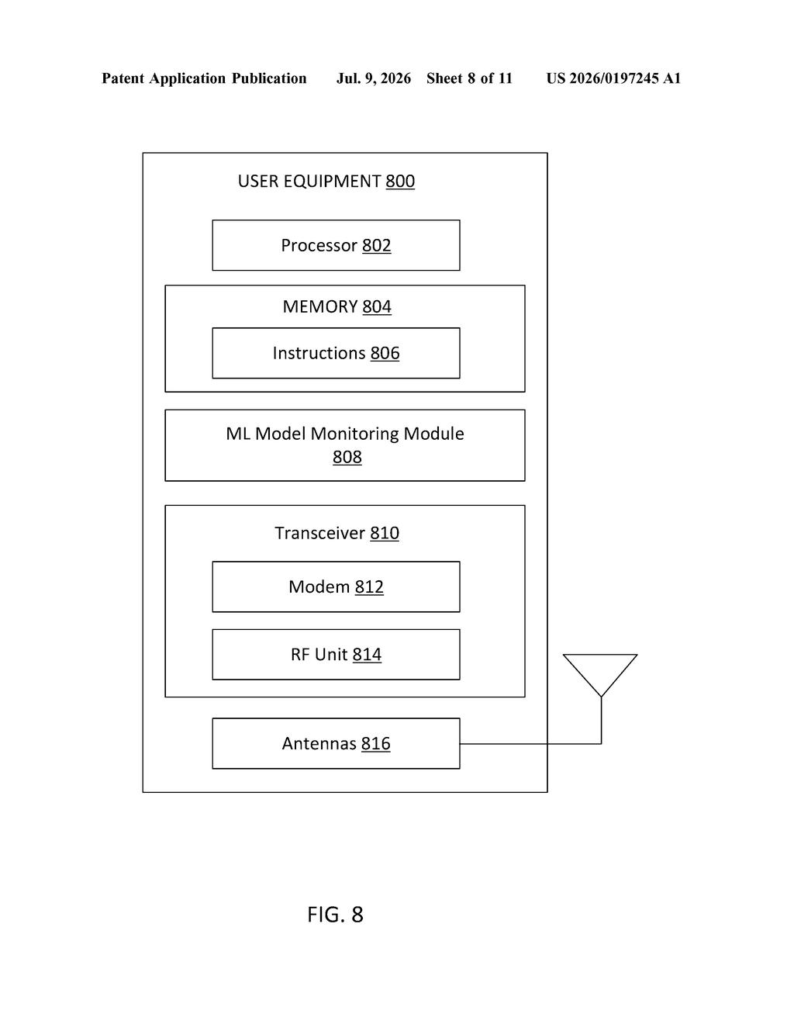
What Qualcomm's AI failure-detection system actually does
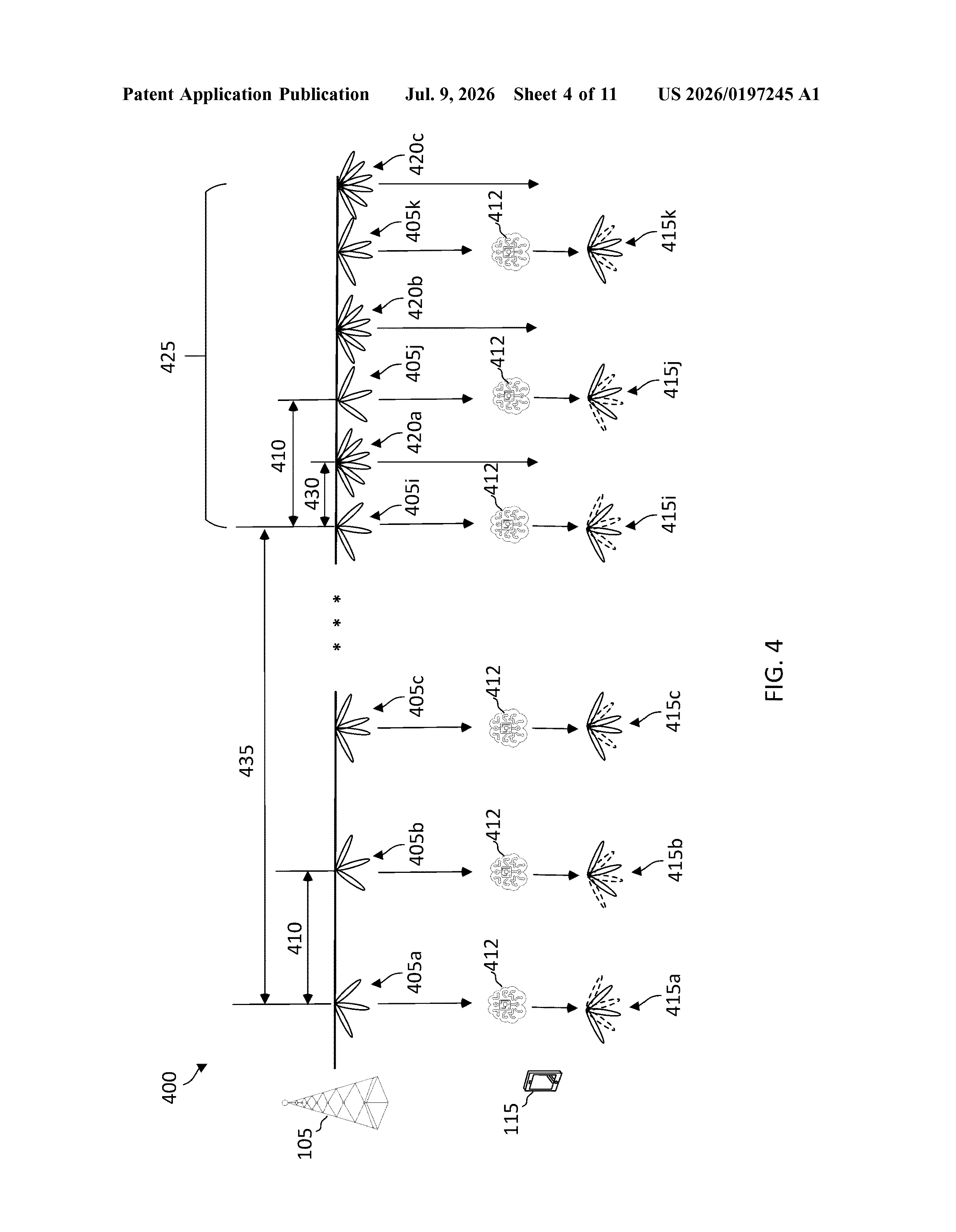
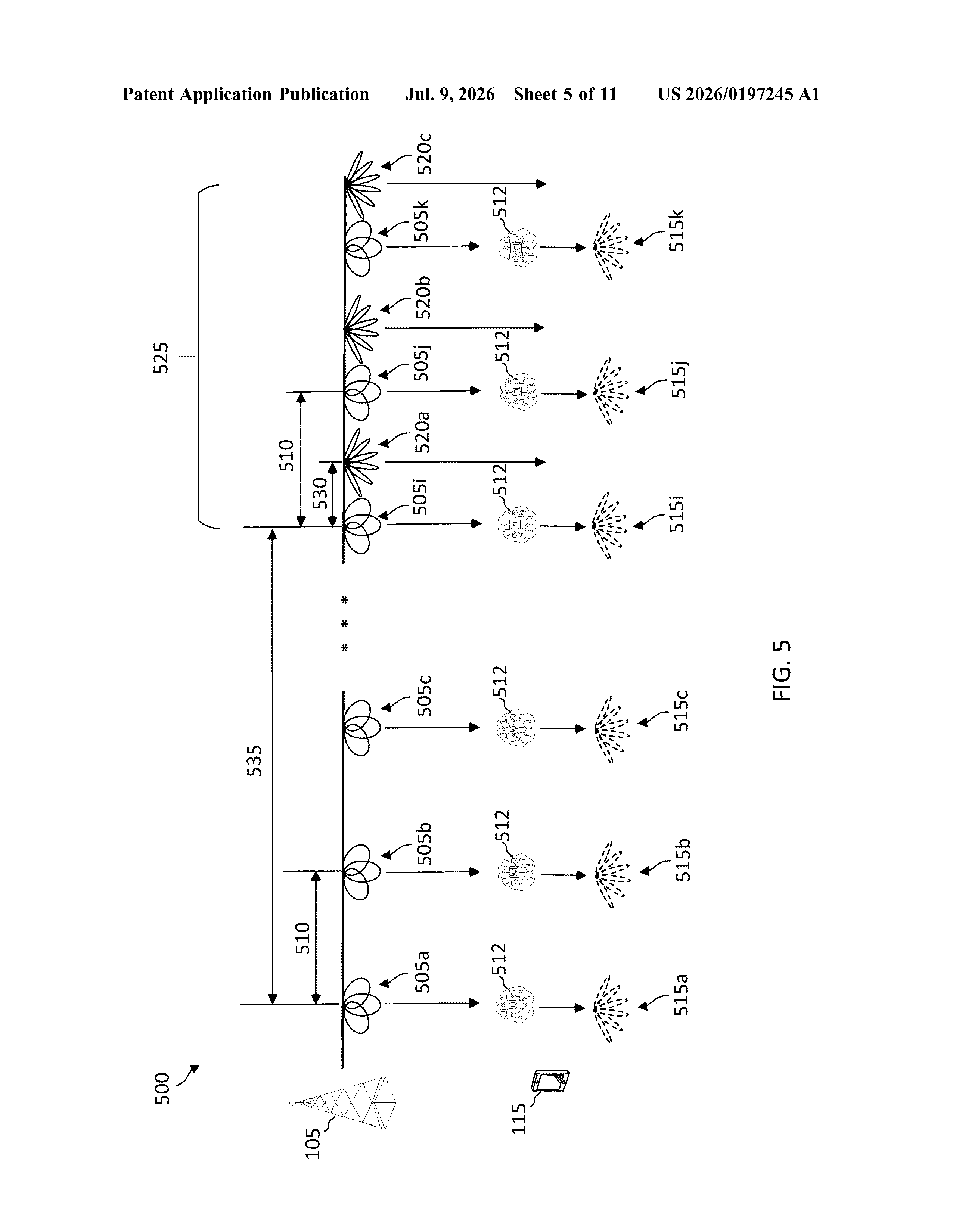
Modern cellular networks are starting to use AI models to make decisions, like predicting where your phone will be or how strong its signal will get. When those predictions are accurate, everything runs efficiently. When they're wrong, you get dropped calls, slow speeds, or wasted battery.
Qualcomm's patent describes a system where your phone is given a kind of scorecard to grade the network's AI predictions against what's actually happening. If the AI keeps getting it wrong, your phone sends a failure report back to the network so engineers or automated systems can step in and fix or swap out the bad model.
Think of it like a restaurant review, but automated and in milliseconds. Your phone notices the AI recommended the wrong "dish" (radio settings, signal path, etc.) and files a complaint. The goal is to keep AI-driven networks honest and self-correcting rather than silently degrading your experience.
How the phone compares AI predictions to real-world measurements
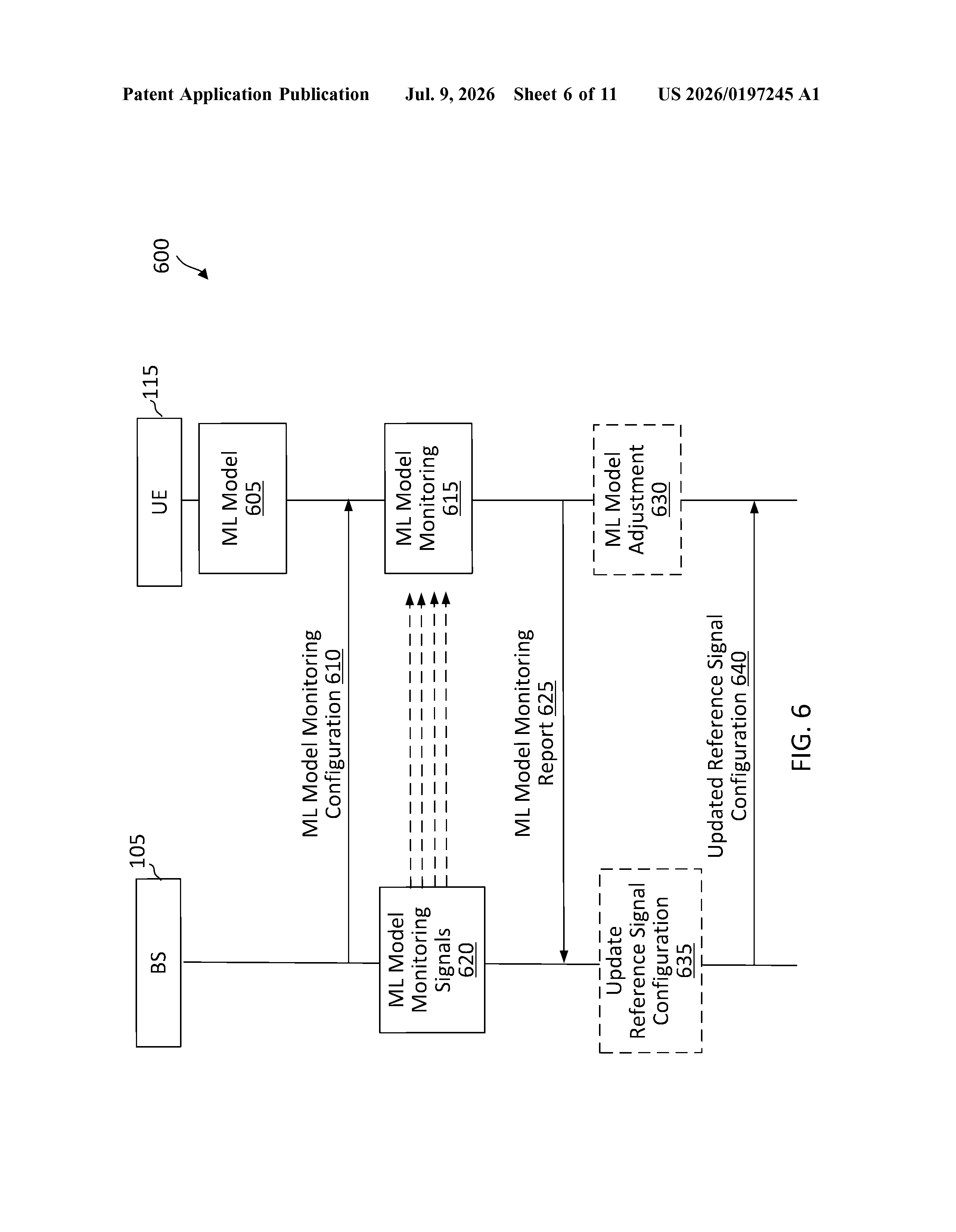
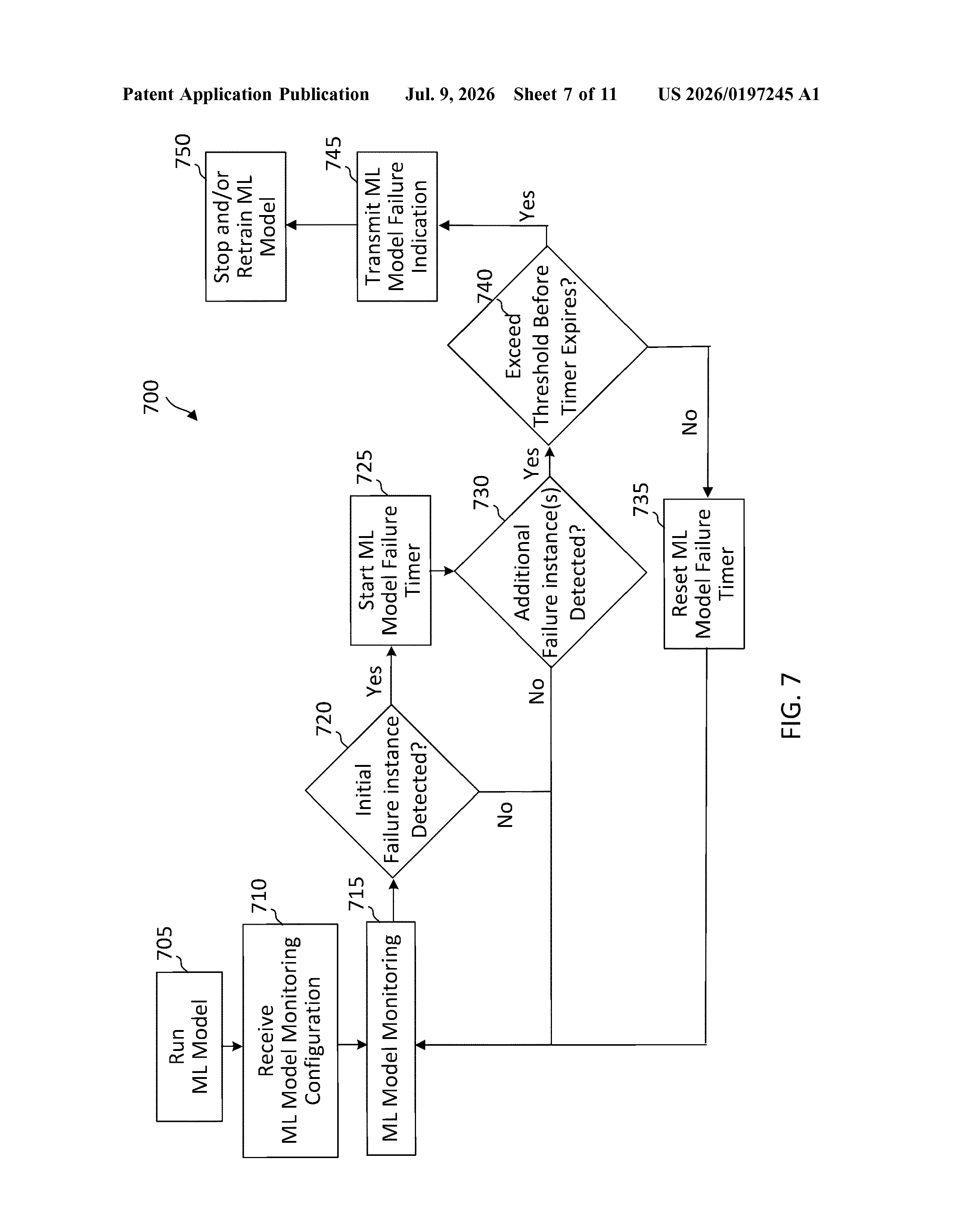
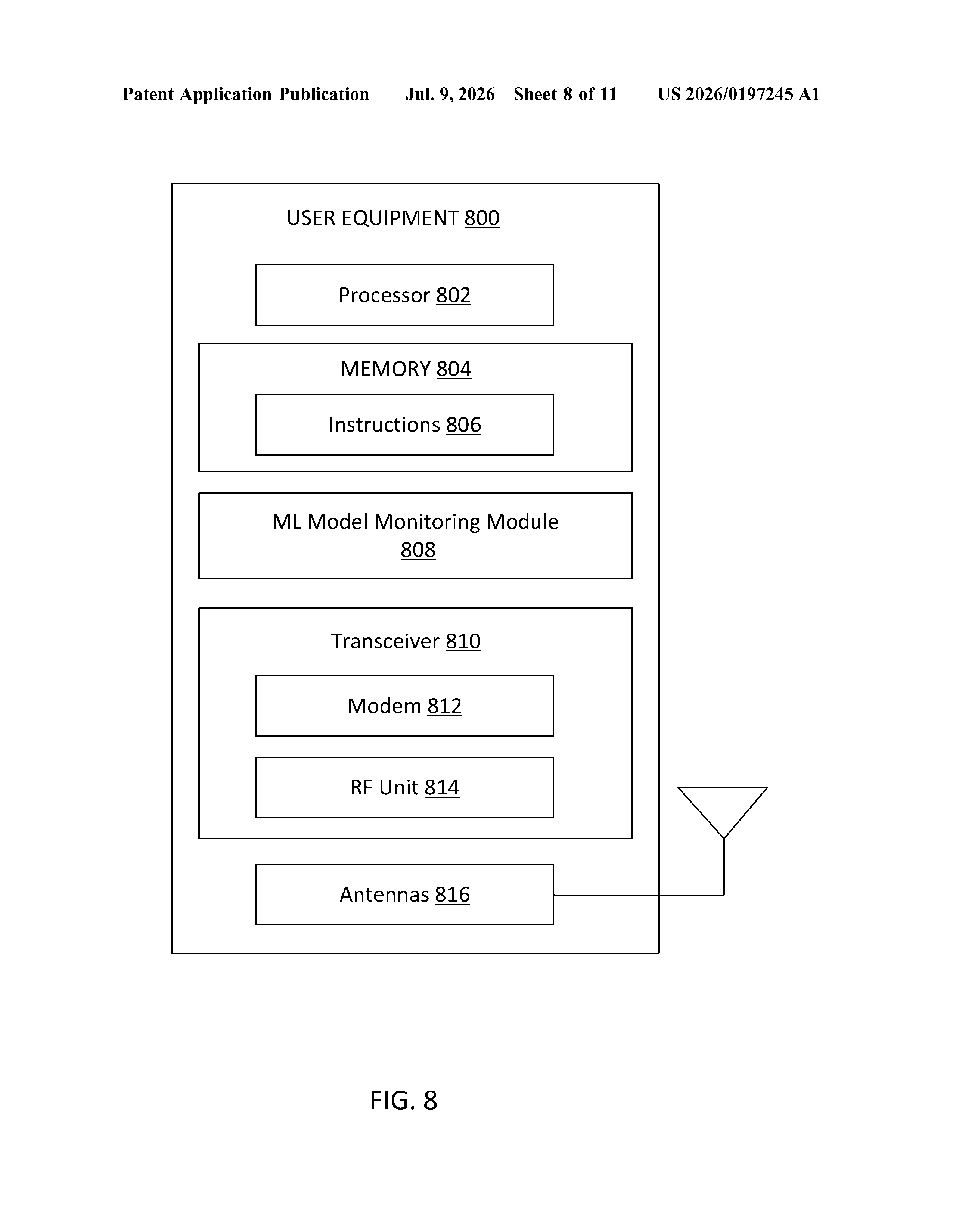
The patent covers a three-step process running on a user equipment (UE), which is phone industry shorthand for any device that connects to a cellular network.
- Receive a monitoring configuration: The network sends the phone a set of rules that define how to judge the AI model's predictions. This includes what values to watch and what counts as a failure.
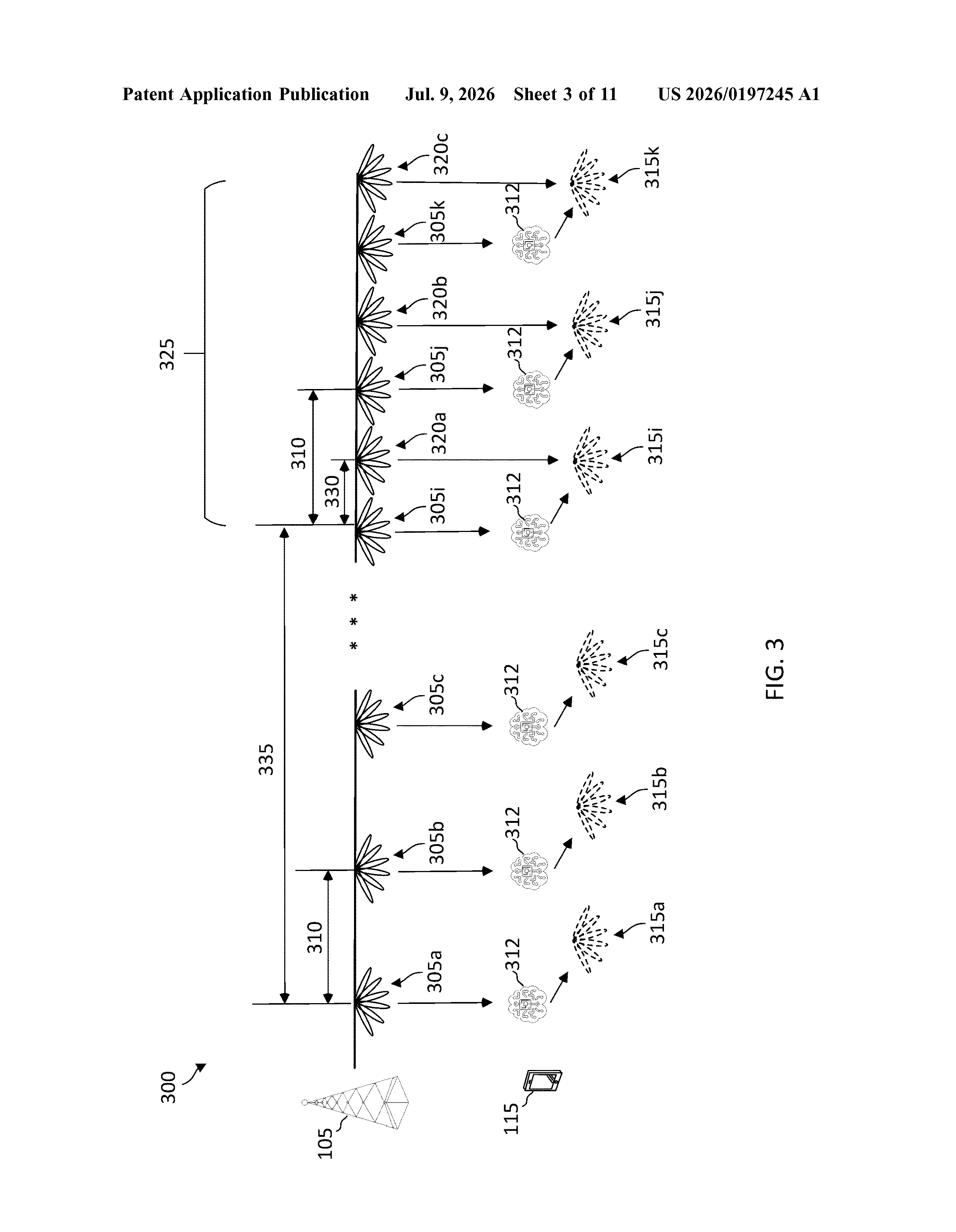
- Evaluate predictions vs. Reality: The phone compares the AI's output (for example, a predicted channel quality or beam direction) against what it actually measures from the live signal. This is the "grade" phase.
- Report failures: If the gap between prediction and reality crosses a threshold defined in the configuration, the phone transmits a failure indication back to the network so corrective action can be taken.
The underlying concern is model drift, a situation where an AI that worked well when deployed starts making worse decisions as real-world conditions change. Without a feedback loop like this, networks could keep trusting a broken model indefinitely. This patent is about building that feedback loop directly into the wireless protocol.
What this means for AI-driven wireless networks
As carriers roll out AI-managed radio networks under standards bodies like 3GPP, the question of how to know when the AI is broken becomes genuinely important infrastructure. A model that worked well during a calm Tuesday morning may perform badly during a packed stadium event, and without a reporting mechanism, the network has no automatic way to know.
For everyday users, the practical payoff is fewer silent performance degradations. If your phone can flag a misbehaving AI model rather than just suffering through bad signal decisions, carriers have a shot at recovering quality faster. It also matters for the standards process: Qualcomm filing this now signals they want this monitoring protocol baked into upcoming 5G and 6G specifications.
This is genuinely useful infrastructure work, not headline-grabbing AI. The boring truth is that AI models in networks fail and nobody has nailed down a standard way for devices to report those failures. Qualcomm is planting its flag early on that standard, which is exactly the kind of patent that ends up shaping how 6G is built.
Get our take in your Top Stories
Liked this breakdown? Add Patentlyze as a preferred source on Google, and our plain-English take shows up more often in your Top Stories the next time Qualcomm patent news breaks.
There are more where this came from
We read every patent application Big Tech publishes and send you the ones worth knowing. Plain English, free, every week.
The drawings
11 drawing sheets from US 2026/0197245 A1 · click any drawing to enlarge
Want this weekly breakdown for a company we don't cover? Patentlyze Pro →