
Samsung Patents a Bridge Chip That Connects Processors to Far-Away Memory
As AI workloads demand more memory than a single chip can hold, Samsung is patenting the plumbing that lets processors reach out to memory that isn't sitting right next door.
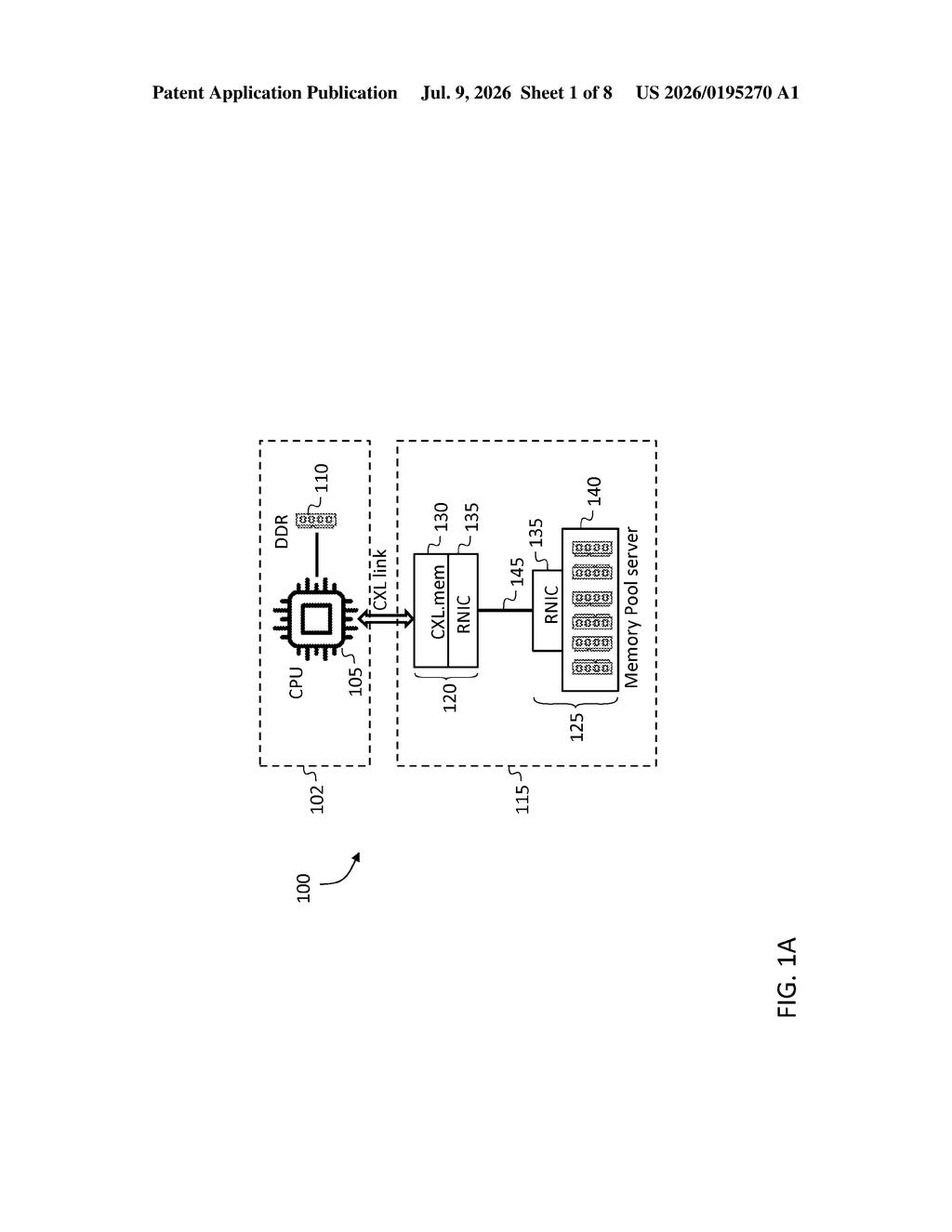
What Samsung's remote memory bridge actually does
Imagine your computer's processor is a chef working in a kitchen. Normally, the ingredients (data) are stored right on the counter next to the stove. But what if you need far more ingredients than the counter can hold? You'd need a way to quickly grab things from a storage room down the hall, while still keeping the kitchen organized.
That's essentially what this Samsung patent describes. It covers a small circuit that acts as a translator, sitting between a processor and a pool of memory that isn't physically attached to the processor itself. One side of this circuit speaks the processor's native language; the other side speaks a different language suited for reaching out to that distant memory.
This kind of bridging technology is becoming increasingly important as AI systems and data centers push the limits of how much memory a single processor can directly access. Samsung's filing stakes out intellectual property in that connector layer.
How the two-interface circuit handles cache and memory
The patent describes an interface circuit with two distinct sides. The first side connects to a processing circuit (a CPU, GPU, or AI accelerator) using a cache-coherent interface. Cache coherence means the processor and memory always agree on the latest version of any piece of data, which is essential for correct computation. Protocols like CXL (Compute Express Link) are a common example of this kind of interface in the industry.
The second side connects to the actual remote memory using a different interface type. The patent is deliberately broad about what that second interface is, but the core idea is that the circuit translates between the two protocols so the processor can treat distant memory almost like local memory.
In practical terms, this lets system designers:
- Attach large pools of memory to a processor without physical constraints
- Mix different memory technologies on the far end
- Potentially share memory resources across multiple processors in a server rack
The claim is intentionally minimal: it essentially protects the concept of a two-sided bridge where one side is cache-coherent and the other is something else entirely.
What this means for servers and AI memory demands
Data centers running large AI models constantly run into a hard ceiling: processors can only directly address so much memory. Remote memory systems let engineers break that ceiling by pooling memory across a network or fabric, but they need a reliable translation layer to do it without confusing the processor. This patent covers exactly that translation layer.
For Samsung, a major manufacturer of both memory chips and data center components, owning intellectual property in the interface that connects processors to memory is strategically useful. It positions the company inside a fast-growing market for memory expansion products aimed at AI infrastructure.
This is a fairly thin claim, covering a broad architectural concept rather than a specific implementation. Its value is almost entirely strategic: Samsung is planting a flag in the remote memory interface space as CXL-based memory expansion becomes standard in AI servers. Don't expect a product announcement tied to this specific filing, but do expect Samsung to cite it in future licensing conversations.
Get our take in your Top Stories
Liked this breakdown? Add Patentlyze as a preferred source on Google, and our plain-English take shows up more often in your Top Stories the next time Samsung patent news breaks.
There are more where this came from
We read every patent application Big Tech publishes and send you the ones worth knowing. Plain English, free, every week.
Want this weekly breakdown for a company we don't cover? Patentlyze Pro →