
Samsung Patent: Hidden Sensors Reposition Automatically When Display Bezel Is Swapped
Samsung is working on a display where the sensors inside physically move on their own when you attach or remove the frame around the screen. No manual adjustment, no driver update, just a magnet doing the work.
What Samsung's magnetic sensor repositioning actually does
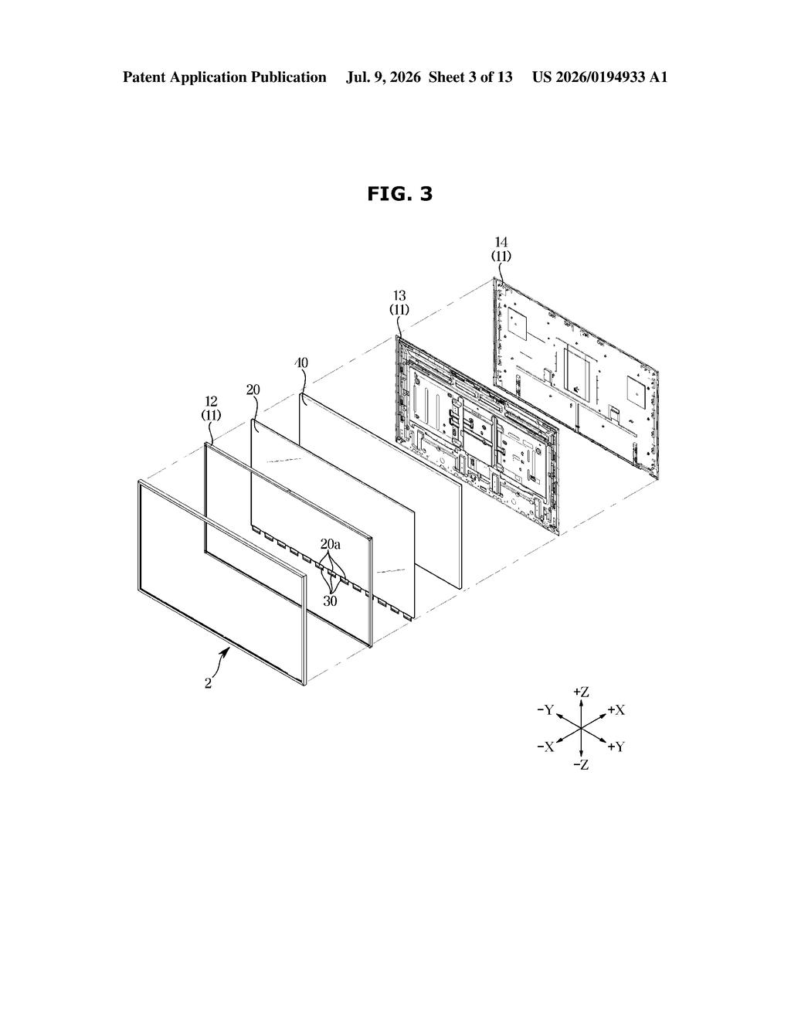
Picture a monitor or TV where you can swap out the decorative frame, called a bezel, to change the look. That sounds simple, but cameras, proximity sensors, or other hardware buried inside the screen need to be in exactly the right spot relative to that frame to work properly.
Samsung's patent describes a clever fix: the sensor inside the display isn't fixed in place. It sits on a small platform that can slide between two positions. When you clip on a bezel, a magnet in that bezel pulls the sensor platform into the correct spot automatically. When you remove the bezel, the sensor slides back to its default position.
You never have to open the device or fiddle with settings. The physical act of attaching the frame does the calibration for you, using nothing more than magnetic attraction.
How the magnet in the bezel shifts the internal sensor
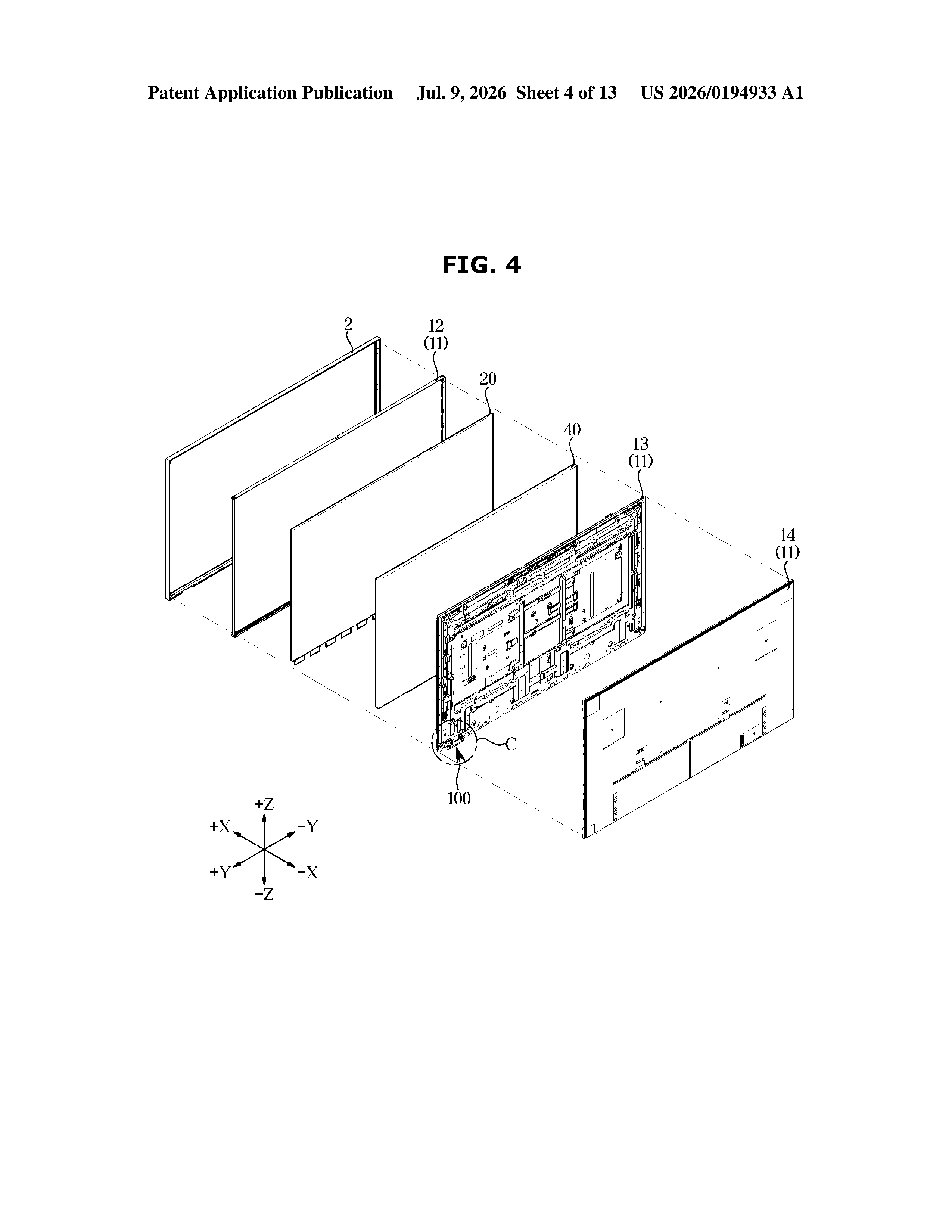
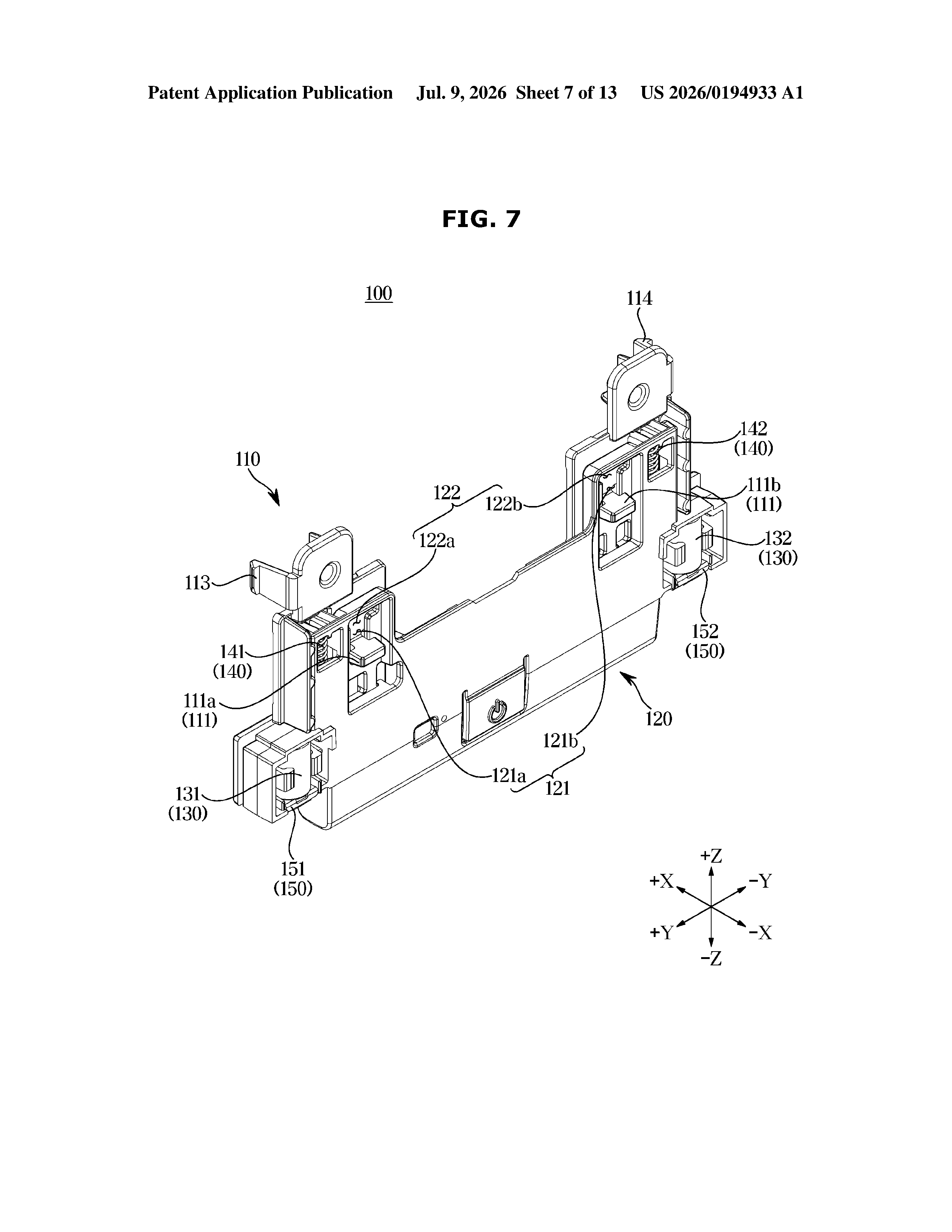
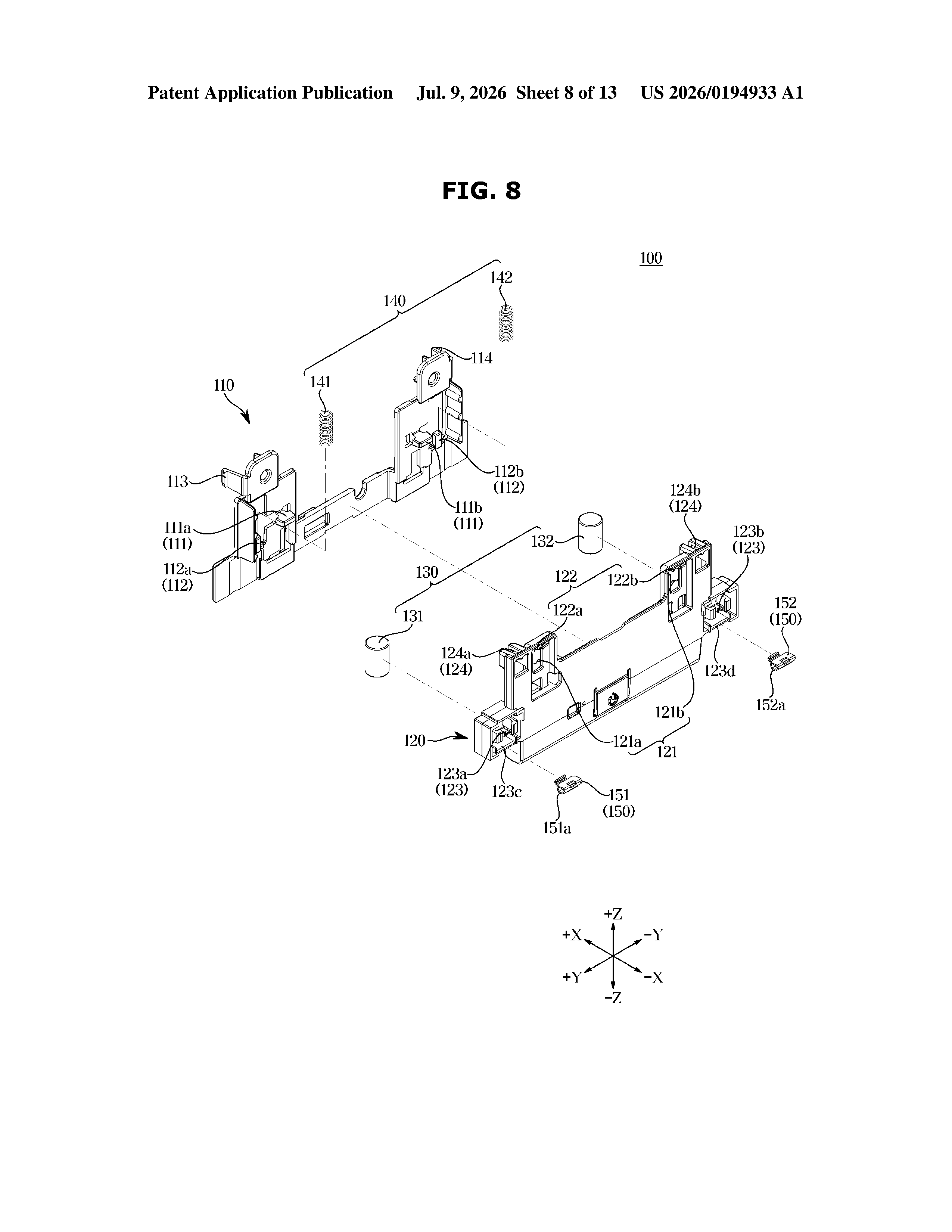
The patent describes a sensor device inside a display enclosure that has two parts: a fixing member (a bracket bolted to the inside of the case) and a moving member (a platform that slides relative to that bracket and carries the actual sensor, such as a camera or proximity detector).
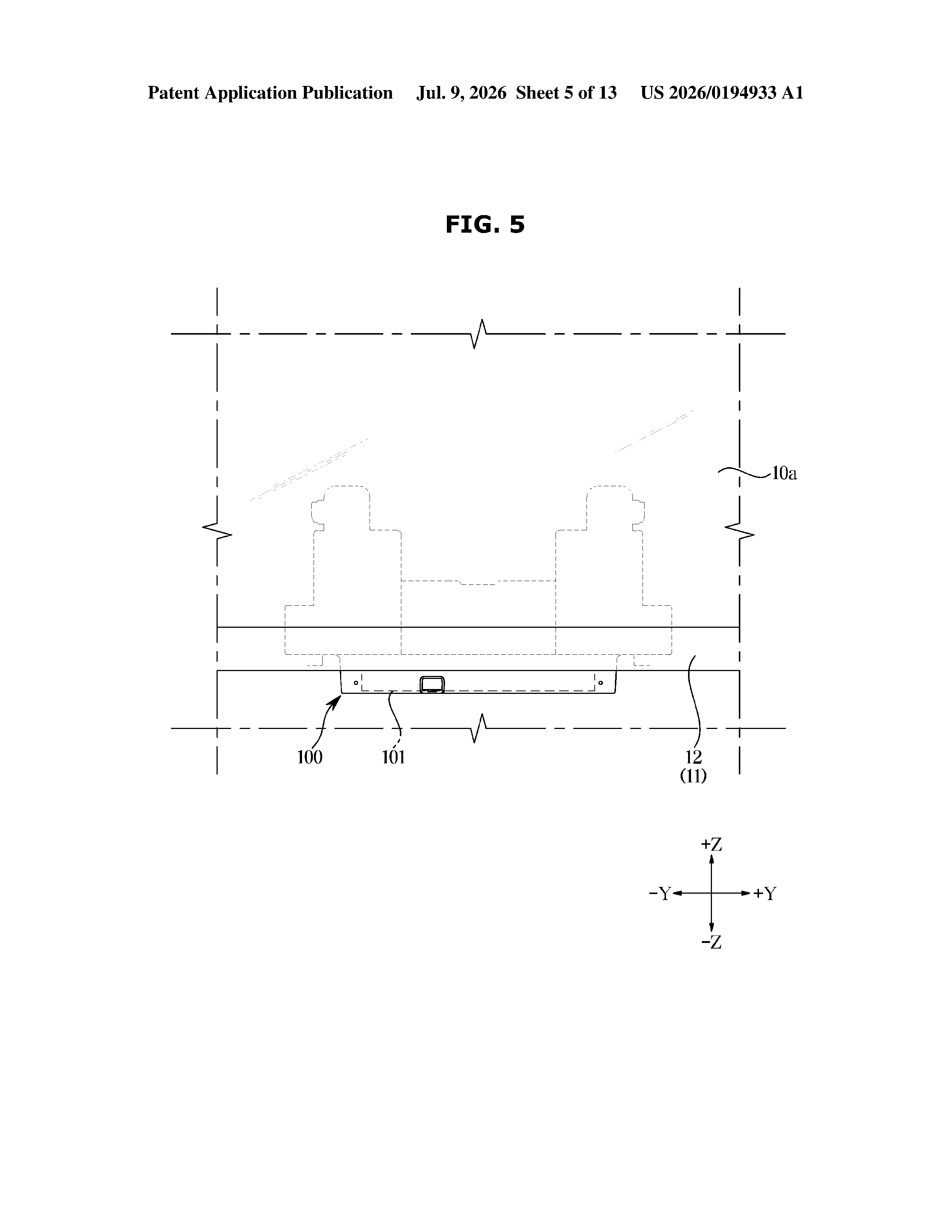
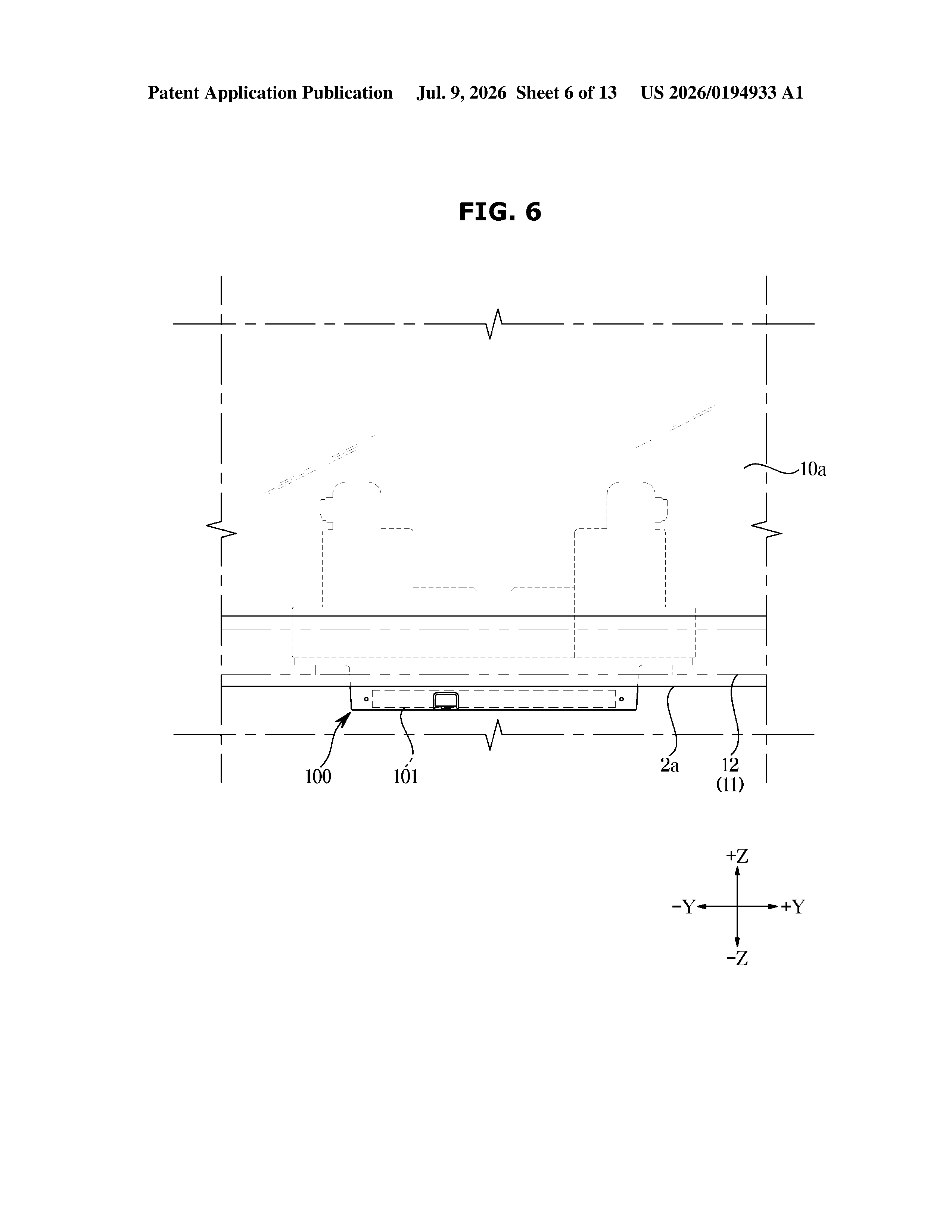
When no bezel is attached, the moving member rests at a first position, essentially its neutral or parked location. When a detachable bezel is clipped onto the display case, a magnet (presumably embedded in the bezel or triggered by its attachment) exerts a magnetic force on the moving member and pulls it to a second position, which aligns the sensor correctly for that bezel's geometry.
The key insight is that the mechanical act of attaching the bezel and the sensor repositioning happen simultaneously and passively. No motors, no software commands, no user steps are needed.
- Fixing member anchors the mechanism inside the case
- Moving member carries the sensor and slides between positions
- Detachable bezel carries or activates the magnet
- Magnetic force handles the positioning automatically
What this means for modular Samsung displays
Displays with swappable bezels are a niche but growing category, particularly in the monitor and TV space where customization is a selling point. The problem has always been that sensors like webcams or ambient-light detectors are calibrated for one fixed frame geometry. Change the frame and the sensor is either misaligned or uselessly buried.
This patent suggests Samsung is thinking seriously about making sensor placement part of the modular design, not an afterthought. If this reaches production, it could make bezel-swap displays genuinely more capable rather than just cosmetically flexible. For you as a buyer, it would mean the screen actually works correctly with each frame you put on it, not just looks different.
This is a tidy piece of mechanical engineering rather than a flashy innovation, but it solves a real problem that modular display makers have largely ignored. The magnet-driven passive repositioning is elegant precisely because it adds no complexity to the user experience. Whether Samsung ships a bezel-swappable display that needs this is the bigger open question.
Get our take in your Top Stories
Liked this breakdown? Add Patentlyze as a preferred source on Google, and our plain-English take shows up more often in your Top Stories the next time Samsung patent news breaks.
There are more where this came from
We read every patent application Big Tech publishes and send you the ones worth knowing. Plain English, free, every week.
The drawings
13 drawing sheets from US 2026/0194933 A1 · click any drawing to enlarge
Want this weekly breakdown for a company we don't cover? Patentlyze Pro →