
Samsung Patents a Robot Vacuum That Estimates How Long Cleaning Will Take
Your robot vacuum knows how to clean, but it has no idea how long it will take. Samsung wants to fix that with an AI model that reads your room in real time and spits out a cleaning estimate before it finishes the job.
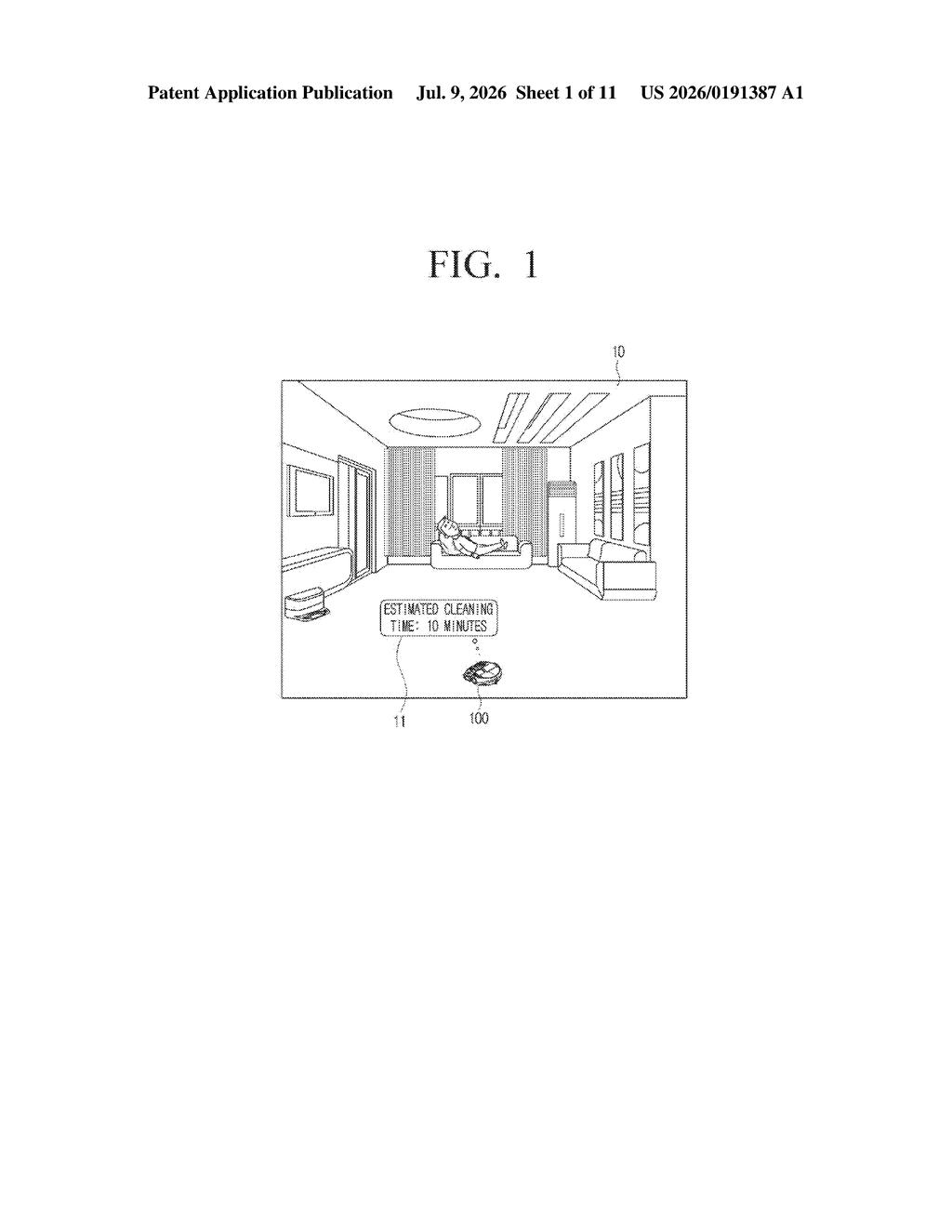
What Samsung's cleaning-time prediction actually does
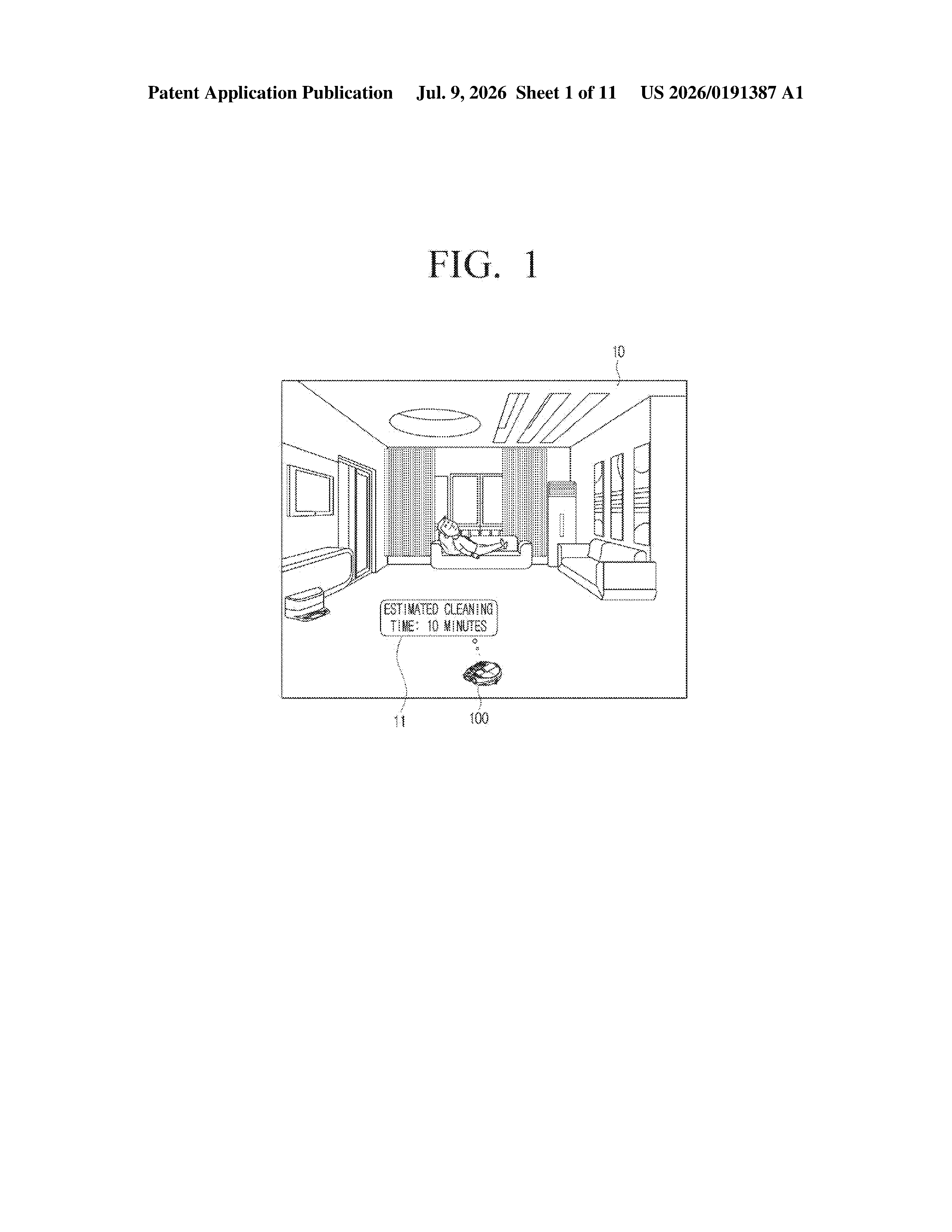
Imagine you ask your robot vacuum to clean the living room before guests arrive, but you have no idea if it will finish in 15 minutes or 45. That's a common frustration, and Samsung's new patent is aimed directly at it.
The idea is to give the robot a built-in AI model that watches what it sees while cleaning, including the shape of the room, what's on the floor, and what kinds of objects are in the way, and uses all of that to calculate an estimated finish time. Think of it like a GPS giving you an updated arrival time as traffic changes.
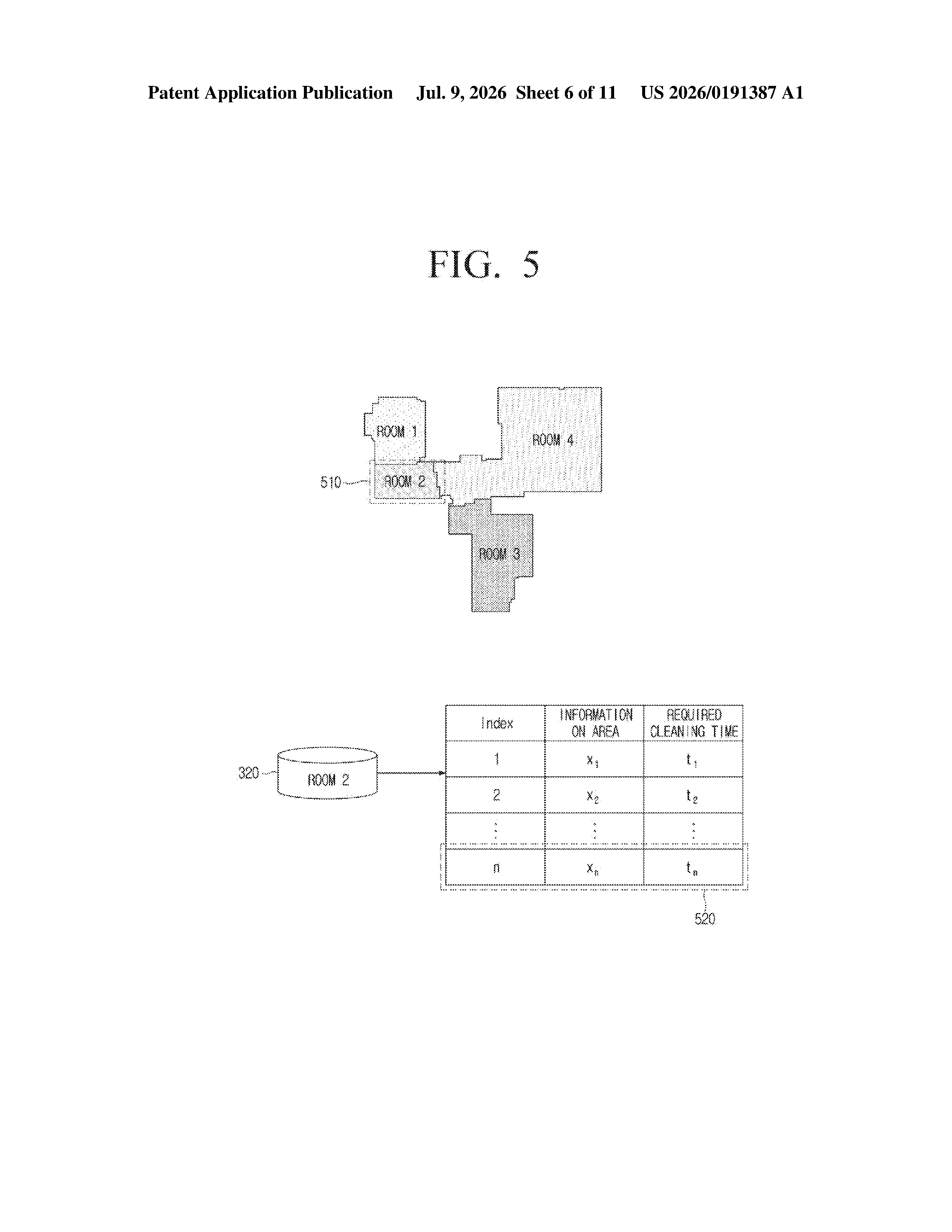
The robot builds a map of the area as it goes, tags different types of obstacles (a chair leg is different from a dog bed, which is different from an open floor), and feeds all of that into the AI to get its prediction. The result is a cleaner that can give you a real answer to "when will it be done?"
How the AI model reads rooms and obstacles
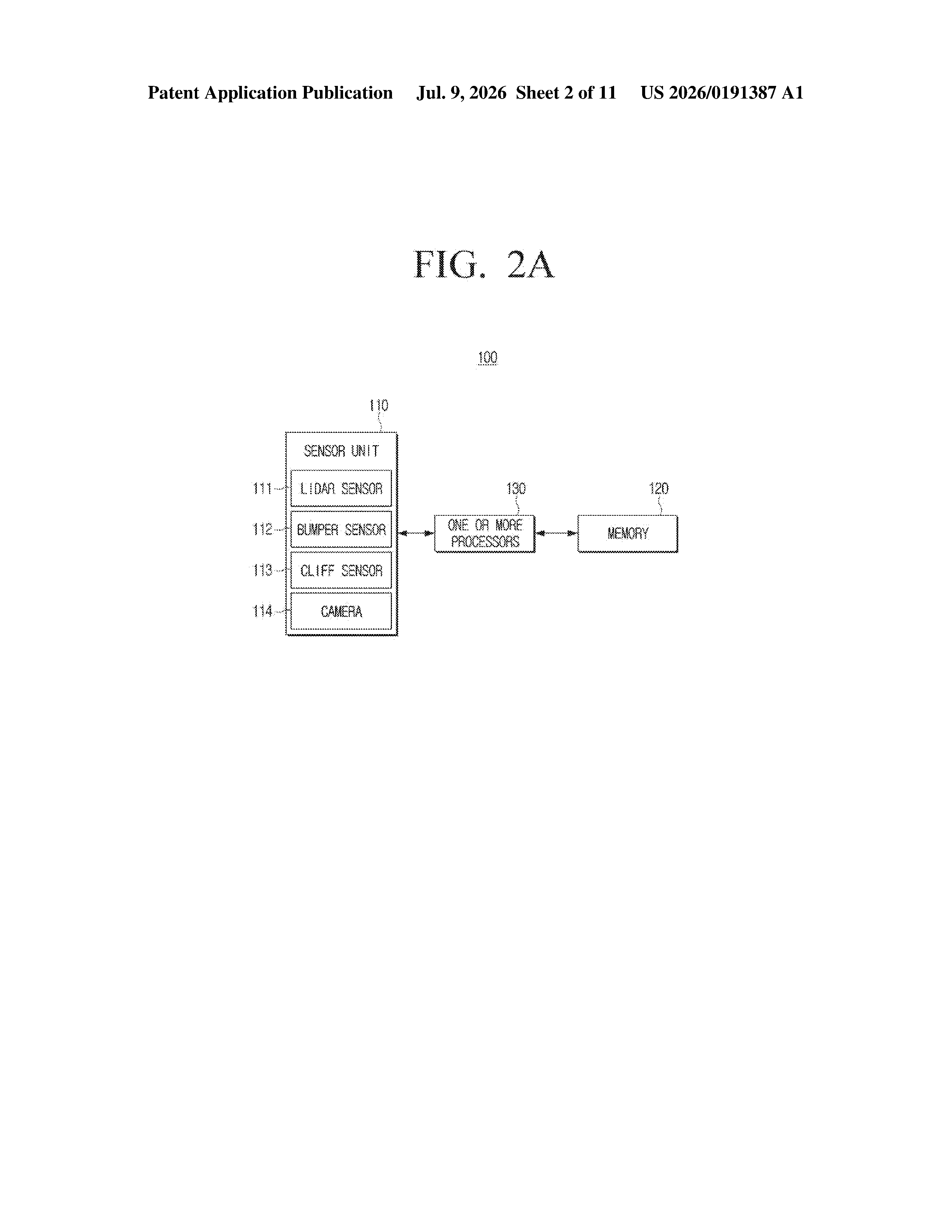
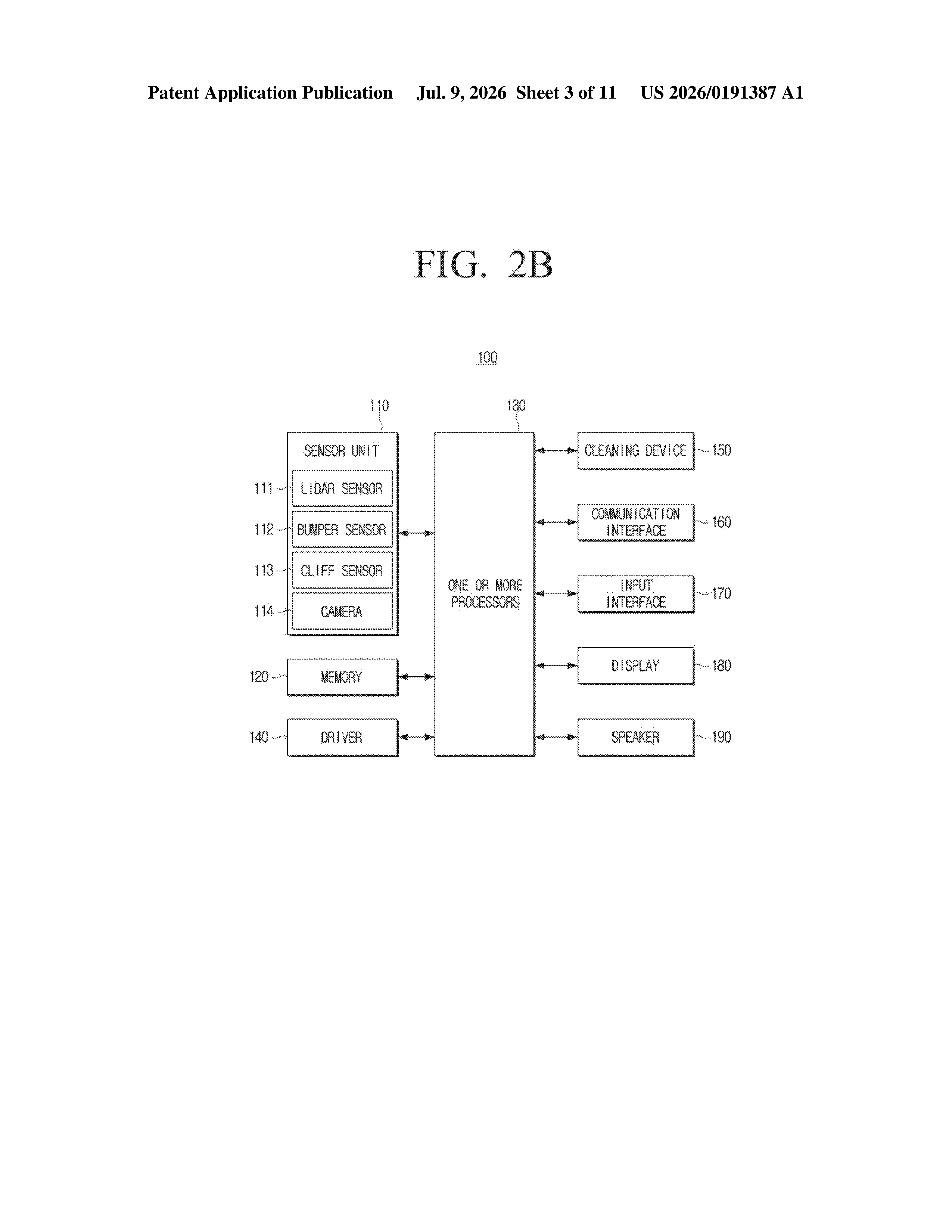
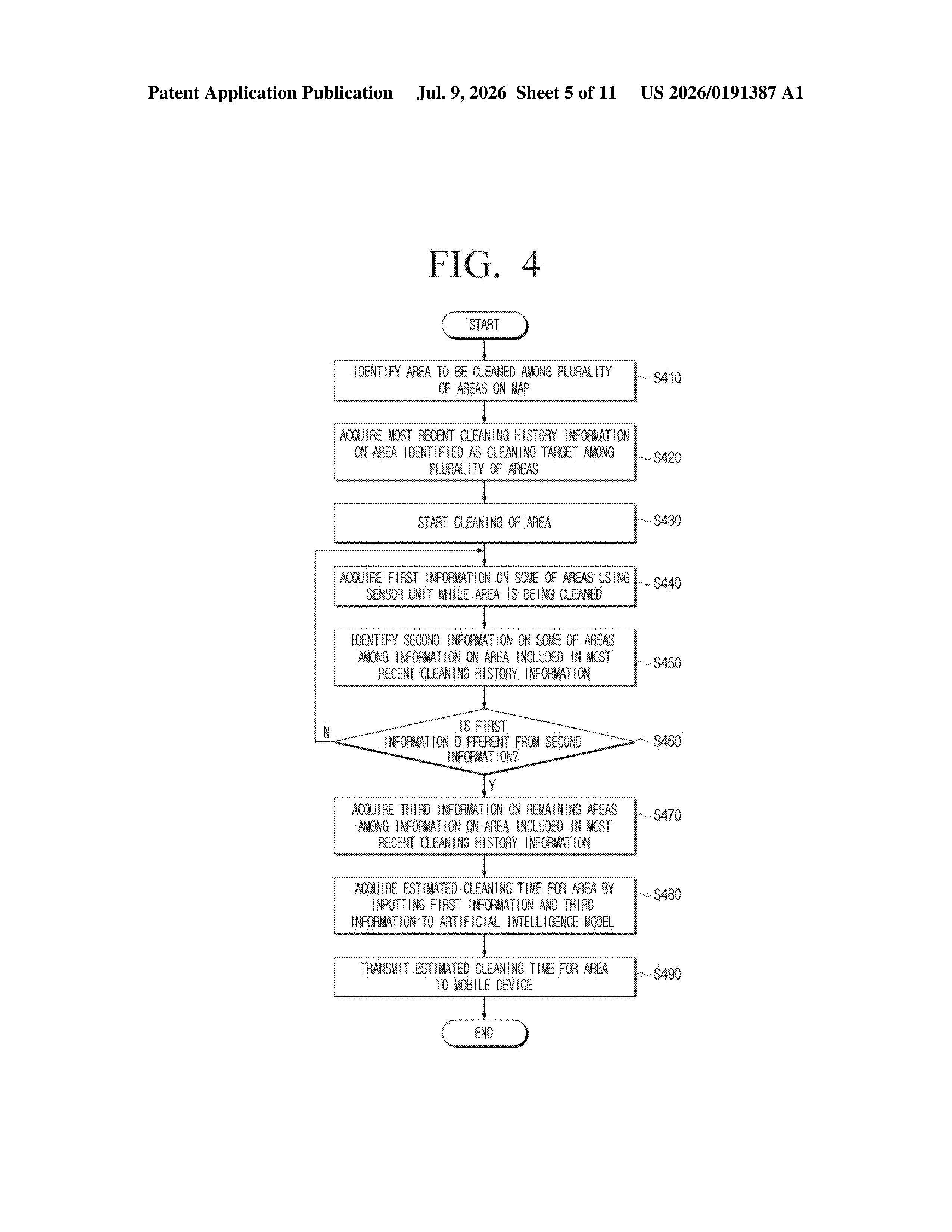
The patent describes a robot vacuum equipped with sensors, onboard memory, and one or more processors running an AI model trained to estimate cleaning time.
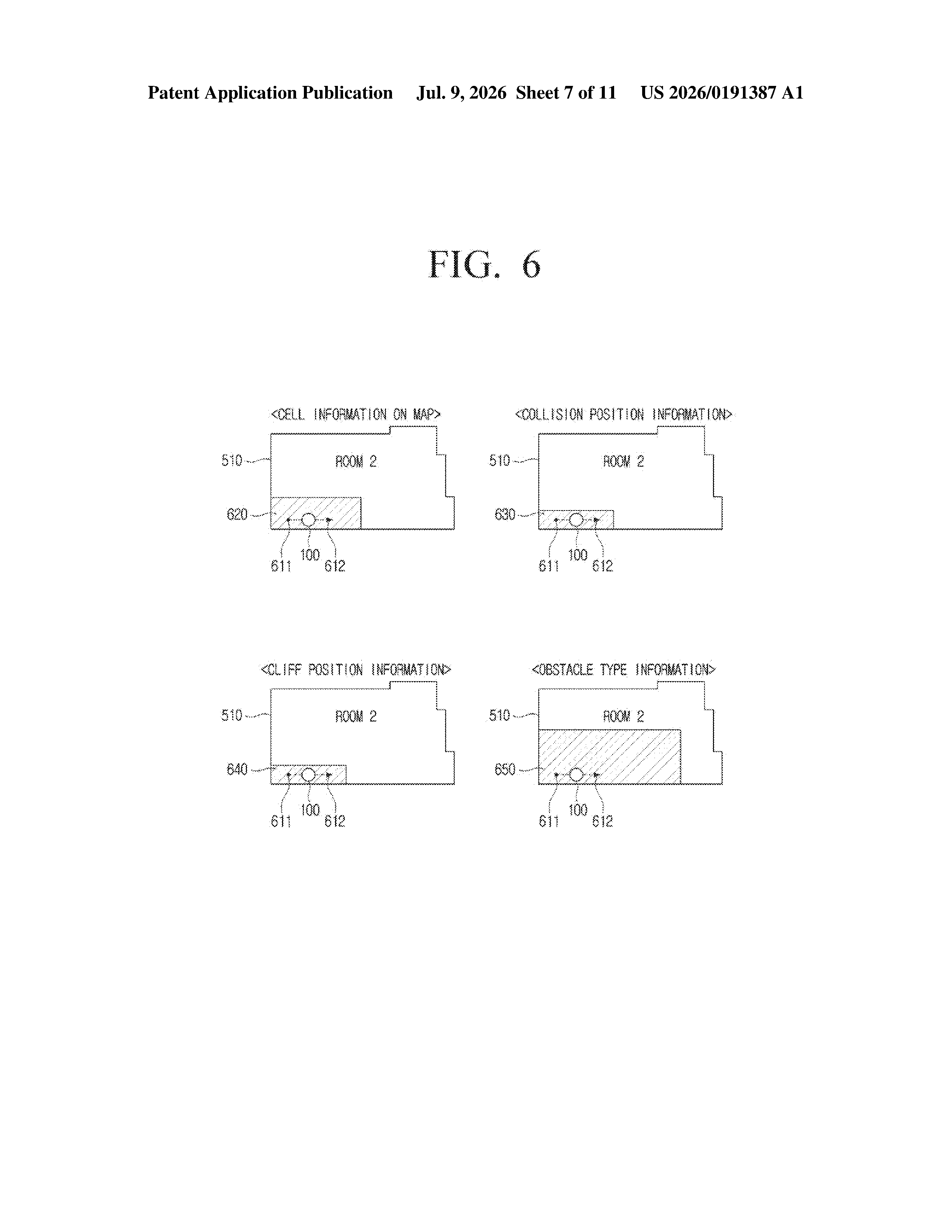
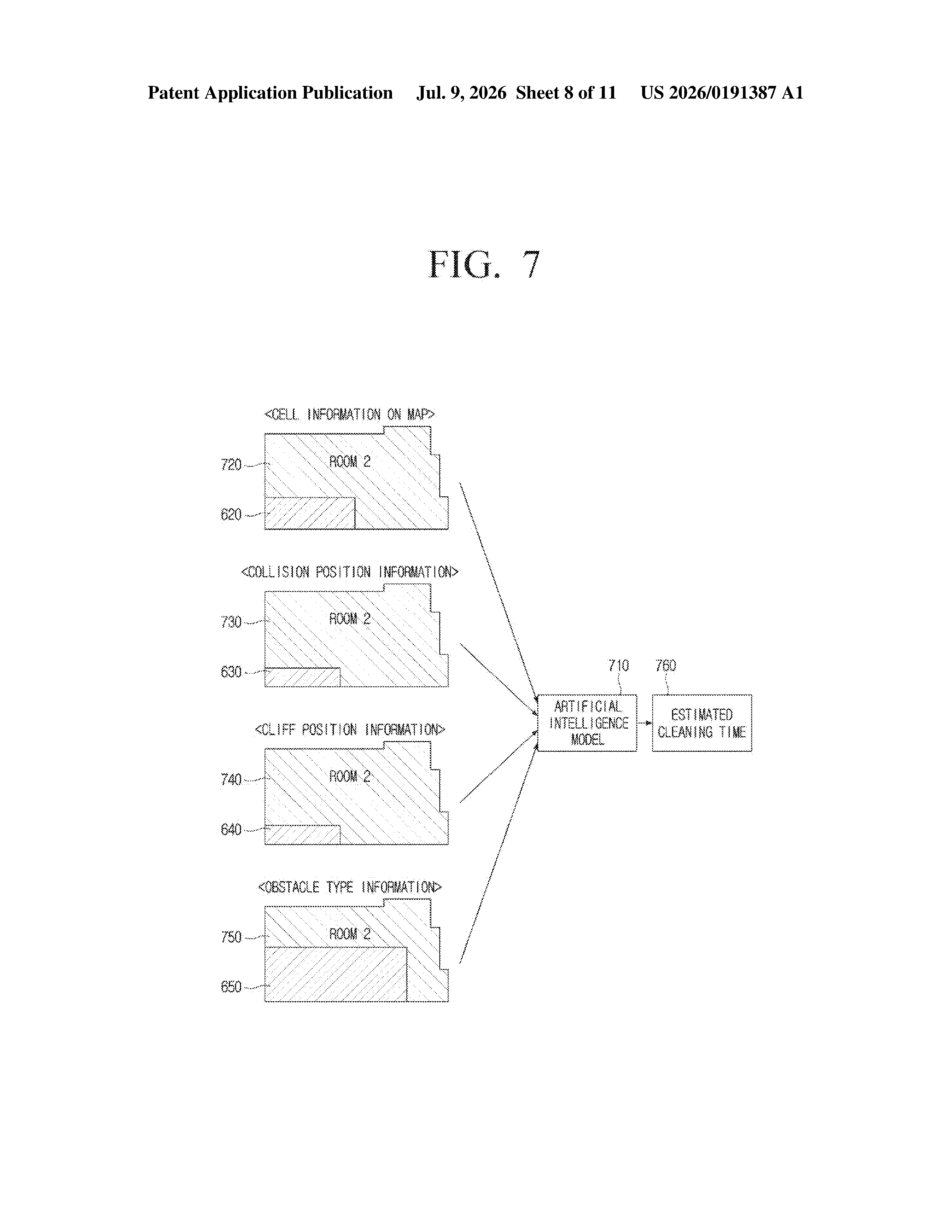
While the robot moves through a room, it collects three categories of data:
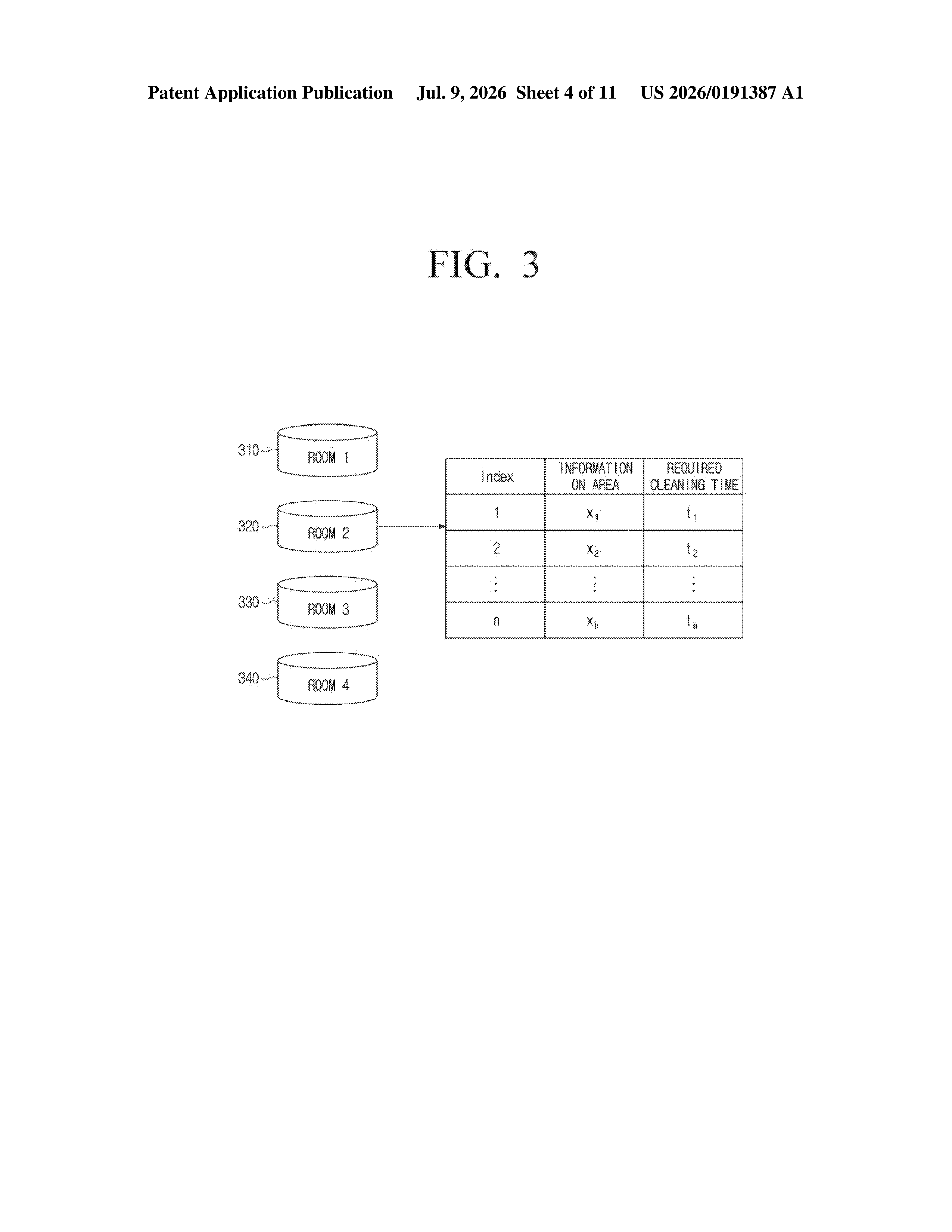
- Cell information: a grid-based map of the area being cleaned (imagine the floor broken into small squares, each marked as cleaned, uncleaned, or blocked)
- Environment information: details about the space itself, such as floor type, room size, or clutter density
- Obstacle type information: what kinds of objects are in the way, not just that something is blocking the path but what category of thing it is
All three data streams feed into the AI model, which outputs an estimated cleaning time for the area. The model can account for the fact that navigating around a coffee table takes longer than crossing open floor, or that a heavily furnished room will add time that a bare room won't.
The system is designed to run while cleaning is already underway, so estimates can update dynamically as the robot discovers more about the space.
What this means for robot vacuum scheduling
For users, this is about turning a black-box appliance into something predictable. If your robot vacuum can tell you it needs 38 more minutes, you can actually plan around it. That kind of transparency is something smart-home devices have largely failed to deliver, and it makes the device more useful in daily routines.
For Samsung, this fits into a broader push to make its Galaxy Home and Bespoke AI appliance lines feel more like coordinated household systems and less like individual gadgets. A vacuum that communicates accurate timing could slot into automated home routines, trigger notifications, or coordinate with other devices when a room is finished.
This is a practical, unsexy patent that solves a real annoyance. Cleaning time prediction isn't a headline feature, but it's exactly the kind of quality-of-life improvement that makes a premium robot vacuum worth buying over a cheaper one. The AI angle here is functional, not decorative.
Get our take in your Top Stories
Liked this breakdown? Add Patentlyze as a preferred source on Google, and our plain-English take shows up more often in your Top Stories the next time Samsung patent news breaks.
There are more where this came from
We read every patent application Big Tech publishes and send you the ones worth knowing. Plain English, free, every week.
The drawings
11 drawing sheets from US 2026/0191387 A1 · click any drawing to enlarge
Want this weekly breakdown for a company we don't cover? Patentlyze Pro →