What the filings show
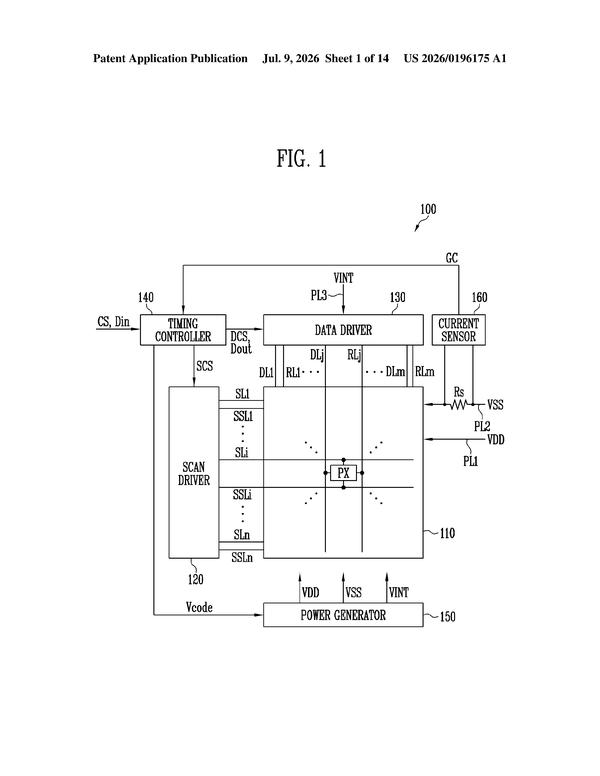
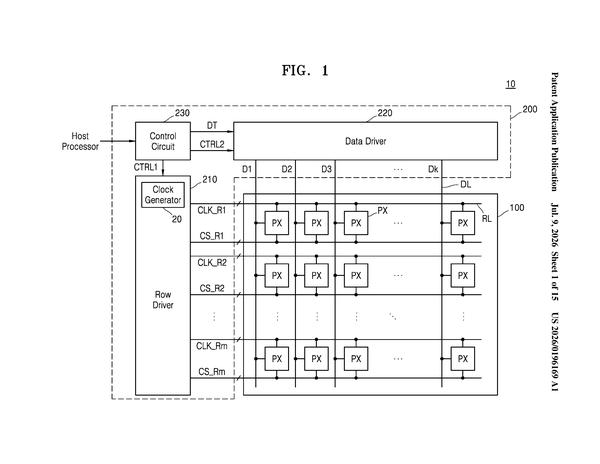
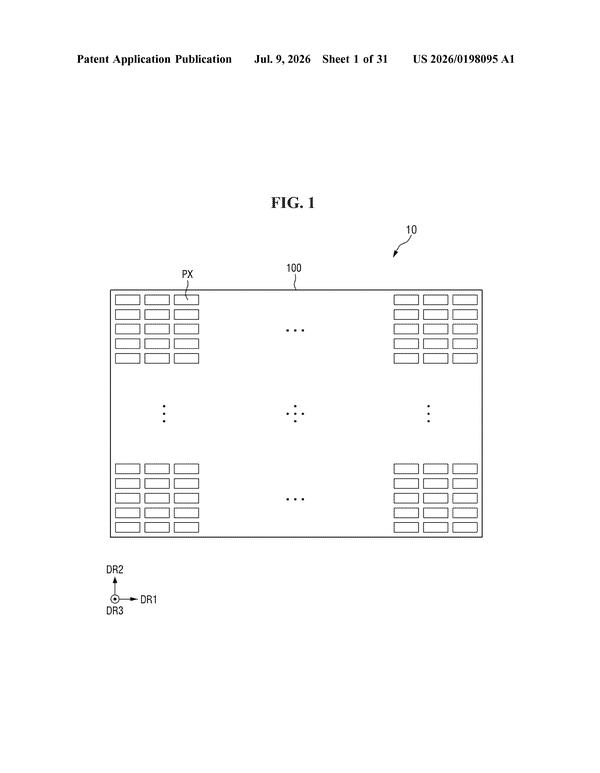
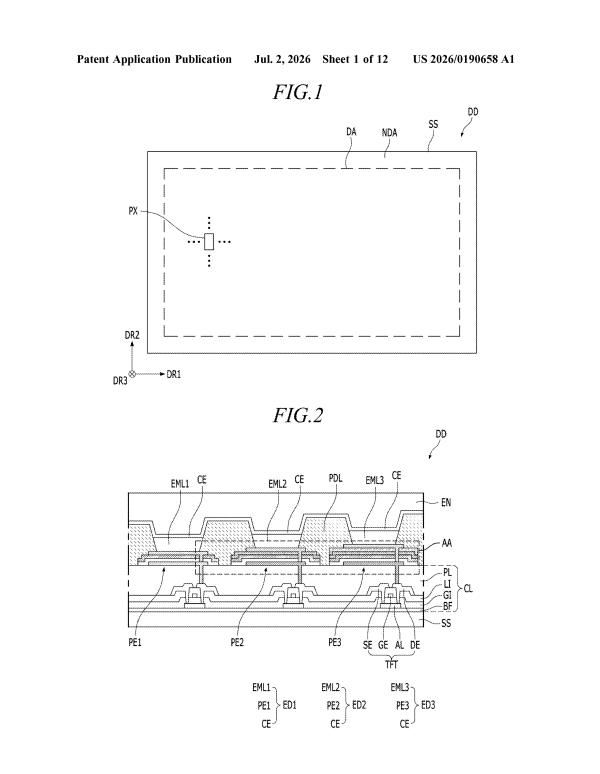
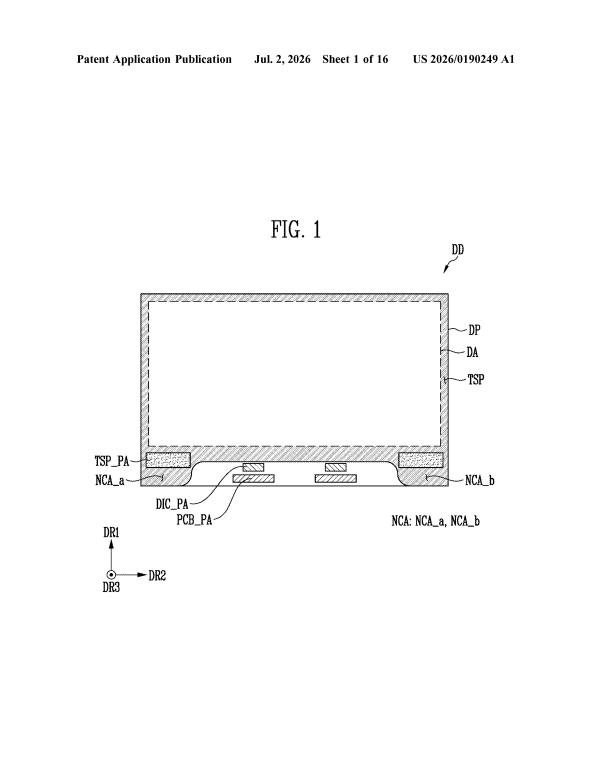
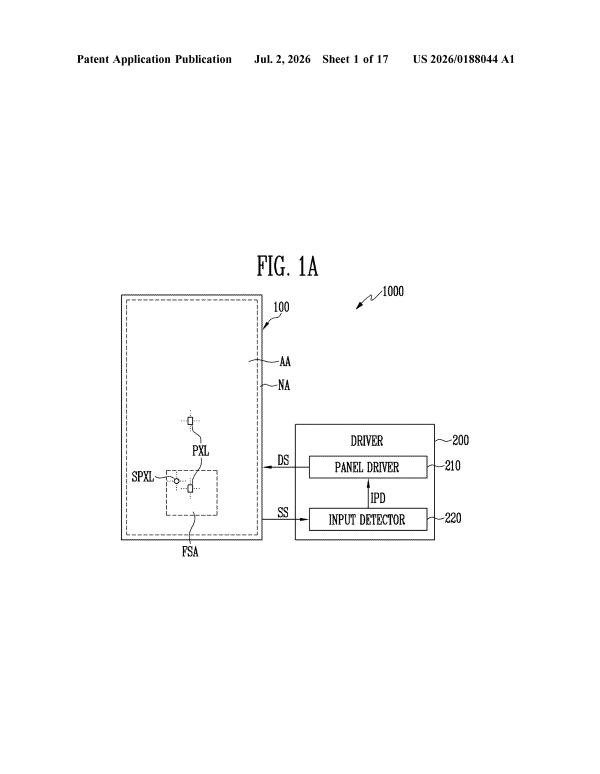
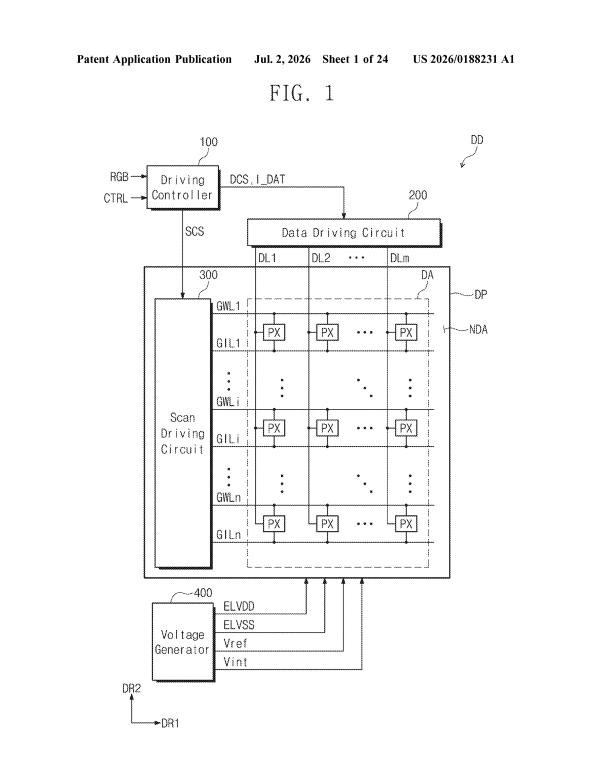
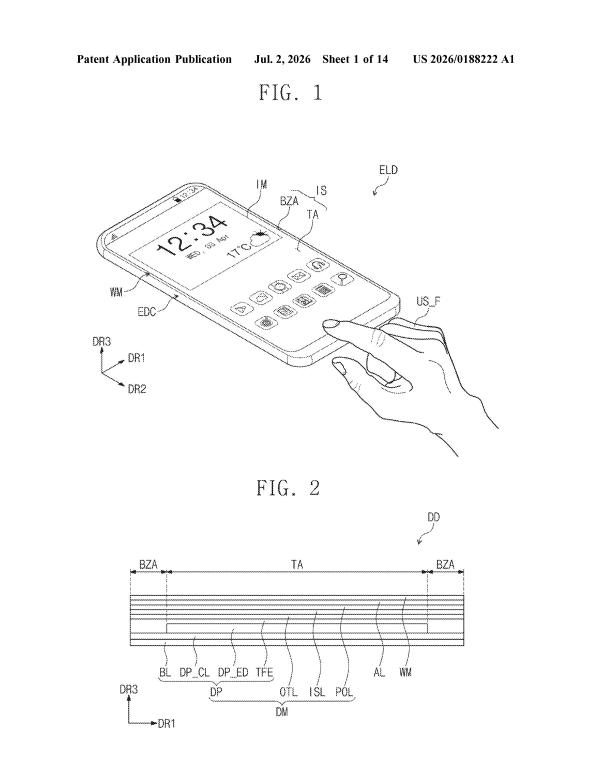
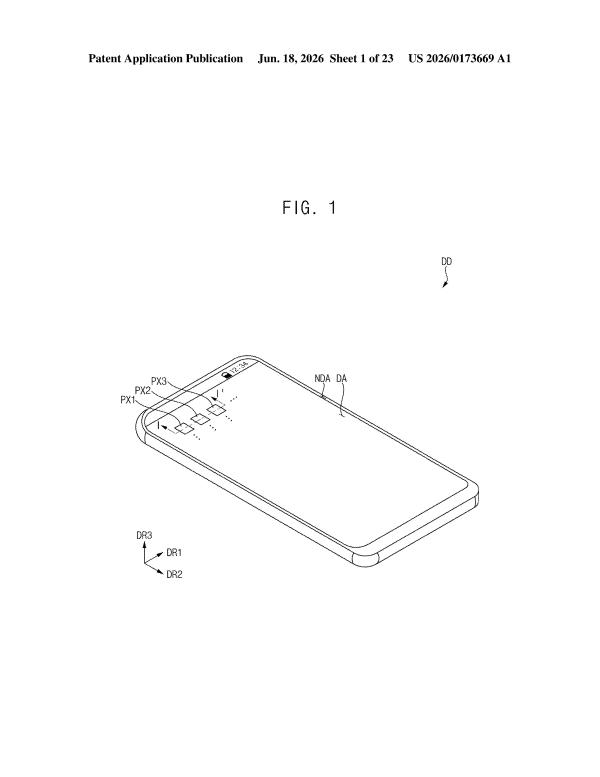
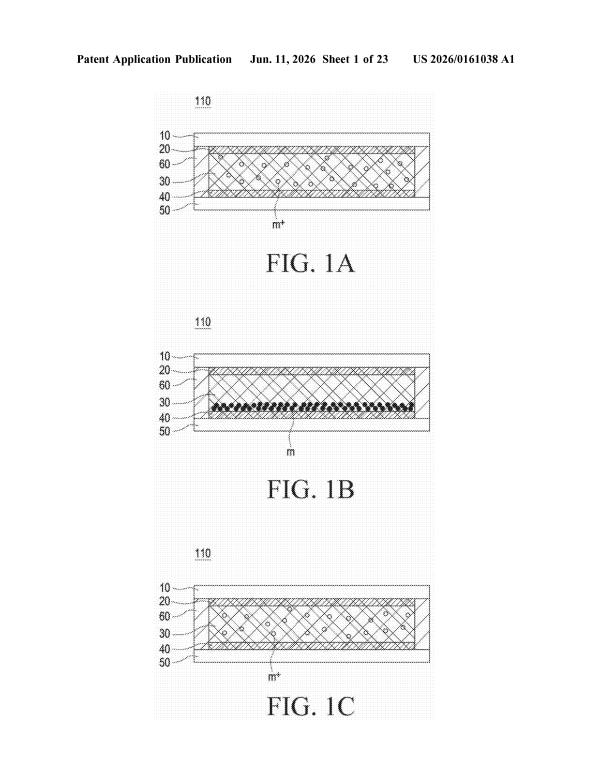
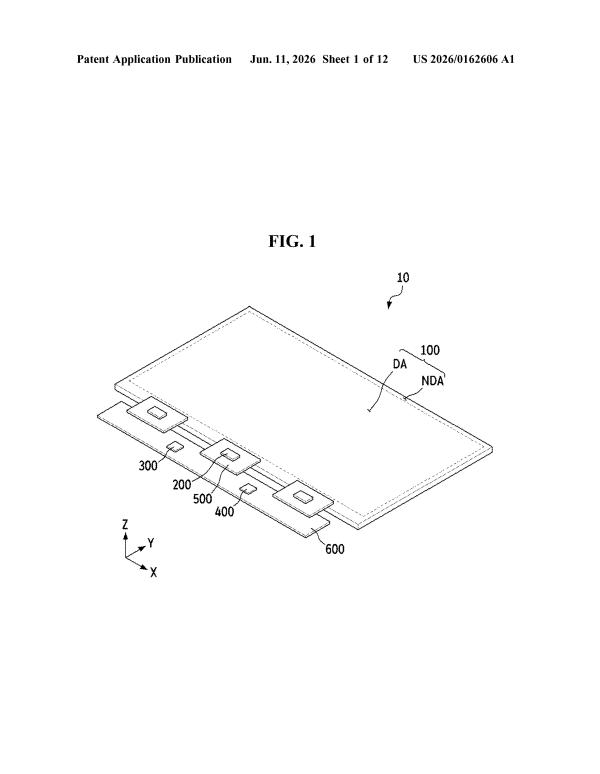
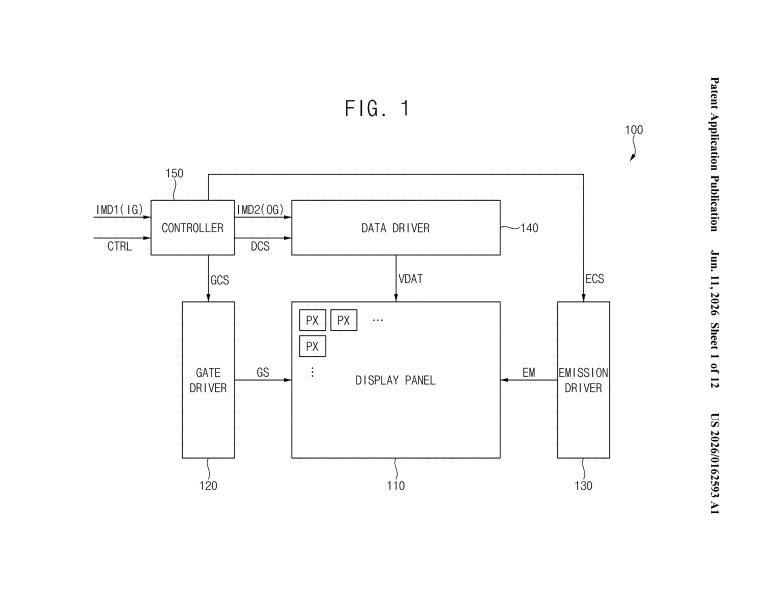
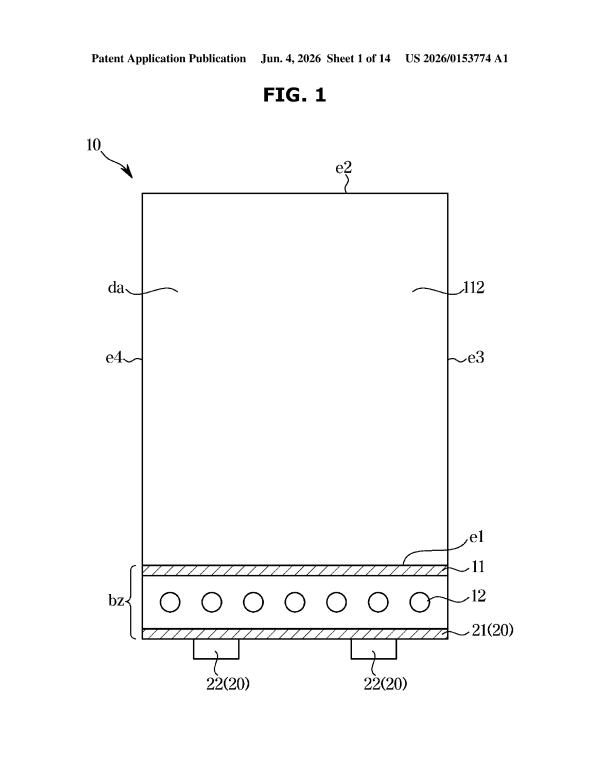
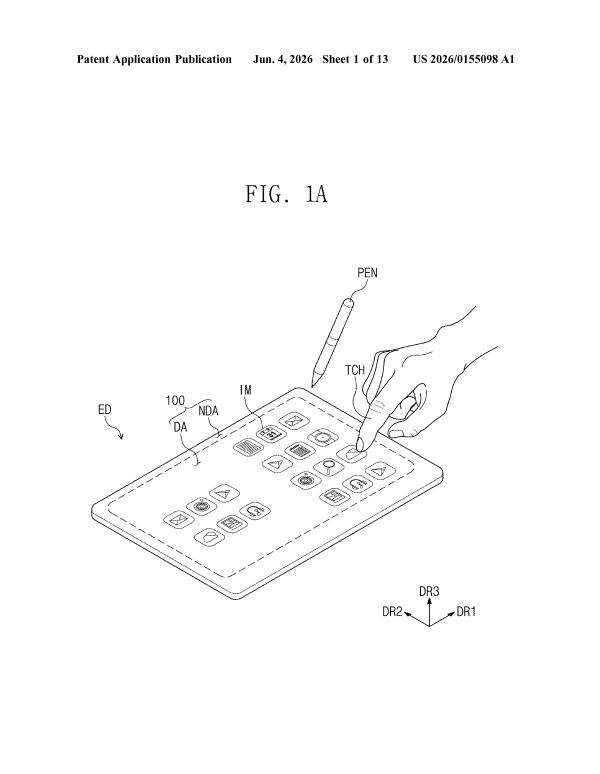
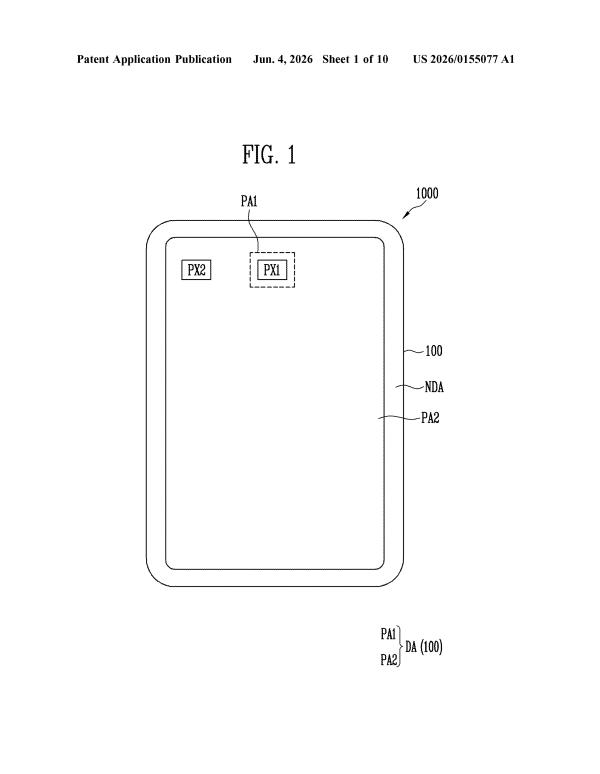
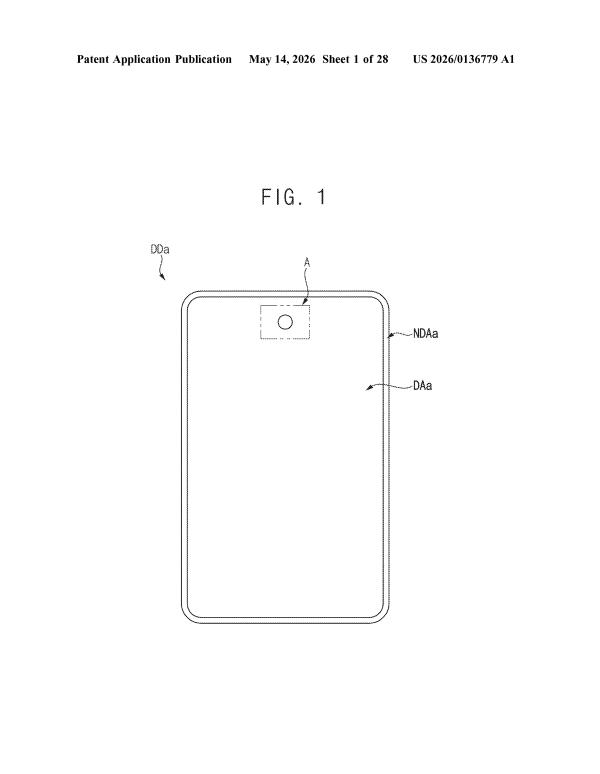
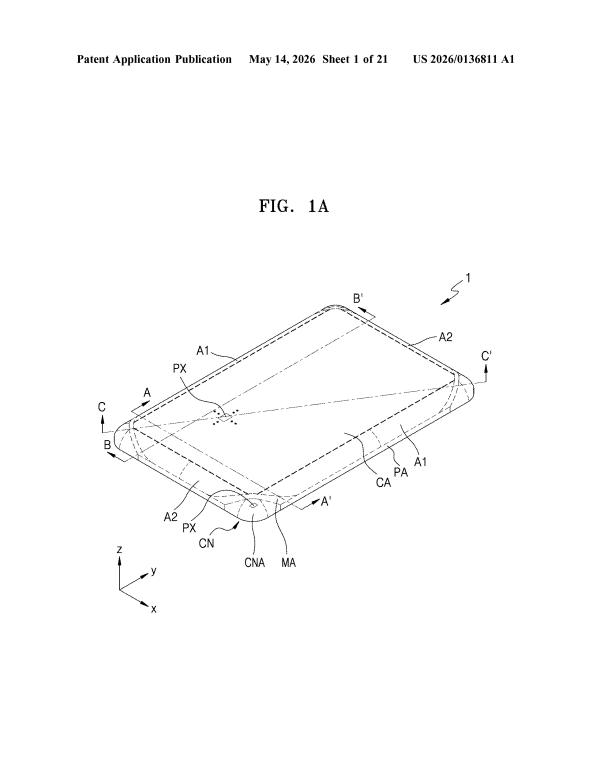
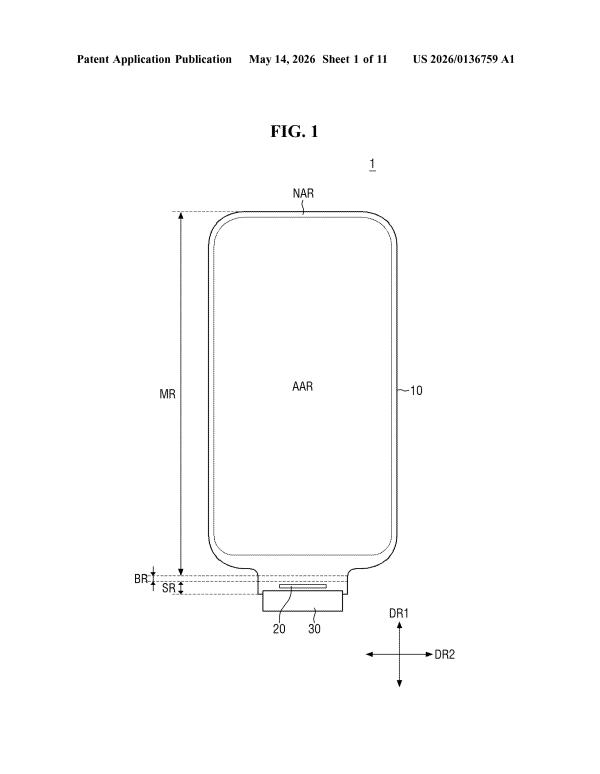
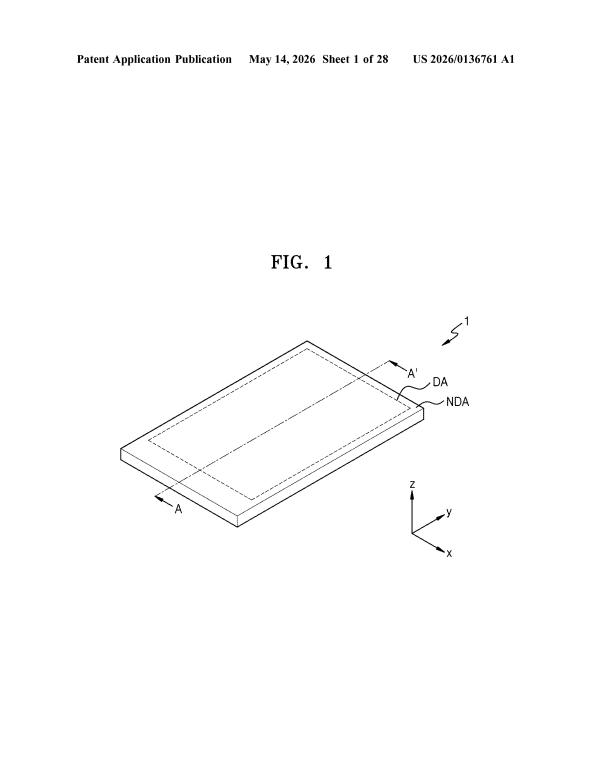
A good chunk of this batch deals with keeping OLED panels intact and even. Filings cover layered grooves around camera cutouts to block moisture, a dual organic layer encapsulation stack, and a silicon-based protective layer stack, all aimed at stopping oxygen and moisture from reaching the display stack. Others target uniformity: a glass-etching method for flexible OLED screens, a wiring layout that keeps pixel capacitance equal, and per-zone voltage tuning for screens with uneven pixel density near under-display cameras. The common thread is durability and consistency rather than adding new features.
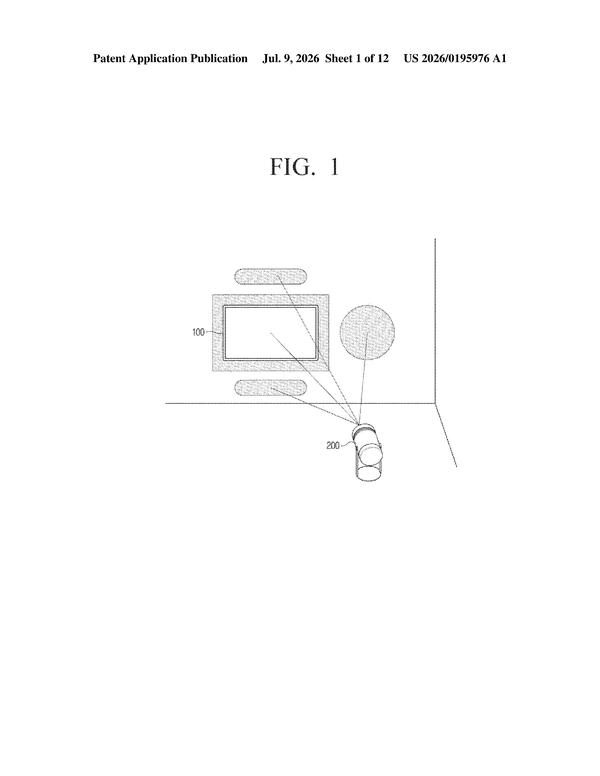
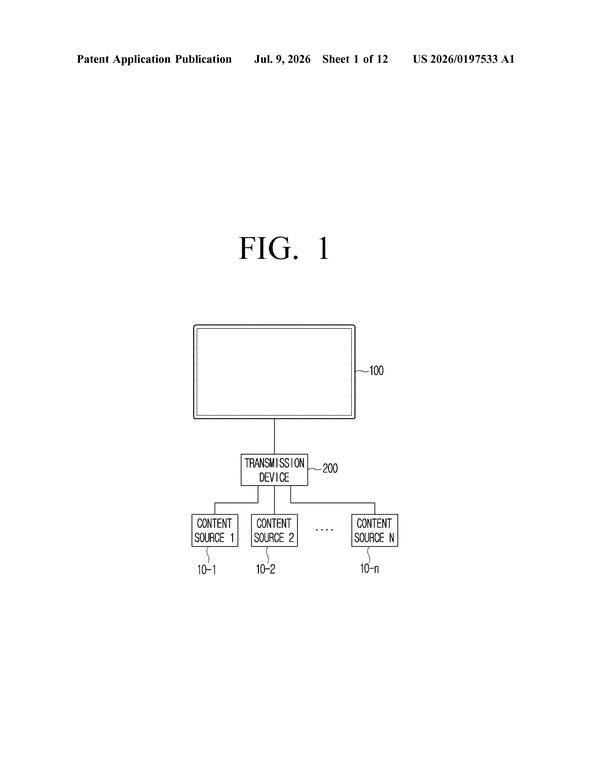
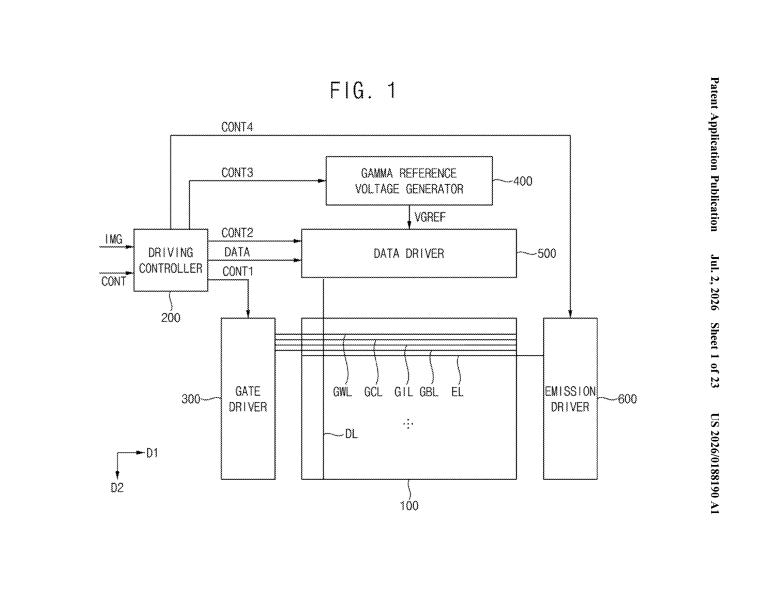
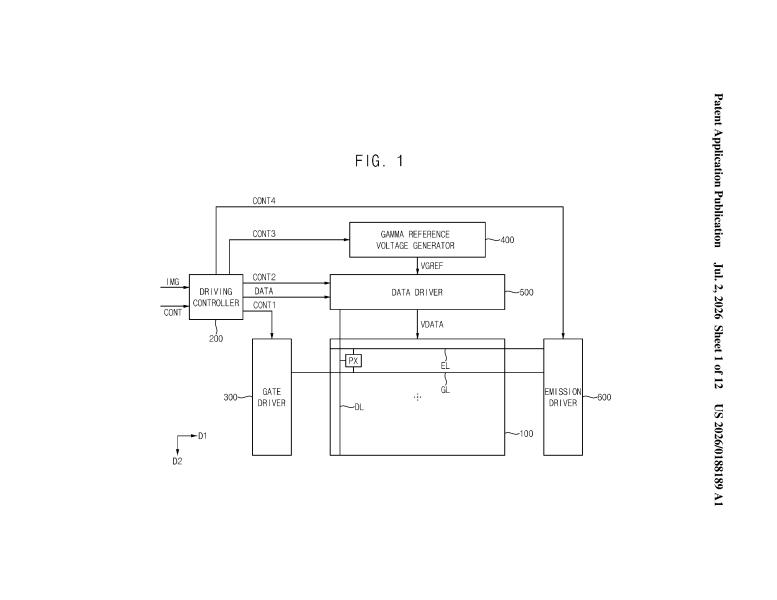
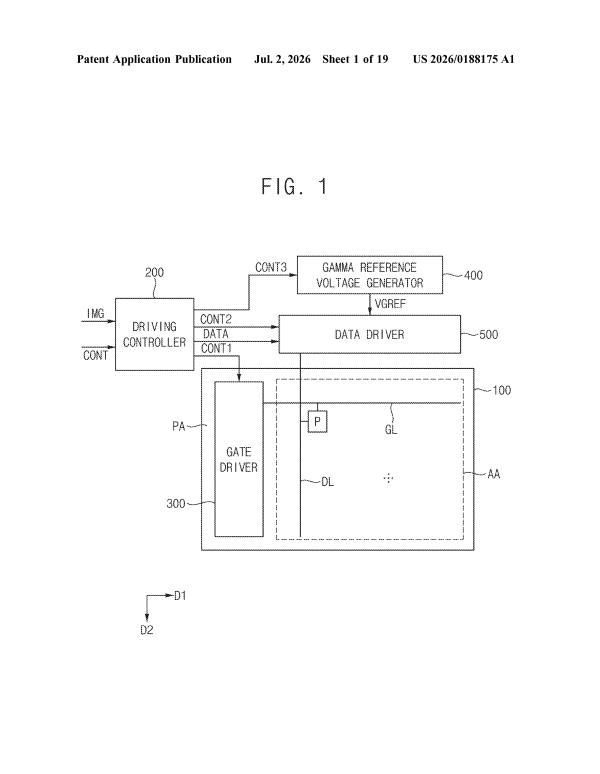
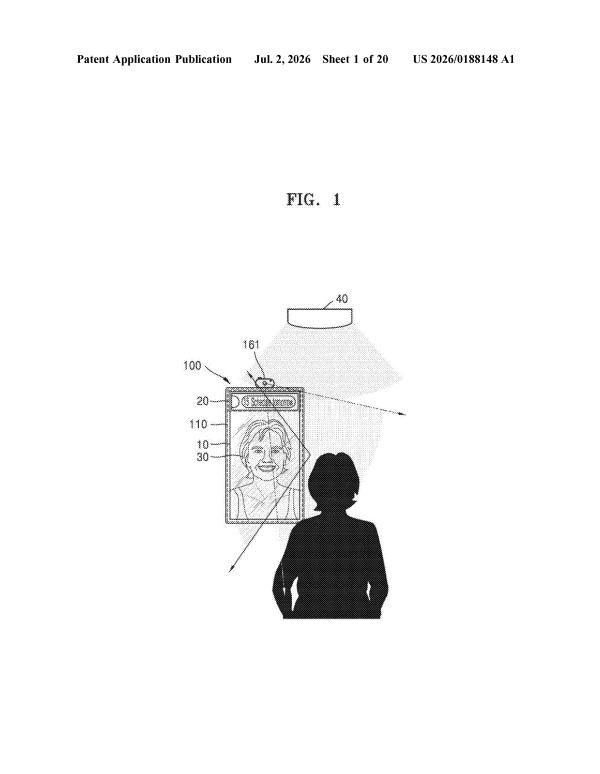
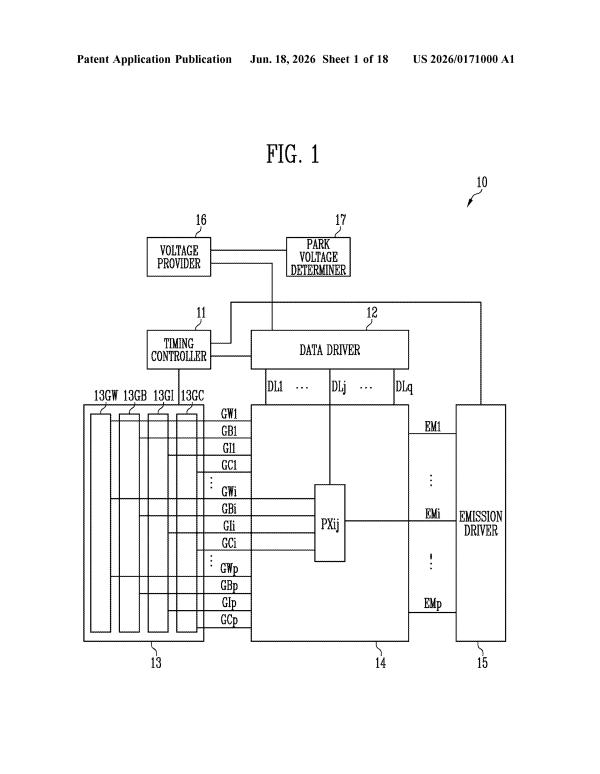
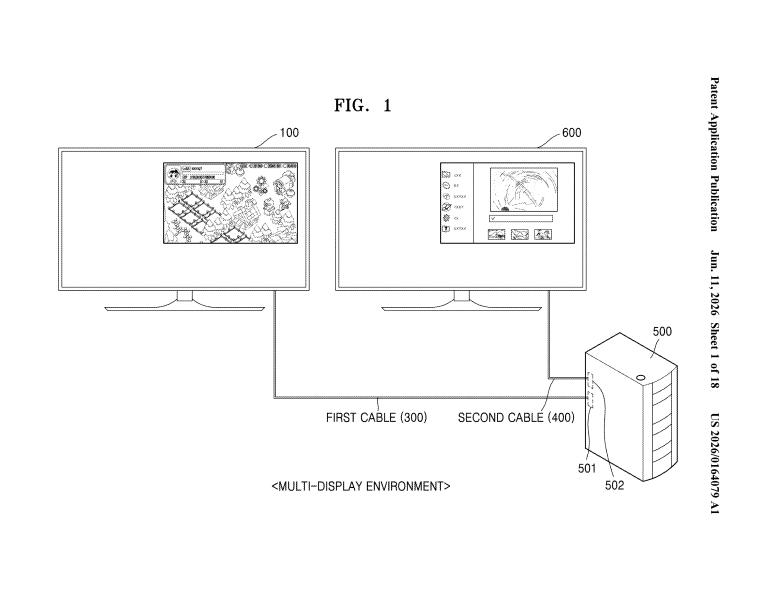
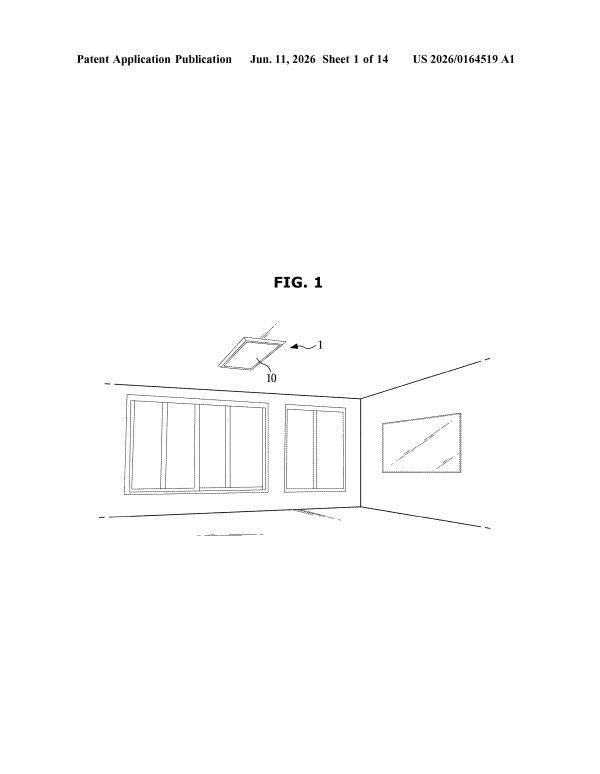
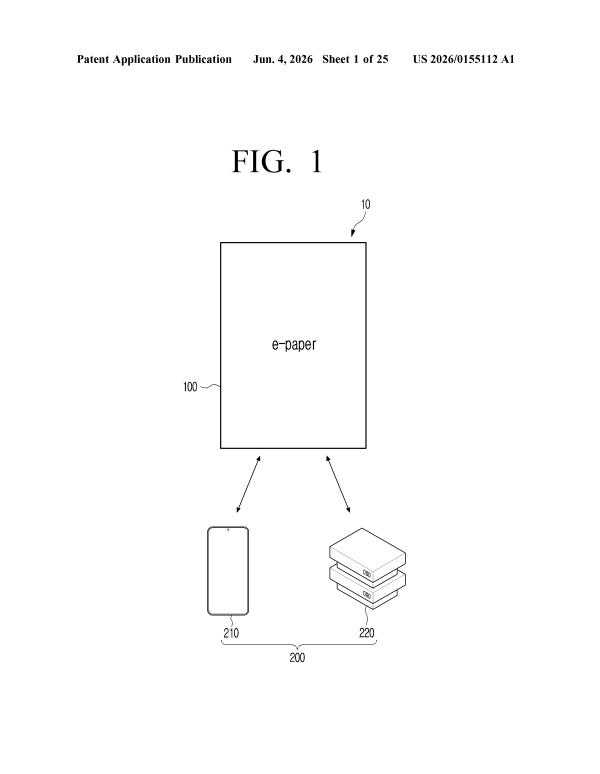
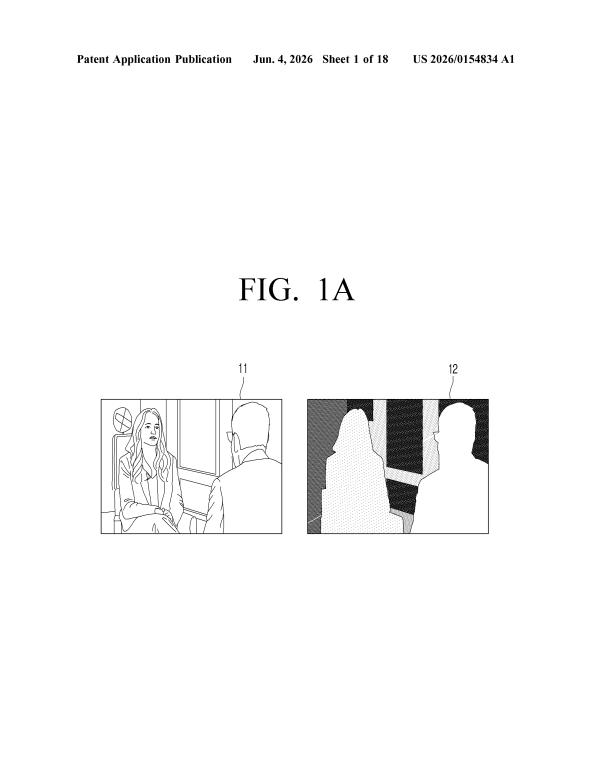
A second cluster is about how images look and respond in real time. One filing ties refresh rate to a device's network state, another uses depth maps to sharpen how objects appear on-screen, and a third fixes uneven brightness at the edges of e-ink displays. Samsung is also patenting displays that pre-brighten areas where eyes are about to look, keep multiple screens synced to each other, and adjust room lighting based on how much sun a space gets over the day. These filings treat the display as something that reacts to context, not a fixed panel.
Read together, the storyline points to Samsung refining picture quality and reliability rather than chasing bigger screens or higher resolutions. The repeated focus on moisture barriers, pixel uniformity, and light-adaptive behavior suggests engineering teams are solving problems users notice as flicker, glare, or uneven brightness rather than headline specs. As always with patents, these filings show research direction, not confirmed products, so it's worth watching whether future entries keep building on encapsulation and adaptive brightness or shift toward something new.
Questions readers ask
What problems do Samsung's display patents try to fix?
The filings target moisture getting into OLED panels through camera cutouts, uneven brightness from wiring or pixel density differences, flicker, and displays that don't adjust well to changing light or viewing conditions. Patents describe engineering approaches to these issues, though not every idea reaches production.
Are these patents about foldable phones?
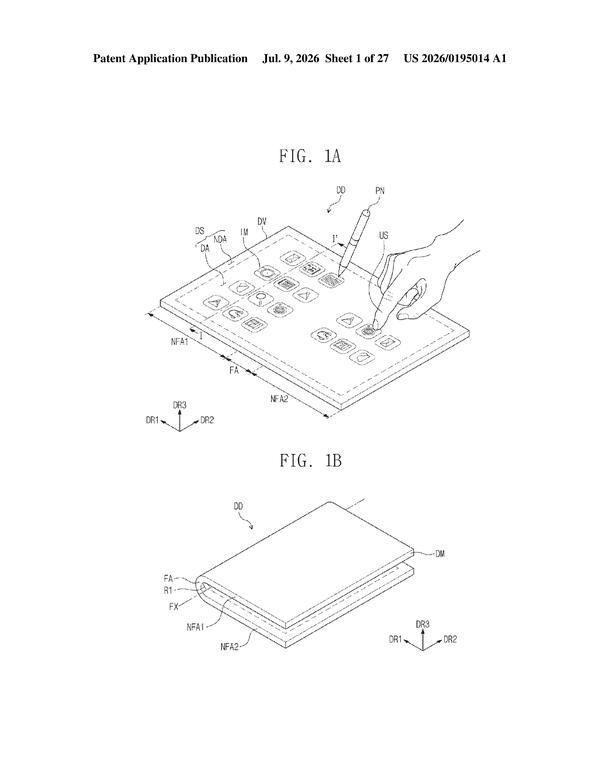
Some are. A few filings deal with glass-etching for flexible OLED screens and protective layer stacks that matter for foldable devices, but the majority focus on general display quality issues like moisture protection, brightness uniformity, and adaptive lighting rather than foldable-specific design.
Does a patent filing mean Samsung will ship this feature?
No. A patent shows what Samsung's engineers are exploring, not a confirmed product plan. Some ideas in this storyline, like light that adapts to room sun exposure or displays that sync across multiple screens, may appear in future devices, while others may stay unused.
Why do so many filings mention moisture and encapsulation?
OLED panels are vulnerable to oxygen and moisture reaching the organic layers, especially near camera cutouts and folds. Several filings in this storyline, including layered grooves and dual organic layer encapsulation stacks, address that vulnerability directly, which suggests it remains a persistent engineering challenge.