
Meta Files Patent for an AI Feed That Aggregates Rival Social Platforms
Meta is patenting a system that could pull content from TikTok, X, Snapchat, and other rival platforms directly into a single AI-curated feed — with Meta's own ads placed strategically in between.
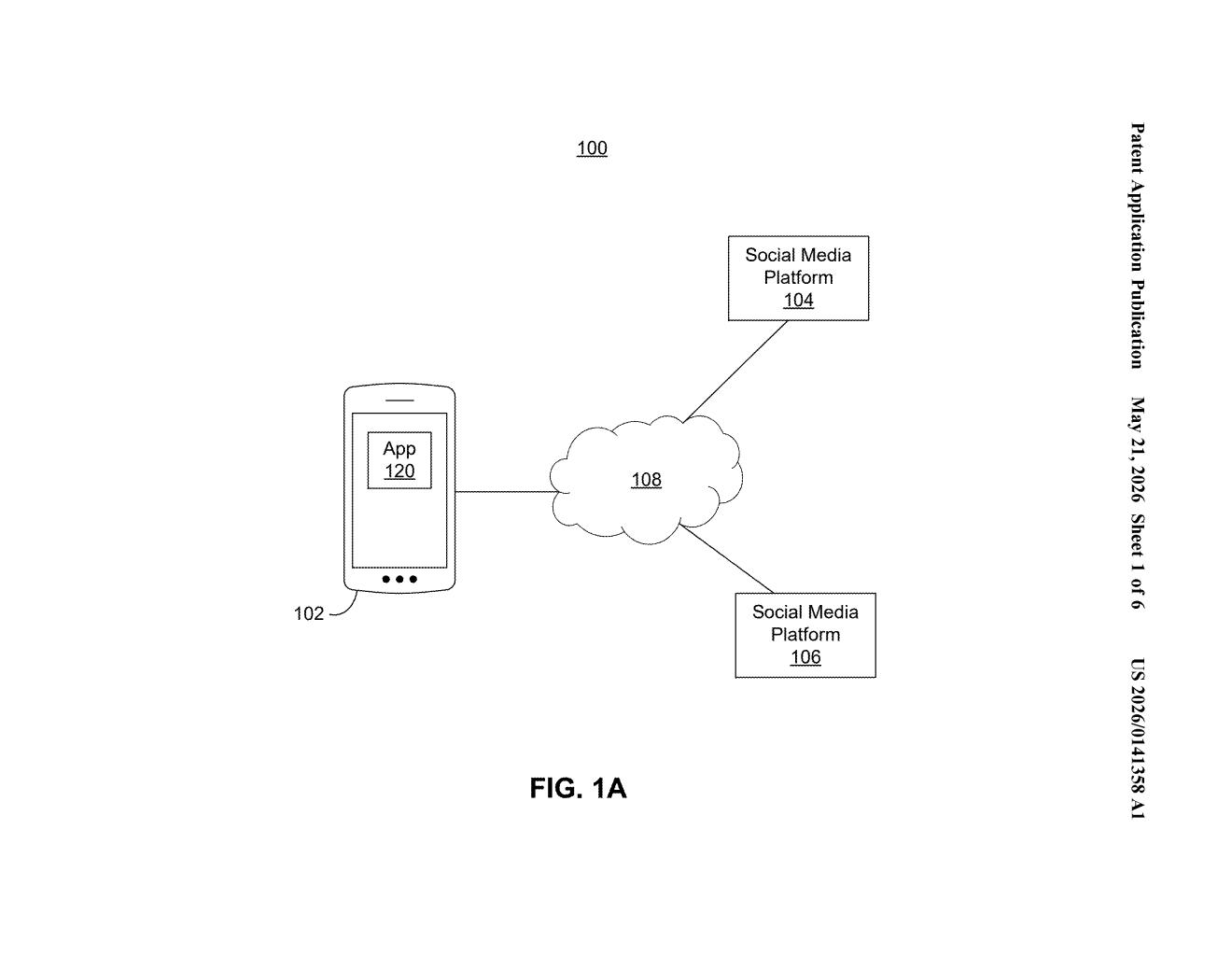
What Meta's cross-platform content aggregator actually does
Imagine if your Facebook or Instagram feed didn't just show you posts from those apps, but also pulled in content from TikTok, Reddit, or wherever else you spend time online — all mixed together in one scroll. That's essentially what this patent describes.
Meta's system would let you query for social media content, and an AI would retrieve relevant posts from multiple platforms — including ones Meta doesn't own — and stitch them into a single unified feed. Meta calls its own content "first-party" and everyone else's "third-party."
The clever (and commercially useful) part: sponsored content — ads — gets inserted between organic posts based on how engaged you are. The more the AI learns about your interaction patterns, the better it gets at deciding what to show you next, and where to slip in a paid placement.
How Meta's system builds and ranks the consolidated feed
At its core, this patent describes a cross-platform content aggregation engine driven by machine learning. Here's how the pieces fit together:
- Query intake: The system receives a content query — essentially a request like "show me relevant social content" — and uses it to retrieve posts across multiple messaging and social platforms simultaneously.
- Feed consolidation: Retrieved content is assembled into a consolidated content feed, mixing Meta's own first-party content (Facebook posts, Instagram Reels, Threads) with third-party content from external platforms.
- Slot-based layout: The feed is broken into discrete content slots — think of them as buckets that hold one post each. These slots are categorized as either first-party or third-party depending on the source.
- ML-driven ad placement: Machine learning models analyze user engagement metrics (how long you pause, what you tap, what you skip) to determine where sponsored content slots get inserted — optimizing for both user experience and ad revenue.
The patent's independent claim is deliberately broad: it covers any method of receiving a query, retrieving cross-platform content, and arranging it into labeled first-party vs. third-party slots. That breadth is intentional.
What this means for Meta's grip on your social media time
If Meta actually built this, it would represent a significant strategic pivot: instead of competing with TikTok or X for your attention, Meta would absorb their content into its own ad-monetized surface. You'd stay in Meta's ecosystem even while consuming content from rivals — and Meta would collect engagement data and serve ads the whole time.
For users, a unified feed sounds convenient. But the real winner here is Meta's advertising business: by owning the container that holds everyone else's content, Meta gets to decide where the ads go and who sees them. It also raises obvious questions about whether rival platforms would ever consent to having their content redistributed this way — something the patent doesn't address.
This is a genuinely interesting strategic patent, not a routine engineering filing. The concept of Meta acting as an aggregator layer over the entire social web — essentially becoming the RSS reader of social media, but with its ad engine running underneath — is a real competitive idea worth watching. Whether it ever ships depends entirely on whether other platforms allow their content to be ingested, which is a very large 'if.'
There are more where this came from
We read every patent application Big Tech publishes and send you the ones worth knowing. Plain English, free, every week.
Want this weekly breakdown for a company we don't cover? Patentlyze Pro →