
Meta Patents a System to Catch Avatar Impersonators in Virtual Worlds
Imagine someone creates a virtual avatar that looks exactly like yours, then uses it to access your digital wallet or private spaces. Meta is working on a system to catch that before it happens.
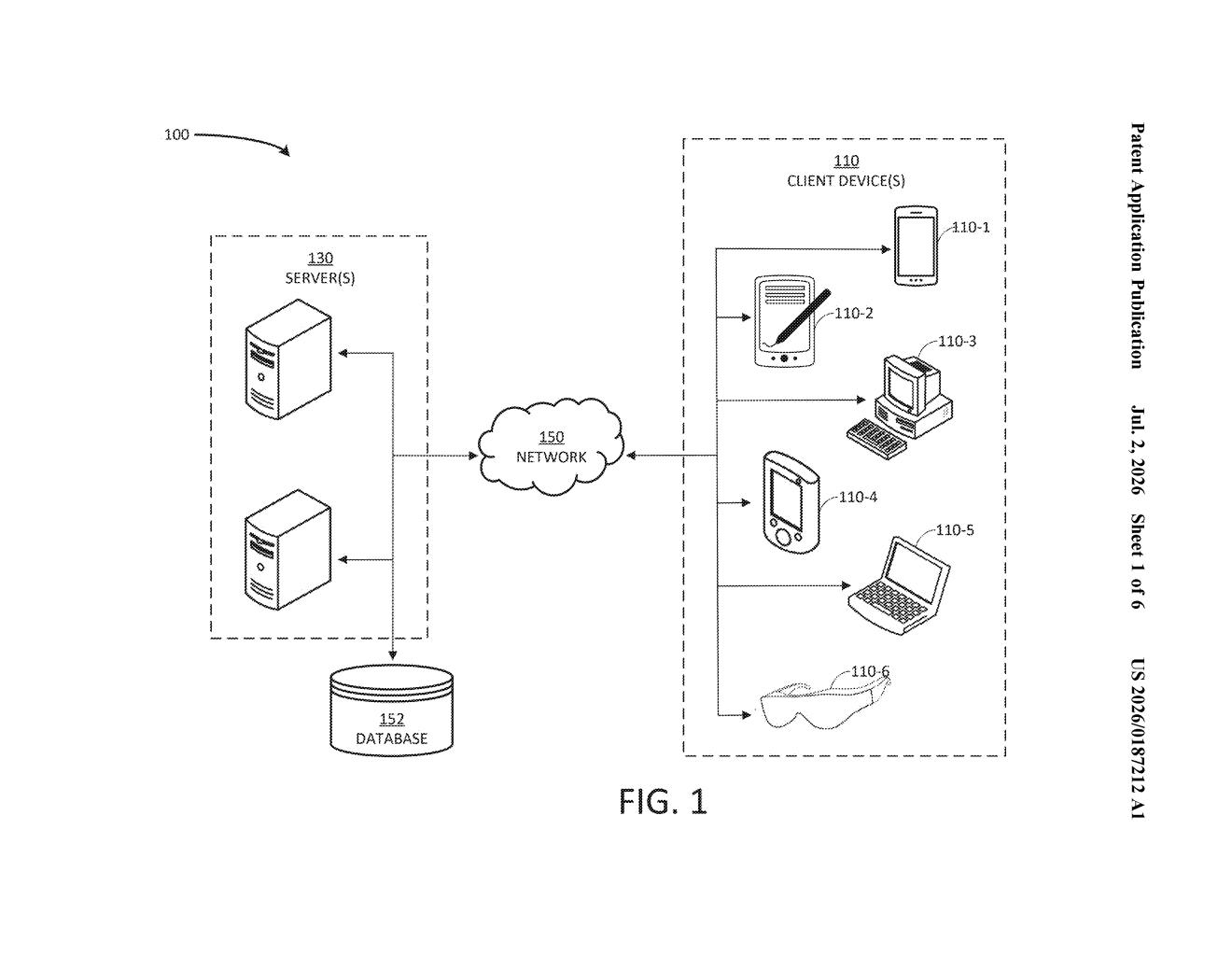
What Meta's avatar identity check actually does
In virtual reality and social platforms, your avatar is essentially your face. But unlike a real face, anyone can copy the look of an avatar and potentially use it to trick a system into granting them access to your account, your virtual items, or your private spaces.
Meta's patent describes a way to compare two different kinds of images of two different users and decide whether they're actually the same person. Think of it like a bouncer who can check both your driver's license photo and a live photo of your face at the same time, even if those images look very different on the surface.
The system converts each image into a kind of digital fingerprint, then measures how similar those fingerprints are. If the score is high enough, the system decides the two users are the same person and grants access. If not, it flags a potential impersonation attempt.
How the similarity score catches cross-modal fakes
The patent describes a cross-modal identity verification system. Cross-modal means it compares two images that come from different sources or formats, for example a realistic face scan from one user and a stylized avatar image from another.
Here's the core flow:
- Take a first type of image from User A (say, a rendered avatar or depth-camera scan).
- Take a second type of image from User B (say, a standard photo or a different avatar style).
- Convert both into a digital representation (a numerical embedding, meaning a compact mathematical description of the person's identity features).
- Compute a similarity score measuring how closely the two embeddings match.
- If the score clears a threshold, the system concludes both images depict the same person and grants access to the asset tied to User A's account.
The key technical challenge here is that the two image types may look very different visually even when they represent the same real person. The system's embedding model has to be trained to see through stylistic differences and focus on underlying identity signals.
What this means for VR account security
As Meta pushes deeper into VR and mixed-reality social platforms, virtual assets like digital clothing, currency, and exclusive spaces carry real monetary value. Without identity verification that works across avatar styles and image formats, those assets are vulnerable to spoofing attacks where someone clones an avatar to gain unauthorized access.
For you as a user, this kind of system would mean your virtual belongings are harder to steal even in environments where your face is replaced by a cartoon character. It also signals that Meta is thinking about identity security as a first-class problem in its metaverse infrastructure, not just an afterthought bolted on later.
This is a genuinely useful security patent for an ecosystem where Meta has a lot riding on virtual asset ownership. The cross-modal angle is the interesting part: solving identity verification when the inputs don't even look like each other is a harder problem than standard face matching, and worth paying attention to as VR economies grow.
There are more where this came from
We read every patent application Big Tech publishes and send you the ones worth knowing. Plain English, free, every week.
Want this weekly breakdown for a company we don't cover? Patentlyze Pro →
Be the first to weigh in