
Red Hat's New Patent Watches AI Models for Signs of Tampering
When an AI model quietly starts doing things it never used to do at the operating system level, that's a red flag — and Red Hat wants to be the one catching it.
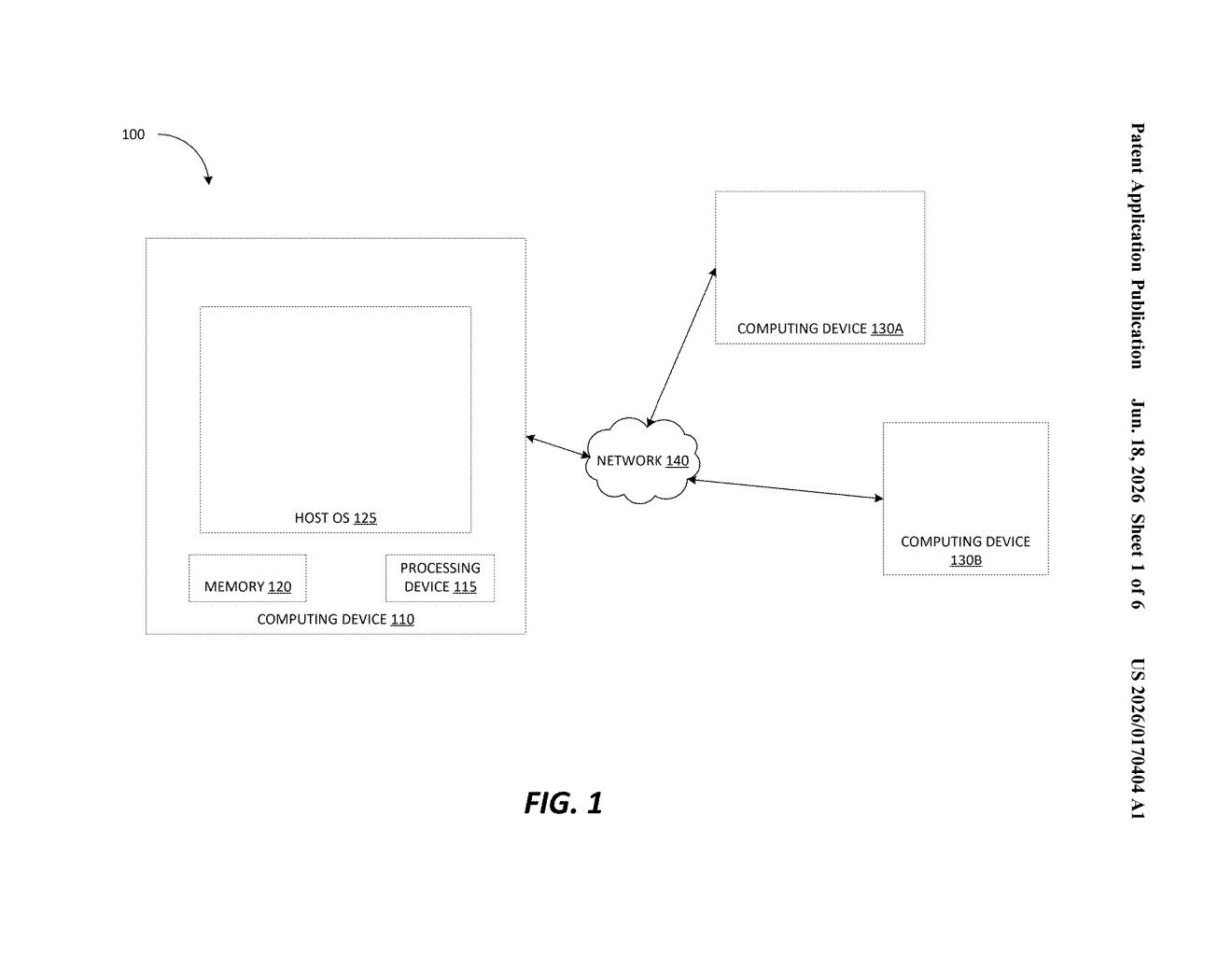
What Red Hat's AI security watchdog actually does
Imagine you hire a contractor to do one specific job in your office building. They have a keycard that opens the rooms they need. Now imagine one day their keycard suddenly opens three extra rooms you never authorized. That's a security problem — and you'd want to know immediately.
Red Hat's patent applies that same logic to AI models running on a server. When an AI model is first deployed, the system creates a detailed map of which parts of the model touch which parts of the underlying operating system — things like files, memory, and processes. Think of it as the AI's authorized access list.
If the model is later updated or modified — whether intentionally or because something malicious changed it — the system builds a new map and compares the two. Any unexpected differences trigger a security alert, and the system can automatically take steps to contain the problem. It's a form of continuous monitoring designed specifically for the blind spots that AI models can create.
How the interaction graph delta catches model changes
The patent describes a monitoring framework that runs alongside a deployed machine learning model and keeps a running record of how each layer or component of that model interacts with the host operating system's processes.
Here's the core flow:
- Initial profiling: When the model is first loaded, the system generates an interaction graph — essentially a structured map connecting each model component to the OS-level processes it calls (things like file I/O, memory allocation, or network calls).
- Continuous monitoring: The system watches for changes to the model itself. A magnitude criteria (a threshold for how significant a change must be before triggering a re-evaluation) filters out noise from minor updates.
- Delta comparison: When a meaningful change is detected, a new interaction graph is built and compared against the original. The difference — the interaction graph delta — reveals whether the model is now touching OS resources it didn't before, or in patterns it shouldn't.
- Mitigating actions: Based on what the delta shows, the system can quarantine the model, alert a security team, roll back the change, or take other containment steps.
The approach treats an AI model's OS-level behavior as a fingerprint. If that fingerprint changes in ways that weren't expected, something may have gone wrong — whether through a supply-chain attack on the model weights, unauthorized fine-tuning, or adversarial manipulation.
What this means for companies running AI in production
AI models are increasingly running inside enterprise infrastructure with significant access to sensitive systems, and most existing security tools were not built with them in mind. A model that has been tampered with — its weights modified to behave differently — looks identical to a legitimate model from the outside. Red Hat's approach sidesteps that by watching what the model actually does at the OS level, not just what it looks like.
For companies using AI in regulated environments — finance, healthcare, government — this kind of behavioral auditing could become a compliance requirement. Red Hat, which sells enterprise Linux and works closely with OpenShift (its Kubernetes platform), is positioning this squarely for the customers already running AI workloads on its infrastructure.
This is a genuinely useful idea applied to a real and underappreciated problem: most organizations have no systematic way to detect when a deployed AI model starts behaving differently at the system level. Red Hat isn't inventing the concept of behavioral monitoring, but applying it specifically to ML model components and OS interactions is a concrete contribution. Whether it ships as a standalone product or gets folded into OpenShift's security tooling is the more interesting question.
There are more where this came from
We read every patent application Big Tech publishes and send you the ones worth knowing. Plain English, free, every week.
Want this weekly breakdown for a company we don't cover? Patentlyze Pro →