
Meta Patents Shape Memory Alloy Actuators for Sharper Headset Display Focus
Meta is patenting a way to physically move lenses inside a headset using a wire that changes shape when heated, no motors, no gears. It's a surprisingly elegant approach to one of AR's most persistent focus problems.
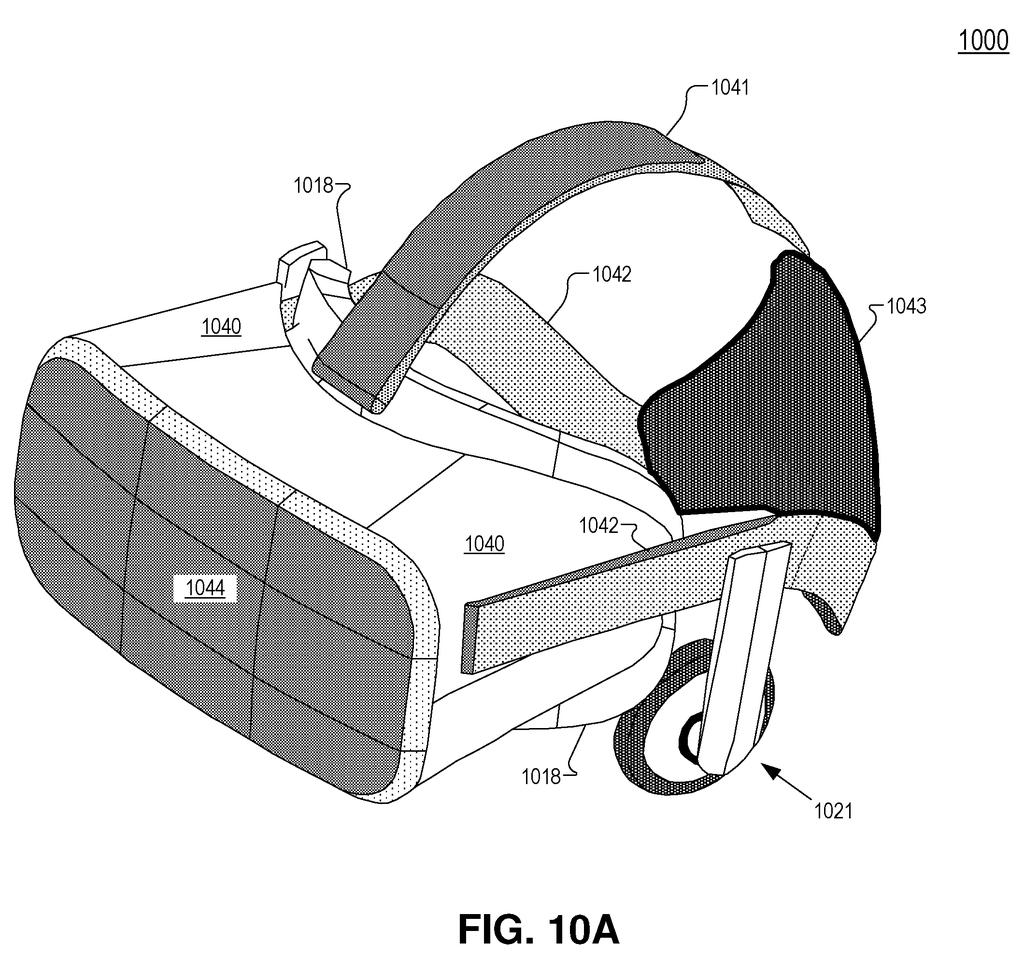
What Meta's self-adjusting AR lens actually does
Imagine putting on a pair of AR glasses and the lenses automatically shift to match your eyes, not by adjusting a digital filter, but by physically moving. That's the idea behind this Meta patent.
Inside a headset, there's a tiny gap between the display screen and the lens in front of it. Changing that gap changes what you see in focus. Meta's approach uses a material called a shape memory alloy, a metal wire that bends or contracts when you run electricity through it, then snaps back when it cools. By controlling how fast current flows through the wire, Meta can control exactly how fast and how smoothly the lens moves.
The result is a focus system with no traditional motor parts, just a smart wire and some software telling it how to behave. That means fewer things to break, and potentially a much thinner, lighter headset than you'd get with conventional motors.
… an actuation block configured to adjust a spacing between the lens and the display, wherein the actuation block comprises a shape memory alloy (SMA) actuator; and processing logic configured to operate the SMA actuator to control an actuation speed of the SMA actuator.
Translation: Smart metal moves the lens and screen closer or farther apart while electronics carefully regulate how fast it shifts.
How shape memory alloy controls the lens gap
The patent describes a lens assembly made of four parts: a display, a lens, an actuation block, and processing logic.
The key component is the shape memory alloy (SMA) actuator inside the actuation block. SMA materials (often nickel-titanium alloys) are metals that deform when cool and return to a memorized shape when heated, in this case, by passing electrical current through them. The processing logic controls that current to manage not just whether the lens moves, but how fast it moves.
- Display: generates the image as light
- Lens: focuses that light toward the viewer's eye
- SMA actuator: physically shifts the gap between display and lens to change the focal point
- Processing logic: controls the speed of that shift by managing current through the SMA wire
Controlling actuation speed matters because a lens that snaps to a new position too quickly can feel jarring, while one that moves too slowly can make the display feel unresponsive. Variable speed control lets the system tune that motion to feel natural.
A lens assembly includes a display, a lens, an actuation block, and processing logic. The display is configured to generate display light including an image. The lens is configured to focus the display light.
Translation: The headset uses a digital screen and a glass lens to project sharp pictures into the user's eyes.
What this means for the future of Meta's headsets
Focus adjustment is one of the harder physical problems in AR and VR headset design. Most people's eyes are different distances apart and have different focal needs, and current headsets handle this imperfectly. A compact, motor-free actuator that can move lenses precisely and is genuinely useful here, especially as Meta pushes toward lighter, glasses-shaped form factors with products like its Ray-Ban collaboration.
SMA actuators are already used in smartphone camera autofocus systems, so the underlying technology is proven. Meta's specific claim is around controlling the speed of the actuation, which suggests the company is thinking about user experience as much as raw mechanics. If this shows up in a future headset, you probably wouldn't see the mechanism, you'd just notice that the focus felt natural.
This is a focused, specific patent that solves a real problem. Shape memory alloy actuators are proven in smartphone cameras, and bringing that kind of compact, motorless focus control to AR headsets makes genuine sense as Meta tries to shrink its hardware. The variable-speed control detail is the interesting part, it signals Meta is thinking about how focus changes feel, not just whether they work.
There are more where this came from
We read every patent application Big Tech publishes and send you the ones worth knowing. Plain English, free, every week.
The drawings
13 drawing sheets from US 2026/0227636 A1 · click any drawing to enlarge


Want this weekly breakdown for a company we don't cover? Patentlyze Pro →
Be the first to weigh in