
Meta Patent Lets Smart Glasses Collaborate to Build One Shared Photo Automatically
Meta is patenting a system where multiple people wearing smart glasses can automatically pool their photos into a single composite image, no manual sharing required.
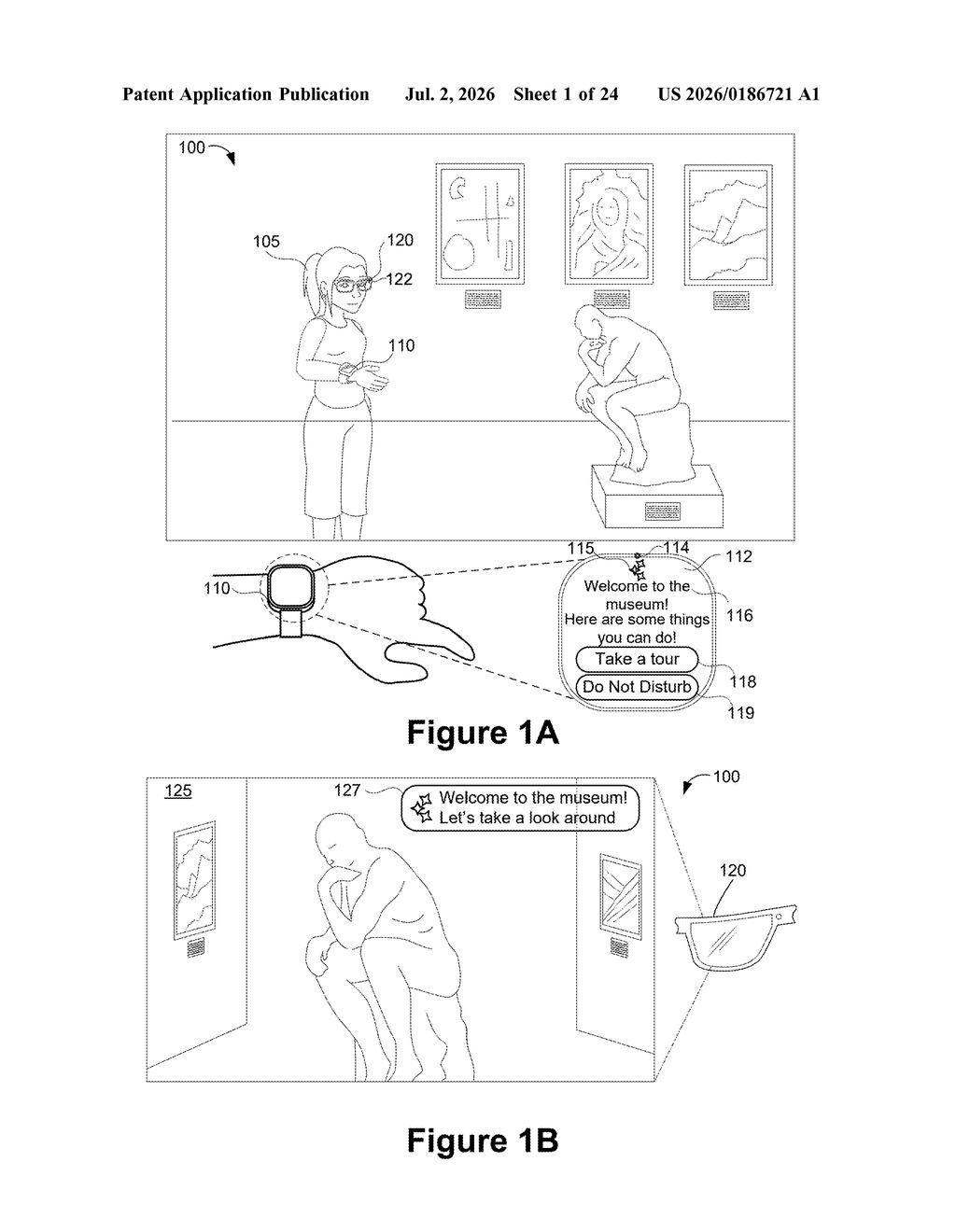
What Meta's group-photo glasses system actually does
Imagine you're at a concert with three friends, all wearing Meta's Ray-Ban smart glasses. Each of you is shooting the stage from a slightly different angle. Right now, getting all those shots into one place means texting, airdropping, or just giving up. This patent describes a system that handles that automatically.
When the glasses detect that your group is doing something together (a shared activity), each device starts capturing photos on its own. The glasses then reach out to the other devices in the group, pull their image data, and generate a single composite photo that blends everyone's perspective into one picture.
You don't have to tap a button or open an app. The glasses figure out when to shoot and when to stitch. The result is one combined image that captures the moment from every angle in your group.
How the glasses detect a group and merge the shots
The patent describes a two-stage process running on a wearable device (think smart glasses with a built-in camera) paired with a processing system.
First, the system continuously checks capture criteria (rules that determine when a photo is worth taking, such as detecting a face, a scene change, or a specific gesture). When those criteria are met, the glasses snap a photo automatically.
Second, the system checks whether the glasses are part of a group activity with other wearers nearby. If so, it reaches out to those other devices and pulls their image data too. The patent doesn't lock this down to glasses only; it says "at least one other electronic device," so phones or other wearables could contribute frames as well.
Finally, the system runs a composite image generation step that combines portions of each device's footage into one unified picture. The claim is deliberately broad about what "composite" means, so this could be a side-by-side panel layout, a stitched panorama, or an AI-blended single frame depending on implementation.
What this means for Meta's Ray-Ban glasses line
Meta's Ray-Ban smart glasses already have cameras that can take hands-free photos, but right now each pair operates independently. This patent points toward a future where wearing the glasses inside a group is enough to produce a collaboratively shot photo album automatically, without anyone having to think about it. That's a meaningful jump in what passive, wearable cameras can do socially.
It also signals where Meta thinks the value of always-on glasses cameras really lies: not in solo selfies, but in shared experiences captured from multiple viewpoints at once. If this ships, it would give Meta's glasses a social coordination feature that standalone cameras and phones simply can't match.
This is one of the more genuinely interesting social-camera patents Meta has filed. The idea that a group of wearers can passively co-produce a single photo, without anyone opening an app, is a real UX leap over current smart glasses. The open question is privacy: automatically pulling images from other people's devices, even friends', will need careful consent design before it gets anywhere near a product.
Get our take in your Top Stories
Liked this breakdown? Add Patentlyze as a preferred source on Google, and our plain-English take shows up more often in your Top Stories the next time Meta patent news breaks.
There are more where this came from
We read every patent application Big Tech publishes and send you the ones worth knowing. Plain English, free, every week.
Want this weekly breakdown for a company we don't cover? Patentlyze Pro →