
Microsoft Patent Shows AI Pre-Loading Custom Content Before Users Scroll Down
Microsoft has filed a patent for a system that generates AI-tailored content for you while you're reading the top of your feed, so by the time you scroll down, the personalized posts are already there waiting.
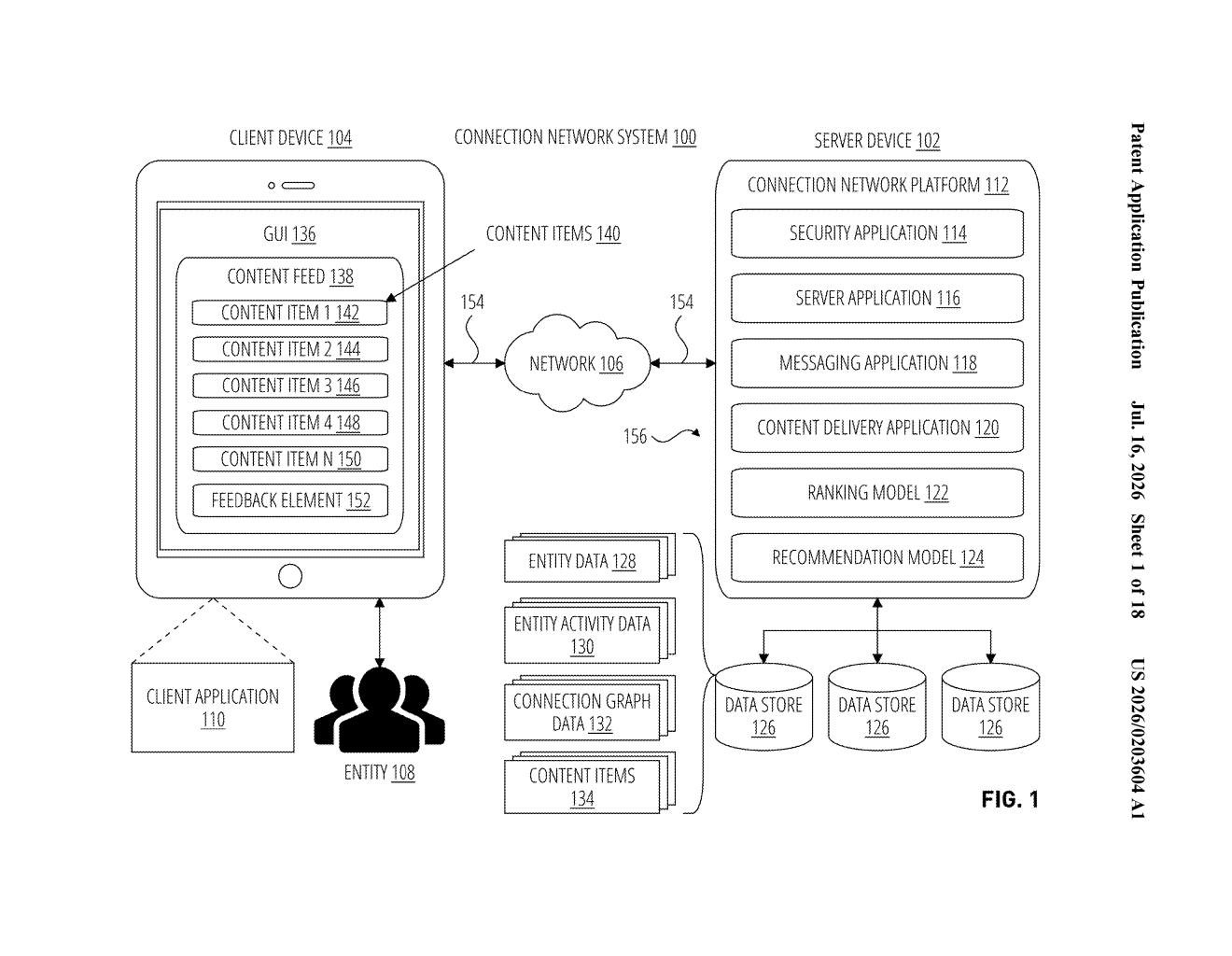
How Microsoft hides AI-generated posts just off-screen
Imagine opening LinkedIn and scrolling through your feed. The posts at the top load instantly, but further down there's usually a brief pause while the app fetches more content. Microsoft's patent describes a way to eliminate that pause using AI.
Here's the idea: the moment you open the app, the system immediately shows you content it already had saved from a previous visit. At the same time, in the background, an AI model starts generating new personalized content just for you. That AI content is slotted into the parts of your feed you haven't scrolled to yet.
By the time you reach those lower sections, everything is already there. No spinner, no delay. The system essentially bets on where your eyes are going next and uses that time to get ready.
How cached and AI content fill different screen zones
The patent describes a two-track content delivery system built around what engineers call asynchronous serving, meaning two things happen at the same time rather than one after the other.
When a user opens the app, the system immediately pulls a cached content item (content saved from an earlier session) and displays it in the visible part of the screen. Simultaneously, it sends a request to a generative AI (GAI) model to create a fresh, personalized content item based on the user's identity and behavior history.
The key detail is where the AI content lands. The patent distinguishes between two zones of the screen:
- Rendered section: what's visible on screen right now, filled immediately with cached content
- Non-rendered section: the part of the feed below the visible area, where the AI-generated content is placed while the user reads the top
The system checks whether the AI content has finished generating, and if it has, slots it into that off-screen zone. If the user scrolls down before it's ready, the system presumably falls back to other content. The result is a feed that feels instant at every scroll position.
What this means for your LinkedIn feed experience
For users, this is mostly invisible in a good way. LinkedIn feeds that load without delay and feel more personally relevant are the direct goal. The patent is specifically scoped to connection networking applications, which points squarely at LinkedIn, the Microsoft-owned professional network with roughly one billion members.
For Microsoft's ad and engagement business, the stakes are higher. Content that loads faster gets more attention, and AI-personalized content is more likely to keep you scrolling. A system that removes friction from the feed experience while injecting AI-generated suggestions could meaningfully increase time spent on the platform, which is the metric advertisers care most about.
This is a practical infrastructure patent, not a flashy AI announcement, but it describes real plumbing that LinkedIn almost certainly needs. The generative-AI-in-the-feed direction is obvious; the interesting part here is the specific engineering choice to pre-fill off-screen slots asynchronously rather than waiting for a scroll event. That's a meaningful UX decision dressed up in patent language.
There are more where this came from
We read every patent application Big Tech publishes and send you the ones worth knowing. Plain English, free, every week.
Want this weekly breakdown for a company we don't cover? Patentlyze Pro →
Be the first to weigh in