
Microsoft Patents a System That Learns Which Notifications You're Going to Ignore
Every app has sent you a notification you immediately dismissed, deleted, or muted the sender over. Microsoft is patenting a way to teach its AI exactly what that looks like, before it sends the next one.
How Microsoft's notification-annoyance model actually works
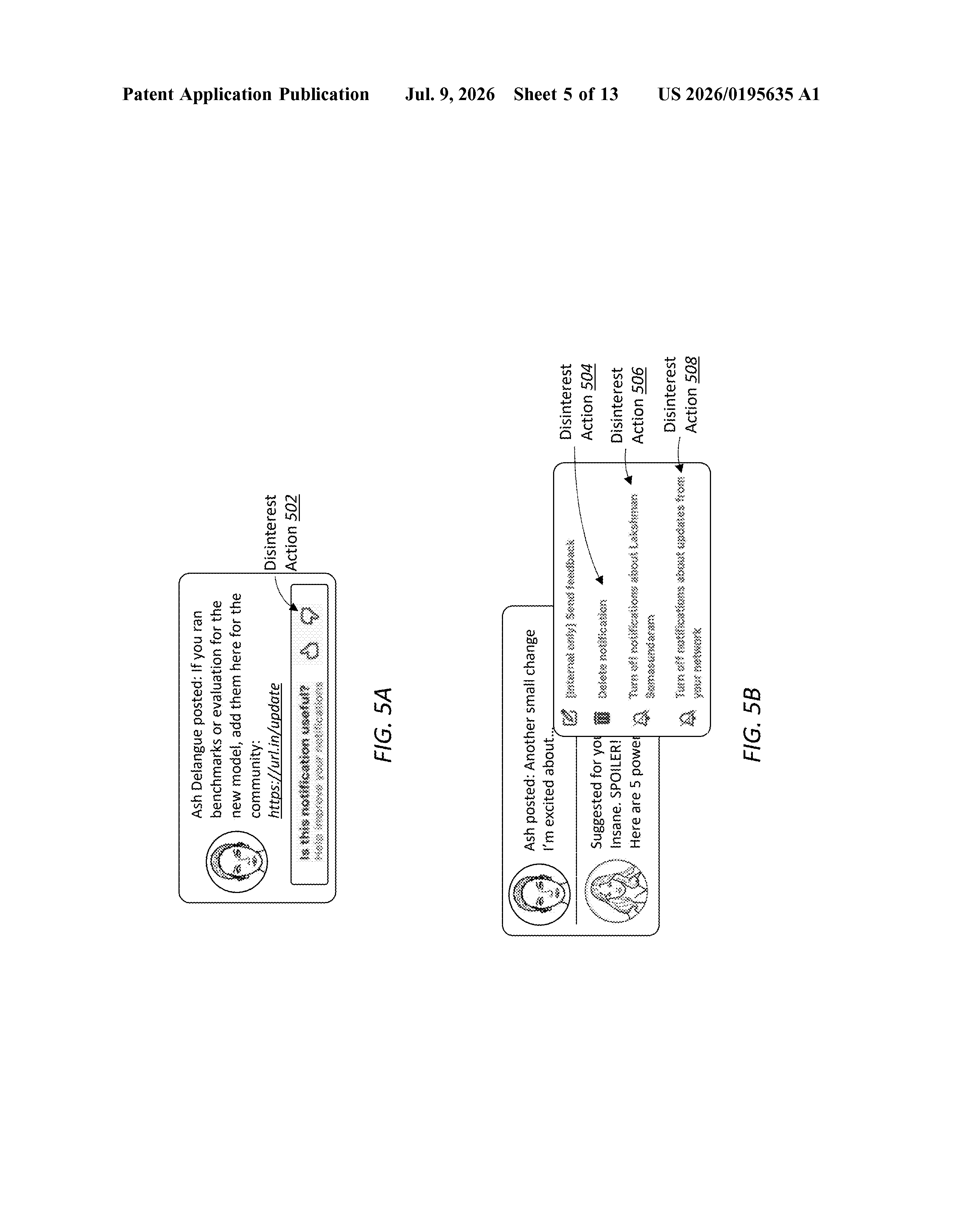
Imagine you get a LinkedIn alert, roll your eyes, swipe it away, and then turn off all notifications from that person. That whole sequence, the alert, the swipe, the mute, tells the app something important: this was a bad notification. But most apps don't actually learn from it.
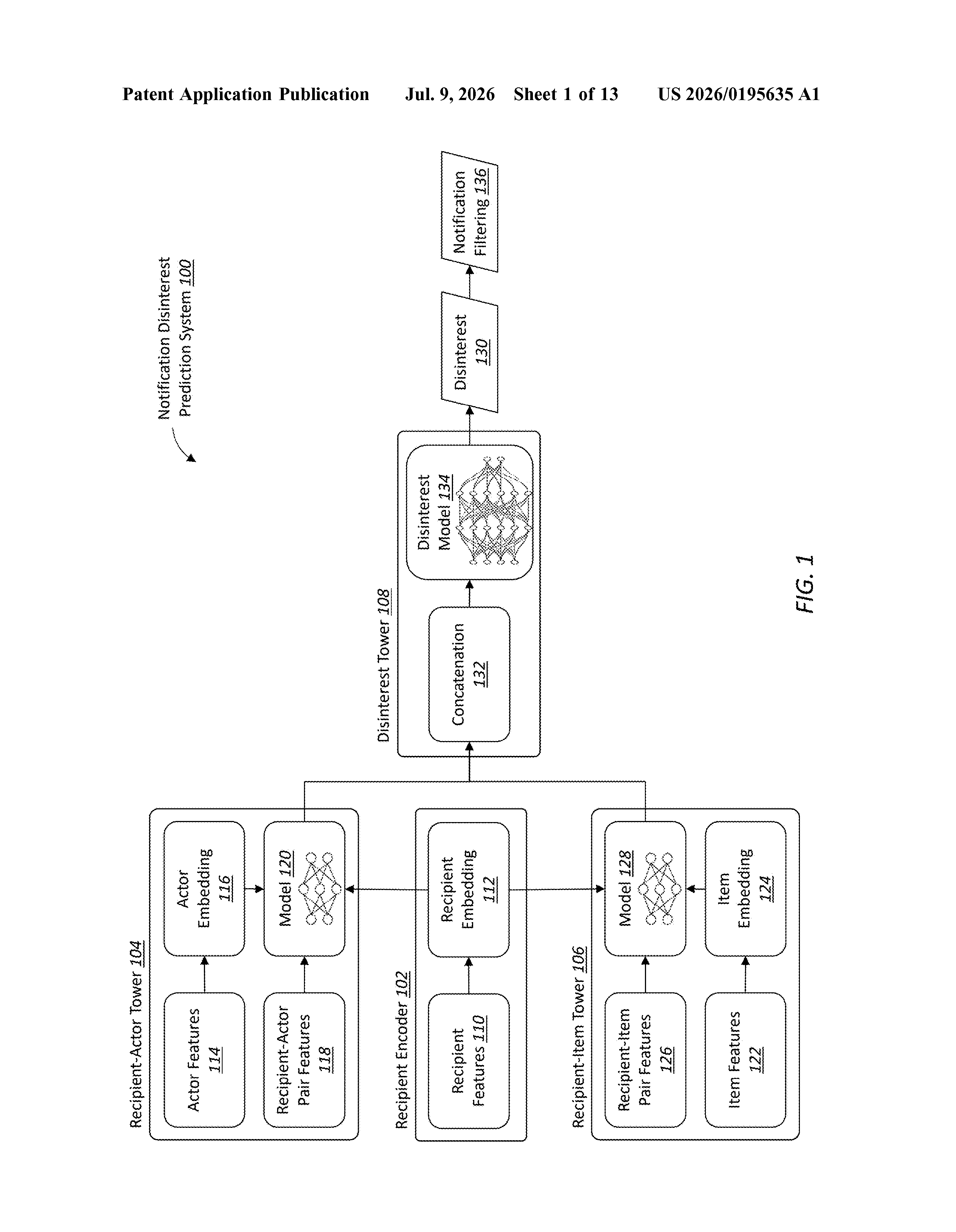
Microsoft's new patent describes a system that watches exactly how you express disinterest. Did you just ignore the notification? Did you open it and immediately close it? Did you go all the way to settings and block the sender? Each of those reactions is treated as a different level of "I don't want this," and the AI is trained on all of them.
The goal is to build a model that can predict, before sending a notification, whether a given recipient is going to find it annoying. If the system thinks you'll hate it, it holds the notification back.
How the model labels 'ignore' behaviors to train itself
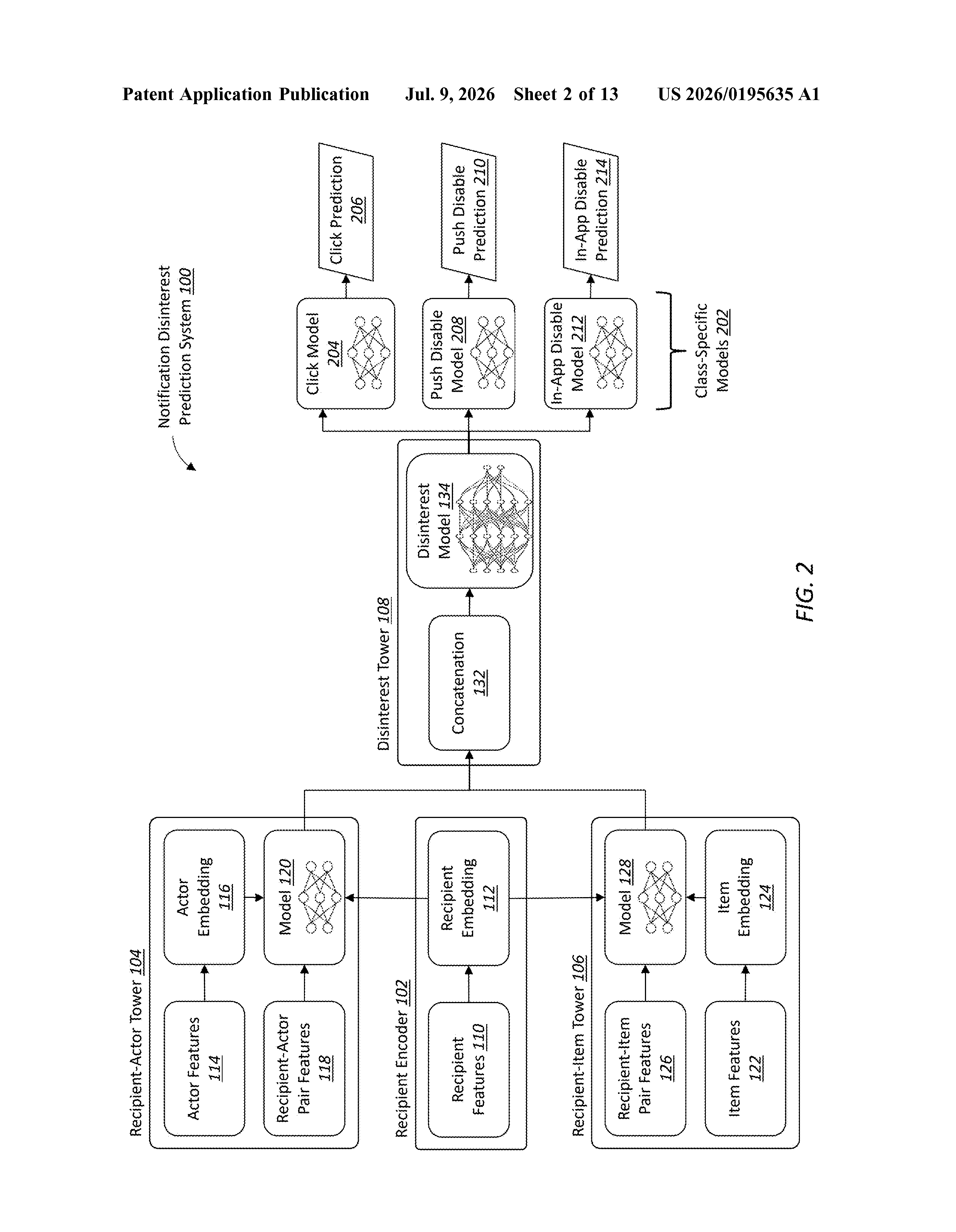
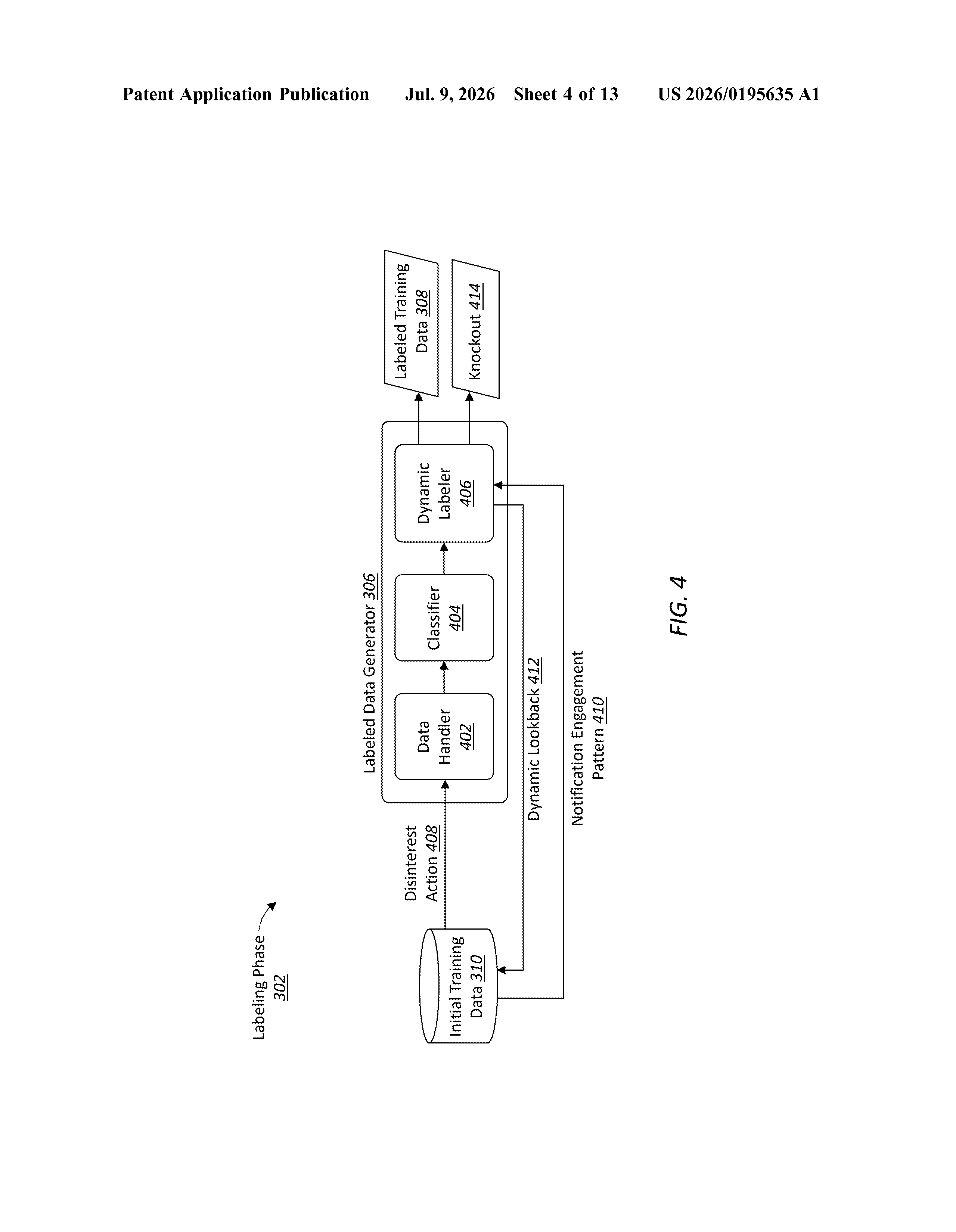
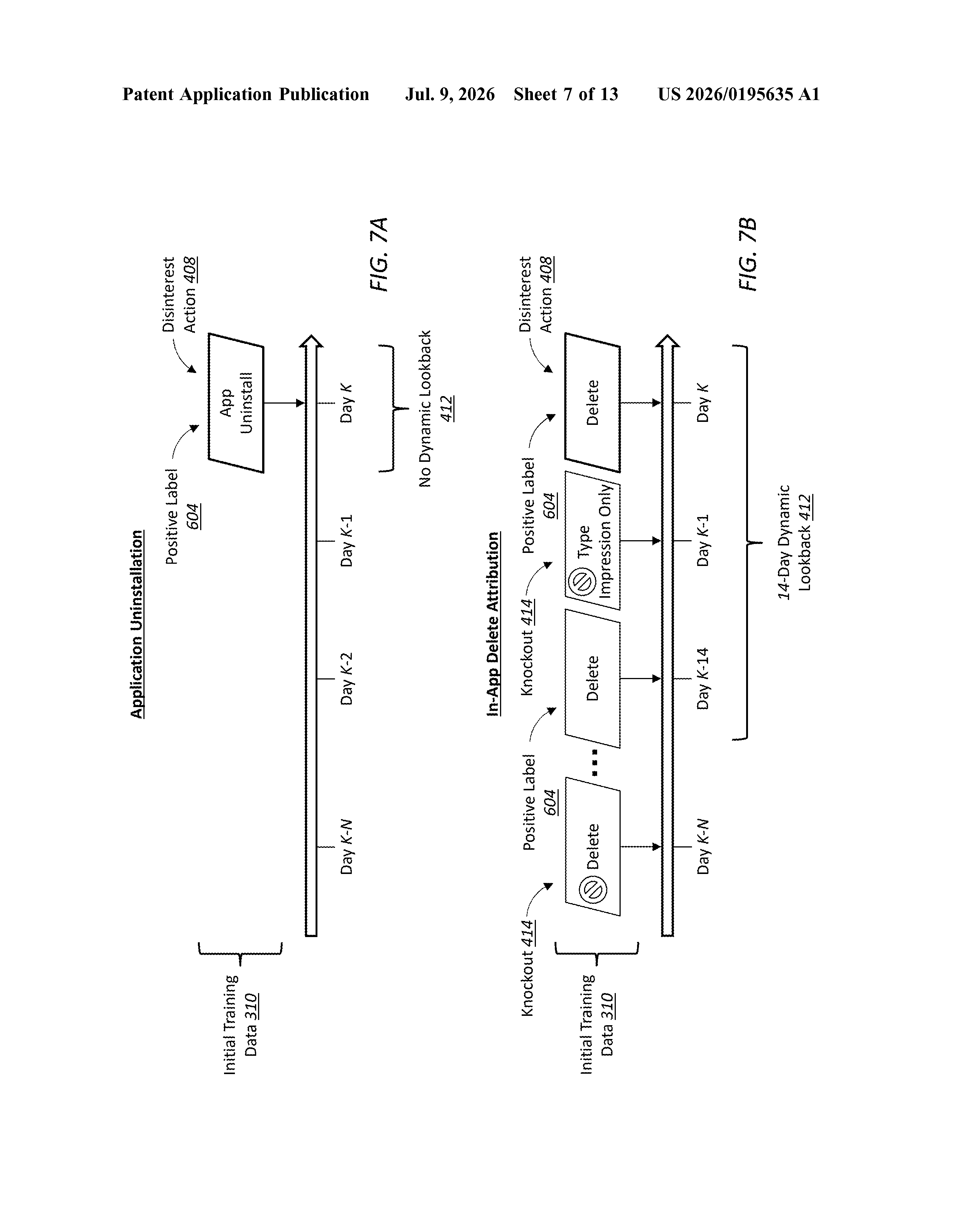
The patent describes a machine learning pipeline built around what Microsoft calls "disinterest classes", basically a ranked set of categories for how strongly someone rejected a notification. A quick swipe-away is one class; going into settings to mute a contact entirely is a much stronger class.
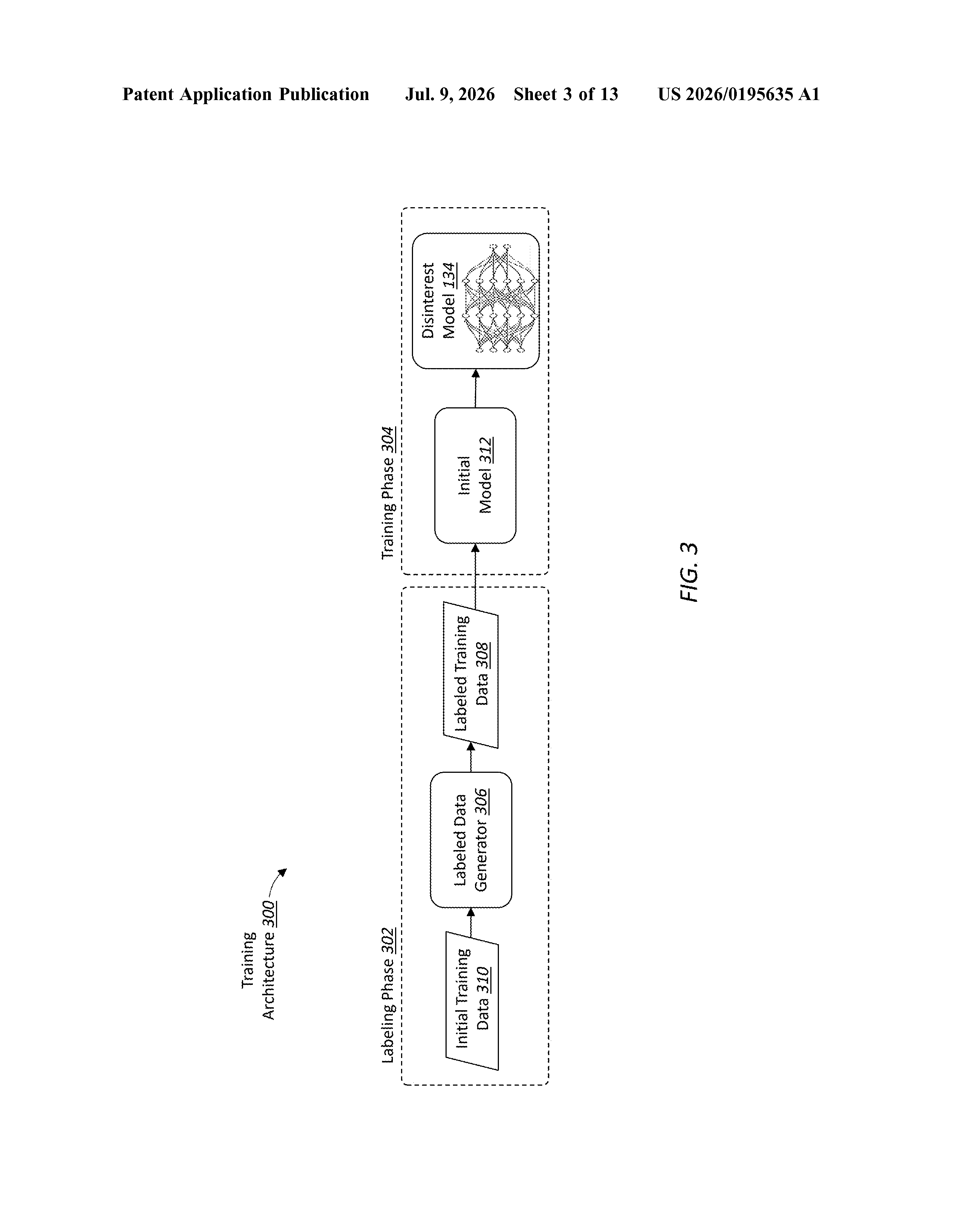
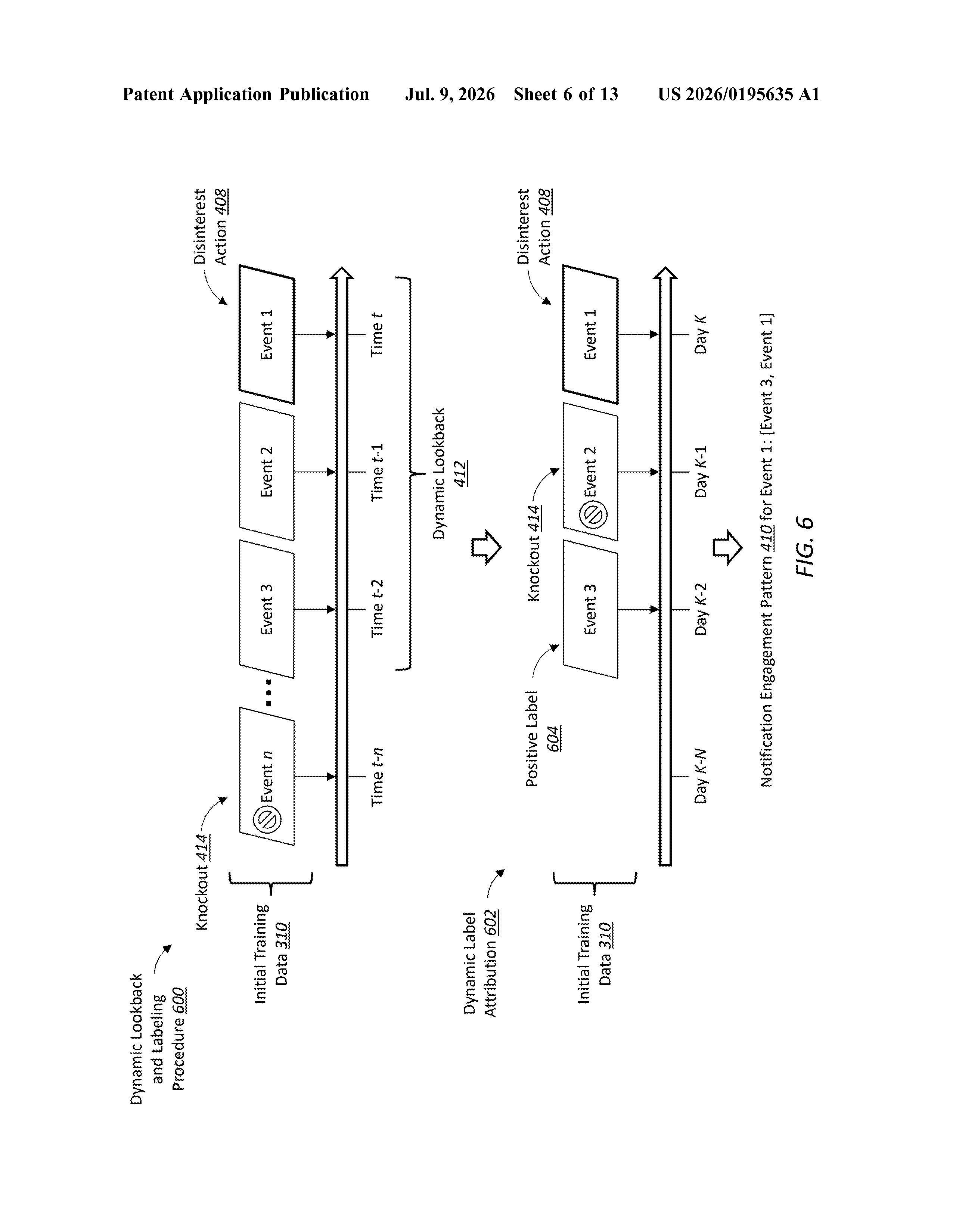
For each user, the system collects notification engagement patterns: the full sequence of actions a person took, ending in one of these disinterest signals. Those sequences become training data for a predictive model.
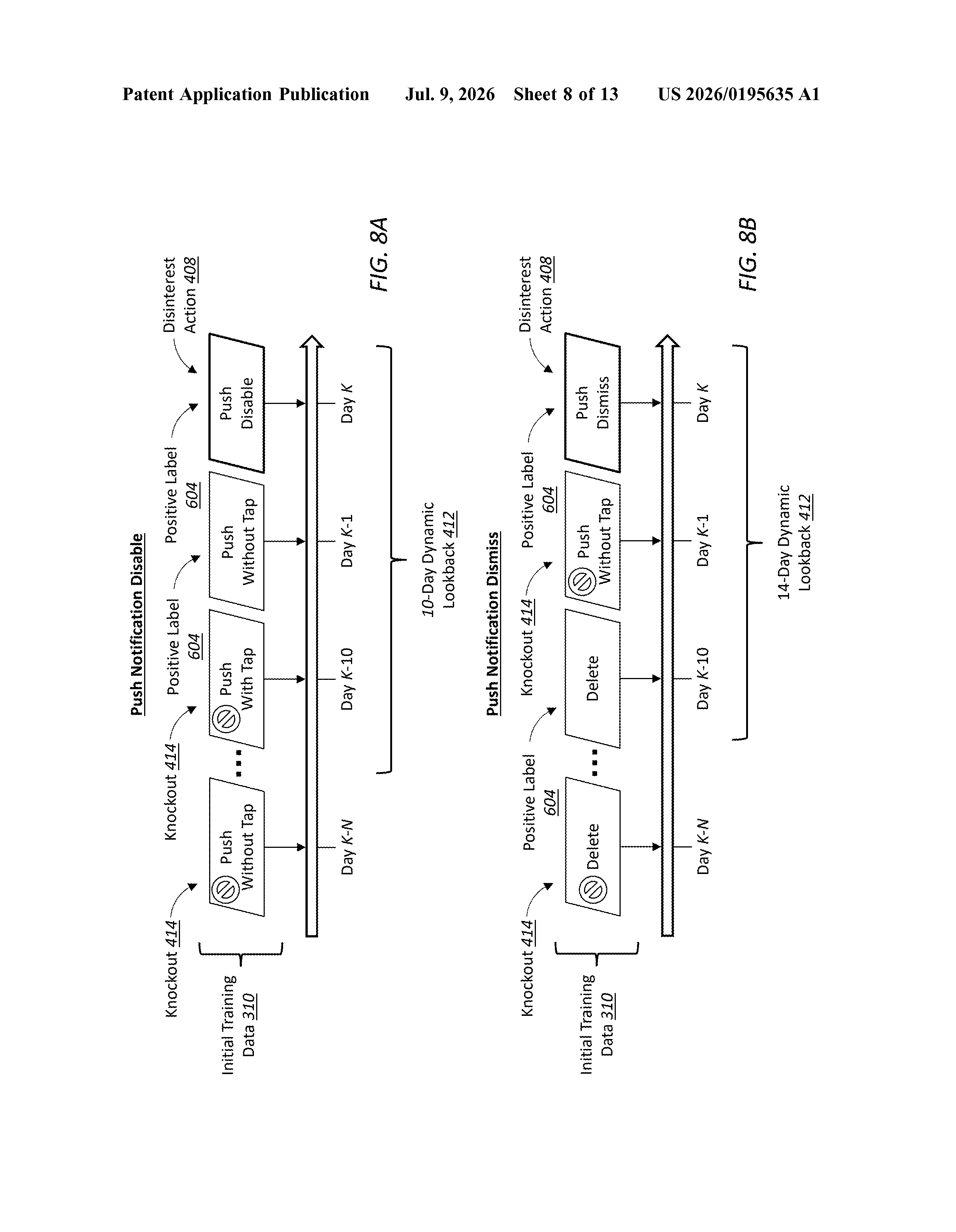
The tricky part is the labeling logic. A single action (like opening a notification) might be labeled differently depending on what happened next. If someone opened a notification and then just closed it, that open is marked as a mildly negative signal. If they opened it and then blocked the sender, the same open action gets stripped from the training data entirely, because it's no longer a useful signal in that stronger-rejection context.
- Collect sequences of user actions ending in a rejection behavior
- Assign each sequence to a disinterest class based on how strongly the user rejected it
- Label the earlier actions in each sequence according to the class, not just the final action
- Train a model to predict disinterest scores for notifications before they're sent
What this means for LinkedIn and other Microsoft platforms
Microsoft owns LinkedIn, one of the most notification-heavy platforms most people tolerate rather than enjoy. A system like this, trained on millions of users' dismissal behaviors, could meaningfully reduce the volume of connection request alerts, endorsement pings, and "someone viewed your profile" nudges that people reflexively ignore.
More broadly, this patent shows Microsoft thinking carefully about the difference between engagement and annoyance. Most notification systems are tuned to maximize opens. This one is explicitly trying to model the negative side of that equation. Whether that leads to a better user experience or just a subtler way to keep you inside the product is a fair question.
This is a genuinely interesting approach to a real problem. Most recommendation and notification systems only learn from positive engagement (clicks, replies, time spent). Building a model specifically around the shape of rejection, including the important distinction between "mildly annoyed" and "permanently muted," is a more honest way to train on user behavior. Whether Microsoft ships this in LinkedIn or keeps it as infrastructure IP, the underlying idea is sound and overdue.
Get our take in your Top Stories
Liked this breakdown? Add Patentlyze as a preferred source on Google, and our plain-English take shows up more often in your Top Stories the next time Microsoft patent news breaks.
There are more where this came from
We read every patent application Big Tech publishes and send you the ones worth knowing. Plain English, free, every week.
The drawings
13 drawing sheets from US 2026/0195635 A1 · click any drawing to enlarge
Want this weekly breakdown for a company we don't cover? Patentlyze Pro →