
Nvidia Patents an AI That Makes Any Audio Sound Like It Came from a Better Room
Nvidia is working on an AI that can take audio recorded in a noisy bedroom and make it sound like it came from a professional studio, just by feeding it a short clip of what that studio sounds like.
What Nvidia's audio-cloning system actually does
Imagine you're on a video call from a kitchen, fans humming and dishes clattering in the background, while your colleague sounds like they're in a broadcast booth. Nvidia's patent describes a system that could flip that situation in real time, without you buying new gear or moving to a quieter room.
The idea: you give the AI a short audio sample, called a reference clip, of the sound quality you want to match. Maybe it's a sample of a high-end microphone in a treated room, or a specific recording environment. The AI then processes your live audio and reshapes it to match that target quality.
This goes beyond basic noise cancellation. Instead of just removing bad sound, the system is actively trying to reproduce the character of a different recording setup, including how the space sounds and how the equipment colors the audio.
How the dual-encoder and reference vector work together
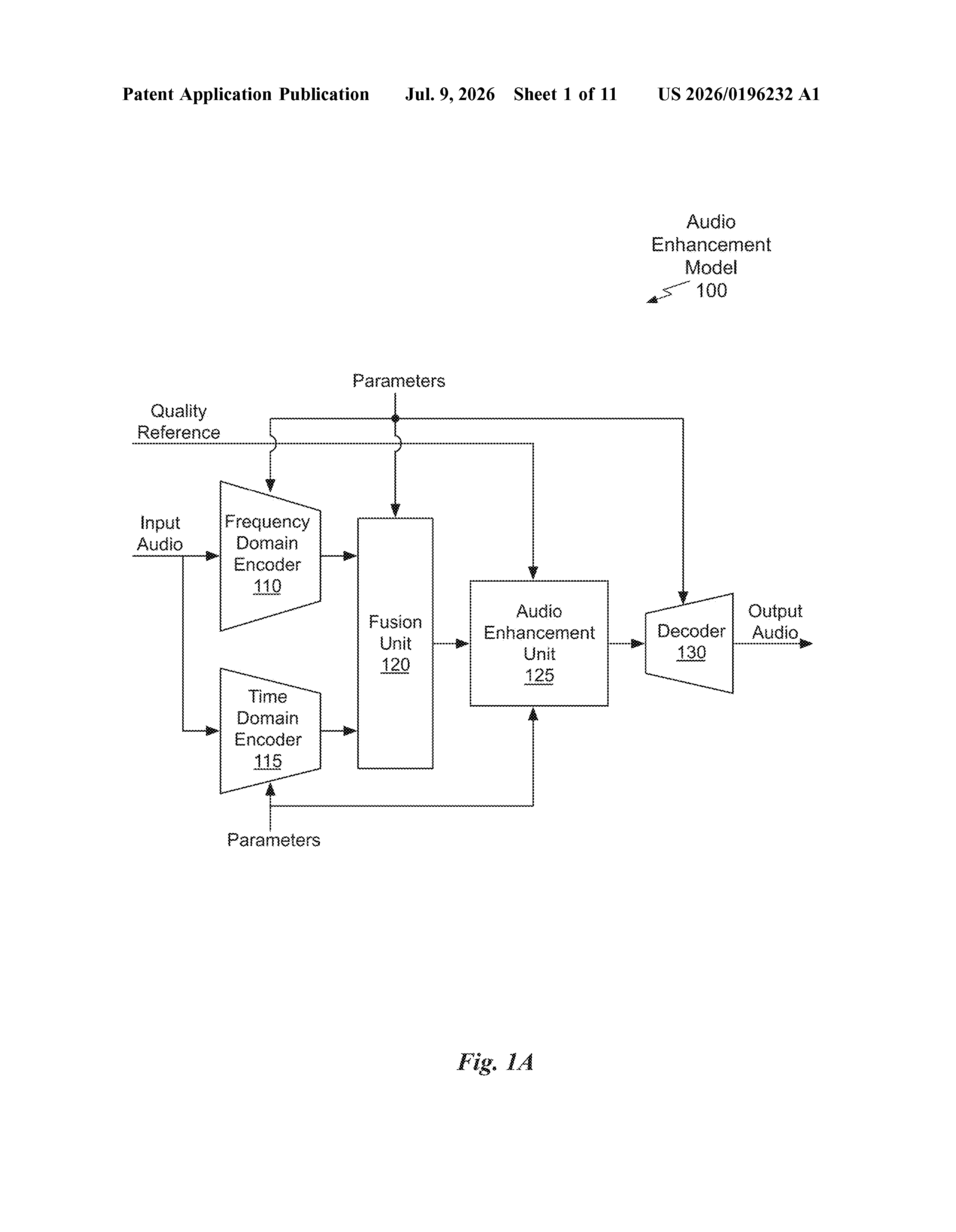
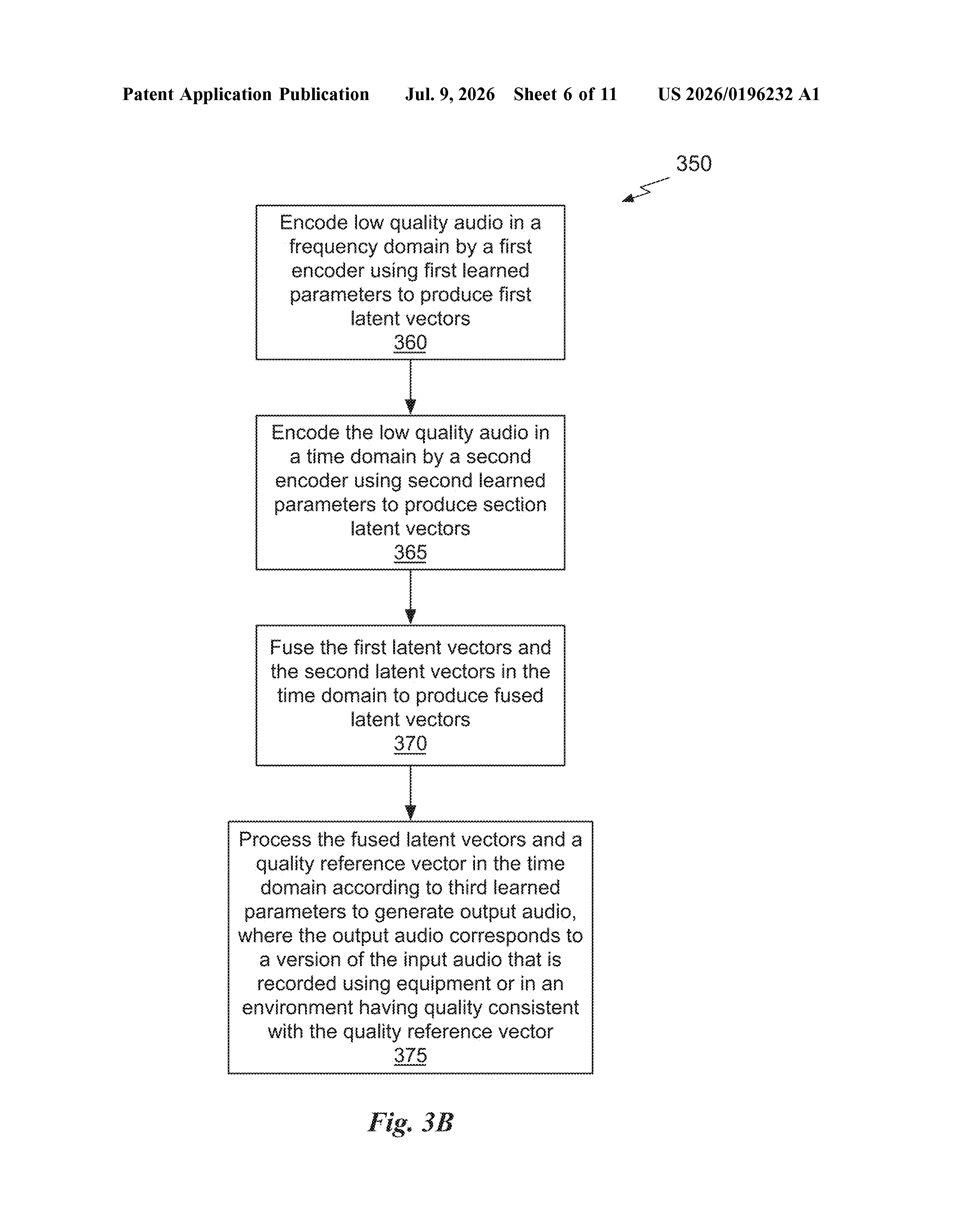
The system runs two separate encoders on the incoming audio at the same time. A frequency-domain encoder analyzes the audio as a spectrum of frequencies (think of it as reading a visual map of highs, mids, and lows). A time-domain encoder reads the audio as it unfolds moment by moment, the way your ear actually hears it.
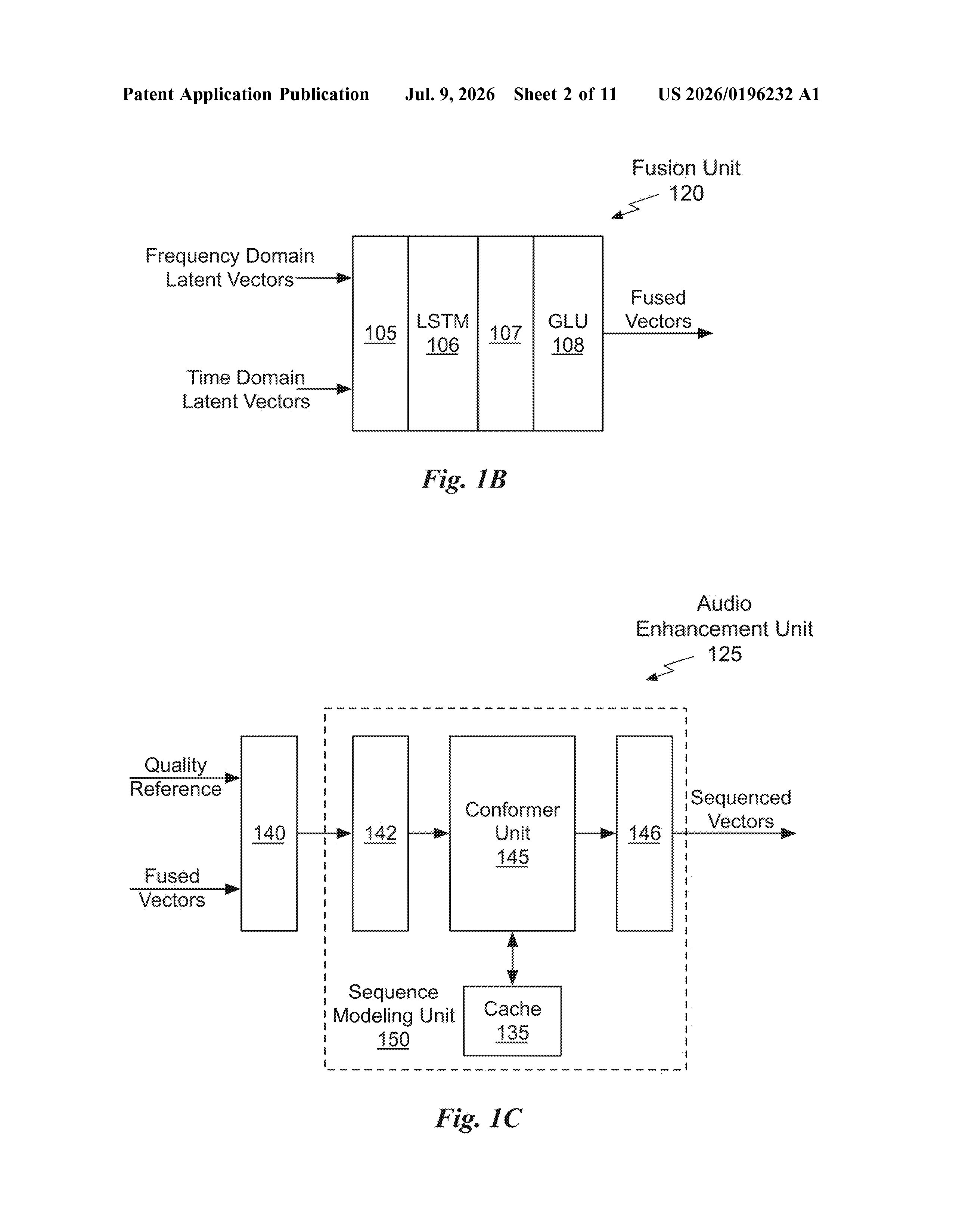
Both encoders produce latent vectors (compressed mathematical representations that capture different aspects of the sound). Those two representations are then fused together into a single combined description of the audio.
- The fused audio data is then paired with a reference vector, which is a similar mathematical fingerprint derived from a sample clip of the target audio environment or equipment.
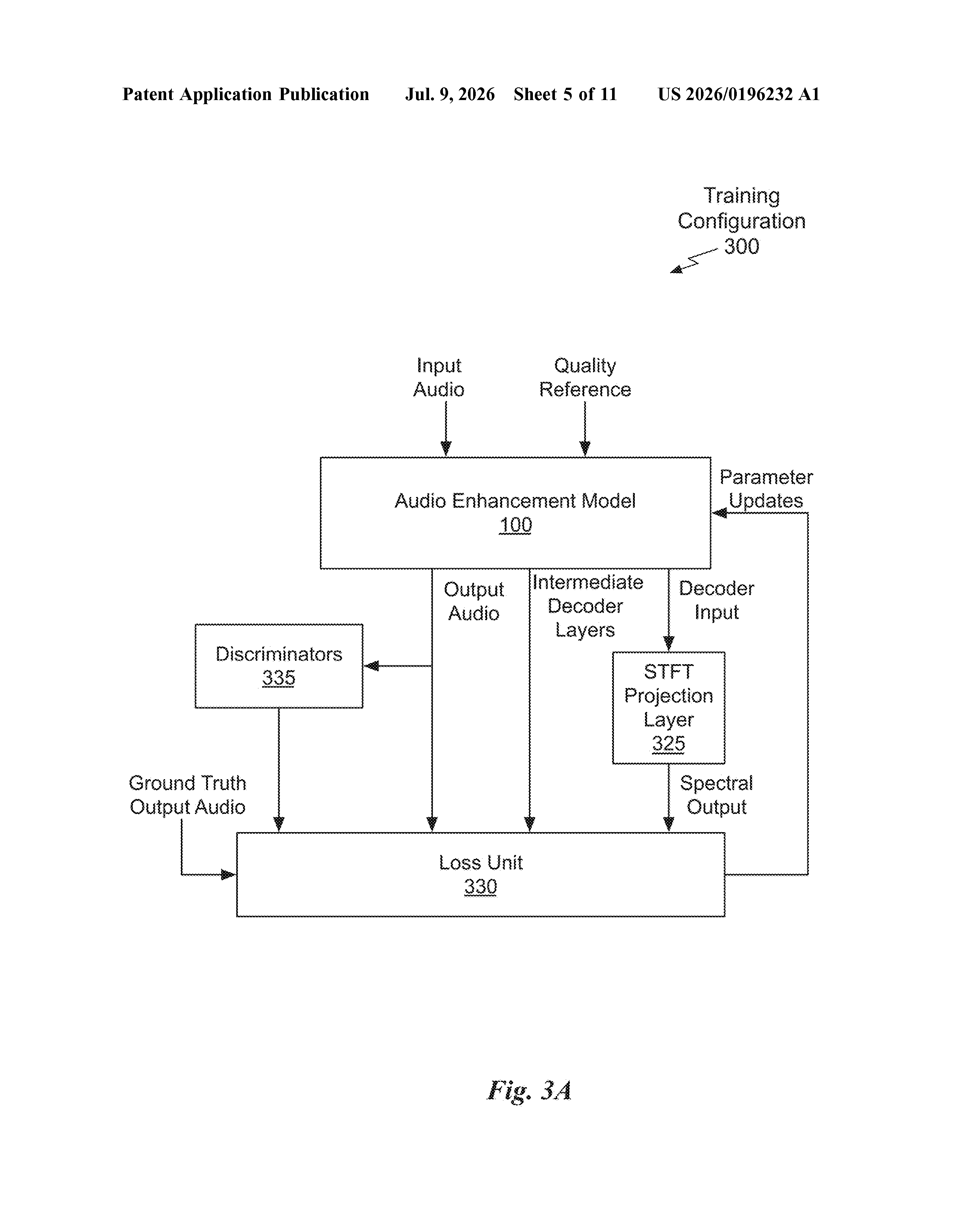
- A generative model processes both together and produces output audio that carries the acoustic character of the reference, applied to the content of the original input.
- All of this is designed to run in real time, meaning it can work on a live call or stream, not just in post-production.
The key distinction from older noise-removal tools is that this system isn't just subtracting bad things. It's actively generating audio that sounds like it was captured differently from the start.
What this means for real-time voice and broadcast audio
For anyone who records voice, hosts calls, or streams content, the gap between consumer-grade audio and studio-quality audio has always required expensive hardware or acoustic treatment. A system like this, if it works in real time as described, could let software close that gap by borrowing the acoustic profile of better gear or spaces.
For Nvidia, this fits squarely into its RTX Voice and Broadcast product line, which already sells AI-powered noise suppression to consumers and creators. A reference-vector approach would let users go further, not just cleaning up audio but actively reshaping it to match a desired sound profile. That's a meaningful product upgrade over what's shipping today.
This is a genuinely interesting extension of what Nvidia already does with RTX Voice. The dual-encoder approach and reference-vector targeting suggest the company is thinking seriously about audio identity, not just noise removal, which is a harder and more valuable problem to solve. Whether the real-time performance holds up under the constraint of a consumer GPU is the open question.
Get our take in your Top Stories
Liked this breakdown? Add Patentlyze as a preferred source on Google, and our plain-English take shows up more often in your Top Stories the next time Nvidia patent news breaks.
There are more where this came from
We read every patent application Big Tech publishes and send you the ones worth knowing. Plain English, free, every week.
The drawings
11 drawing sheets from US 2026/0196232 A1 · click any drawing to enlarge
Want this weekly breakdown for a company we don't cover? Patentlyze Pro →