
Microsoft Patents a System That Hunts Down Dangerously Flawed Code in the Cloud
Every time a developer downloads a software package with a known security flaw, someone needs to find out quickly. Microsoft's new patent describes a system that automates exactly that, from detection to notification, before a vulnerability turns into a breach.
What Microsoft's package vulnerability tracker actually does
Imagine you work at a company running hundreds of servers in the cloud. One day, a security database flags a popular software tool as compromised. The problem is: no one knows which servers are running it, or who owns those servers. That gap is where attacks happen.
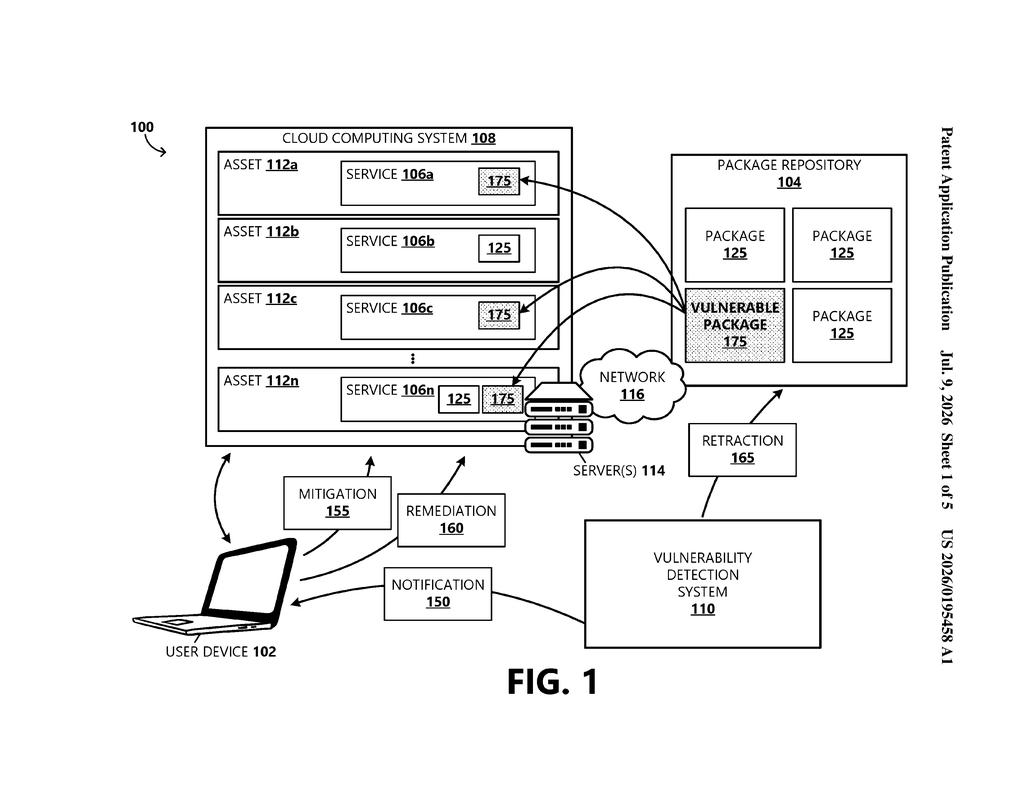
Microsoft's patent describes a system that watches a shared software download library (called a package repository) and keeps a running log of what gets downloaded and by which computer. When a vulnerability report comes in, the system cross-checks that log against a known list of flawed packages. If there's a match, it pulls the dangerous package from the library and traces it back to every computer that already grabbed a copy.
Once the affected machines are identified, the system looks up which users are responsible for them and sends out targeted alerts, along with guidance on how to fix the problem. No manual detective work required.
How the system links downloads to assets and CVE reports
The patent covers an end-to-end pipeline for tracking and responding to vulnerable software packages inside a cloud computing environment. The core idea is tying download events to specific computing assets so that when a problem surfaces, the blast radius is immediately knowable.
Here's how the flow works:
- Access log ingestion: Every time a computing asset pulls a package from the repository, that download event is recorded and linked to a unique asset identifier.
- Vulnerability comparison: The system regularly compares the repository's full inventory against a CVE report (Common Vulnerabilities and Exposures, the industry-standard catalog of known security flaws). When a package appears in both, it's flagged as vulnerable.
- Package removal: The flagged package is removed from the repository to prevent further downloads.
- Asset mapping: Using the earlier download records, the system identifies every asset that already has the bad package installed.
- User notification: Each affected asset is mapped to a user account, and a notification is sent with details about the vulnerability and the specific machines at risk.
The patent also mentions that mitigation or remediation steps can be bundled into those notifications, so users aren't just told there's a problem but shown a path to fix it.
What this means for cloud security teams at scale
In large cloud environments, the time between a vulnerability being published and it being patched is one of the most dangerous windows in security. Teams often don't know which systems are exposed because nobody tracked what got installed where. This patent's approach closes that gap by making the repository itself the monitoring point, rather than relying on individual teams to audit their own systems.
For enterprise customers running Microsoft's Azure cloud services, this kind of automated, centralized tracking could mean the difference between a contained incident and a widespread breach. It also shifts some of the burden off individual developers and security teams, who currently have to run their own scanning tools and chase down affected systems manually.
This is genuinely useful security infrastructure, not a flashy AI play. The problem it solves (knowing which cloud assets downloaded a now-dangerous package) is real, painful, and very common in large organizations. It's not the most exciting patent Microsoft has filed, but it's the kind of unglamorous work that actually prevents breaches.
There are more where this came from
We read every patent application Big Tech publishes and send you the ones worth knowing. Plain English, free, every week.
Want this weekly breakdown for a company we don't cover? Patentlyze Pro →
Be the first to weigh in