
Microsoft Patents a System That Detects Fake Caller Numbers Before Your Phone Rings
Scammers fake phone numbers all the time, and your phone has no way of knowing. Microsoft is patenting a system that checks whether the number shown on your screen has been swapped somewhere along the way before the call even connects.
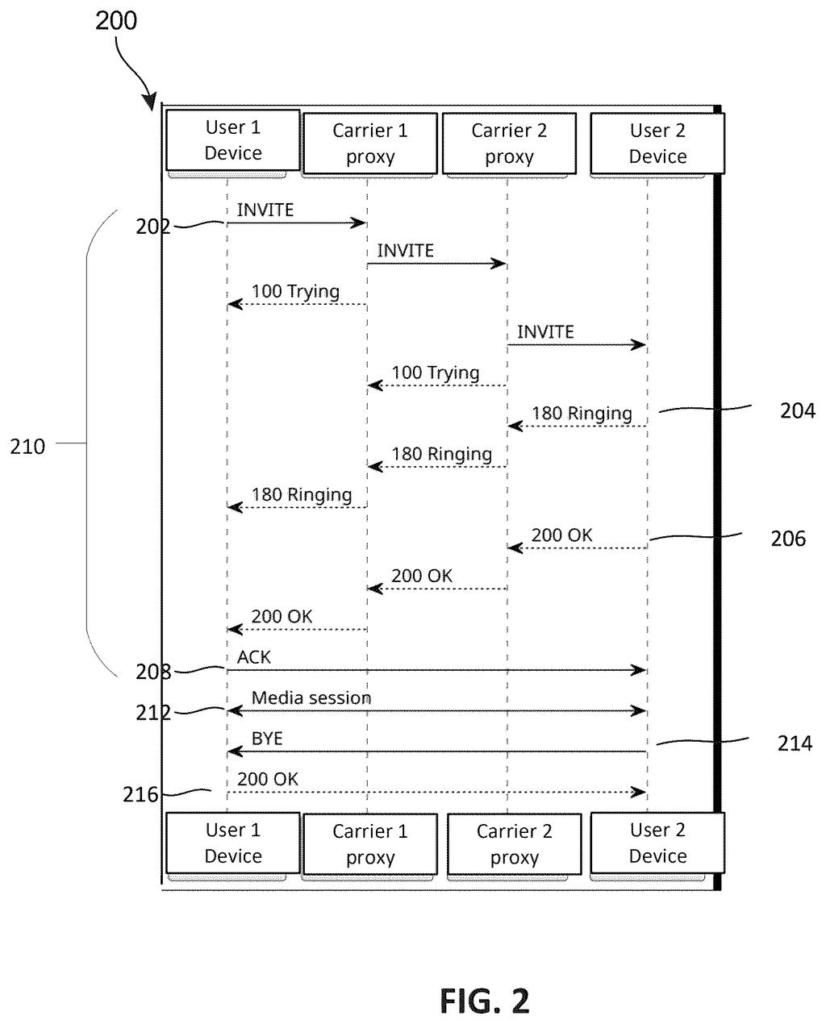
How Microsoft's anti-spoofing check actually works
Imagine you get a call that shows your bank's number on screen, but it's actually a scammer who swapped in that number somewhere in the phone network. Your phone has no idea, so you pick up. That kind of trick is called caller ID spoofing, and it's behind a huge share of phone fraud.
Microsoft's patent describes a way to catch that swap in the act. When a call travels across the network, the system reads two things: the number the caller claims to be, and the number that actually gets routed to your phone. If those two numbers don't match, something has been changed in transit, and the system flags it.
To make sure nobody changes that flag, the system also creates a small verification code that travels with the call. If any part of the network tampers with the number during routing, the code breaks, and the mismatch becomes detectable at the caller's end before the conversation starts.
How the mismatch detection and integrity check fit together
The patent covers a system that sits in the call signaling layer (the part of the phone network that handles setup and routing before you actually speak) and monitors for caller ID tampering.
Here's the sequence:
- When a call notification message travels through the network, the system pulls the number being presented to the recipient out of the message's routing information component (basically a field in the call setup packet that carries routing metadata).
- It assigns that extracted number to a caller identification parameter and prepares to compare it against the number the calling device originally sent. A mismatch means tampering occurred somewhere on the path.
- The system also generates a feedback integrity value, a combination of the extracted caller number and a random string, and attaches it to the response message. This acts like a tamper-evident seal: if anything changes the caller ID field later in the routing chain, the integrity value no longer matches, exposing the alteration.
- The response message carrying both values is sent back toward the caller's device, which can then compare and verify.
The approach works within a call signaling session (the SIP-style protocol exchange that negotiates a call before audio flows), meaning the check happens before you pick up, not after.
What this means for phone scam prevention
Caller ID spoofing is one of the most common tools in phone fraud, from fake IRS agents to fake bank calls. Existing protections like STIR/SHAKEN (the telecom industry's standard for call authentication) help, but they rely on carriers implementing them correctly end to end. Microsoft's approach adds a second layer: an in-path check that catches alterations made after the original caller ID is set, even if part of the network is uncooperative or misconfigured.
For enterprise calling platforms like Microsoft Teams Phone, where businesses route calls through complex hybrid networks, the ability to detect mid-path caller ID changes is practically useful. It also fits into a broader industry push to make voice calls more trustworthy at a time when scam calls are eroding people's willingness to answer their phones at all.
This is a targeted, sensible filing aimed at a real and persistent problem. It won't stop every spoofing attack on its own, but as a component layered into a calling platform like Teams, it adds a meaningful verification step that current standards don't cover. Worth watching if you follow enterprise telephony or telecom security.
There are more where this came from
We read every patent application Big Tech publishes and send you the ones worth knowing. Plain English, free, every week.
The drawings
6 drawing sheets from US 2026/0222488 A1 · click any drawing to enlarge


Want this weekly breakdown for a company we don't cover? Patentlyze Pro →
Be the first to weigh in