
Microsoft Patents a System That Scrubs Camera Sensor Noise From Photos Automatically
Every digital camera sensor leaks a tiny amount of electricity even in total darkness, and that leak corrupts your photos. Microsoft has filed a patent for a system that detects and removes that corruption pixel by pixel.
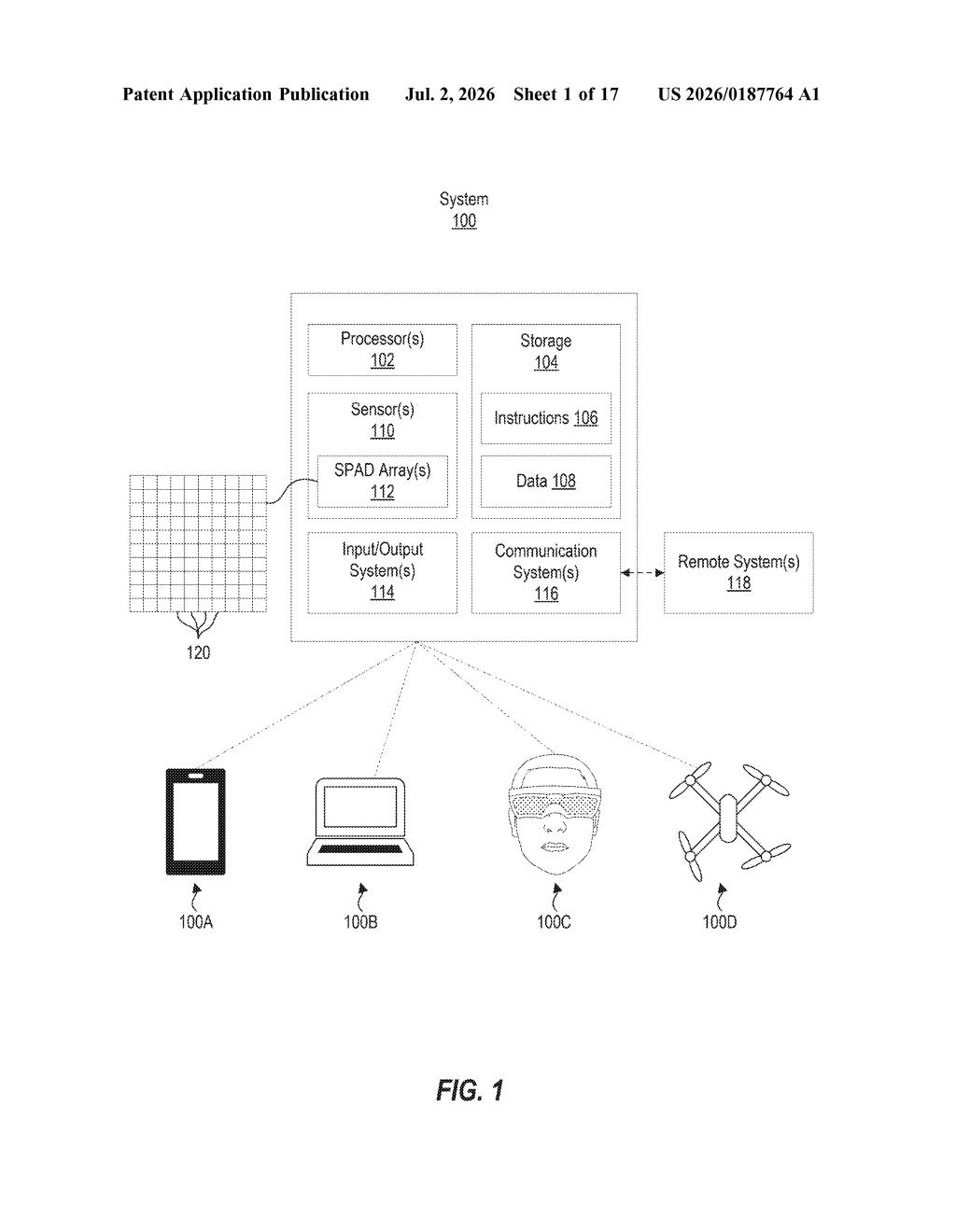
What Microsoft's dark current noise fix actually does
Imagine your camera's sensor is like a bucket collecting raindrops (light). Even when no rain is falling, a few drops seep in from the bucket itself. Camera engineers call this "dark current" and it shows up as faint, unwanted specks or patterns in photos, especially in dim conditions or long exposures.
Microsoft's patent describes a system that learns what those leaky-bucket patterns look like, then finds them hiding inside real photos and calculates a "residual image" that maps out where the noise lives. Once you know the noise map, you can subtract it from the original photo to get a cleaner result.
The clever part is that the system doesn't treat every pixel the same way. It adjusts its approach depending on how bright or dark each region of the image is, so it doesn't accidentally scrub out real image detail while hunting for sensor glitches.
How the template-matching system finds and removes sensor noise
The patent describes a two-part pipeline for cleaning up dark current (the electrical signal a camera sensor produces even when no light is hitting it, which shows up as background noise or fixed-pattern artifacts in images).
The first part uses a process called template matching to identify "target pixels" that look like known dark current artifacts. For each pixel in the incoming image, the system examines a small surrounding window of pixels, then compares that window to a stored template of what a dark current artifact looks like. If the similarity score passes a threshold, that pixel gets flagged as a likely noise source.
The second part builds a dark current residual image, essentially a noise map, by combining the current image with a previous image using region-based weight values. Those weights shift depending on how bright the surrounding region is (bright areas and dark areas get handled differently), so the blending is adaptive rather than uniform.
The final residual image can then be subtracted from a photo to leave behind a cleaner result. The system is designed to run on one or more processors with standard hardware storage, meaning it could live inside a camera chip, a device driver, or image-processing software.
What this means for Microsoft's camera and imaging products
Dark current noise is a real problem for any camera-equipped device, especially in low-light conditions like indoor video calls, security cameras, or medical imaging. An automated, adaptive approach to building a noise map could improve image quality without requiring the user to do anything or the manufacturer to individually calibrate each sensor.
Microsoft makes cameras for its Surface laptops and tablets, its HoloLens headset, and its Azure Kinect depth sensor line. A patent like this fits cleanly into that hardware portfolio. It also has potential relevance for Teams video quality, where webcam noise is a constant complaint, and for any computer-vision pipeline where clean sensor data matters more than a pretty photo.
This is a fairly narrow, technical imaging patent rather than a big strategic announcement. That said, dark current correction is a genuinely useful problem to solve, and the adaptive, template-matching approach is more thoughtful than simple flat-field calibration. It's worth a look if you follow camera hardware or computer-vision pipelines, but it's not a sign of a major product shift.
Get our take in your Top Stories
Liked this breakdown? Add Patentlyze as a preferred source on Google, and our plain-English take shows up more often in your Top Stories the next time Microsoft patent news breaks.
There are more where this came from
We read every patent application Big Tech publishes and send you the ones worth knowing. Plain English, free, every week.
Want this weekly breakdown for a company we don't cover? Patentlyze Pro →