
New Patent Teaches AI to Map Connections Between Malicious Web Apps
Most malware detectors look at apps one at a time. Microsoft's new patent wants to build a relationship map — catching threats by noticing that two sketchy apps share the same suspicious DNA.
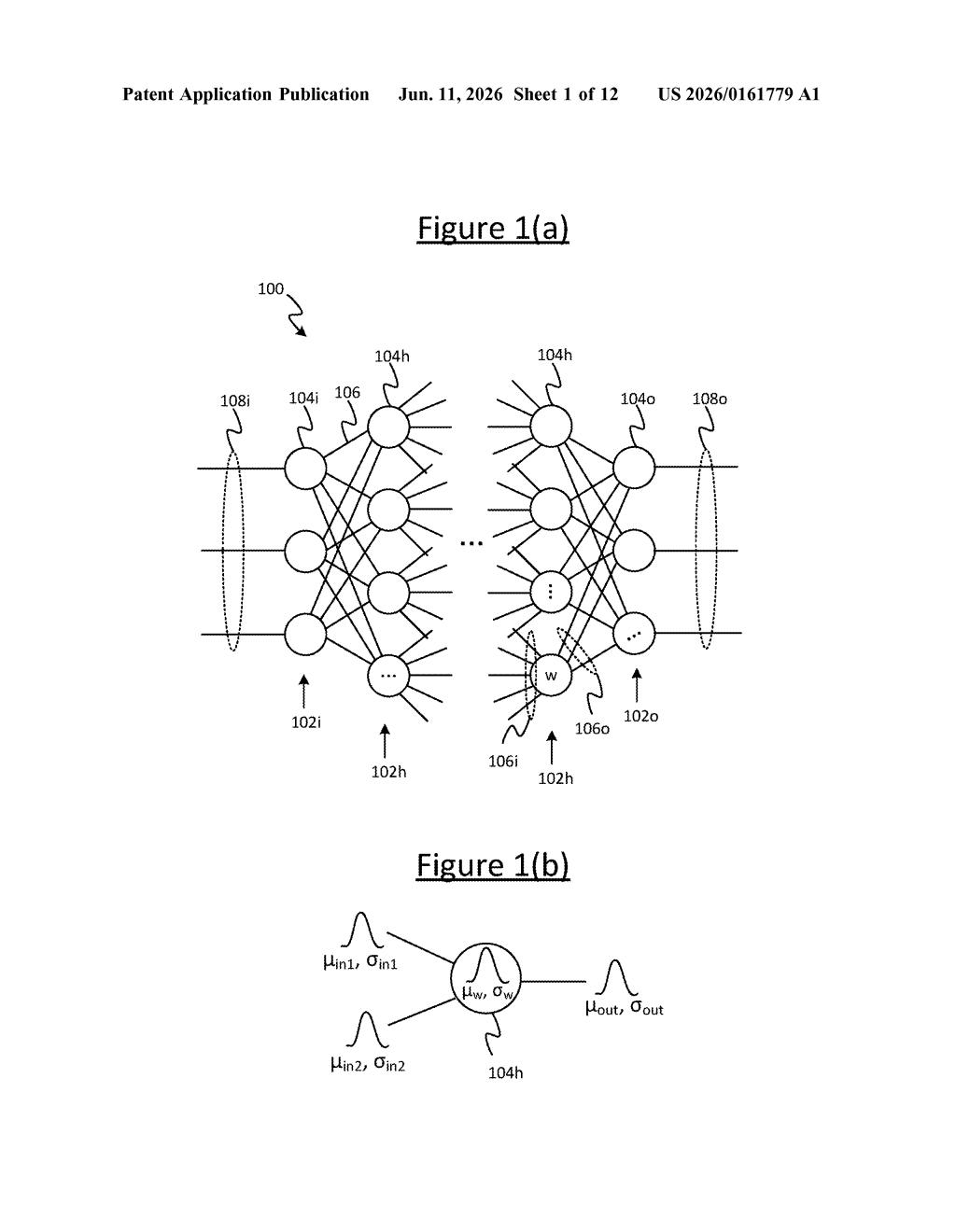
How Microsoft's system links suspicious apps together
Imagine a detective who doesn't just investigate one suspect in isolation, but draws a board full of connections — this person knew that person, both visited the same location. Microsoft's patent applies that same logic to catching malicious web apps.
The system looks at two web apps and asks: do they share something in common? A developer account, a hosting service, a piece of code? If yes, it treats them as neighbors and compares how similar they look across dozens of characteristics. If one is already known to be dangerous, that relationship becomes a strong signal about the other.
The clever part is that the system uses those known good-and-bad pairings to test whether the features it's measuring are actually useful for spotting threats. It's constantly checking its own homework — pruning out noisy signals and keeping the ones that reliably separate safe apps from harmful ones.
How the graph-distance feature-validation loop works
The patent describes a graph-based feature selection and validation pipeline for classifying web applications as malicious or benign.
The core idea is a two-step process:
- Neighbor association: Two apps are linked if they share a common application-related entity (think: same developer certificate, registrar, IP block, or SDK) and their feature vectors — numerical summaries of dozens of measurable traits — are close to each other in a mathematical space (measured by a distance metric, similar to how you'd measure closeness on a map).
- Feature validation: The system checks whether the feature set it chose is doing a good job. It does this by looking at neighbor pairs where one app's threat status is known — if a confirmed malicious app keeps getting linked to apps that turn out to be clean, that's a sign the features are misleading and need to be swapped out.
This creates a self-correcting loop: the graph structure (who's connected to whom) is used to grade the quality of the detection features, and only features that reliably predict threat status across the neighbor graph survive.
The end goal is a system that can flag zero-day campaigns — brand-new attacks with no prior record — by inferring danger from structural similarity to already-confirmed bad actors, rather than waiting for a human analyst to label each new threat.
What this means for catching zero-day web threats
Zero-day attacks are dangerous precisely because no one has seen them before, so traditional signature-based filters miss them completely. By building a relational graph between apps and using known threats as anchors, Microsoft's approach can flag novel malicious apps before they've been individually analyzed — which is the window attackers rely on.
For enterprise customers running Microsoft Defender or Azure-hosted app stores, this kind of system could mean faster, broader coverage of web-based threats without requiring an ever-growing database of known malware signatures. It also has implications for any platform — like app marketplaces or SaaS directories — that needs to vet third-party applications at scale.
This is a real engineering idea, not a buzzword filing. The self-validating feature loop is the genuinely interesting part — most ML security systems treat feature selection as a one-time decision; this one bakes ongoing evaluation into the detection pipeline itself. It won't make headlines, but it's the kind of infrastructure that quietly makes Microsoft's threat-detection products harder to fool.
There are more where this came from
We read every patent application Big Tech publishes and send you the ones worth knowing. Plain English, free, every week.
Want this weekly breakdown for a company we don't cover? Patentlyze Pro →