
Microsoft Patent Has Multiple AI Models Compete to Deliver the Best Search Answer
Instead of trusting a single AI to answer your search query, Microsoft is patenting a system that spins up several AI models at once, compares their answers, and automatically selects the best one before you ever see a result.
How Microsoft's search answer picker actually works
Imagine asking a question and, instead of one person answering, three experts each write a response at the same time. Then a fourth person reads all three and picks the clearest, most accurate one to hand to you. That's essentially what this Microsoft patent describes for search.
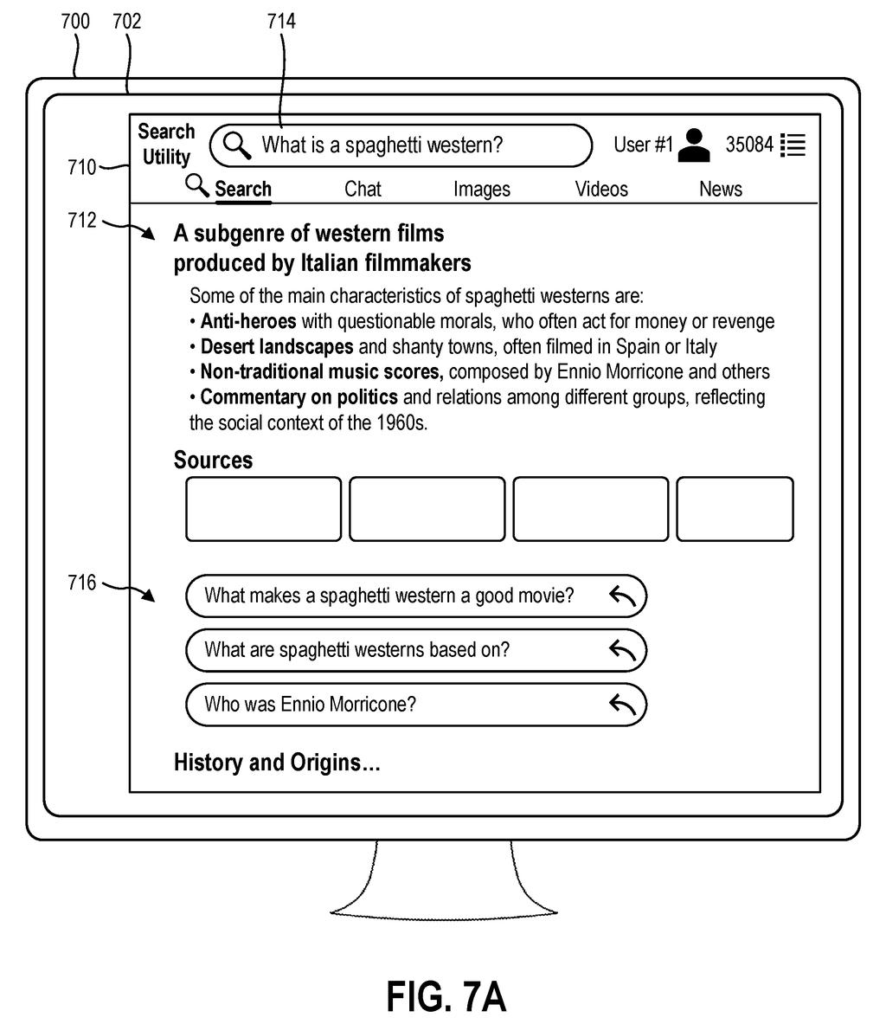
When you type a query into a search engine, this system grabs the usual list of website links and pulls out relevant information from those pages. It then feeds that information to several different AI models simultaneously, each generating its own written answer to your question.
A separate AI called an arbitration model then judges those competing answers and selects one to show you. The idea is that no single AI is perfect, and by running a tournament among several, the system raises the odds that what you actually read is accurate and well-suited to your question.
Inside the arbitration model that judges AI answers
When a search query arrives, the system doesn't hand it to one AI and hope for the best. Instead, it runs two parallel tracks at the same time.
- Search link retrieval: A traditional search index returns a ranked list of website links plus grounding information (meaning: text pulled from those pages that gives the AI factual context to work from, rather than relying on memory alone).
- Parallel generation: Multiple AI models receive customized prompts built from that query and the grounding information. Each model produces its own full written answer, called a generative search results document. These run concurrently, so the latency hit of running several models is smaller than if they ran one after another.
- Arbitration: A dedicated arbitration model (itself an AI, trained to evaluate answer quality against the source links) reviews all the generated answers and selects one winner to deliver to the user.
The key design choice is that the arbitration model bases its decision on the same search link results used to generate the answers. That means it can check whether an answer is actually grounded in the returned web sources rather than just picking the one that sounds most confident.
What this means for Bing and AI-powered search
For Bing and Microsoft's Copilot products, this is a direct response to the reliability problem that has plagued AI search since it launched: sometimes the AI confidently makes things up. By grounding every generated answer in real web links and then using a separate model to referee which answer best reflects those sources, Microsoft is building a quality check into the pipeline rather than bolting it on after the fact.
For you as a user, the practical promise is fewer wrong answers showing up as authoritative summaries at the top of a search page. Whether the arbitration model actually catches errors consistently is the open question, and the patent doesn't resolve it. But the architecture signals that Microsoft sees single-model AI search as a step one, not the final form.
This is a real architectural idea, not just a process patent dressed up in AI language. Running a parallel-generation-plus-arbitration pipeline is a principled way to address AI hallucination in search, and Microsoft filing this in early 2025 suggests it's being actively built, not just reserved. The honest caveat is that the quality of the arbitration model itself is everything, and this patent tells us nothing about how good that judge actually is.
There are more where this came from
We read every patent application Big Tech publishes and send you the ones worth knowing. Plain English, free, every week.
The drawings
11 drawing sheets from US 2026/0211953 A1 · click any drawing to enlarge


Want this weekly breakdown for a company we don't cover? Patentlyze Pro →
Be the first to weigh in