
Microsoft Patents an Image Search That Reads What a Picture Means
Most image search works by matching pixels and colors — Microsoft's new patent wants to match meaning instead, understanding the relationships between objects in a picture the way a human would.
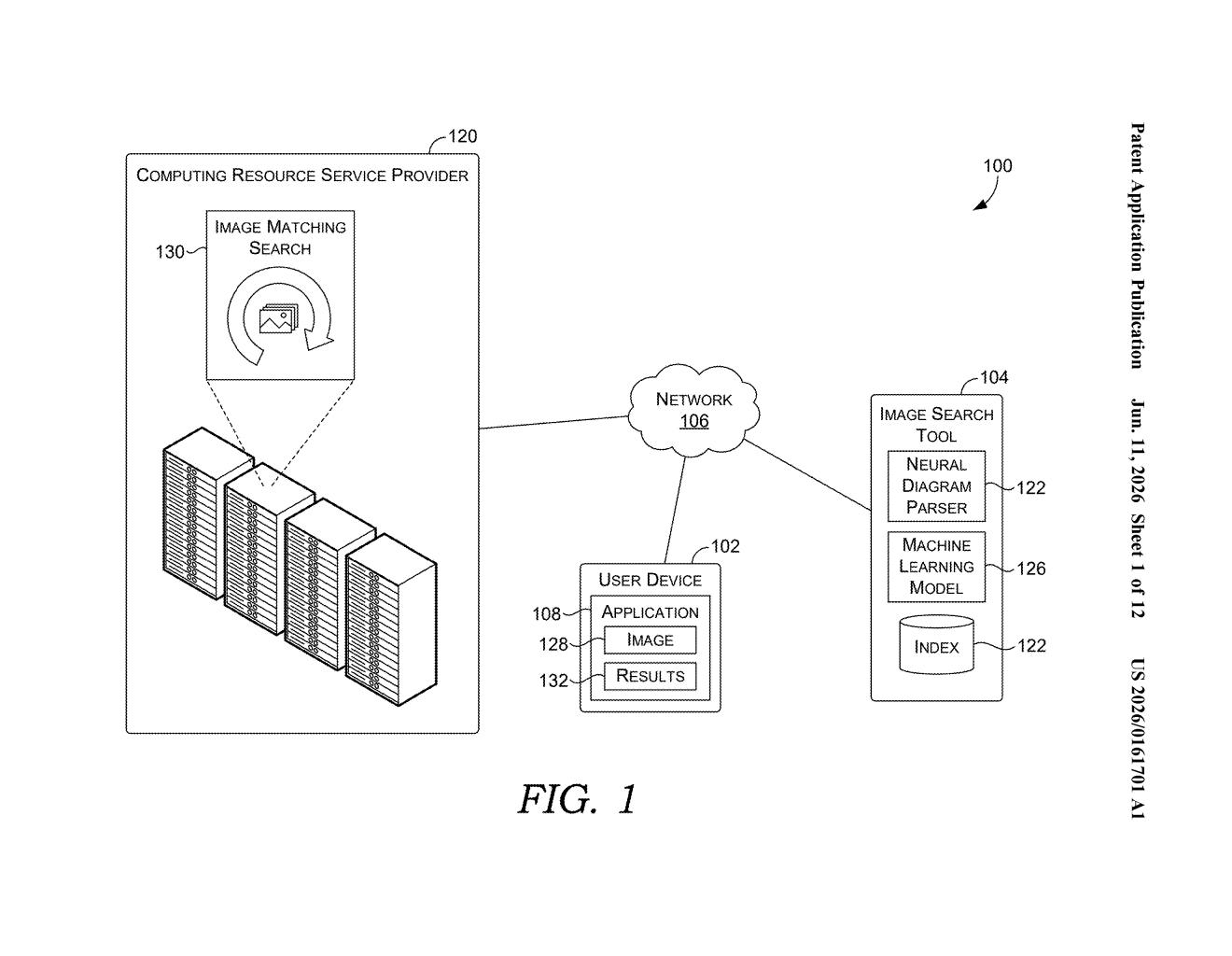
How Microsoft's meaning-based image search works
Imagine you snap a photo of a confusing diagram from a textbook — say, a flowchart showing why a machine breaks down — and you want to find other diagrams that describe the same kind of problem. A normal image search would look for pictures that look similar: same colors, same rough shapes. It wouldn't understand that the arrows, boxes, and labels mean something specific.
Microsoft's patent describes a system that actually reads the meaning baked into an image. It identifies the objects in your photo, figures out how they relate to each other, and then searches a database for other images that share the same underlying logic — not just the same appearance.
So instead of finding pictures that vaguely resemble yours, you'd find ones that are about the same idea. Think of it like the difference between searching for a word and searching for a concept.
How the object detector and diagram parser team up
The system works in two stages: indexing and querying.
During indexing, every image in a database is processed by two AI components:
- An object detector that pulls out the basic building blocks of an image — called primitives — such as shapes, labels, arrows, or icons.
- A neural diagram parser (think of it as a relationship reader) that maps out how those building blocks connect to each other, forming a relation set.
When you submit a query image, the same two-step extraction happens on your image. The system then filters a pre-built index using your image's primitives and relation set to narrow down candidates, and runs a direct comparison to find the image whose structure and meaning most closely matches yours.
The patent specifically frames this around images that depict problems — like error diagrams, technical schematics, or troubleshooting flowcharts — suggesting the technology is aimed at scenarios where understanding a diagram's logic matters more than its visual style.
What this means for technical and visual search tools
For anyone who works with technical documentation, engineering diagrams, or visual troubleshooting guides, this kind of search would be a significant quality-of-life improvement. Right now, finding a relevant diagram usually means writing the right text query and hoping the document was tagged correctly. A search that understands what a diagram depicts could surface answers you'd never find otherwise.
Microsoft's positioning here fits naturally with enterprise tools like Teams, Azure, or Bing, where users regularly work with complex visual content. If this lands in a product, it could quietly make workplace search feel a lot less like hunting and a lot more like asking.
This is a genuinely useful idea that addresses a real gap: image search has been stuck on visual similarity for too long, and most people have felt that frustration when searching for a diagram or chart. The patent is narrow and specific enough — focused on extracting primitives and relationships — that it reads like engineering work that's close to implementation, not a speculative land-grab.
There are more where this came from
We read every patent application Big Tech publishes and send you the ones worth knowing. Plain English, free, every week.
Want this weekly breakdown for a company we don't cover? Patentlyze Pro →