
Qualcomm Patents an ML-Driven System for Predicting Chip Test Results
Testing a chip thoroughly takes time — and time on a test floor costs money. Qualcomm's new patent describes a way to let machine learning predict what a full test would find, so you don't always have to run it.
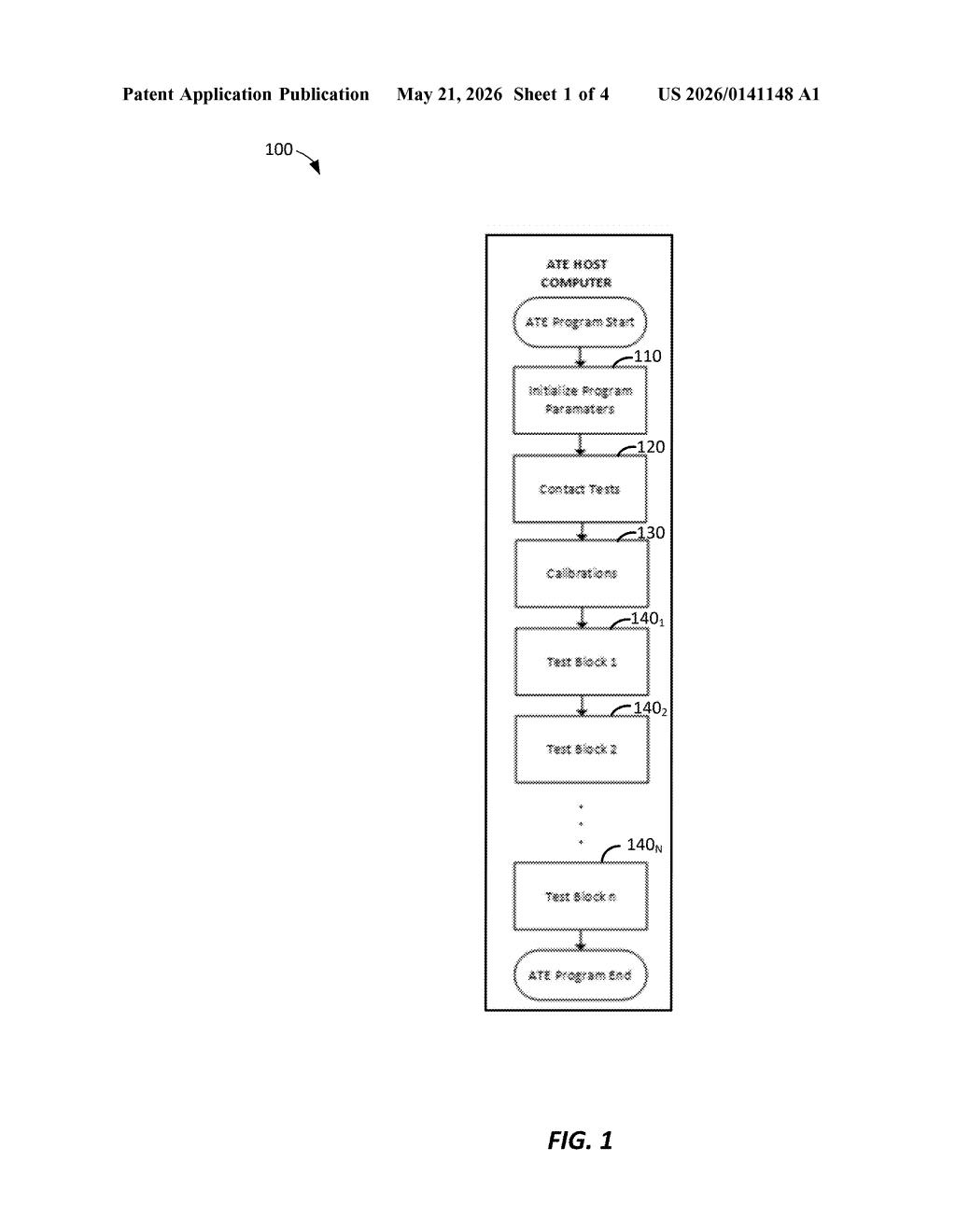
What Qualcomm's ML chip testing system actually does
Imagine you're baking a batch of cookies and instead of tasting every single one, you check a few key indicators — color, texture, smell — and confidently predict which ones are done. Qualcomm's patent applies a similar shortcut to chip manufacturing.
When a chip rolls off the production line, engineers run a battery of tests to catch defects. Some of those tests are expensive and time-consuming. This patent proposes training a machine learning model on historical test data so it can predict what a specific test would show, based on the results of tests you've already run.
The upshot: you feed the ML model your existing test data, it generates a predicted test data set, and that prediction is compared against a known target to decide if the chip passes or fails — potentially without running every test from scratch.
How the predictive model maps test data to outcomes
The system works in three main steps:
- Collect actual test data — the IC is put through a subset of tests, generating a real dataset of measurements and results.
- Run a predictive ML model — at least one machine learning model, trained to be a proxy for a specific target test, takes that actual data as input and produces a predicted test data set. Think of this model as a learned surrogate: it has internalized patterns from thousands of prior chip test runs to estimate what a particular test would have found.
- Determine pass/fail status — the predicted data is compared against a target result (the expected outcome for a passing chip) to produce a final test result status.
The claim is deliberately broad: the ML model is described as a predictive model associated with a first test, meaning the architecture could accommodate many test types across different IC designs. The patent doesn't lock in a specific ML algorithm, leaving room for regression models, neural networks, or ensemble methods.
Notably, the method is processor-implemented, suggesting it's designed to run inline — potentially on test equipment itself — rather than as a separate offline analytics step.
What this means for chip manufacturing costs and yield
Chip testing is one of the less-glamorous but very real cost drivers in semiconductor manufacturing. Running a full suite of tests on every die adds up, especially at high volume. If an ML model can reliably skip or compress certain tests by predicting their outcomes from earlier results, that translates directly into faster throughput and lower per-unit cost — advantages that matter a lot when you're producing billions of chips a year like Qualcomm.
For consumers, this kind of efficiency improvement doesn't show up as a feature — it shows up as lower manufacturing costs and potentially better yield management. It also fits into a broader industry trend of using AI not just in chips, but in the processes that make them.
This is unglamorous but genuinely useful engineering work. Reducing test time through ML prediction is a real problem the semiconductor industry cares about, and Qualcomm filing in this space signals they're investing in AI-assisted manufacturing — not just AI-powered products. That said, the patent's claims are broad and fairly abstract, so its real value will depend entirely on how well the underlying models perform on actual production lines.
Get our take in your Top Stories
Liked this breakdown? Add Patentlyze as a preferred source on Google, and our plain-English take shows up more often in your Top Stories the next time Qualcomm patent news breaks.
There are more where this came from
We read every patent application Big Tech publishes and send you the ones worth knowing. Plain English, free, every week.
Want this weekly breakdown for a company we don't cover? Patentlyze Pro →