
Qualcomm Patent Targets AI-Driven Antenna Selection to Predict Signal Drops Early
Your phone normally waits for a signal to get bad before switching antennas. Qualcomm wants it to predict the problem and switch before you ever notice.
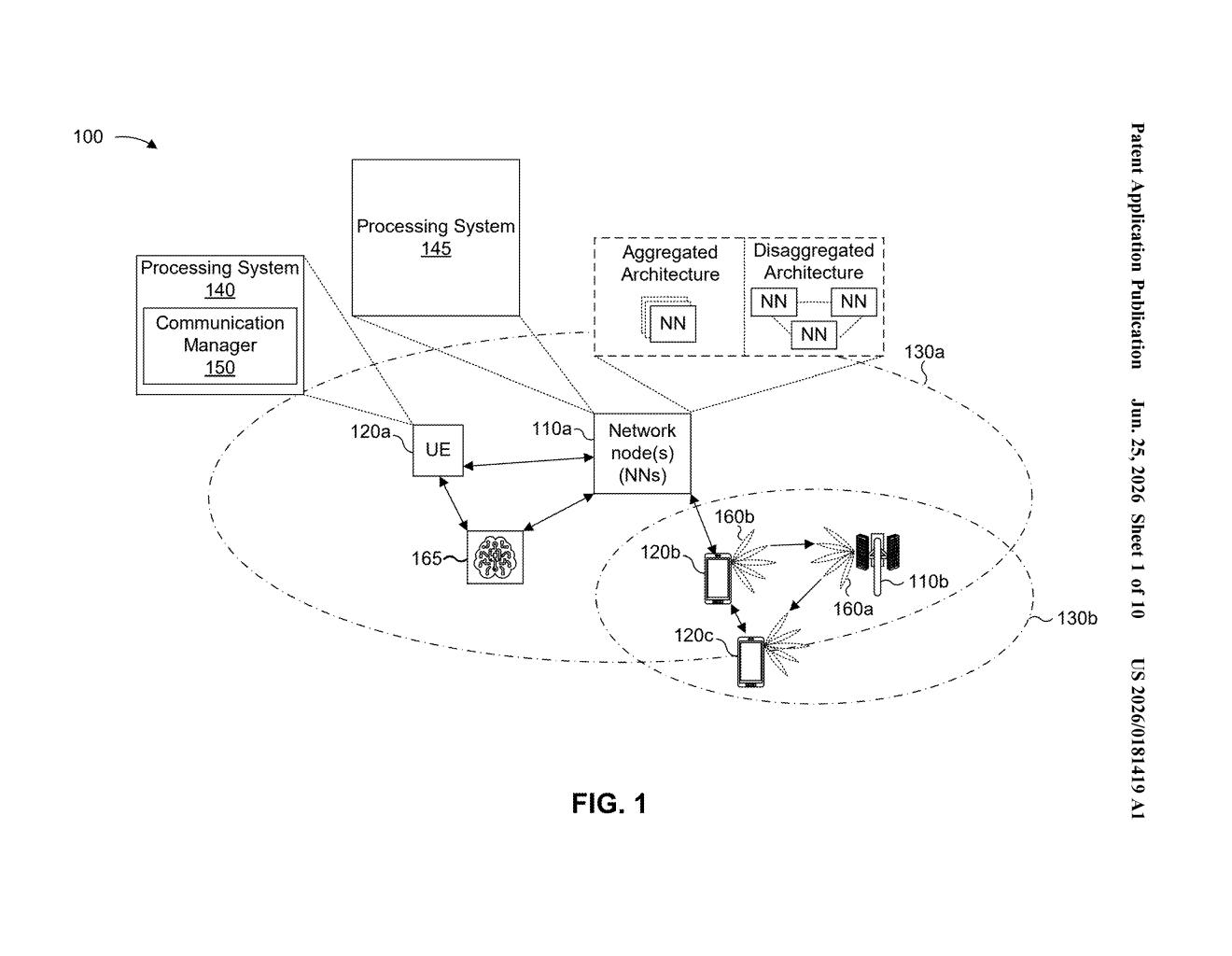
How Qualcomm's AI antenna-picker actually works
Imagine you're on a video call and your phone's signal suddenly wobbles as you walk past a thick concrete wall. Your phone usually reacts after the drop has already happened. Qualcomm's new patent describes a system where the phone thinks ahead instead.
A small generative AI model running on the phone looks at recent signal history and predicts what the wireless connection is likely to do next. Based on that forecast, it picks which antenna arrangement to use before conditions get rough. Modern phones actually carry multiple antennas, and the chip can combine or switch between them in different ways depending on the situation.
The clever part is that this AI model works the same way a text-prediction model does: it reads a sequence of past "signal snapshots" and generates a sequence of predicted future ones, then lets the phone act on that prediction. The goal is fewer dropped calls, steadier video streams, and potentially longer battery life because the phone isn't burning power on a suboptimal antenna setup.
How the generative model forecasts signal tokens
The patent describes a user equipment (UE) (that's any phone or wireless device) running a generative AI model that predicts upcoming signal conditions rather than reacting to them in real time.
Here's the flow:
- During a short reference window, the phone feeds recent signal data into the AI model as a prompt (the same concept as prompting a chatbot, but with radio measurements instead of text).
- The model outputs a sequence of tokens representing predicted future signal exchanges between the phone and the cell tower.
- The phone then selects an adaptive receive diversity (ARD) state based on those predictions. ARD refers to how the phone combines or switches its multiple antennas to best receive an incoming signal.
The generative model treats radio signal history the way a language model treats a sentence: past context predicts what comes next. By running this prediction loop ahead of actual transmission, the chip can configure its antennas proactively rather than waiting for feedback from the network.
This approach is notable because traditional ARD systems react to measured signal quality after the fact. Predicting the ARD state in advance means the phone can be in the right antenna configuration at the start of each transmission window, not catching up to conditions that already changed.
What this means for 5G phone battery life and call quality
For you as a phone user, the most direct benefit is fewer frustrating signal hiccups during calls, video streams, or downloads in environments where coverage changes quickly (moving in a car, walking indoors). Choosing the right antenna configuration before the signal degrades, rather than after, keeps the connection more stable.
Battery life is the less obvious angle. When a phone runs an inefficient antenna configuration, it often compensates by amplifying its radio signal or requesting retransmissions, both of which drain power. A proactive system that gets antenna selection right the first time could reduce that wasted energy. For Qualcomm, whose chips power a large share of Android flagship phones, building this into a modem would give those devices a measurable edge on the benchmarks carriers and phone makers care about.
This is genuinely interesting engineering: applying the token-prediction architecture of large language models to a very different domain (radio signal forecasting) is a smart reuse of an established pattern. Whether the real-world gains are large enough to matter to consumers depends heavily on implementation, but the core idea is sound and the power-savings angle makes it commercially attractive, not just technically clever.
There are more where this came from
We read every patent application Big Tech publishes and send you the ones worth knowing. Plain English, free, every week.
Want this weekly breakdown for a company we don't cover? Patentlyze Pro →