
Microsoft Files Patent for Search Toggling Between AI Chat and Web Results
Microsoft is patenting a search interface that can flip between classic blue-links results and AI-generated conversational answers without making you start over. It's a formal blueprint for the kind of hybrid search experience Bing has been experimenting with since ChatGPT made AI search a real thing.
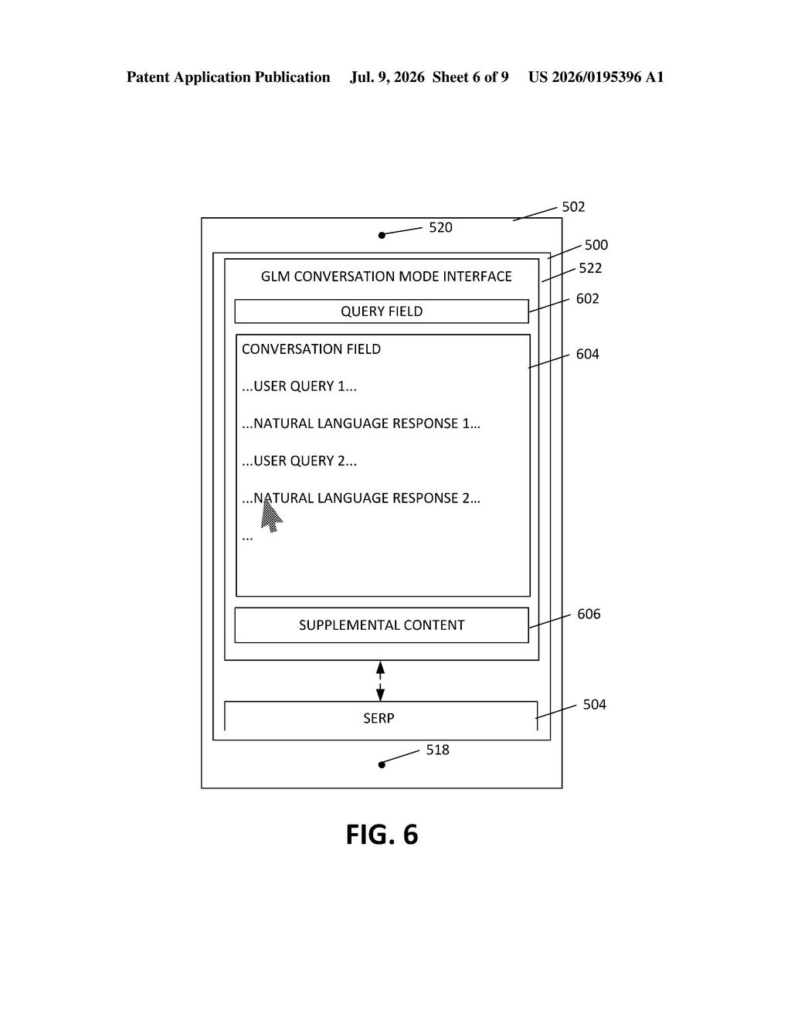
How Microsoft's two-mode search page would work for you
Imagine you type a question into a search engine and get the usual list of website links. But then you want a direct answer, not a list of links to click through. Right now, switching between those two experiences usually means going to a different tab or tool entirely.
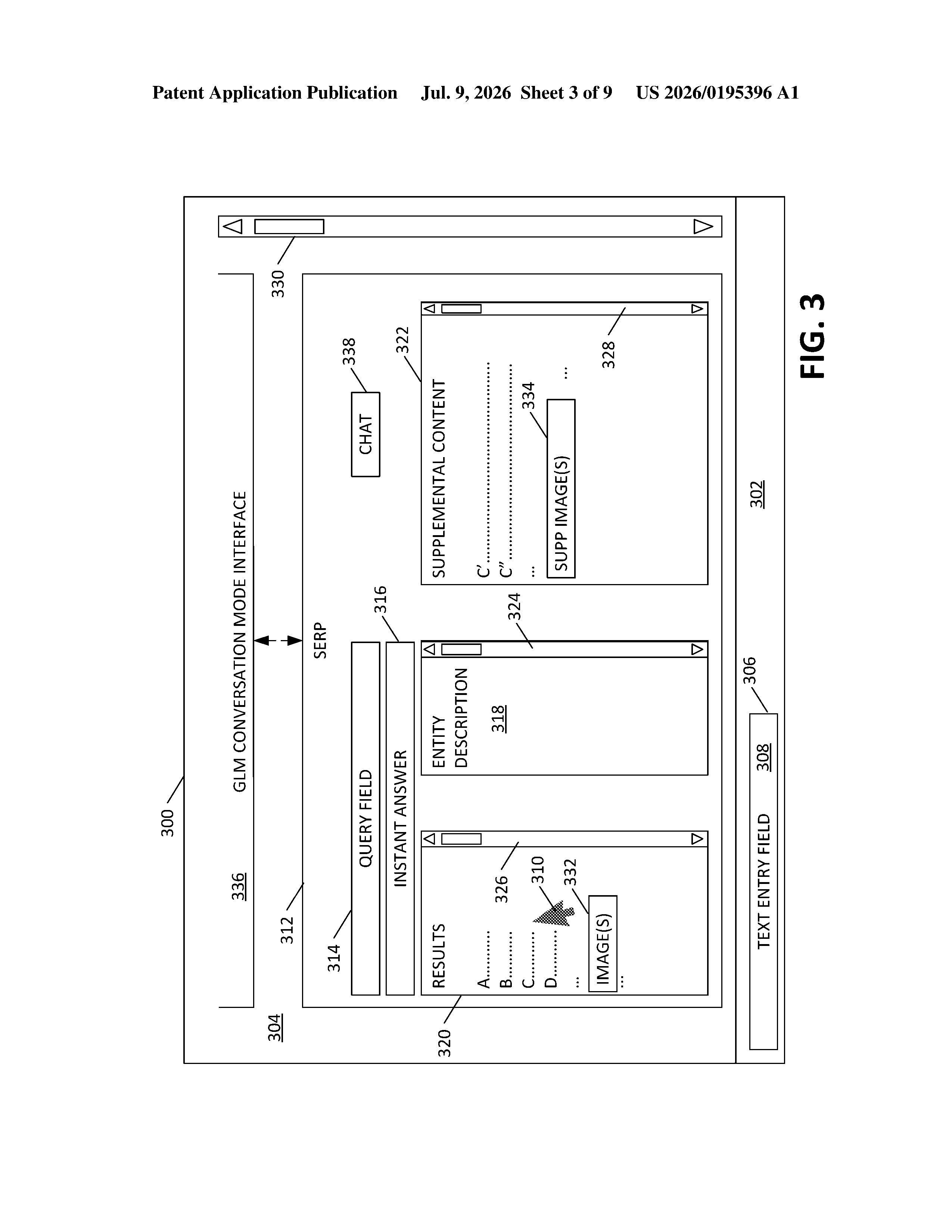
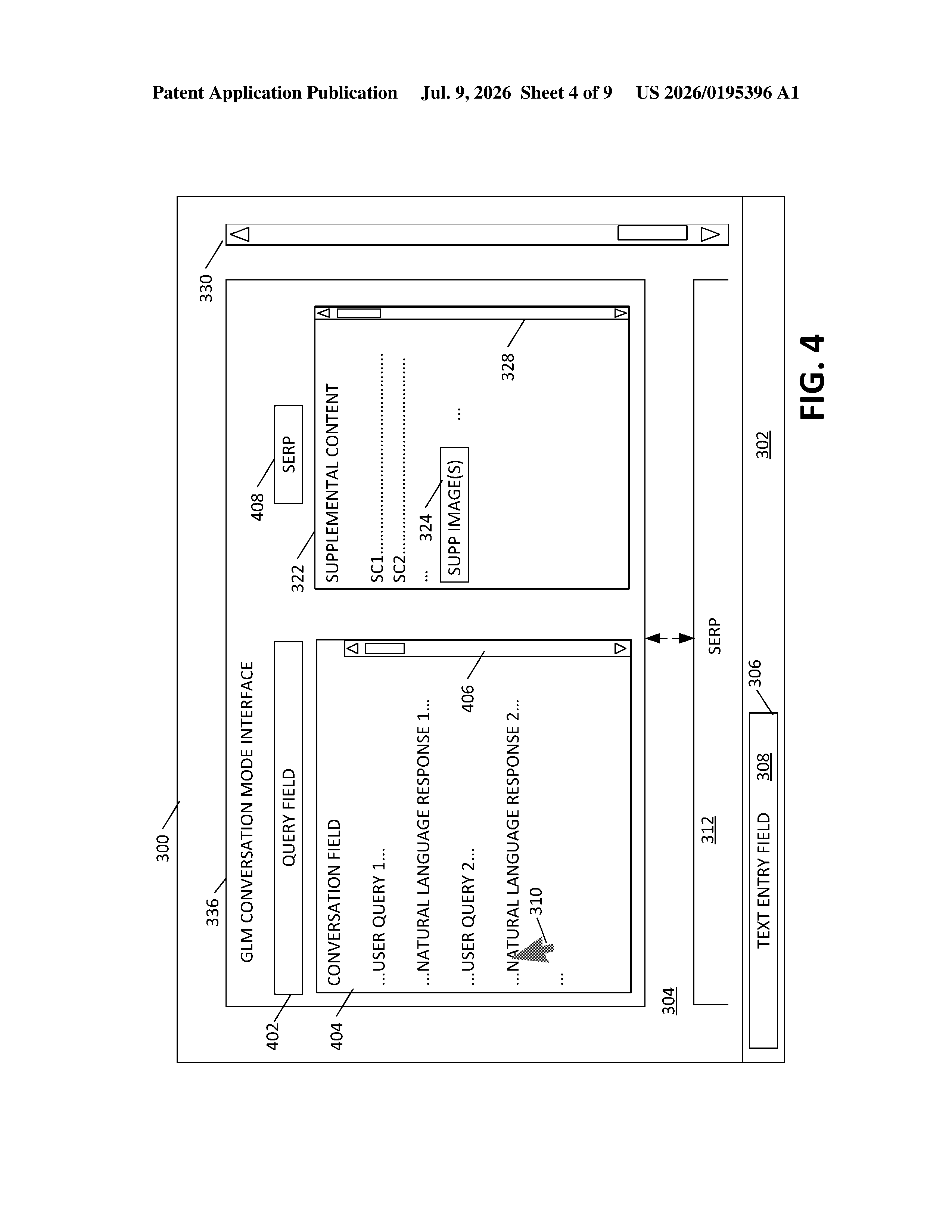
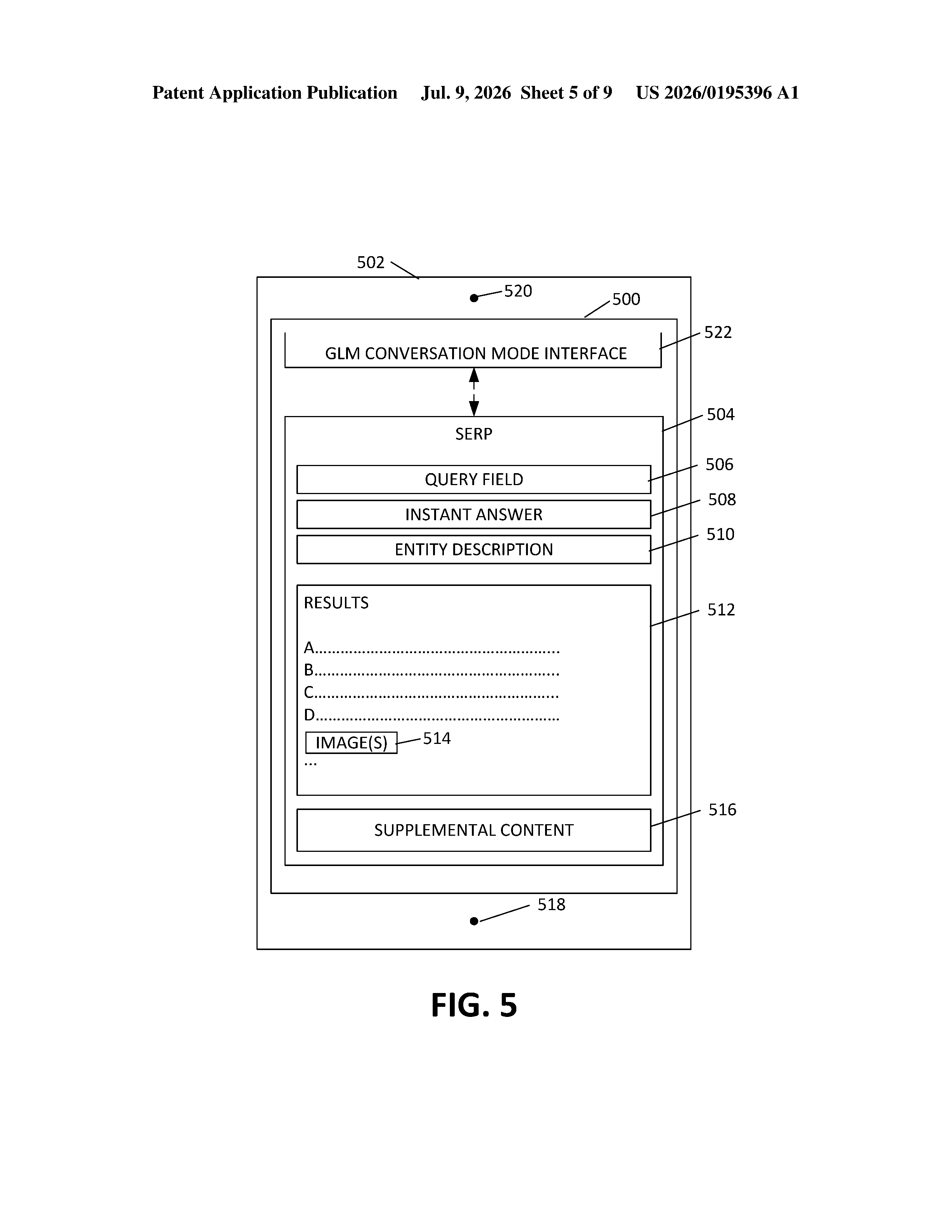
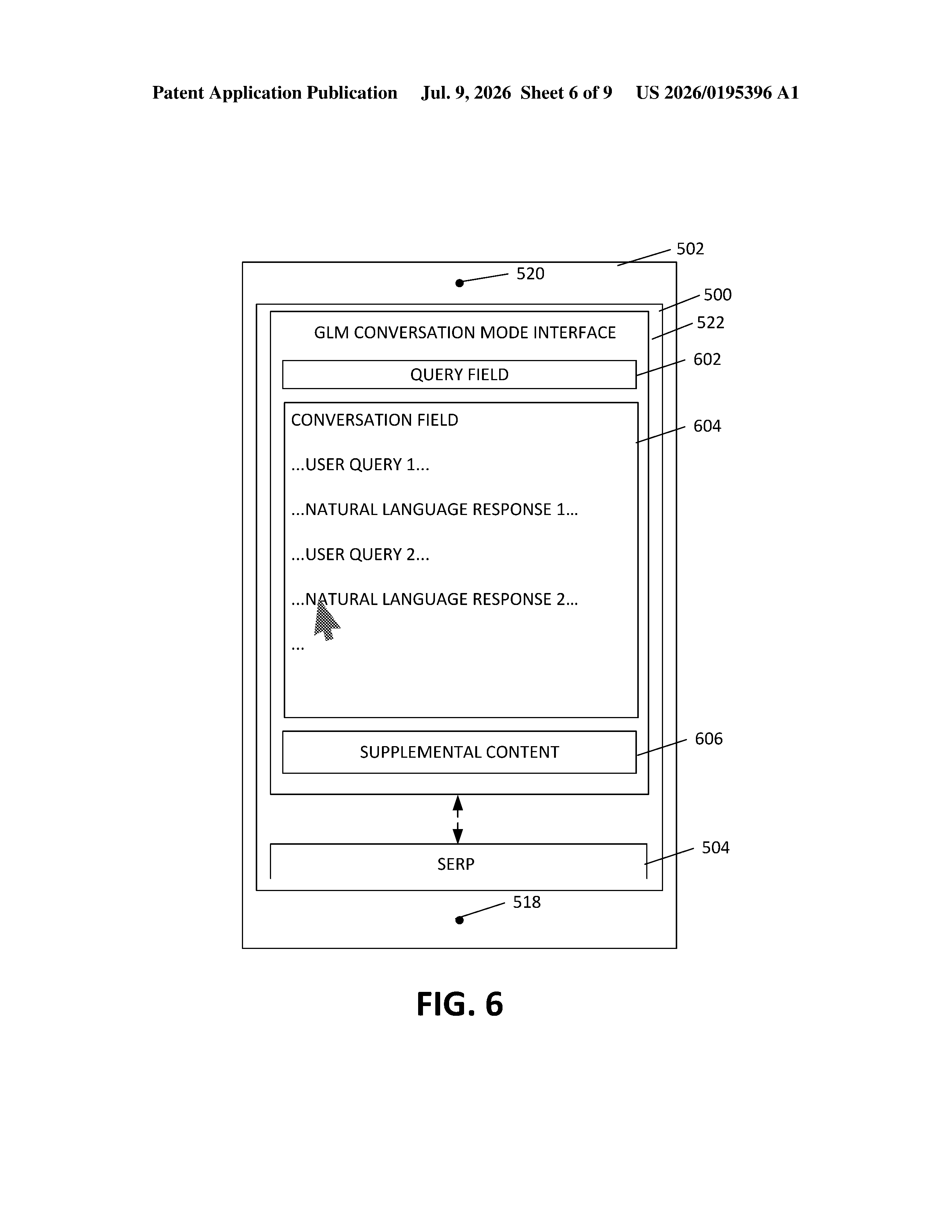
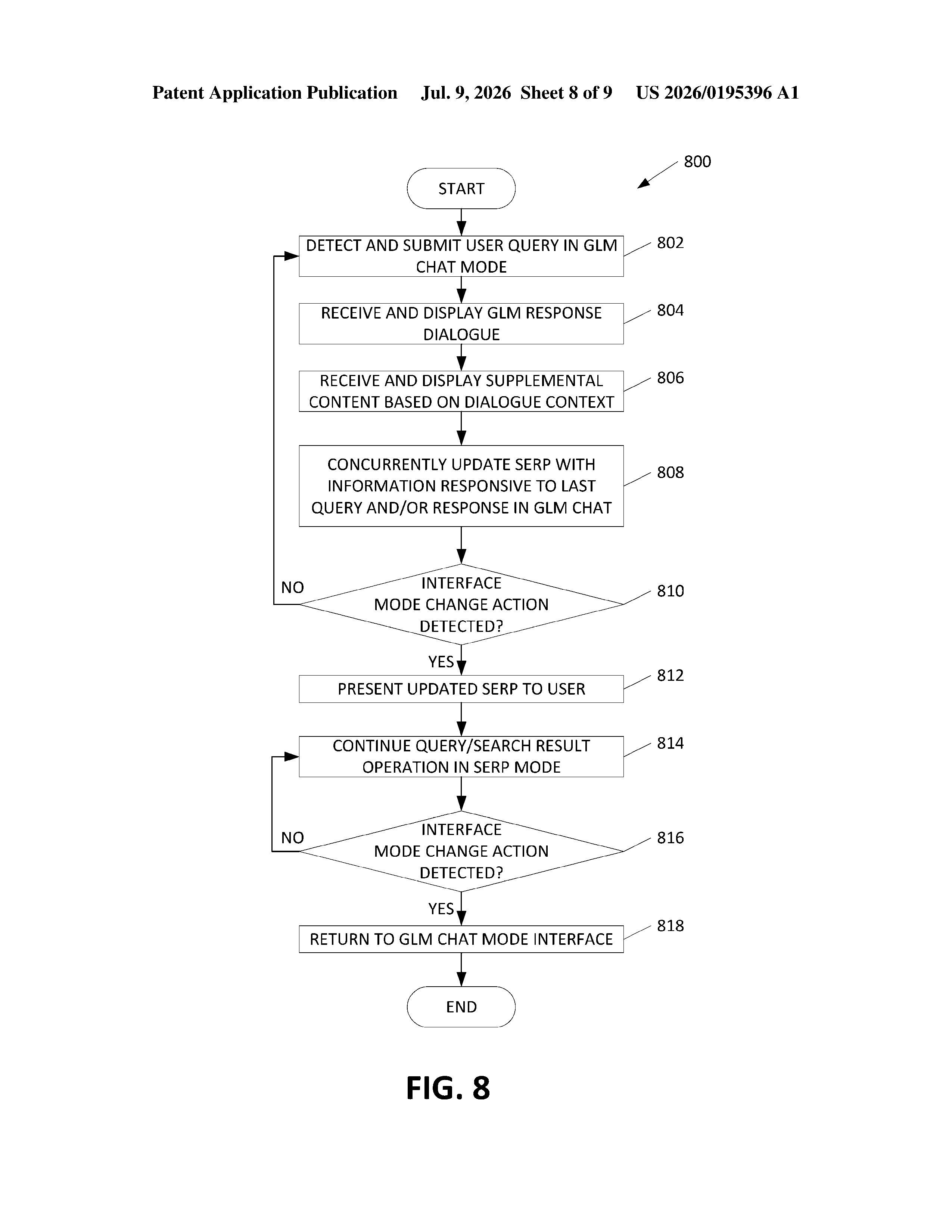
This Microsoft patent describes a system where both modes live on the same page. You type a query, the search engine fetches the usual results, and an AI model reads those results to generate a plain-language answer. A single action, like toggling a button, updates the page to show you the AI's answer instead of, or alongside, the link list.
The key detail is that the AI's answer is tied directly to your original search, not a separate conversation you have to start from scratch. The page updates in place, keeping everything connected.
How the SERP updates when you switch between modes
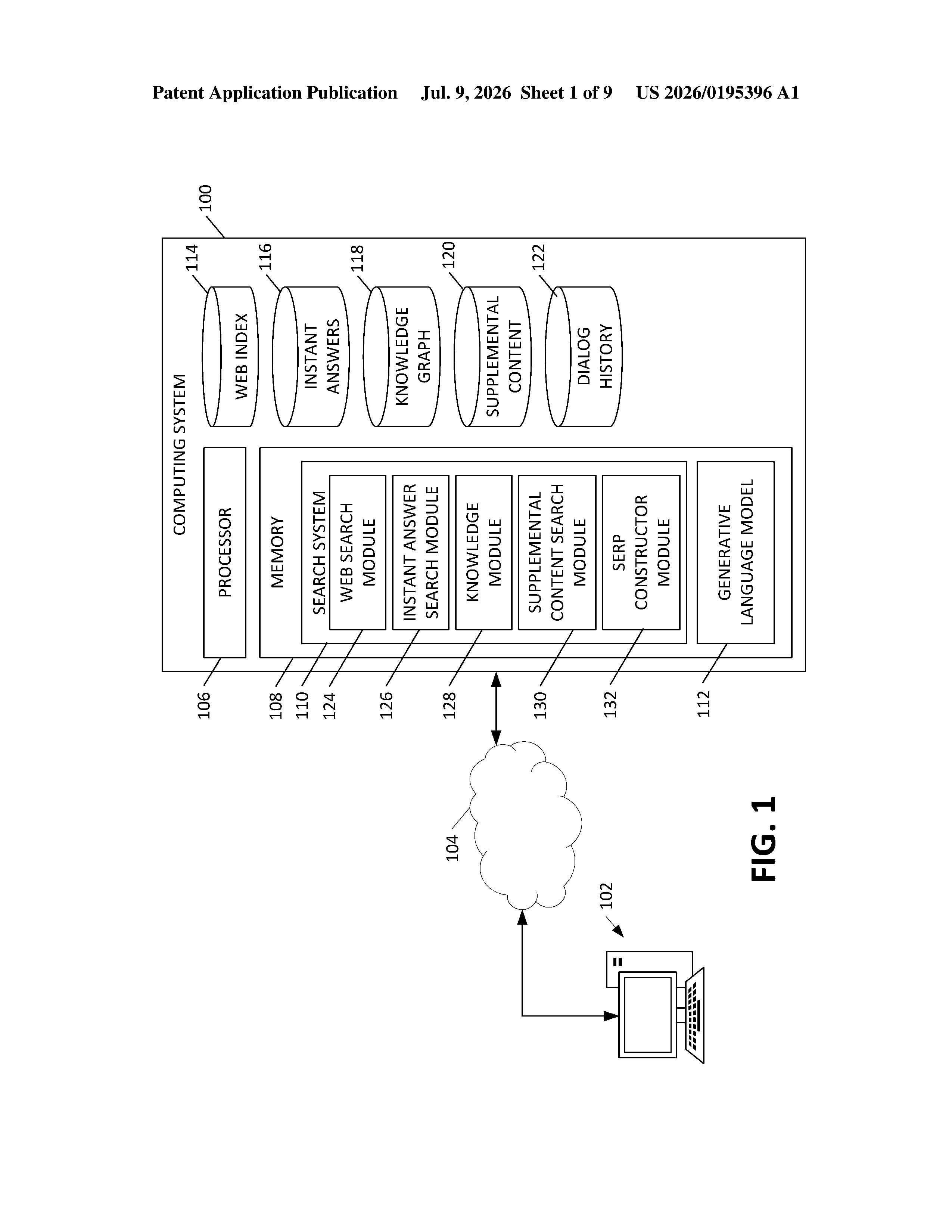
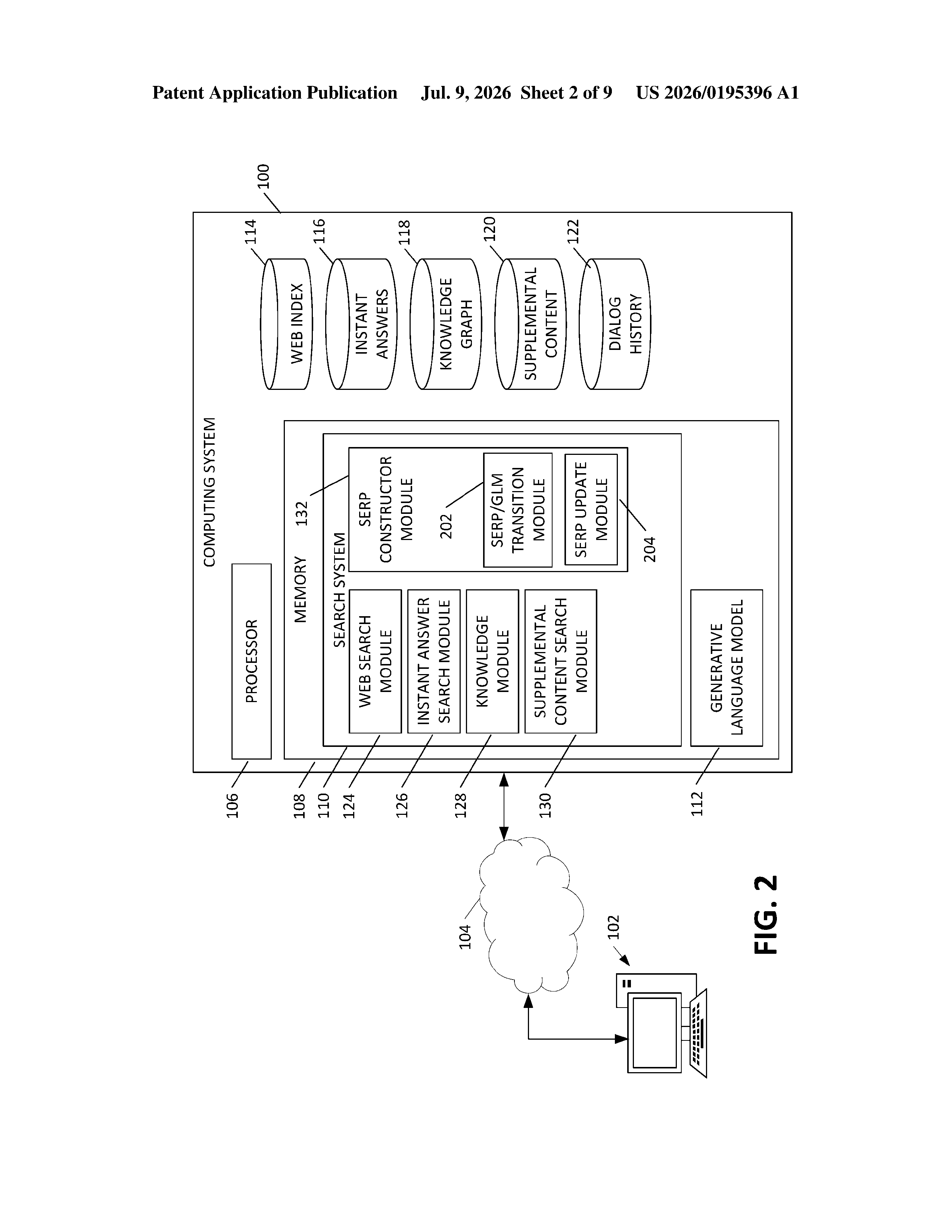
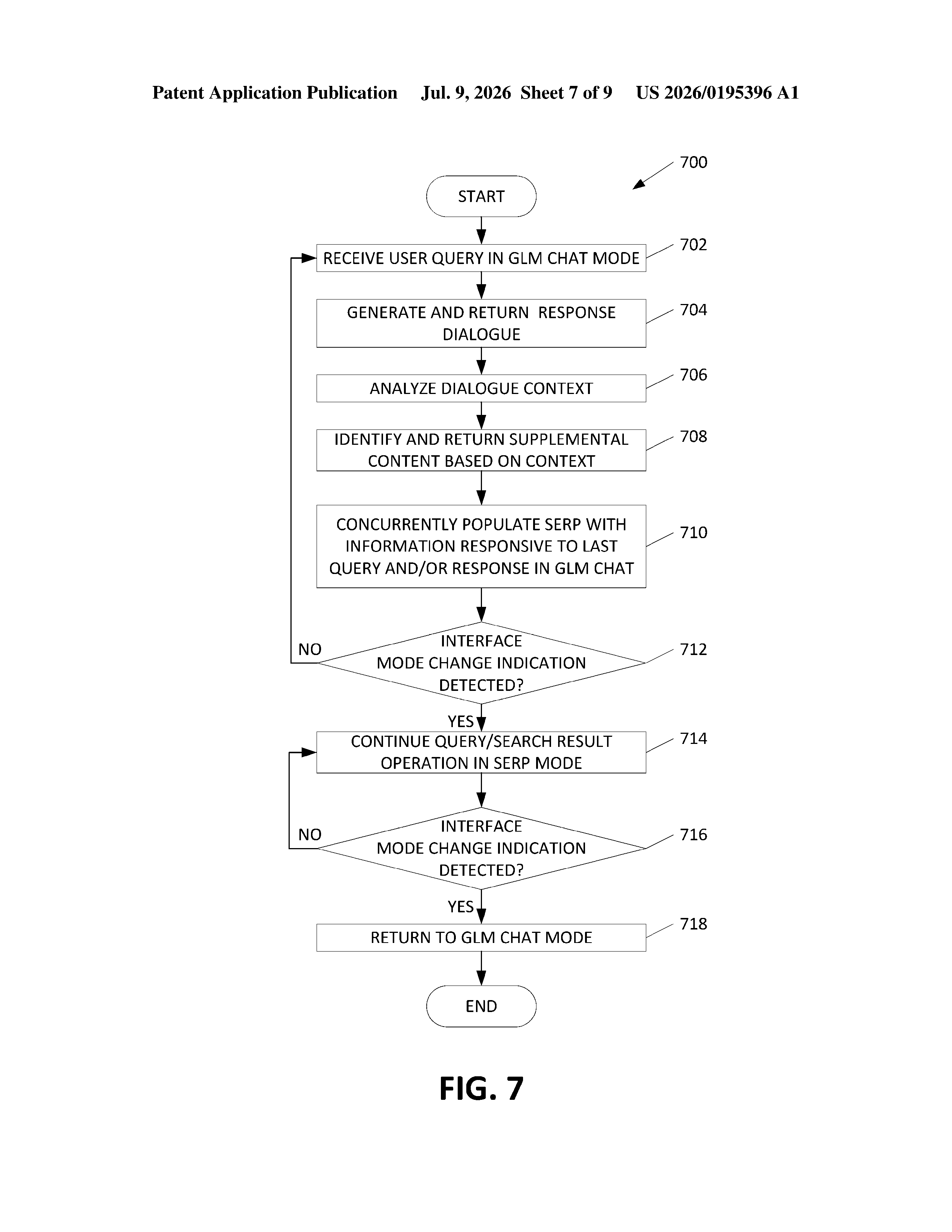
The patent describes a computing system that handles two parallel pipelines from a single user query.
- Traditional search pipeline: the query goes to a search engine, which returns ranked results, and the system builds a standard search results page (SERP) from those links.
- AI pipeline: the system also constructs a prompt, using the query or the search results themselves as input, and feeds that prompt to a generative language model (think the kind of model powering ChatGPT or Bing Chat). The model returns a conversational answer.
- Mode-switch mechanism: when the user performs an "interface mode change action" (a toggle, a button press, a gesture), the system updates the existing SERP to surface the AI-generated answer rather than navigating to a new page.
The claim is written broadly enough to cover the AI answer supplementing the link list or replacing it. The prompt fed to the AI can be built from the raw query, from the search results the engine already found, or both, meaning the AI answer is grounded in what the search index actually returned rather than generated from general training alone.
What this means for the future of Bing and web search
Bing has already shipped an AI chat mode, but the current experience essentially treats it as a separate product layer. This patent formalizes a tighter coupling: one query, one results page, two display modes. That architectural choice matters because it means the AI answer and the traditional links share the same context, reducing the chance of the AI wandering off into irrelevant territory.
For users, the practical benefit is fewer context switches. For Microsoft, it's a way to keep people inside the Bing surface longer rather than bouncing between Bing and a standalone AI tool. Whether this ever ships exactly as described is a separate question, but it signals Microsoft is thinking hard about how to make AI search feel native rather than bolted on.
This is less a technical invention and more a UX architecture patent, formalizing something Bing is already doing in rough form. That makes it somewhat routine as a filing, but it's worth tracking because it shows Microsoft wants to own the interaction design of hybrid search, not just the underlying AI. If this pattern gets locked in early, it shapes how every competitor has to think about their own search-plus-AI interface.
Get our take in your Top Stories
Liked this breakdown? Add Patentlyze as a preferred source on Google, and our plain-English take shows up more often in your Top Stories the next time Microsoft patent news breaks.
There are more where this came from
We read every patent application Big Tech publishes and send you the ones worth knowing. Plain English, free, every week.
The drawings
9 drawing sheets from US 2026/0195396 A1 · click any drawing to enlarge
Want this weekly breakdown for a company we don't cover? Patentlyze Pro →