
Samsung Patents a Camera Chip That Captures Bright and Dark Scenes Simultaneously
Taking a single photo in tricky lighting usually means choosing between a bright shot that blows out highlights or a dark one that saves the sky but loses the shadows. Samsung's new patent describes a sensor that tries to capture both at the same time, without making you choose.
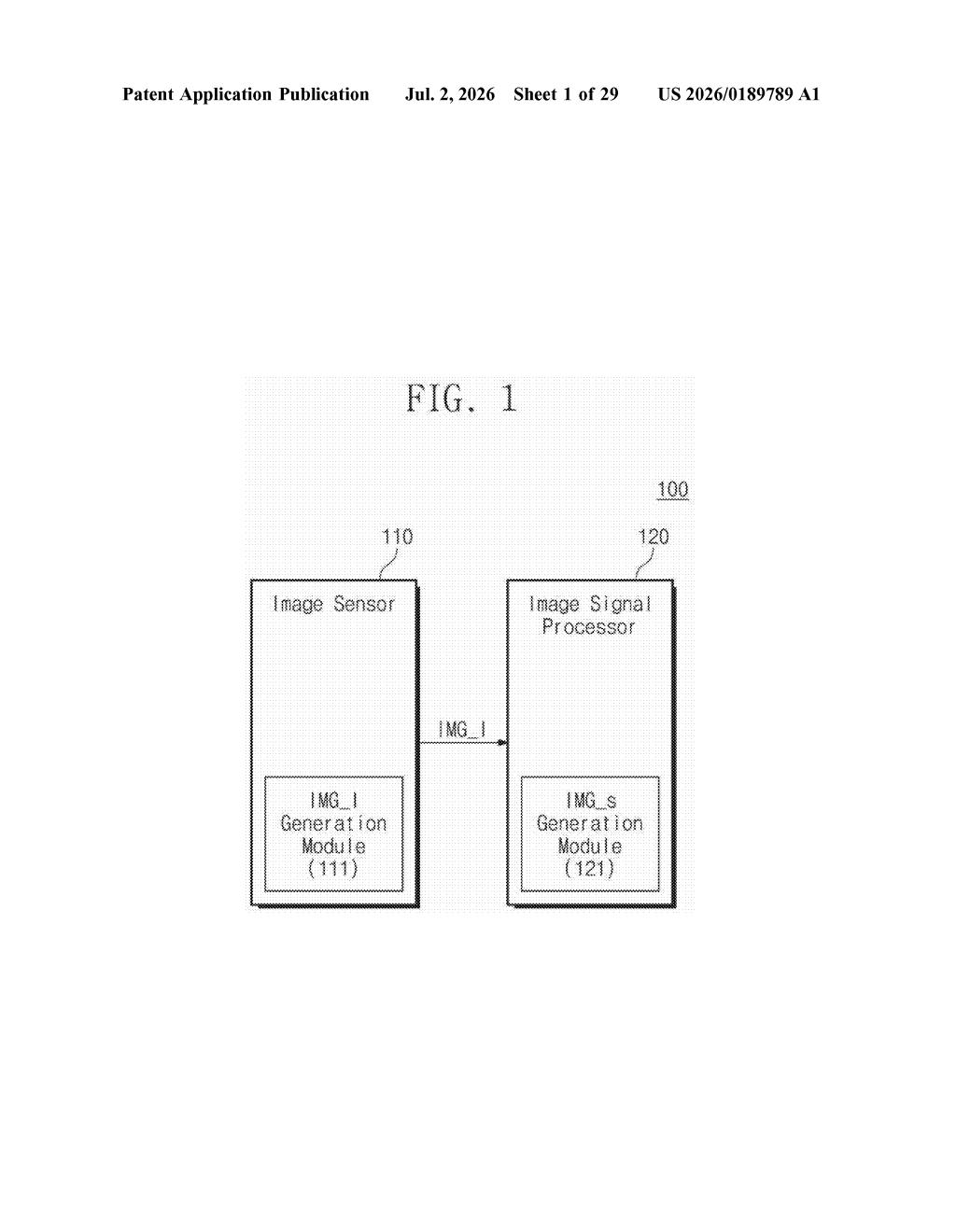
What Samsung's multi-exposure camera sensor actually does
Imagine you're photographing a sunset. The bright sky and the dark foreground are nearly impossible to capture well in a single shot because your camera has to pick one or the other to expose correctly. Samsung's patented sensor attacks this problem by splitting its pixels into two groups: some pixels soak up light for a longer time, and others cut off early.
The sensor then does the math to reconstruct what each exposure actually captured, including a third virtual exposure equal to the time difference between the two. That gives the camera's processor three separate images to blend, all from a single shutter press, without needing multiple physical captures.
The result is that your phone or camera could pull detail from bright and dark areas of the same scene more accurately, and do it faster than traditional multi-shot HDR methods that stitch together several quick photos taken back-to-back.
How the sensor splits and recombines exposure data
The patent describes an image sensor divided into two pixel types. First pixels expose for a longer duration (the "long exposure"), while second pixels cut off early at a shorter duration. Both sets feed into a shared analog-to-digital converter (the chip that turns raw light measurements into numbers the camera can process).
From that combined raw data, a circuit inside the sensor itself reconstructs a clean long-exposure image by mathematically correcting the short-exposure pixels so they look like they captured the full duration. This correction happens on the sensor, before data even reaches the main image processor.
The image signal processor (ISP) then takes that corrected long-exposure data and subtracts it to generate a third image: one that represents only the extra light gathered during the gap between the two exposure times. Technically, this "difference exposure" isolates how much light arrived during the window the short-exposure pixels missed.
The system essentially delivers three distinct exposure datasets from one physical capture event:
- A short-exposure image
- A long-exposure image
- A computed "difference" exposure covering the interval between them
This gives downstream HDR or tone-mapping algorithms richer raw material to work with.
What this means for low-light and high-contrast photography
Traditional HDR photography on phones works by firing off several shots in rapid succession and stitching them together. That approach breaks down the moment anything in the scene moves, producing ghosting artifacts around people, cars, or blowing leaves. Samsung's approach captures all exposure data simultaneously, which removes that motion problem entirely.
For Galaxy phone cameras or Samsung image sensors sold to other device makers, this could mean cleaner HDR in fast-moving scenes like concerts or sports without the tell-tale ghosting blur. It could also improve low-light video, where every millisecond of per-frame exposure data matters. The computation happens partly on the sensor itself, which may also reduce the processing load on the main chip.
This is a solid, specific engineering solution to a real and persistent camera problem. Multi-exposure HDR ghosting is still a genuine annoyance in 2025, and doing the reconstruction math on the sensor rather than after the fact is the right place to put it. Whether Samsung ships this in a Galaxy S-series or sells the sensor IP to other manufacturers, it addresses something people actually notice in their photos.
Get our take in your Top Stories
Liked this breakdown? Add Patentlyze as a preferred source on Google, and our plain-English take shows up more often in your Top Stories the next time Samsung patent news breaks.
There are more where this came from
We read every patent application Big Tech publishes and send you the ones worth knowing. Plain English, free, every week.
Want this weekly breakdown for a company we don't cover? Patentlyze Pro →