
Samsung Patents a Two-Stage System for Reading Traffic Signs from a Moving Car
Reading a stop sign is easy for a human, but for a car's camera it's a surprisingly hard problem. Samsung is patenting a two-step approach that first asks 'is that a traffic sign?' and only then asks 'which one?'
What Samsung's two-step sign-reading system actually does
Imagine you're driving and your car's camera is scanning everything in front of you: other cars, pedestrians, road markings, billboards, and somewhere in all that visual noise, a speed limit sign. Figuring out what that sign says in a fraction of a second is harder than it looks.
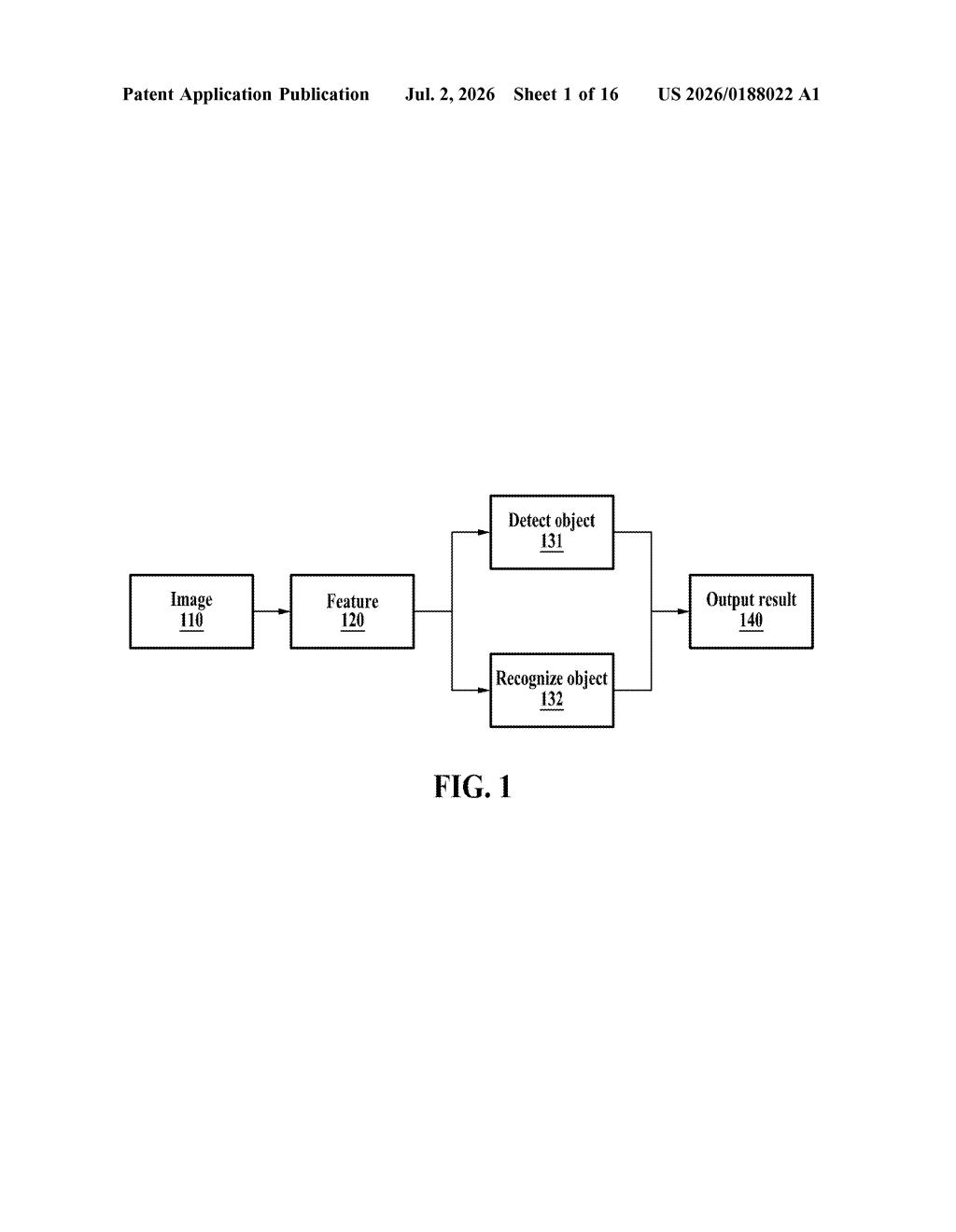
Samsung's patent describes a system that breaks the problem into two separate questions. First, the camera's software looks at the scene and decides: 'Does anything here look like a traffic sign at all?' Only after answering yes does it move on to the harder question: 'OK, is it a stop sign, a speed limit sign, a yield sign?' Splitting the job this way means the system doesn't waste processing power trying to classify every object it sees.
This kind of traffic sign recognition is a building block for driver-assistance features, the sort that warn you when you're about to miss a speed limit change or help a semi-autonomous car navigate an intersection correctly.
How the two-stage detection pipeline classifies signs
The patent describes an electronic device (most likely an in-vehicle processor or a smartphone with vehicle integration) that processes images captured from a camera mounted on or in a vehicle.
The core architecture is a two-stage recognition pipeline:
- Stage 1 (detection): The system analyzes visual features of the incoming image and asks a binary question: do any objects in this frame belong to the general category of traffic signs?
- Stage 2 (fine classification): Only if Stage 1 returns a positive match does the system proceed to identify the specific type of sign, such as stop, yield, speed limit, or no-entry.
This staged approach is common in computer vision because fine-grained classification (telling one sign from another) is computationally expensive. By gating it behind a cheaper first pass, the system avoids running the heavy classifier on every tree, building, and billboard the camera captures.
The patent is written broadly enough to cover both dedicated in-dash hardware and general-purpose processors running the same logic, which keeps Samsung's options open across product categories.
What this means for Samsung's driver-assist ambitions
Driver-assistance systems live or die by how accurately and quickly they can read the road. A system that misreads a speed limit sign or mistakes a billboard for a stop sign creates real safety problems. Samsung's two-stage approach is a practical answer to the speed-versus-accuracy tradeoff that every automotive vision system faces.
Samsung supplies chips and sensors to a wide range of automotive customers, so a patent like this could feed into in-car processors, dashcam products, or even future Galaxy phone features that assist drivers. It also signals that Samsung is investing in the full software stack for vehicle vision, not just the camera hardware.
This is a workmanlike engineering patent rather than a flashy AI announcement. The two-stage detection idea is well-established in computer vision, so the novelty here is in Samsung's specific implementation details, not the concept itself. It's worth tracking as a signal of Samsung's automotive software ambitions, but don't expect this one to change the industry on its own.
Get our take in your Top Stories
Liked this breakdown? Add Patentlyze as a preferred source on Google, and our plain-English take shows up more often in your Top Stories the next time Samsung patent news breaks.
There are more where this came from
We read every patent application Big Tech publishes and send you the ones worth knowing. Plain English, free, every week.
Want this weekly breakdown for a company we don't cover? Patentlyze Pro →