
AMD Files Patent to Accelerate In-Game Lighting Through Neural Networks
Figuring out whether a light bulb actually illuminates a surface is one of the most expensive calculations in 3D graphics. AMD wants a neural network to do it faster.
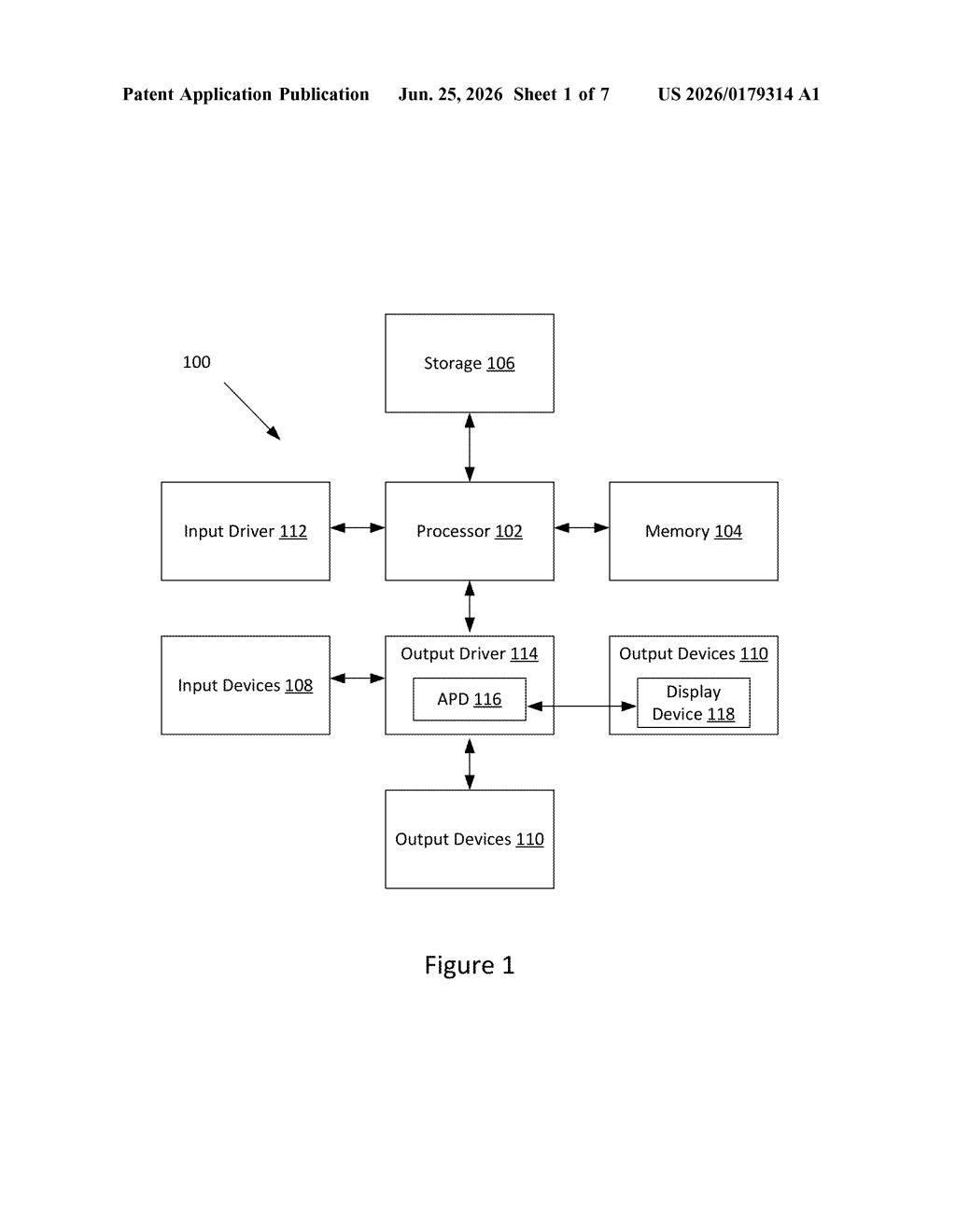
What AMD's neural lighting shortcut actually does
Imagine every frame of a video game or animated film requires the computer to ask, for every single surface point: which lights can actually reach this spot, and how bright do they appear? Walls block lights, objects cast shadows, and none of that is free to calculate. For a scene with dozens of light sources, this gets expensive very quickly.
AMD's patent describes training a small neural network on the scene itself, then using that network as a shortcut. Instead of running the full geometric calculation every time, the GPU asks the neural network, which returns a quick answer about which lights are visible from a given point and how strong they are.
The key detail is that the network is trained on the current scene being rendered, not on some general dataset. It learns the specific layout of lights and objects in front of it, then fields queries during the actual rendering pass to shade each pixel.
How the lighting network queries and shades each pixel
In standard real-time rendering, calculating direct lighting (the light that bounces from a source directly to a surface and into the camera) requires tracing rays from every surface point toward every potential light source and checking whether anything blocks the path. This is called a visibility test, and it's one of the heaviest operations a GPU performs per frame.
AMD's approach inserts a trained neural network into that pipeline:
- When a camera ray hits a surface (the "intersection point"), that point is passed as input to the lighting neural network instead of spawning new shadow rays.
- The network returns lighting information, either whether a given light source is visible from that point or the effective brightness of that light as seen from there.
- The pixel is then shaded using those network outputs, skipping the traditional geometric visibility calculation.
The network is trained on data from the scene currently being rendered, which means it specializes in that specific geometry and light arrangement rather than trying to generalize across all possible scenes. The patent doesn't specify a fixed network architecture, leaving room for the approach to scale with hardware capabilities.
What this means for real-time rendering and GPU workloads
Direct lighting visibility is one of the bottlenecks that keeps real-time ray tracing expensive enough that even high-end GPUs have to cut corners. If a neural network can approximate those visibility answers accurately and quickly, the GPU spends fewer cycles on shadow rays and more on other parts of the frame. That's meaningful for both game performance and for offline rendering workloads where render time directly costs money.
For AMD specifically, this fits into a broader industry pattern where GPU makers are weaving neural inference into the rendering pipeline alongside traditional rasterization and ray tracing. AMD already competes with Nvidia's AI-driven upscaling (FSR vs DLSS); extending neural assistance into lighting calculations is a logical next step in that competition.
This is a real engineering problem with real cost savings on the table, and the scene-specific training approach is an interesting angle that sidesteps the generalization problem that plagues most neural rendering techniques. It's not a flashy consumer feature, but if it ships in AMD's driver stack or future GPU hardware, developers would likely use it without even knowing the mechanism.
There are more where this came from
We read every patent application Big Tech publishes and send you the ones worth knowing. Plain English, free, every week.
Want this weekly breakdown for a company we don't cover? Patentlyze Pro →