
AMD Patents Technology to Block Protected Video on Displays Failing Encryption Standards
If you have two monitors plugged into your PC and one of them is older or cheaper, a new ATI Technologies patent would let the GPU decide which screen is allowed to show protected video and which one gets blocked.
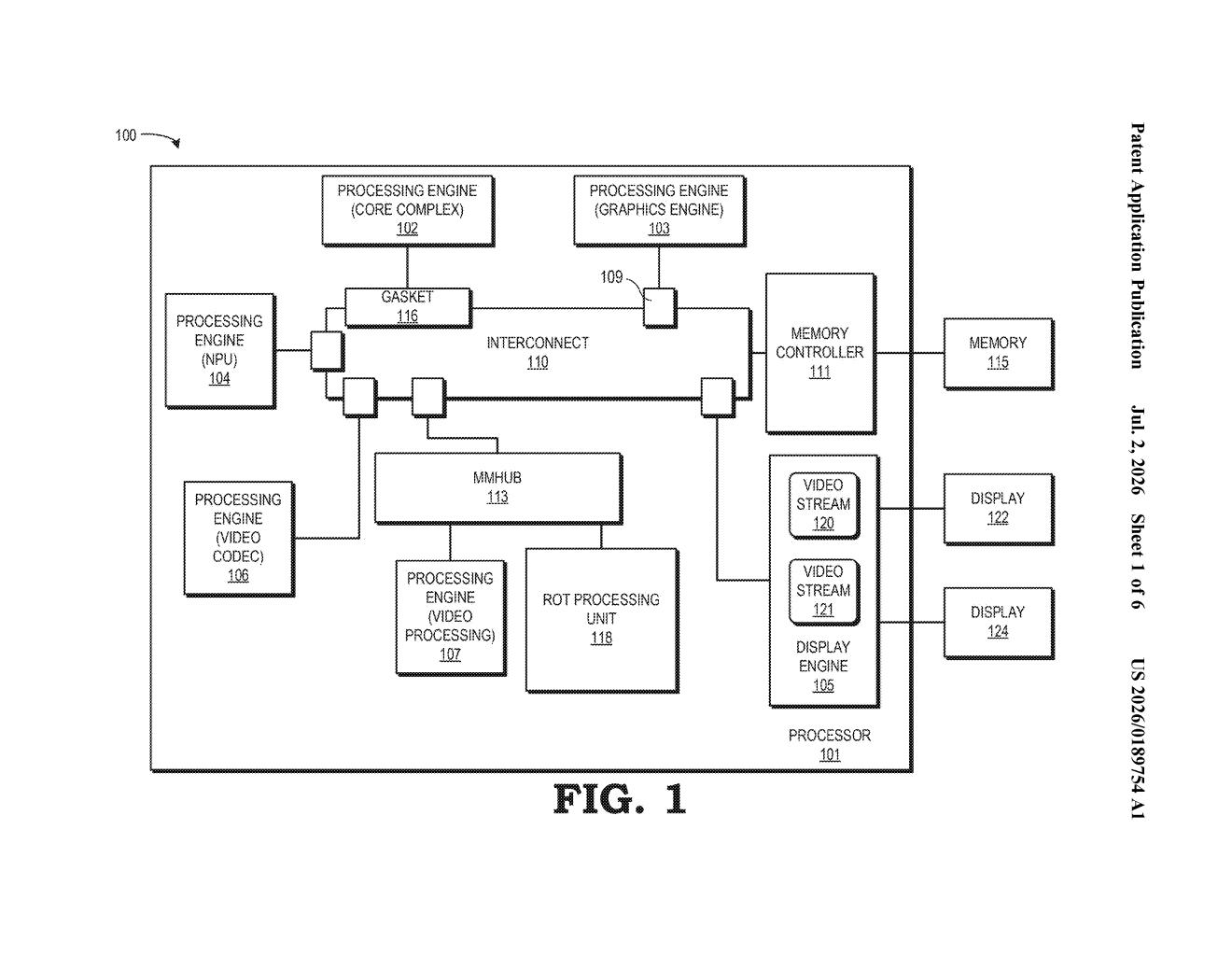
What ATI's per-screen video blocking actually does
Imagine you have a brand-new 4K monitor and an old spare screen both connected to your computer. You fire up a streaming app and try to watch a movie. The question the GPU has to answer is: are both of these screens secure enough to display this content?
ATI Technologies (the GPU division inside AMD) has filed a patent for a system that answers that question automatically, screen by screen. Each display reports what level of copy protection it supports, and the GPU checks that against what the video actually requires. Screens that pass get the video. Screens that don't get blocked, not the whole session.
Right now, when one display in a multi-monitor setup doesn't meet a content's security requirements, the entire playback can be affected. This approach would let your main monitor play the film normally while the secondary screen simply shows nothing, or a placeholder, instead of killing the whole stream.
How the display engine checks each screen's encryption level
The patent describes a display engine (the part of the GPU that handles sending video signals to screens) that receives a video stream tagged with a required encryption standard (essentially a minimum security grade the content demands before it can be shown).
For each connected display, the engine checks the screen's reported security characteristics, the copy-protection protocols it supports, such as HDCP (High-bandwidth Digital Content Protection), which is the standard handshake most TVs and monitors use to prove they won't leak premium content. The engine compares these against what the video requires.
- If a screen meets or exceeds the required standard, the video stream is delivered normally.
- If a screen falls short, provision of that stream to that specific output is blocked.
- Other screens that do qualify are unaffected.
The claim also covers handling multiple simultaneous video streams, each potentially with different encryption requirements, routed to different displays based on their individual capabilities. This is particularly relevant for setups with three or more monitors, where each output might be a different model with different protection-level support.
What this means for multi-monitor setups and streaming rights
Content licensing agreements with studios typically require that video above a certain resolution or from certain services can only be displayed on screens that support approved copy-protection standards. When one screen in a multi-monitor setup fails that check, many current systems block playback on all connected displays, which is genuinely frustrating. A per-display enforcement system would mean your secondary monitor's limitations don't hold your primary screen hostage.
For AMD's Radeon GPU lineup, this kind of granular control could also matter as streaming services push higher protected-content tiers (like 4K with stricter HDCP 2.x requirements) while users run increasingly mixed-vintage monitor setups. Getting this right at the driver and hardware level is the kind of unsexy engineering that directly affects whether a film will actually play on your desk.
This is genuinely useful infrastructure work, not a flashy feature. The problem it solves (one bad monitor ruining playback for everyone) is real and annoying for anyone with a multi-screen setup. Whether it ships as a driver update or requires new GPU silicon isn't clear from the patent, but the underlying logic is straightforward enough that it could move quickly.
Get our take in your Top Stories
Liked this breakdown? Add Patentlyze as a preferred source on Google, and our plain-English take shows up more often in your Top Stories the next time AMD patent news breaks.
There are more where this came from
We read every patent application Big Tech publishes and send you the ones worth knowing. Plain English, free, every week.
Want this weekly breakdown for a company we don't cover? Patentlyze Pro →