
Nvidia Patents a System That Spots Duplicate 3D Objects and Collapses Them Into One
Imagine a virtual city with ten thousand trees — most of them nearly identical. Nvidia's new patent describes a way to automatically detect those near-duplicates and make the GPU render just one of them, reused everywhere it appears.
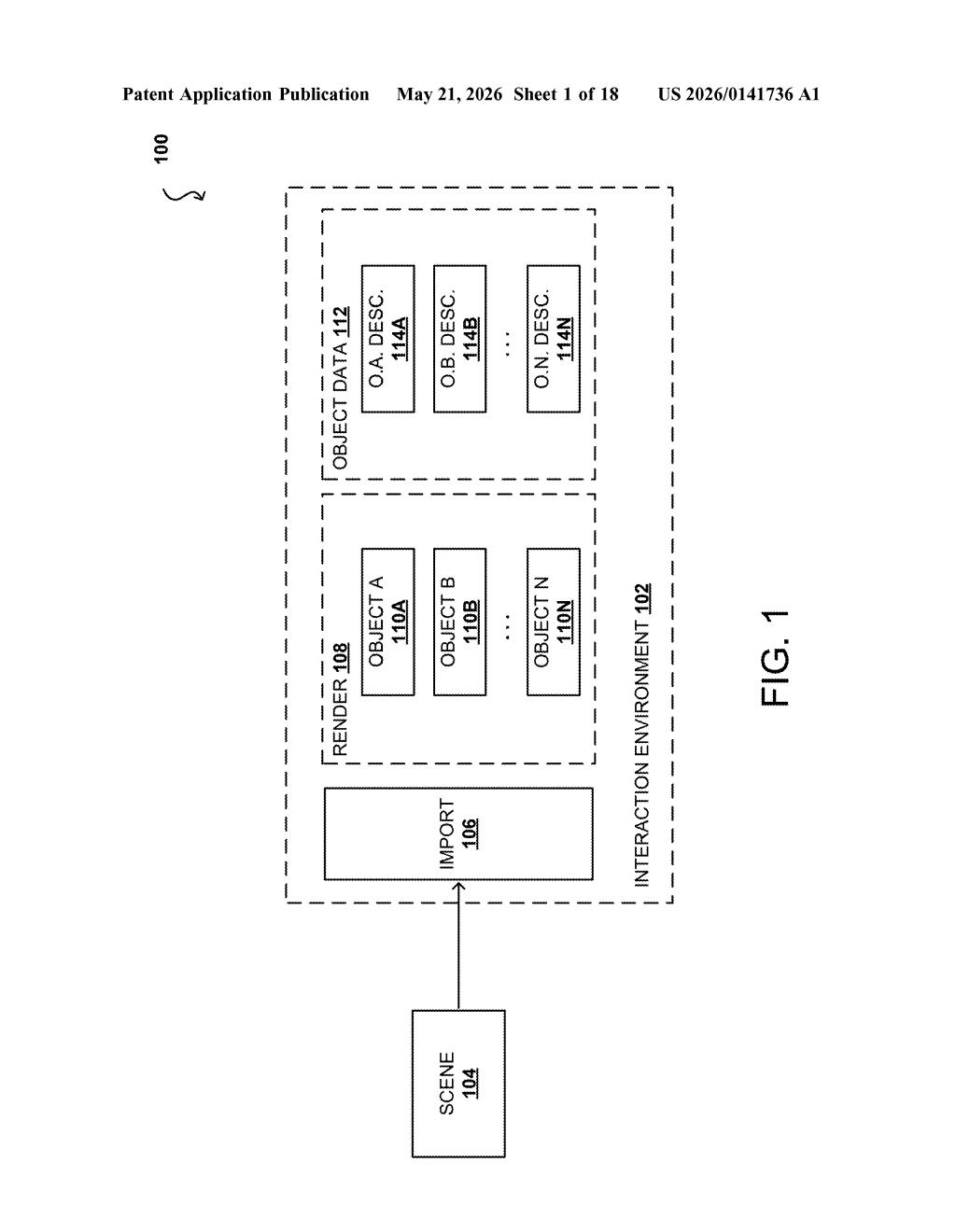
What Nvidia's 3D object deduplication actually does
Picture a 3D game world or a simulation full of rocks, trees, and parked cars. A lot of those objects look nearly the same — maybe just rotated slightly or placed in a different spot. Right now, your GPU still has to store and process each one as if it were totally unique. That wastes memory and slows everything down.
Nvidia's patent describes a system that computes a kind of fingerprint (called a signature) for each object based on its visual appearance. It then compares those fingerprints across the whole scene to find objects that are close enough to be considered duplicates.
When it finds a match, the system replaces both objects with a single shared version stored once in memory. The scene still looks the same — you'd never notice — but the GPU is doing far less work. It's essentially deduplication for 3D worlds, similar to how cloud storage deduplicates identical files across millions of users.
How Nvidia's covariance signature flags near-duplicates
The core technical trick here is using a covariance matrix — a statistical tool that captures how the surface features of an object vary relative to each other — to generate a compact signature for each 3D object in a scene.
Think of it like a fingerprint derived from the object's surface geometry and appearance properties. Two rocks that look nearly identical will produce very similar covariance-based signatures, even if they're not pixel-perfect copies.
The system then runs similarity metrics (mathematical comparisons) across all the signatures in the scene. If two signatures fall within a defined threshold of similarity — "fuzzy" matching, not exact matching — the system flags those objects as near-duplicates. One shared reference object is kept in memory, and both original objects are replaced with references pointing to that single representation.
- Compute a covariance matrix per object from its surface/appearance properties
- Hash or encode that matrix into a compact object signature
- Compare signatures across the full scene using similarity thresholds
- Swap duplicates with a shared reference, stored once in GPU memory
What this means for real-time rendering and simulation
For real-time rendering — especially in games, robotics simulation, and AI training environments — memory bandwidth and VRAM are perennial bottlenecks. A system that automatically collapses near-identical objects into shared representations could meaningfully reduce GPU load in large, complex scenes without any manual work from artists or engineers.
Nvidia builds Omniverse, its platform for 3D simulation and digital twins, which regularly handles scenes with enormous object counts. This kind of automated deduplication is exactly the sort of infrastructure optimization that makes larger, denser simulations practical. It's also directly relevant to robot training pipelines where thousands of simulation instances run in parallel — shaving memory per scene adds up fast at that scale.
This is unglamorous but genuinely useful engineering. Automatic fuzzy deduplication in 3D scenes is the kind of optimization that artists and simulation engineers have always had to handle by hand — if they did it at all. Baking it into the pipeline at the platform level, driven by covariance signatures rather than exact-match hashing, is a meaningful step toward more scalable simulations. It's not a headline feature, but it's the kind of thing that makes Omniverse or the next generation of game engines noticeably more capable.
Get our take in your Top Stories
Liked this breakdown? Add Patentlyze as a preferred source on Google, and our plain-English take shows up more often in your Top Stories the next time Nvidia patent news breaks.
There are more where this came from
We read every patent application Big Tech publishes and send you the ones worth knowing. Plain English, free, every week.
Want this weekly breakdown for a company we don't cover? Patentlyze Pro →