
Sony Patent Targets Dynamic Temperature-Based Sensor Error Correction Adjustment
Every image sensor gets noisier as it heats up, and Sony's latest patent attacks that problem at the chip level by dynamically trading data bandwidth for error protection the hotter things get.
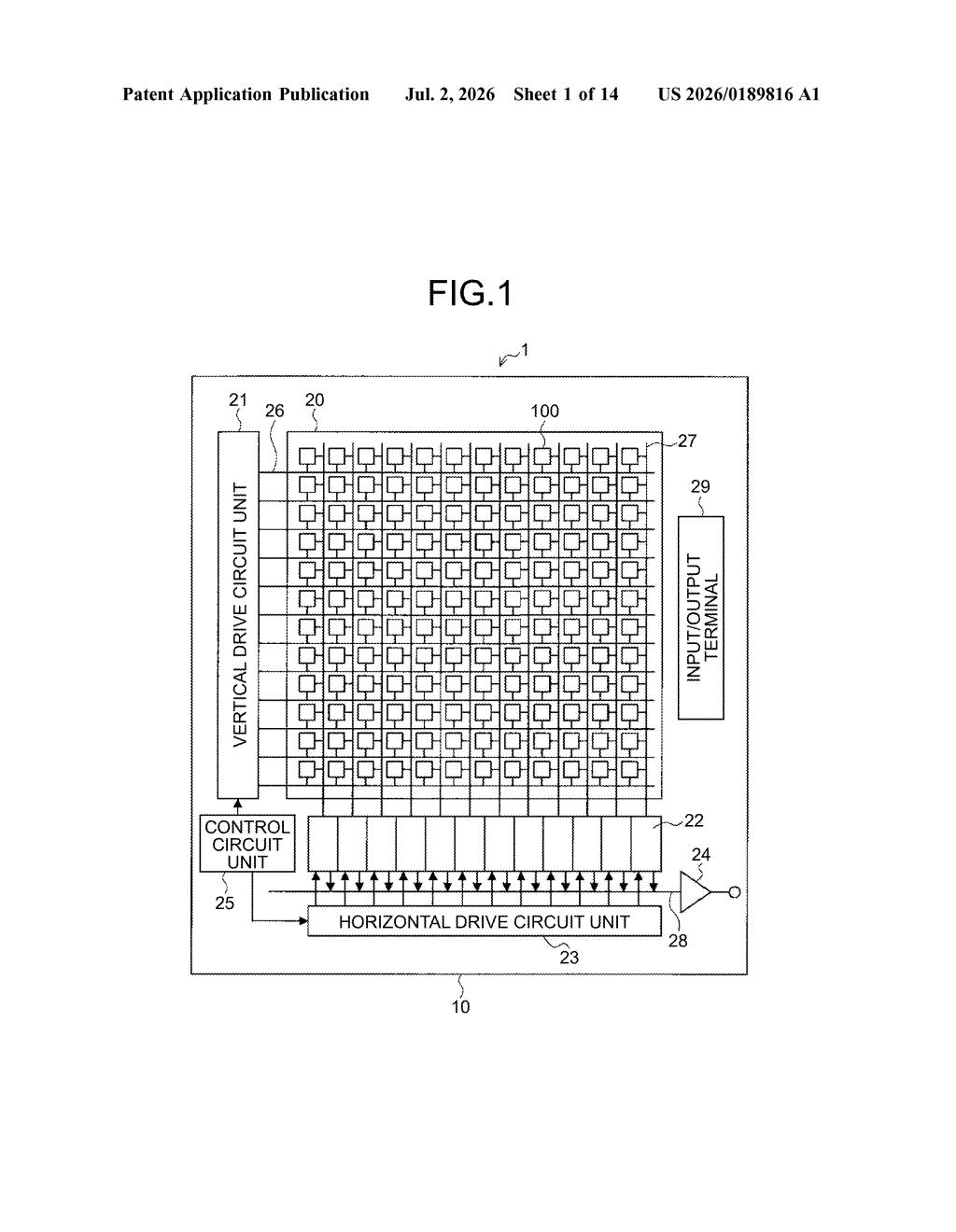
What Sony's heat-aware sensor correction actually does
Imagine your camera is shooting video on a blazing summer day, and the sensor inside is getting warm. Heat causes tiny electrical errors in the chip, which means your image data can get corrupted before it even reaches the processor. Most cameras can't do much about this on the fly.
Sony's patent describes a chip that watches its own internal temperature in real time. When things heat up, it automatically shifts some of the data it's transmitting away from raw image information and toward error-correction backup data, giving the system a better chance of catching and fixing mistakes before they show up as glitches in your photo or video.
When the sensor cools back down, the balance shifts again, and you get more of that bandwidth back for actual image data. The whole process happens automatically, without you touching a setting.
How the control unit shifts data ratios by temperature
The patent describes a sensing data processing apparatus built around three main components working together.
First, a conversion unit reads raw electrical signals from a grid of sensor elements (think pixels in an image sensor) and turns them into digital data, called information data.
Second, an encoder applies error-correcting encoding to that digital data and produces redundant data (extra backup bits that allow the receiving end to detect and fix corrupted values, similar to how QR codes can still scan even when partially damaged).
The critical third piece is a control unit that reads a temperature sensor embedded in the sensing unit and dynamically adjusts the ratio between information data and redundant data based on that reading. At higher temperatures, more of the total data budget is assigned to error correction. At lower temperatures, more goes to raw image information. This trade-off happens in real time without any manual input.
The underlying idea is that heat increases the probability of bit errors during data transmission, so the system proactively compensates by adding more protective redundancy exactly when it is needed most.
What this means for cameras in hot or demanding conditions
For cameras used in demanding conditions, such as professional video rigs, automotive sensors, or industrial inspection systems, heat-related data errors are a real and persistent problem. Current approaches tend to either use a fixed error-correction overhead (wasting bandwidth when the sensor is cool) or require manual configuration. Sony's approach lets the chip self-tune, which could mean cleaner data at high operating temperatures without permanently sacrificing throughput.
For you as a consumer, the practical effect could show up as fewer corrupted frames during extended recording sessions, or more reliable image sensors in devices like cars and drones that run hot for long periods. This is squarely in Sony's core business, since the company supplies image sensor chips to a huge portion of the smartphone and camera industry.
This is a narrow but genuinely useful piece of engineering, not a headline-grabbing concept. Error correction in image sensors is an unsexy problem, but it matters a lot in high-end video, automotive, and industrial imaging where data integrity under heat stress is non-negotiable. The dynamic, temperature-driven approach is a real improvement over fixed-ratio systems, and it fits neatly into Sony Semiconductor's strategy of adding intelligent on-chip processing to its sensor lineup.
Get our take in your Top Stories
Liked this breakdown? Add Patentlyze as a preferred source on Google, and our plain-English take shows up more often in your Top Stories the next time Sony patent news breaks.
There are more where this came from
We read every patent application Big Tech publishes and send you the ones worth knowing. Plain English, free, every week.
Want this weekly breakdown for a company we don't cover? Patentlyze Pro →