
Nvidia Patents an AI That Answers Questions During Your Live Meetings
Picture asking a question mid-meeting and getting a researched, context-aware answer before the conversation moves on. That's the core idea behind Nvidia's latest AI patent for live meetings.
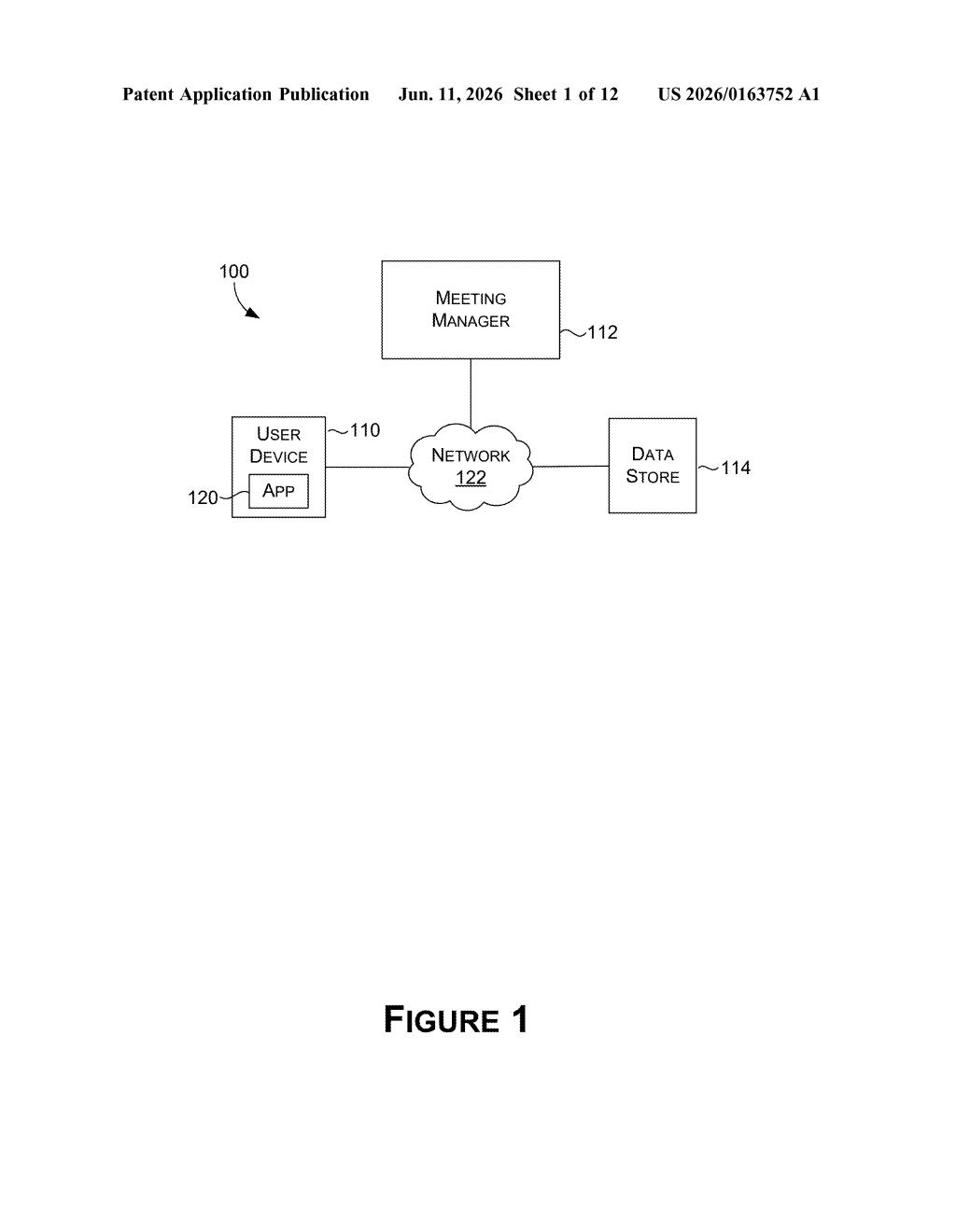
What Nvidia's live-meeting AI actually does for you
Imagine you're in a video call and someone asks, "What did we decide about this project last quarter?" Normally, someone scrambles to find old notes or the question just gets punted. Nvidia's patent describes an AI system that listens to your meeting in real time and automatically answers questions like that the moment they're asked.
The system pulls from three sources at once: what's being said right now in the meeting, notes and transcripts from past meetings, and broader company documents or data. It feeds all of that into a large language model — the same kind of AI that powers chatbots — to produce a relevant answer that shows up on screen during the call.
The AI can do more than just answer questions. It can also offer guidance on how the meeting itself should flow — think automated nudges like "you're running over time on this agenda item" or suggestions for next steps. It's essentially a real-time AI co-facilitator sitting in on every call.
How the system pulls context and generates answers mid-meeting
The patent describes a pipeline that activates whenever a "management event" occurs during a live meeting — which can be an explicit question from a participant or a trigger the system detects automatically (like a long silence or a topic shift).
Once triggered, the system identifies contextual data relevant to that moment. It searches across three layers:
- Live meeting data — the current transcript or audio stream
- Prior meeting data — transcripts, summaries, or action items from previous sessions
- Organizational data — internal documents, wikis, or databases the company has made available
That combined context is passed to a generative language model — which could be a large language model (LLM, like GPT-style text AI), a vision-language model (VLM, which can also process images or slides), or a multimodal model (MMLM, which handles text, audio, and video together). The model generates either an inquiry response (a direct answer) or an orchestration directive (guidance for managing the meeting's flow).
The output is surfaced through a user interface visible to participants during the live session — not as a follow-up summary, but in the moment.
What this means for AI-powered workplace software
Most AI meeting tools today work after the call ends — they transcribe, summarize, and send you a recap. Nvidia's patent targets the gap inside the meeting itself, where decisions actually get made and questions go unanswered. If this works as described, it could meaningfully reduce the time wasted re-litigating things that were already decided or chasing down information mid-discussion.
Nvidia already sells enterprise AI infrastructure, and a system like this would pair naturally with its existing push into AI-powered workplace and collaboration tools. The real question is whether this becomes an Nvidia-branded product or a capability licensed to videoconferencing platforms — the patent doesn't say, but either path puts Nvidia closer to the enterprise software layer it's been quietly building toward.
This is a genuinely useful idea, and the "real-time" angle is what separates it from the crowded post-meeting AI summary market. Whether Nvidia ships this as its own product or sells the underlying tech to meeting platforms, it's a clear signal that the company is serious about the enterprise software layer — not just selling the chips that run everyone else's AI.
There are more where this came from
We read every patent application Big Tech publishes and send you the ones worth knowing. Plain English, free, every week.
Want this weekly breakdown for a company we don't cover? Patentlyze Pro →