
Nvidia Patents an AI System That Figures Out Why You Canceled
Every time you cancel a subscription, you probably click through a short survey and pick whatever reason gets you out fastest. Nvidia thinks AI can do much better than that survey.
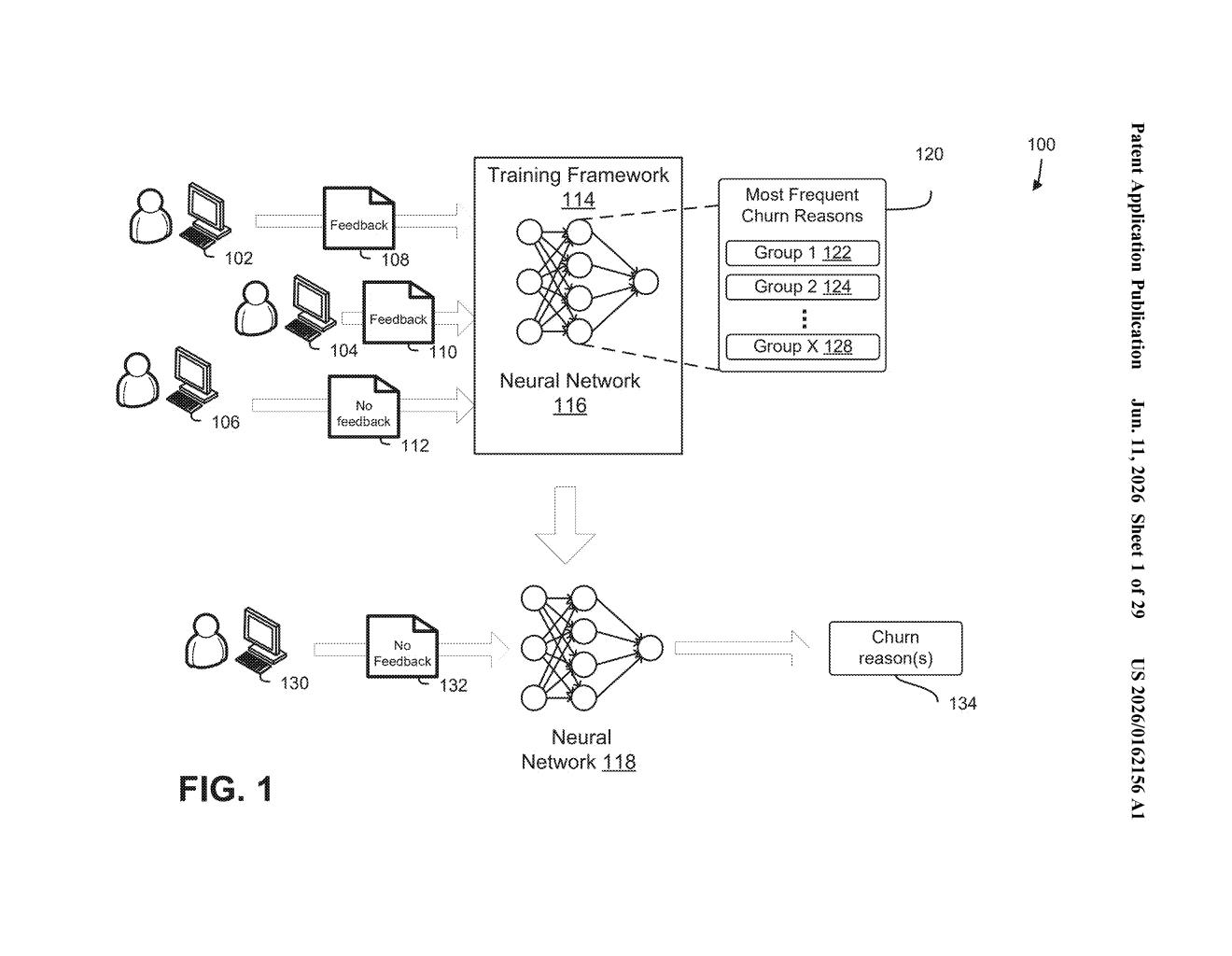
What Nvidia's subscription-cancellation AI actually does
Imagine you cancel a streaming or software subscription. You click "too expensive" from a dropdown, but the real reason was that the app kept crashing. That mismatch between what you said and what actually drove you away is a huge blind spot for companies — and Nvidia wants to close it.
This patent describes an AI system that watches how users actually behave inside an online service — things like which features they stop using, how often they log in, or where they seem to hit walls — and then uses that data to figure out the real reasons people leave. Instead of relying on what you say in a cancellation survey, it looks at what you did.
Nvidia calls this behavioral data "telemetry," and the system uses neural networks — the same family of AI behind image recognition and chatbots — to spot patterns across many users and match them to known reasons people churn. It's essentially giving subscription businesses a much sharper tool for understanding customer loss.
How the neural network reads your behavior before you quit
The system has three main steps: detect that a user has stopped using a service, collect telemetry data about how that user interacted with the service before leaving, and then run that data through one or more neural networks to identify the likely reason for departure.
Telemetry data (usage logs that record clicks, session lengths, feature access, error events, and similar activity) is the raw ingredient. Rather than asking users why they left, the system infers reasons from behavior — a concept borrowed from how recommendation engines figure out what you want before you search for it.
The patent also describes using "representative reasons" — a pre-existing catalogue of common cancellation causes — as a reference library. The neural network essentially compares a departing user's behavioral fingerprint against these known patterns to find the closest match, similar to how a spam filter matches an email against known spam signatures.
Importantly, the patent is written broadly enough to cover
- Individual user analysis (why did this person leave?)
- Aggregate pattern detection (why are users in a certain cohort leaving?)
- Real-time or near-real-time feedback classification
The claim covers any online service subscription, which means the scope is wide.
What this means for subscription services and your data
For subscription businesses — think software, gaming, streaming, cloud services — reducing churn is one of the most valuable levers available. If a company can pinpoint that users are leaving because a specific feature is confusing rather than because of price, it can fix the feature instead of issuing discounts. That's a meaningfully different business decision, and AI-driven behavioral analysis could make it far more accurate than exit surveys.
For you as a user, this is a reminder that your in-app behavior is a rich data source. Even if you never fill out a cancellation form, a system like this could infer your frustrations from the digital trail you leave behind. Whether that leads to better products or just more aggressive retention tactics depends entirely on how companies choose to use it.
This is a squarely practical business-intelligence patent — not flashy, but potentially lucrative. Churn prediction and root-cause analysis are genuinely hard problems for subscription companies, and an AI system that goes beyond exit surveys could be worth real money. The interesting wrinkle is that it's Nvidia filing this, not a SaaS analytics firm — which suggests they may be building it for their own GeForce Now or other subscription platforms, or positioning it as an enterprise AI product.
There are more where this came from
We read every patent application Big Tech publishes and send you the ones worth knowing. Plain English, free, every week.
Want this weekly breakdown for a company we don't cover? Patentlyze Pro →