
Nvidia Patents an AI System That Grades Images for Flaws Automatically
Checking images for defects is tedious, manual work. Nvidia's new patent hands that job to an AI that can not only find flaws but score how bad they are.
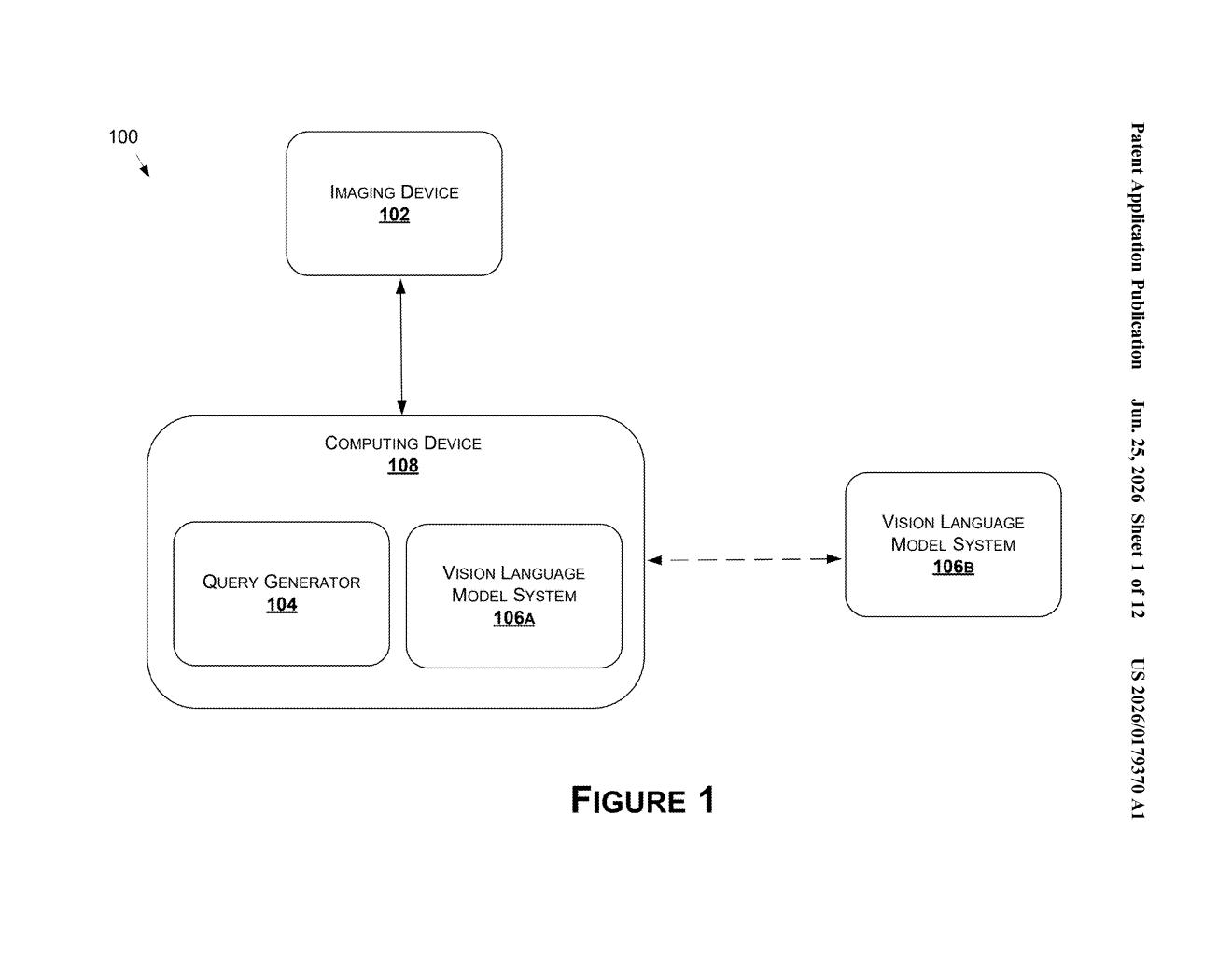
How Nvidia's AI spots and scores image quality problems
Imagine a factory inspector who looks at thousands of product photos every day, circling scratches, smudges, or blurry spots on each one. That job is slow, expensive, and inconsistent from one person to the next. Nvidia's patent describes a way to automate that entire process using an AI that can both see and read.
The system feeds an image to the AI along with a question, something like "What imperfections are in this image and how severe are they?" The AI, called a vision language model, processes the picture and the question together and writes back an answer describing what's wrong and how bad it is.
The result is a quality score tied to whatever flaws the AI found. You get structured, consistent judgments about image quality without a human having to look at every single frame.
How the vision language model gets queried about each image
The patent describes a pipeline built around a vision language model (VLM), an AI that processes images and text together, similar to how a large language model reads text but extended to understand visual content.
The core steps are:
- The system obtains image data containing one or more imperfections (blurs, artifacts, noise, physical defects on a photographed object, etc.).
- It constructs a query, a text prompt tailored to the image, that tells the VLM exactly what to look for.
- The image and the query are sent to the VLM together, which generates a natural-language output describing the imperfections it found.
- Finally, the system converts that output into a degree-of-quality score, giving downstream systems a structured measure of how flawed the image is.
The query-construction step is notable. Rather than using a fixed prompt for every image, the system determines the right question based on the image itself, which lets it focus the VLM's attention on the most relevant type of flaw for that particular input.
USPC 382/157 places this squarely in image analysis and pattern recognition, the broad field covering computer vision quality-inspection systems.
What this means for automated image quality pipelines
Automated image quality inspection shows up in a lot of places: semiconductor wafer inspection, medical imaging review, autonomous vehicle camera validation, and content moderation pipelines. Today most of those systems use narrow, rule-based detectors trained on specific defect types. A VLM-based approach could flag unexpected defect categories without needing a separate trained model for each one.
For Nvidia specifically, this fits neatly into its industrial AI and Omniverse ecosystem, where synthetic and real images need quality checks before being used to train other models. If your training data contains flawed images you don't know about, your trained model inherits those problems. A general-purpose image grader helps close that gap.
This is a sensible, incremental application of VLMs to a real industrial problem. It's not a conceptual leap, but it's the kind of practical tooling that makes larger AI pipelines more reliable. Companies building vision AI at scale will care about this; general consumers won't.
There are more where this came from
We read every patent application Big Tech publishes and send you the ones worth knowing. Plain English, free, every week.
Want this weekly breakdown for a company we don't cover? Patentlyze Pro →