
Nvidia Patents an AI That Reads Documents the Way Humans Do
Nvidia is patenting a way to teach machines how to read documents the way humans do — understanding that a heading introduces a section, and that sections nest inside one another. It's less glamorous than a new GPU, but it's the kind of infrastructure that makes AI document search actually work.
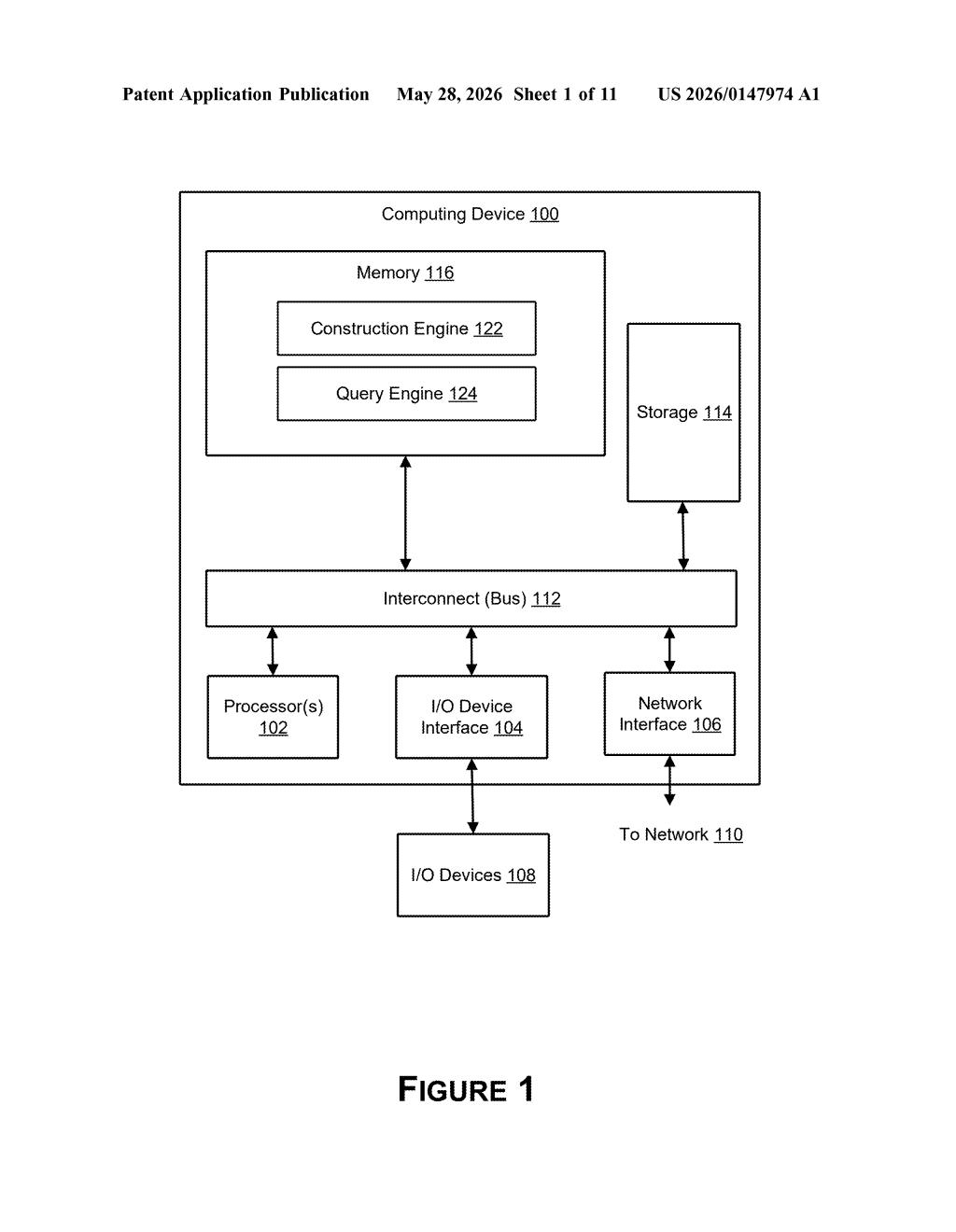
How Nvidia's document tree builder actually works
Imagine you hand a 50-page technical manual to an AI assistant and ask it a question. If the AI just sees a wall of text, it has a hard time knowing whether paragraph 12 belongs under 'Safety Instructions' or 'Installation Steps.' That context matters a lot for getting a useful answer.
Nvidia's patent describes a system that uses two machine learning models working in sequence to solve exactly this problem. The first model reads a document and figures out its skeleton — which parts are headings, which are body text, and how they relate to each other. The second model then takes those headings and arranges them into a clean, formatted list that captures the hierarchy.
The end result is a structured document tree — think of it like a table of contents that the AI built itself. Once that tree exists, queries against the document become much more accurate, because the AI knows which section each piece of text belongs to.
How the two ML models split the parsing job
The patent describes a pipeline with two distinct ML models tackling different parts of the document-understanding problem.
Model 1 handles structure detection and text extraction. It reads the source document and produces a hierarchical structure — identifying what's a heading versus a paragraph, and associating each paragraph with the heading it falls under. This is harder than it sounds: documents can use inconsistent formatting, nested subheadings, and mixed layouts.
Model 2 takes the heading text identified by Model 1 and generates a formatted listing — essentially a machine-readable table of contents that encodes the nesting relationships between headings. This separation of concerns (structure detection vs. listing generation) is the key design choice in the patent.
The two outputs — the formatted heading listing and the extracted paragraph text — are then combined into a hierarchical document. That structured artifact is what gets queried. The claim explicitly includes performing queries on the source document using the hierarchical document, which is the practical payoff: retrieval-augmented generation (RAG) systems and document Q&A tools that know where in a document an answer lives, not just that it's somewhere in the text.
What this means for RAG pipelines and enterprise AI
For anyone building enterprise AI tools on top of long-form documents — legal contracts, technical manuals, research papers — document structure is a chronic pain point. Most RAG pipelines today chunk text arbitrarily by token count, which can split a sentence from the heading that gives it meaning. A system that preserves hierarchy before chunking would produce meaningfully better retrieval results.
Nvidia is increasingly positioning itself not just as a chip company but as an AI infrastructure platform (via NIM, NeMo, and related services). A patent like this fits that strategy: it's the kind of document-processing primitive that would slot neatly into an enterprise AI stack, potentially as part of Nvidia's NeMo Retriever or similar document-intelligence offerings.
This is solid, practical AI infrastructure work — not flashy, but the kind of thing that makes the difference between a document-search tool that's impressive in demos and one that's actually reliable in production. The two-model split is a reasonable architectural choice, and the explicit focus on queryability is what makes this more than just a document-parsing exercise.
There are more where this came from
We read every patent application Big Tech publishes and send you the ones worth knowing. Plain English, free, every week.
Want this weekly breakdown for a company we don't cover? Patentlyze Pro →