
Nvidia Patents an AI That Spots Objects by How Much They Stand Out from the Crowd
Instead of asking 'what is this?', Nvidia's patent asks 'how different is this from everything else?' — a subtle but potentially useful shift in how neural networks approach object detection.
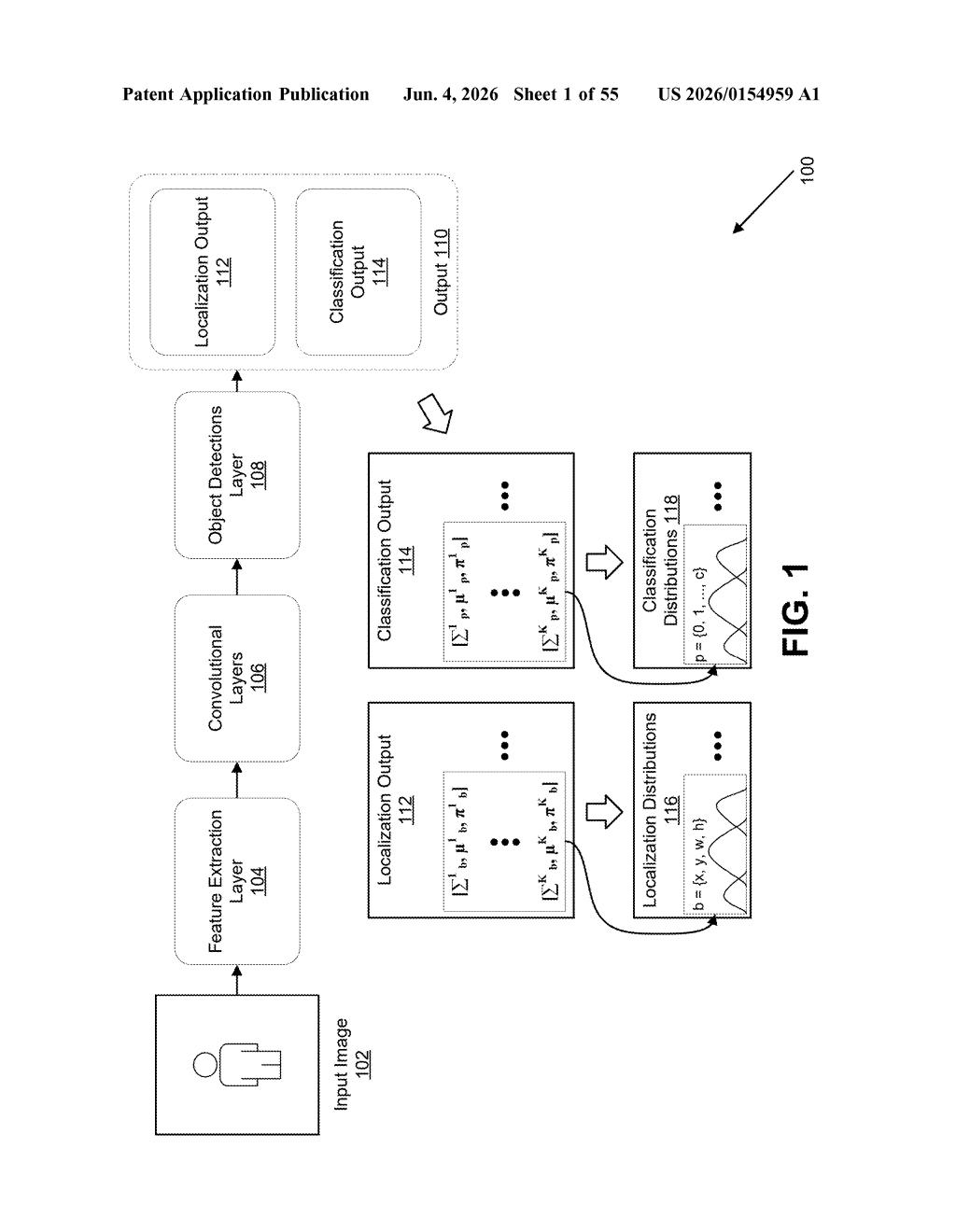
What Nvidia's contrast-based object detection actually does
Imagine trying to find a red umbrella in a crowd. One way is to scan every face and coat looking for 'umbrella.' Another way is to look for whatever stands out the most — the thing that looks least like everything around it. Nvidia's patent takes that second approach.
The system uses one or more neural networks to spot objects in images based on a likelihood score that any given object looks different from the other things in the same scene. Rather than relying purely on a learned definition of what a target object looks like, it leans on visual contrast with the surroundings.
In practice, that could make detection more robust in cluttered or unfamiliar environments, where a rigid 'does this match my training data?' check might fail — but something genuinely unusual would still pop out as distinctive.
How the neural net scores visual distinctiveness
The patent describes a system — hardware, software, or a combination — that processes one or more images through one or more neural networks to locate objects. The core hook is the distinctiveness-based likelihood score: the system evaluates how probable it is that a candidate region contains something that is visually different from the other objects or background elements in the frame.
This is a twist on standard object detection pipelines, which typically score candidates against a fixed class vocabulary (car, pedestrian, traffic cone). Here, the relative contrast between a candidate and its context is part of the identification signal.
- Input: one or more images
- Processing: one or more neural networks evaluate candidate regions
- Scoring: a likelihood that each candidate is distinct from other objects in the scene
- Output: identified objects with that distinctiveness factor baked into the detection confidence
The independent claims were canceled (claims 1–37), which typically signals prosecution activity — either the claims were narrowed, amended, or replaced during examination. The underlying described approach still stands as prior art regardless.
What this means for Nvidia's computer vision stack
Nvidia sits at the center of the autonomous vehicle and robotics compute stack, and both domains live or die on reliable object detection in messy real-world scenes. A system that can flag visually anomalous objects — not just objects it has seen before — is genuinely useful when a car or robot encounters something outside its training distribution.
That said, the patent's abstract is unusually sparse, and all 37 original independent claims were canceled. Without the original claim language, it's hard to assess how narrow or broad the actual protected idea is. This could be a thin filing around a small research contribution, or the replacement claims could be meaningfully stronger. Worth tracking when the prosecution history resolves.
This is a lean filing — a short abstract, two inventors, and every independent claim canceled before publication. On its face it looks like a placeholder or a work-in-progress through patent prosecution. The underlying idea (scoring objects by how different they look from their surroundings) is interesting enough to appear in published CV research, but there's not enough claim language here to know whether Nvidia has something worth protecting or just a line of prior art.
There are more where this came from
We read every patent application Big Tech publishes and send you the ones worth knowing. Plain English, free, every week.
Want this weekly breakdown for a company we don't cover? Patentlyze Pro →