
IBM Patents a System That Automatically Fixes App Memory Access Failures
When an app tries to touch protected OS memory and gets rejected, someone has to clean up the mess. IBM's new patent describes a way to make that cleanup automatic — and invisible to the app that caused it.
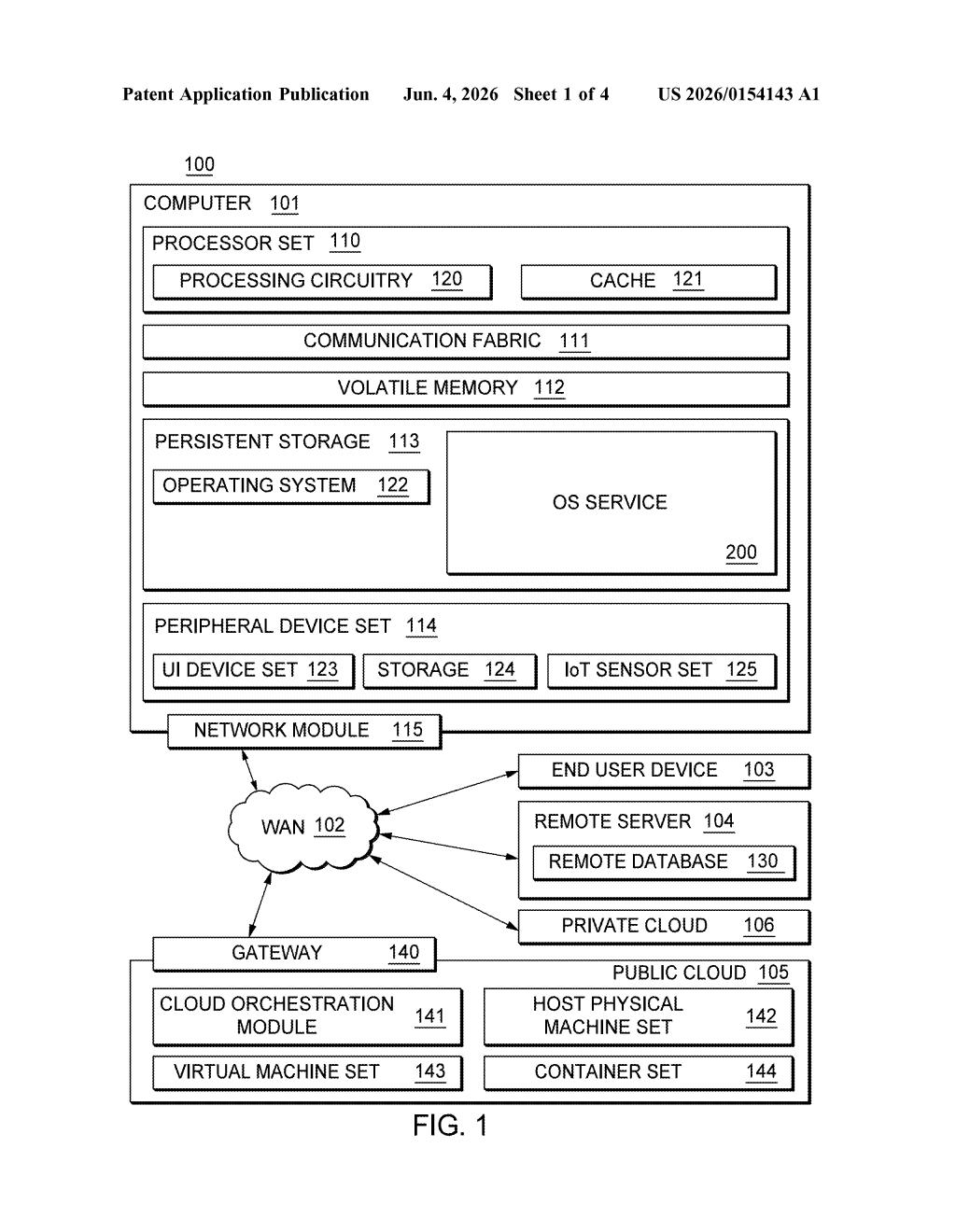
What IBM's storage exception handoff actually does
Imagine your app is in the middle of a long task — like counting through a list — and partway through it needs to update a value stored in a part of memory that only the operating system is allowed to touch. Normally, that would crash or freeze, requiring manual intervention. This is the problem IBM is trying to solve.
IBM's patent describes a small signaling system: when the hardware detects that kind of protected-memory collision, it sets a flag (the "exception indicator") instead of just failing. Your app can then see that flag and hand the problem off to an OS service — a trusted piece of the operating system — which goes in and fixes the memory issue on the app's behalf.
Once the OS service resolves the problem, it updates the data and flips a status code that tells the app "okay, you're done now." The app never had to wrestle with restricted memory directly. It's a clean division of labor between app code and OS code.
How the exception indicator and condition code interact
The patent centers on what IBM calls interruptible instructions — operations that can be paused mid-execution and resumed later, typically used for long-running tasks like block memory moves or counter updates. These instructions involve multiple steps, and some of those steps require writing into protected OS memory space — regions the app itself isn't allowed to access directly.
When the hardware detects a storage access exception (essentially, a failed attempt to read or write a protected memory address), it sets an exception indicator — a flag in a well-known location that both the app and OS can observe. Rather than crashing or silently corrupting state, the interruptible instruction halts at that step.
The application program then checks two things:
- Is the exception indicator set?
- Is the condition code — a status register that tracks instruction progress — still showing "not complete"?
If both are true, the app calls an OS service, a privileged OS routine that has the authority to access the protected memory. That service resolves the exception, writes the correct data value, and then updates the condition code to signal completion. The app resumes normally, never having touched the restricted memory itself.
What this means for OS-level memory reliability
Memory protection boundaries exist for good reason — they keep apps from corrupting OS state. But interruptible instructions that span both user and OS memory space create an awkward gap: the hardware needs to update OS-owned data as part of completing an app's request, and when that fails, there's historically been no clean recovery path. IBM's approach gives the system a structured, non-catastrophic way to handle that failure.
For enterprise and mainframe environments — IBM's core audience — this kind of reliability plumbing matters enormously. A single unhandled storage exception in a long-running batch job can mean hours of reprocessing. A lightweight flag-and-delegate mechanism that keeps the instruction pipeline moving without sacrificing memory isolation is exactly the kind of unglamorous infrastructure that keeps large systems running smoothly.
This is deep system software plumbing — the kind of patent that will never make a product announcement but quietly prevents data center headaches. It's squarely aimed at IBM's mainframe and enterprise OS customers, where memory exception handling during multi-step instructions is a real operational problem. Not exciting reading, but clearly purposeful engineering.
There are more where this came from
We read every patent application Big Tech publishes and send you the ones worth knowing. Plain English, free, every week.
Want this weekly breakdown for a company we don't cover? Patentlyze Pro →