
IBM Patents an AI System That Reads Factory Sensor Streams to Catch Manufacturing Defects
Most factory defects leave a fingerprint in the data long before a human inspector catches them. IBM is patenting an AI approach that teaches itself to read those fingerprints from raw sensor recordings, even when most of the training data has no labels attached.
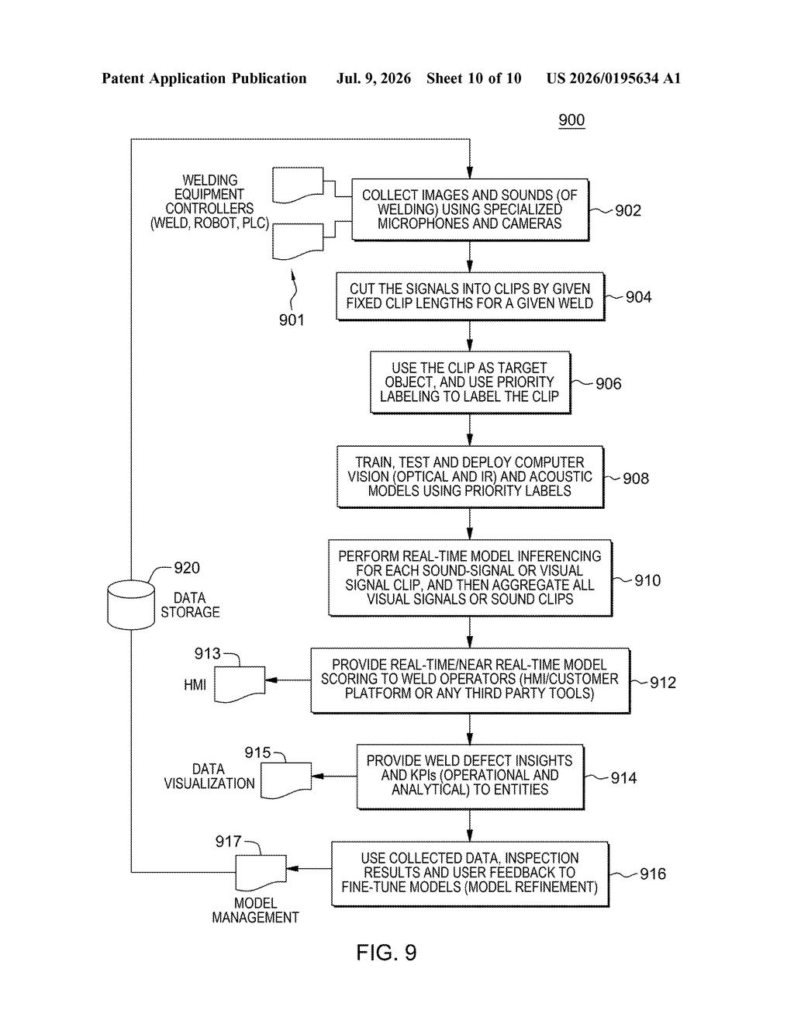
How IBM's factory AI spots trouble in sensor recordings
Imagine a factory where hundreds of sensors are constantly recording temperatures, pressures, vibrations, and electrical signals. Something goes wrong during production, and the question is: can a computer figure out, just from that stream of numbers, that a problem happened?
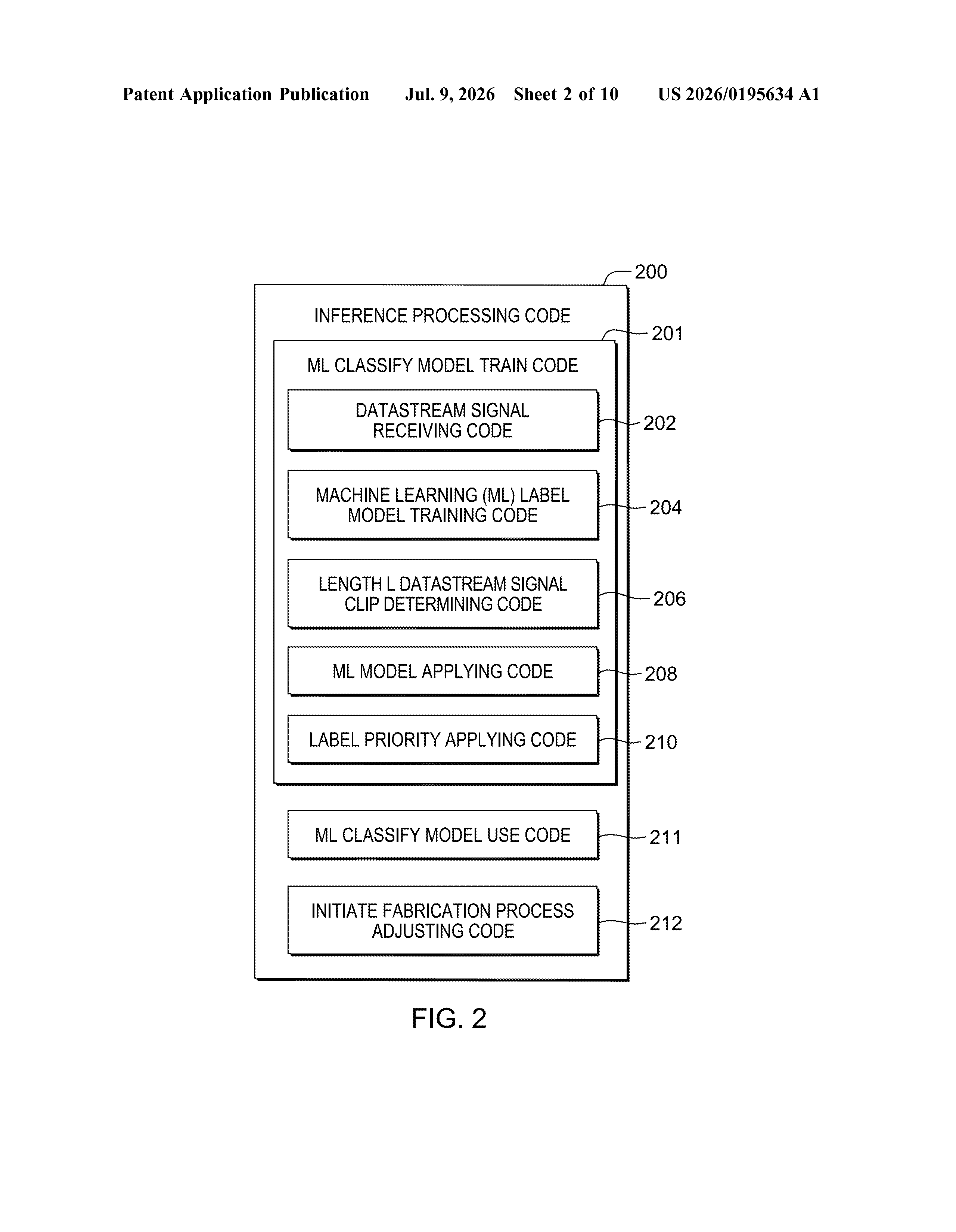
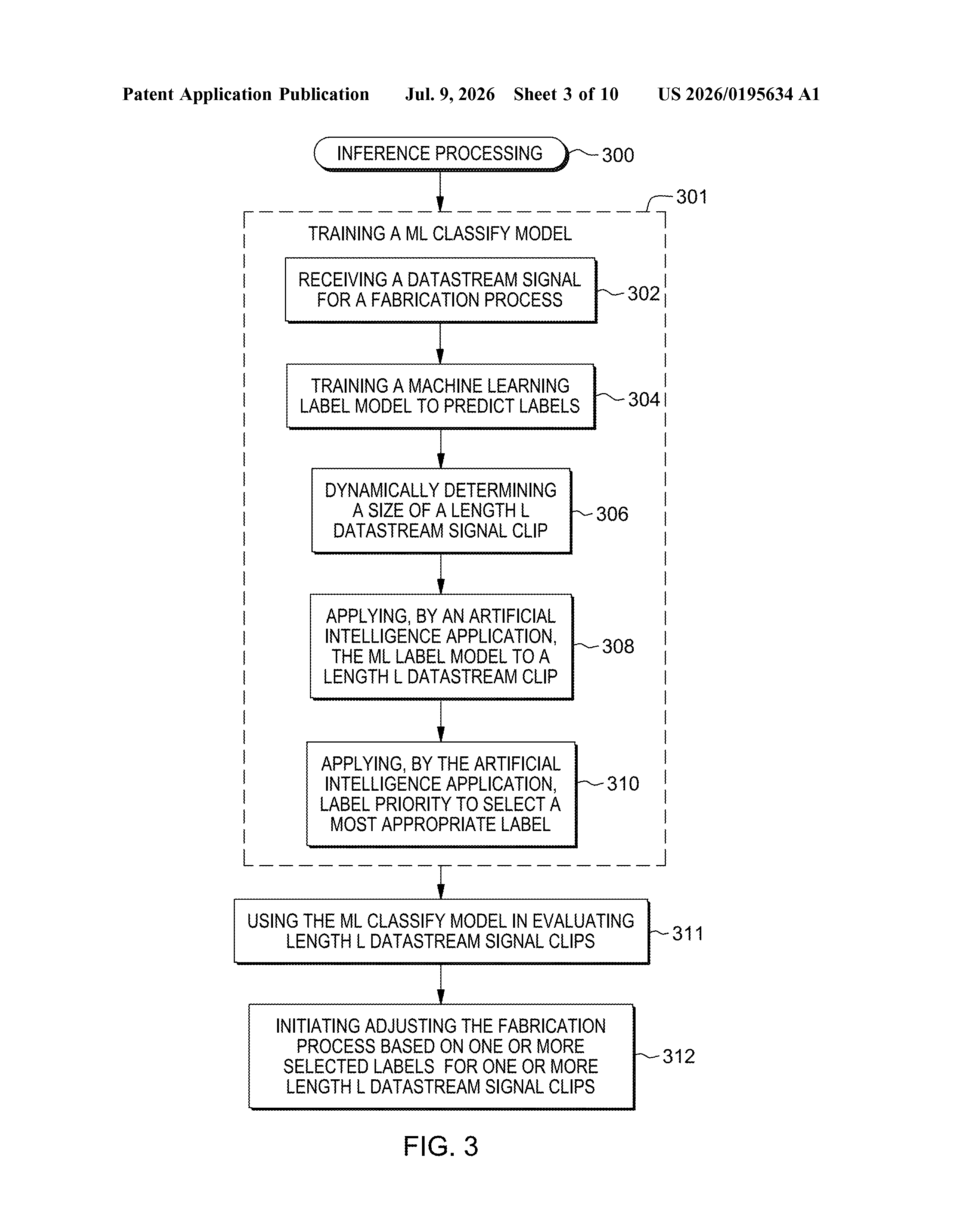
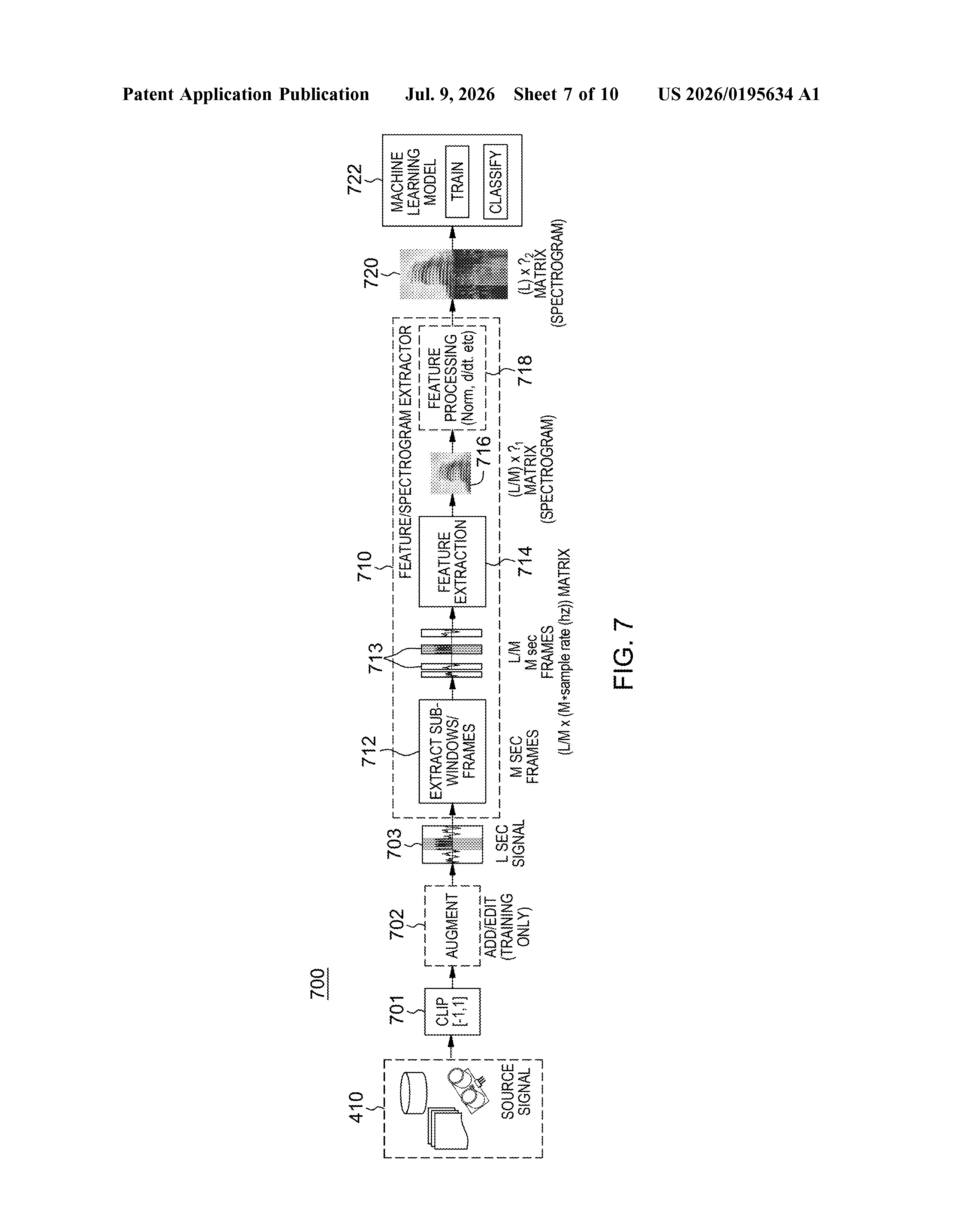
IBM's patent describes a two-step AI training process designed to do exactly that. The trick is that long recordings are hard to label by hand, so IBM's system first trains a smaller model on shorter, easier-to-label clips. That small model then goes back and automatically tags the pieces of a longer recording, and the system picks the most important tag to describe the whole thing.
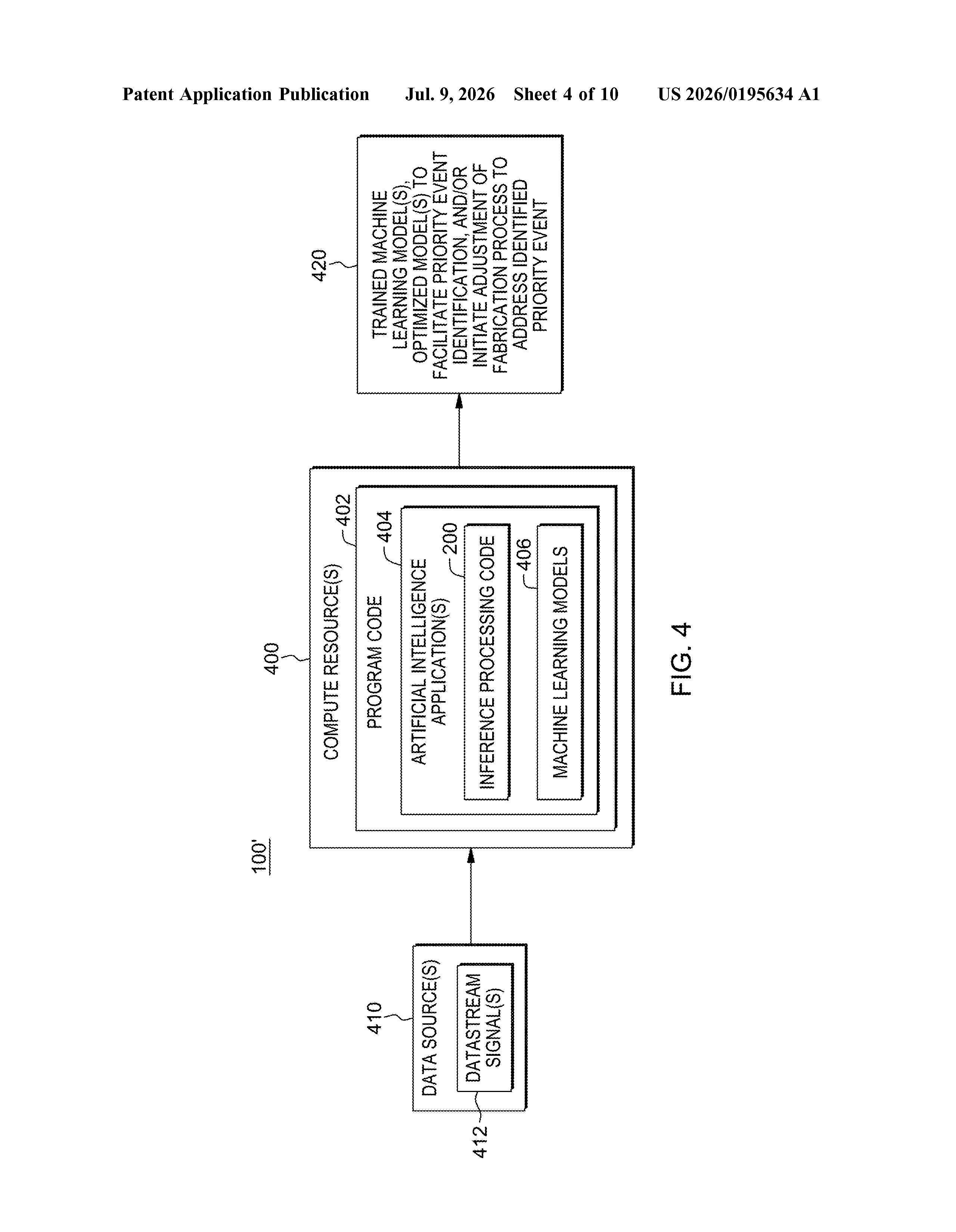
The result is a classifier that can look at a long stretch of sensor data and answer one question: did a priority event (something significant, like a defect or anomaly) happen during this recording? The goal is to make that judgment automatically, without needing an expert to hand-label every single example.
How the two-model labeling pipeline classifies long clips
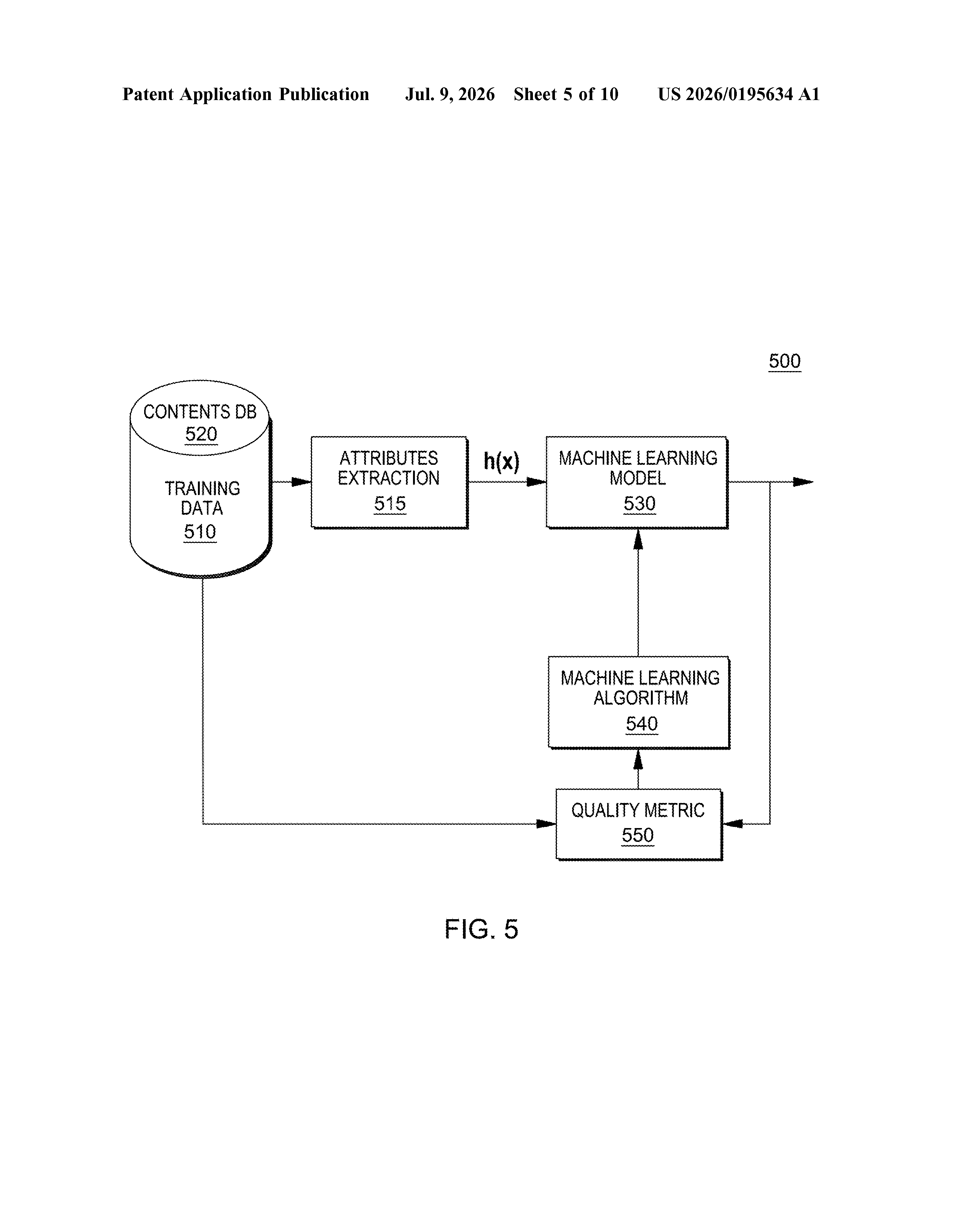
The patent describes a machine learning pipeline built around two models working in sequence.
First, a label model: This is trained on short sensor-data clips of length M (think: a few seconds of readings) that have already been labeled by humans. The model learns to classify short snippets as normal, anomalous, or some other category relevant to the manufacturing process.
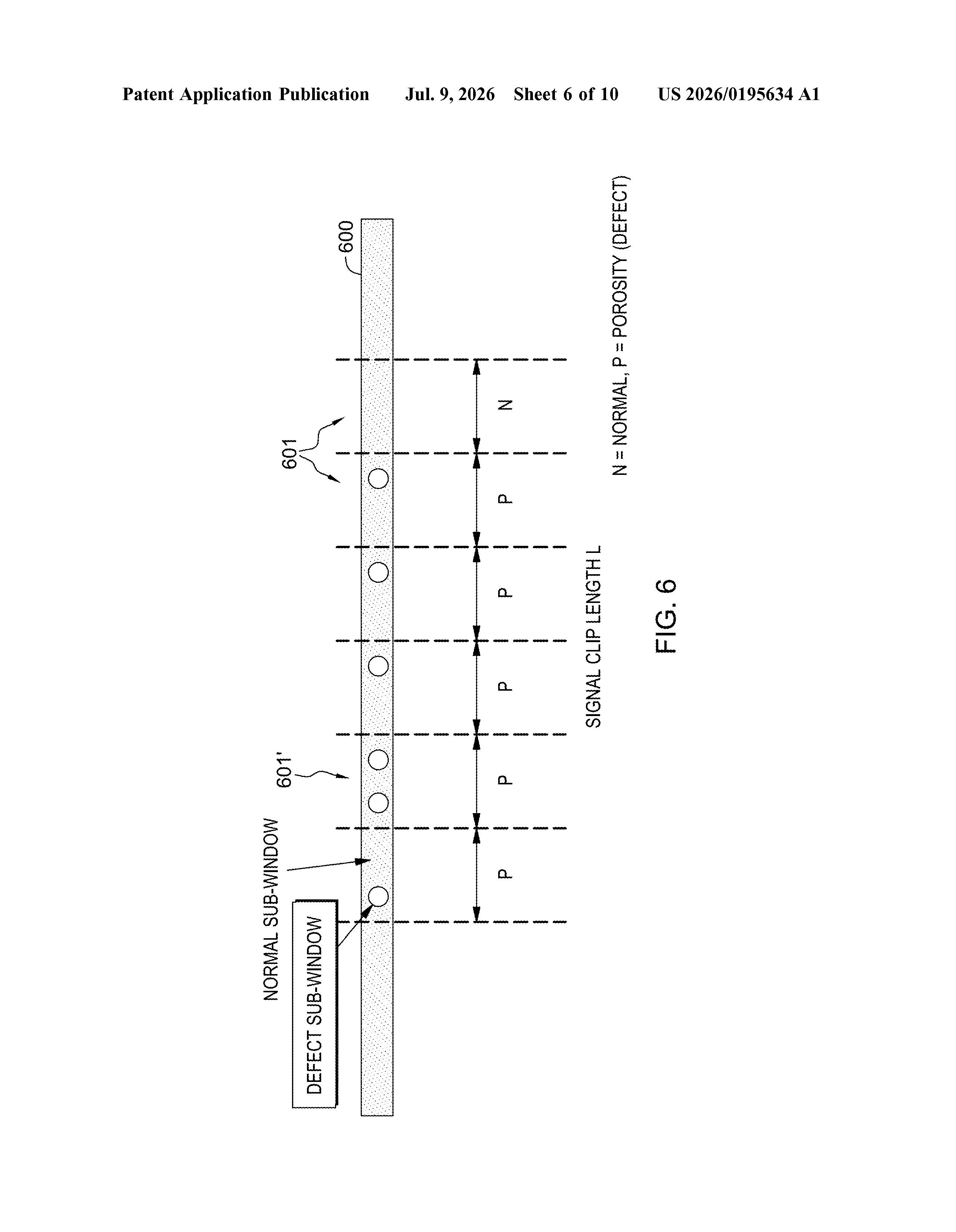
Second, a classify model: This operates on longer clips of length L, where L is made up of K consecutive short clips of length M. Because labeling long clips by hand is expensive and time-consuming, the system applies the already-trained label model to each short segment inside the long clip, generating a list of K labels.
The clever part is how it resolves conflicting labels. Rather than taking a simple majority vote, the system applies label priority (a ranking of which labels matter most) to select the single most appropriate label for the entire long clip. If even one short segment is flagged as a priority event like a defect, that label can win out over all the normal readings around it.
This matters because rare but important events are easily outvoted by normal data. The priority mechanism is designed to prevent the AI from ignoring a brief but critical anomaly just because most of the recording looks fine.
What this means for automated quality control on factory floors
Factory quality control is expensive and slow when it depends on human reviewers watching sensor logs. An AI that can automatically classify long recordings, trained mostly on short labeled examples, could reduce the manual work needed to catch production defects early.
For IBM, this fits into a broader push to sell AI tooling for industrial and manufacturing clients. The patent's approach of training on short clips and scaling up to long clips is also a general technique that could apply to any domain where sensor data streams are long, continuous, and expensive to label fully. Think semiconductor fabrication, pharmaceutical production, or energy grid monitoring.
This is solid, practical industrial AI work. It is not flashy, but the label-priority mechanism is a genuinely useful idea for anyone who has tried to train a classifier on imbalanced, hard-to-label sensor data. IBM is carving out IP in a space where the real competition is winning factory-floor contracts, so patents like this serve a clear commercial purpose.
Get our take in your Top Stories
Liked this breakdown? Add Patentlyze as a preferred source on Google, and our plain-English take shows up more often in your Top Stories the next time IBM patent news breaks.
There are more where this came from
We read every patent application Big Tech publishes and send you the ones worth knowing. Plain English, free, every week.
The drawings
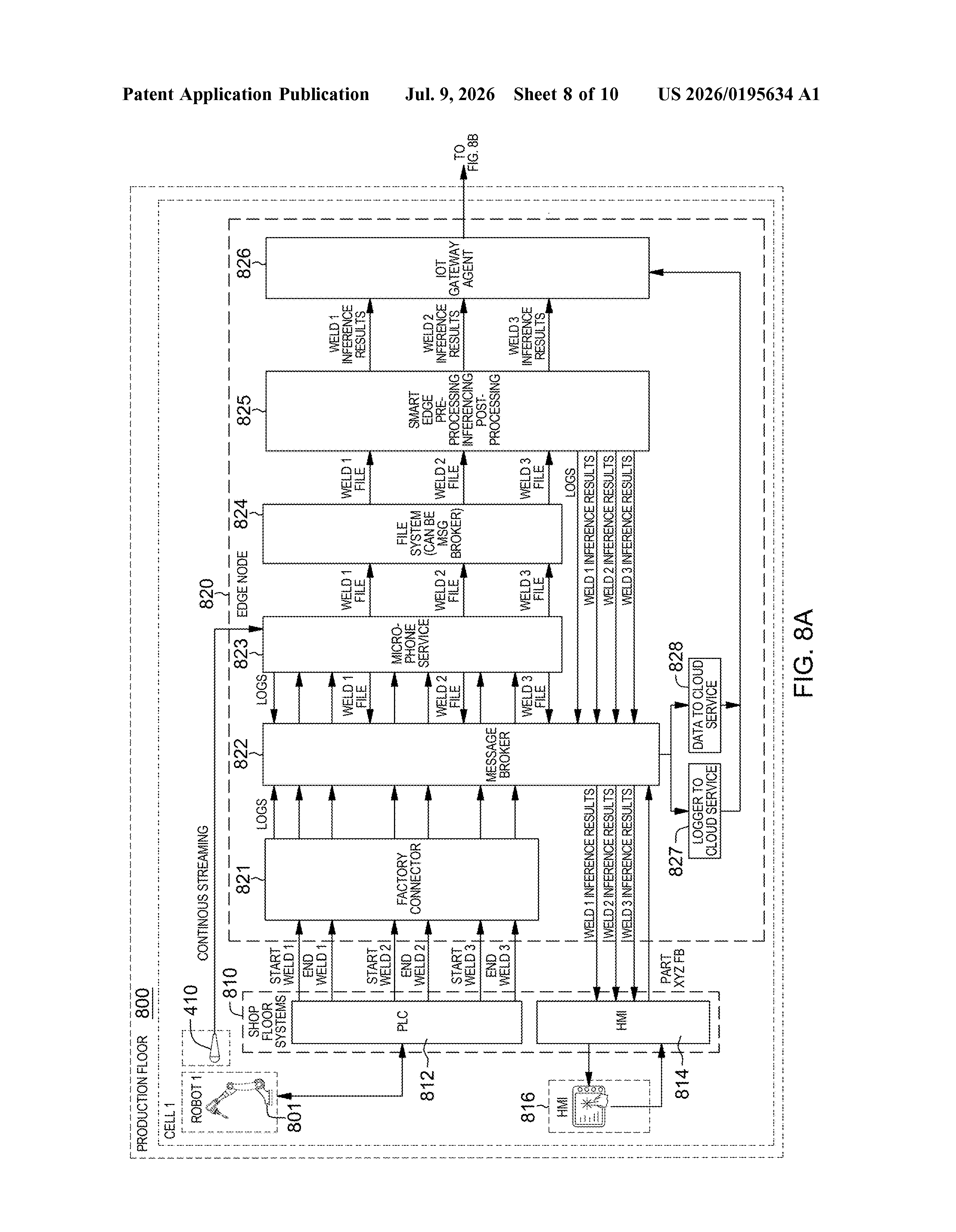
10 drawing sheets from US 2026/0195634 A1 · click any drawing to enlarge
Want this weekly breakdown for a company we don't cover? Patentlyze Pro →