
Qualcomm Patents a System for Ranking Which Phone Features Win When They Compete
When your phone tries to run multiple demanding tasks at once over a wireless connection, something has to give. Qualcomm's new patent describes a formal system for deciding what wins.
How Qualcomm's feature priority system works on your phone
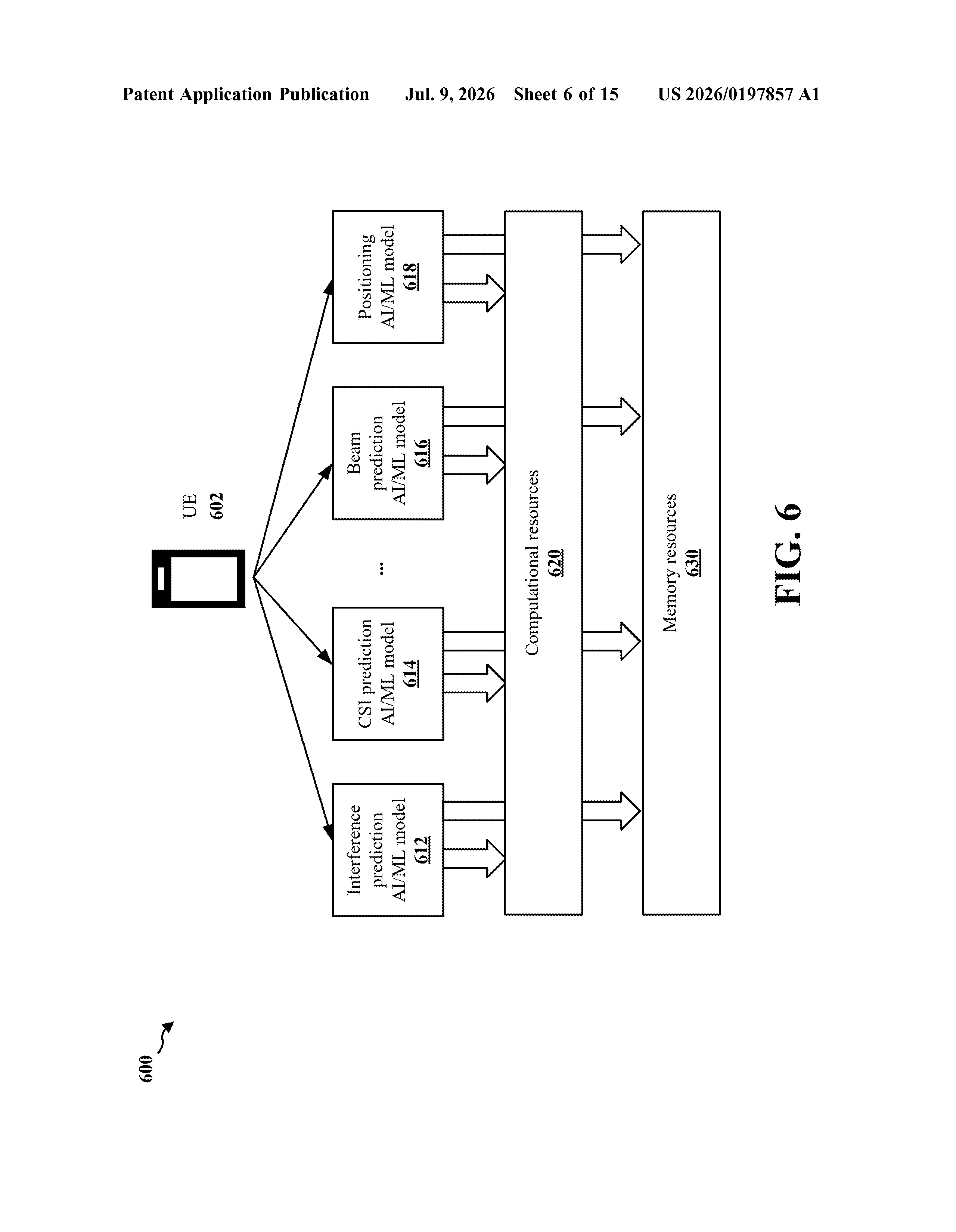
Imagine your phone is trying to do several things at once over a cellular connection: running an AI model to improve call quality, another to enhance your camera, and a third to manage battery use. They all want processing power and network attention at the same time, and your phone has to choose.
Qualcomm's patent describes a way for a phone to receive a ranked list of priorities from the network, telling it which of these features matters most. When things get crowded, the phone follows that list and focuses its limited resources on the top-priority task, setting the others aside until there's room.
The idea is that your carrier or device maker can configure these priorities in advance, so the phone makes consistent, sensible decisions automatically rather than fumbling through conflicts on its own.
How the UE resolves overlapping functionality conflicts
The patent describes a prioritization configuration system for user equipment (UE, the technical term for a phone or modem-equipped device). The UE receives a configuration that assigns explicit priority levels to a set of its functionalities, which in context includes AI/ML models and other wireless processing tasks.
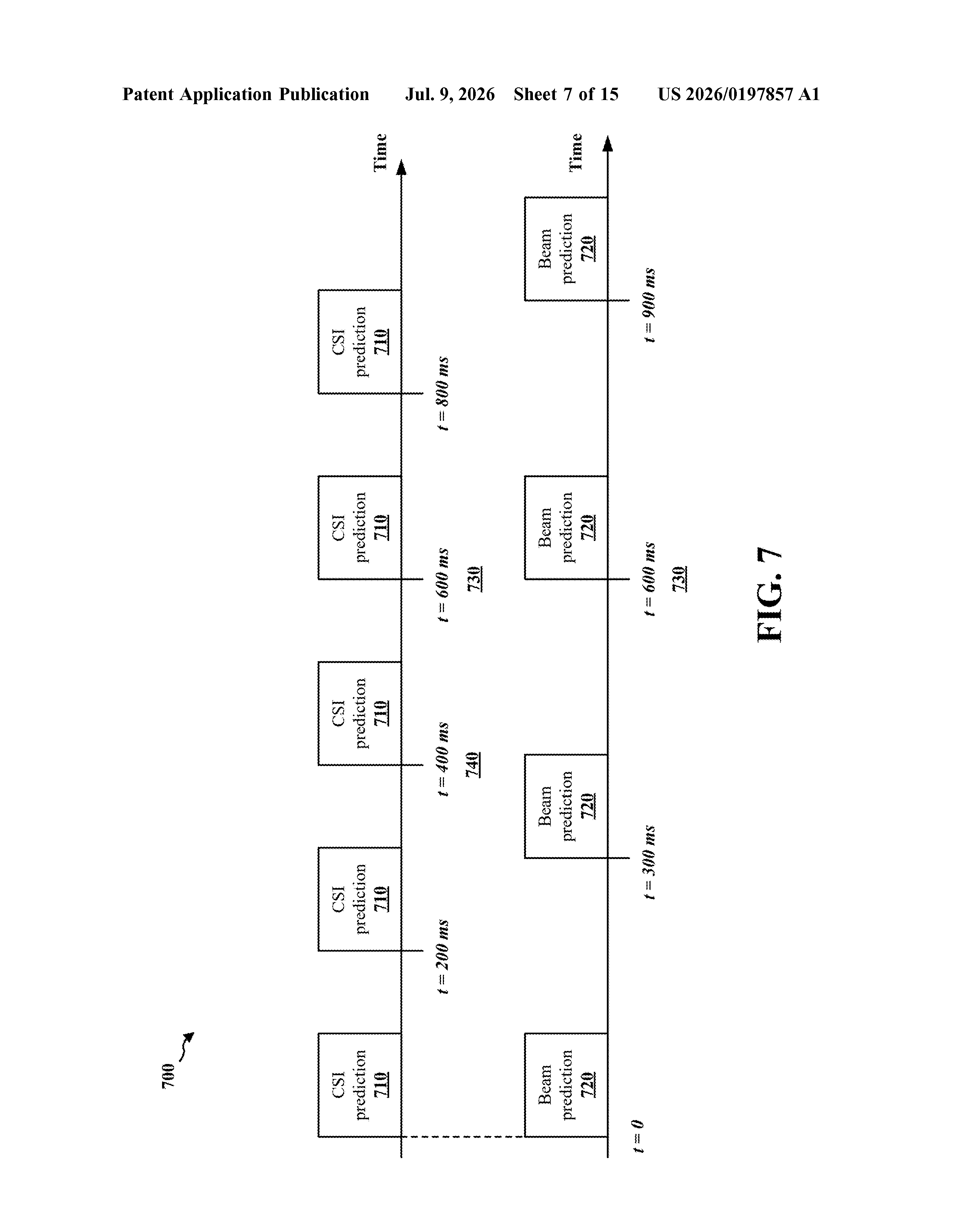
When two or more functionalities overlap (meaning they simultaneously compete for the same processing resources, radio time, or network bandwidth), the device uses the received priority list to determine which one to run fully and which to defer or reduce.
- Prioritization configuration: a ranked list delivered to the device, likely from the network or via device policy
- Overlap detection: the device recognizes when multiple features are fighting over the same resources
- Conflict resolution: the higher-ranked functionality wins; lower-ranked ones are deprioritized until resources free up
The claim is written broadly enough to cover both network-controlled AI models (such as those used in 5G channel estimation or beam prediction) and on-device features competing for chip time.
What this means for AI-heavy 5G devices
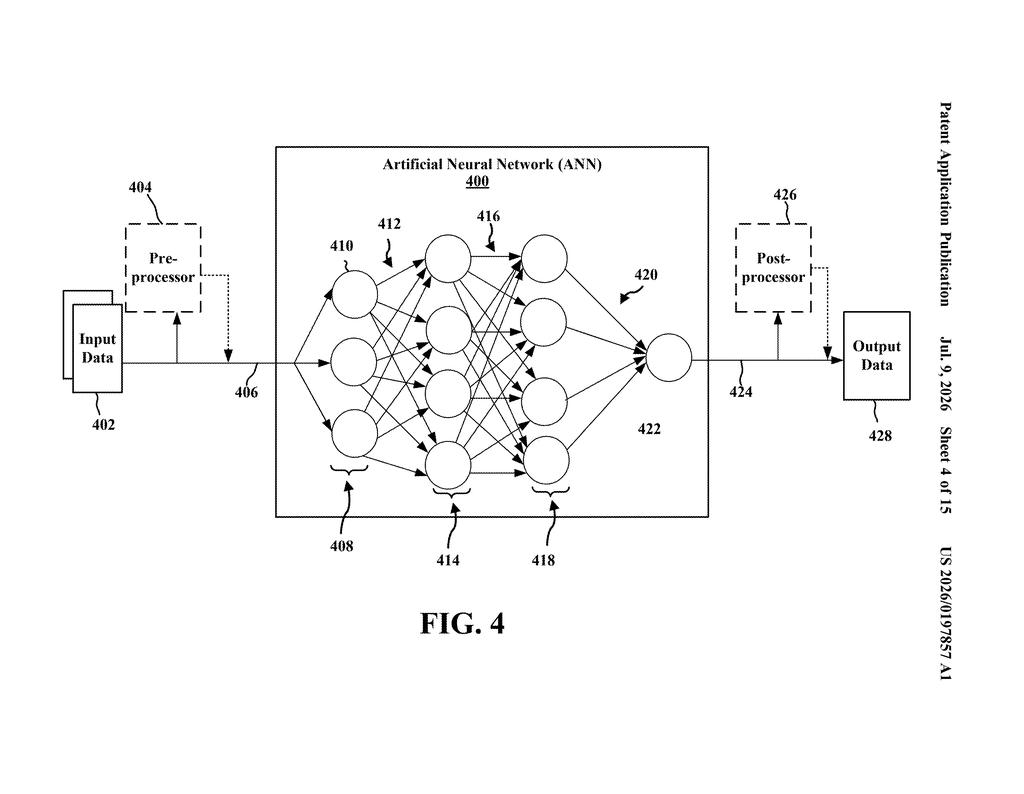
Modern 5G chipsets, including Qualcomm's own Snapdragon modems, are increasingly running multiple AI models in parallel to improve signal quality, predict network conditions, and optimize battery use. As the number of simultaneous tasks grows, so does the risk of resource conflicts that degrade performance.
This patent gives carriers and device makers a formal knob to turn. Rather than leaving conflict resolution to ad-hoc chip-level scheduling, they can pre-configure which tasks are sacred and which are expendable. That kind of predictability matters in enterprise deployments and in the upcoming 5G-Advanced and 6G standards cycles where AI-driven radio features are expected to multiply.
This is a pragmatic infrastructure patent, not a flashy feature announcement. But it addresses a real and growing problem: as Qualcomm and carriers pack more AI models into the radio stack, something has to arbitrate when they collide. A standardized priority configuration system is the unglamorous glue that makes that possible. Worth tracking if you follow 5G standards work.
There are more where this came from
We read every patent application Big Tech publishes and send you the ones worth knowing. Plain English, free, every week.
The drawings
15 drawing sheets from US 2026/0197857 A1 · click any drawing to enlarge
Want this weekly breakdown for a company we don't cover? Patentlyze Pro →
Be the first to weigh in